
Review · TICKETS
Museo Diocesano di Brescia: Entrance ticket
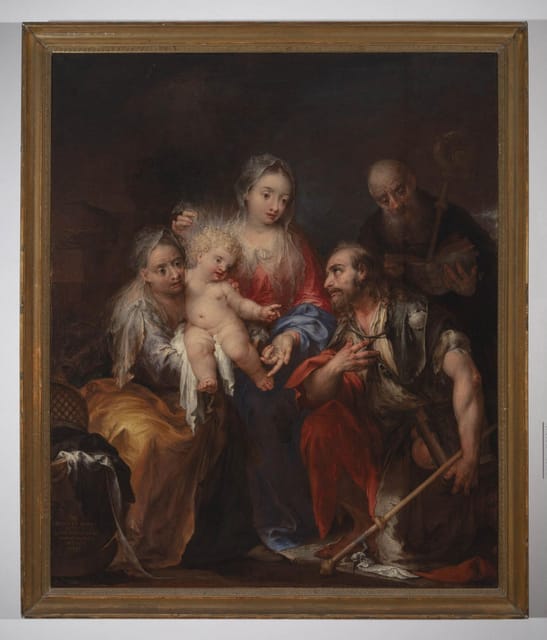
Art fans, this monastery delivers big. The Museo Diocesano di Brescia gathers 2,000+ works of painting, sculpture, and beautifully made books inside an ancient Renaissance monastery, just a few steps from Piazza Loggia. I especially liked the illuminated manuscripts, because you can slow down and actually see the hand work in the miniatures and decorated letters.
My second favorite part is the museum’s mix of visual and non-visual experiences. The TUTTO HA SENSO tactile route turns the building’s corridors into something you can explore with your hands, not just your eyes, and the Byzantine-Orthodox icons give you that quiet, window-into-faith feeling that’s hard to find in ordinary art stops. It’s a thoughtful pairing of art and access, not just a list of objects.
One thing to consider: this ticket focuses on self-guided access. If you want extra context from a guide, plan on checking what workshops or guided options are running, since guided tours aren’t included in the entrance ticket price. Also, the museum is Italian-language, so non-Italian speakers will rely mostly on what’s provided on site.
Key Highlights I Think You’ll Notice Right Away
- Illuminated manuscripts from the 12th to the mid-16th century, including colorful miniatures in decorated capilettera letters
- Floriano Ferramola’s work in the Mariegola di Collio, an illuminated confraternity booklet
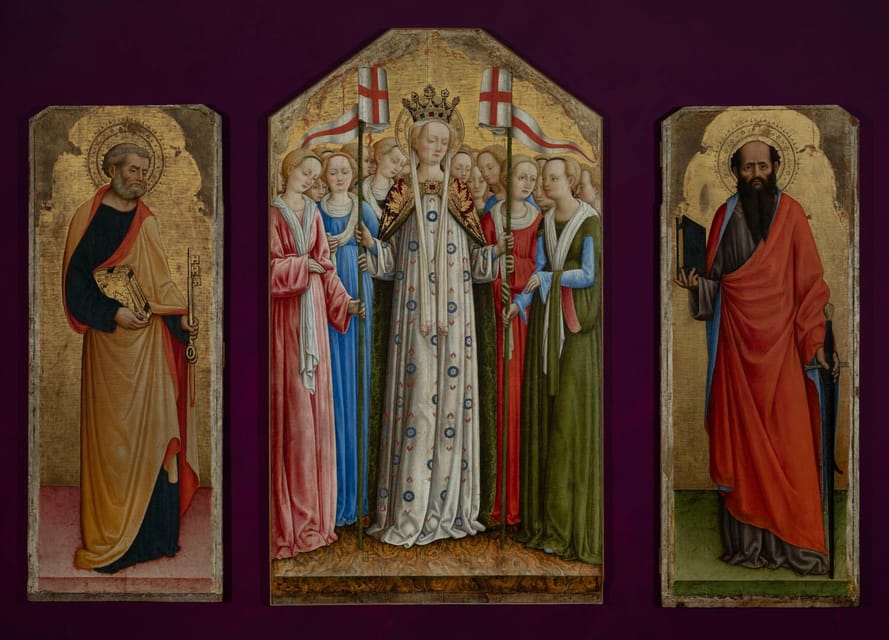
- Byzantine-Orthodox icons that feel like a “window” open to mystery, not just religious art
- TUTTO HA SENSO, a tactile, multisensory path through the permanent collection
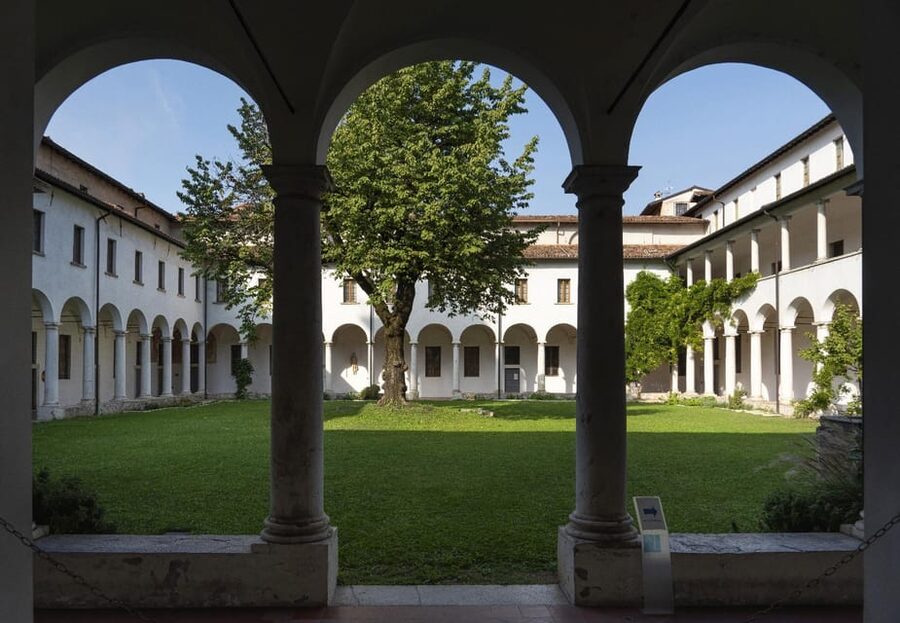
- A historical cherry tree in the main cloister, included with your ticket
- Accessibility built into the visit, with wheelchair access and accessibility for blind visitors
Museo Diocesano di Brescia: A short walk from Piazza Loggia
This museum is in the heart of Brescia, on Via Gasparo da Salò, a short stroll from Piazza Loggia. That matters because it makes the visit easy to plug into a day of wandering, especially if you’re already moving around the historic center.
The setting is part of the experience. You’re not looking at art in a modern white box. The museum sits in the spaces of an ancient Renaissance monastery, so the atmosphere has weight. Even before you reach the main galleries, you get the sense that the building itself belongs to the story.
Plan on comfortable shoes. This is a walking visit through corridors and multiple sections, including the tactile route. If you’re the kind of visitor who likes to read labels carefully, give yourself extra time, because this museum rewards slow looking.
You can also read our reviews of more tours and experiences in Brescia.

Price and value: Is the $9 ticket worth it?
At about $9 per person, this ticket is strong value for one simple reason: it gives you access to a lot of “main-event” content, not just a single gallery. You’re getting entry to the permanent collection, access to temporary exhibitions, and the multisensory route.
Here’s how the value stacks up in practical terms:
- Permanent collection depth: more than 2,000 works, including painting, sculpture, illuminated manuscripts, and icons
- Special sections included: manuscripts (spanning centuries), Orthodox icon material, and TUTTO HA SENSO
- Extra included detail: access to the historical cherry tree in the main cloister
- You can go at your own pace: the visit is self-guided, and you can decide how long to linger
The only real catch is what you might miss if you want a lot of guided interpretation. Guided tours are not included. But for $9, you can still build a satisfying visit using the museum’s own pathways and signage, and you’ll likely get enough from the displays to make it feel more than “just photos of art.”
The monastery setting and how you move through it
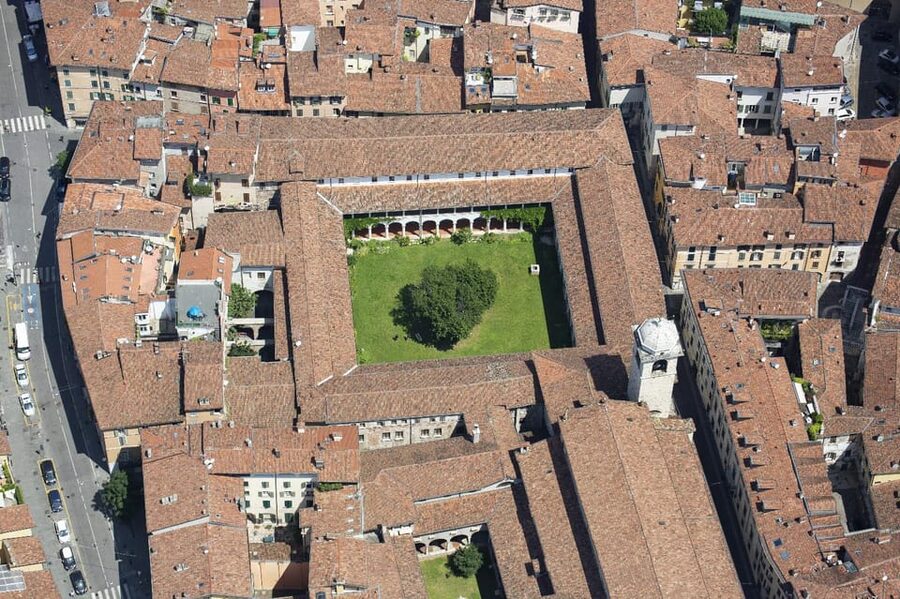
The museum’s layout is designed so you can follow a sequence without getting lost in the weeds. That sounds basic, but it’s a big deal in museums with dense collections. Here, the visit feels like a curated walk through themes, rather than a scattered warehouse of objects.
A major plus is how they treat access as part of the experience. The multisensory path, TUTTO HA SENSO, is built right into the flow of the permanent collection. That means you’re not forced to choose between “art for sighted visitors” and “a separate program for other visitors.” The tactile elements appear as part of the main route.
For wheelchair users, the museum is listed as wheelchair accessible. And it’s also accessible to blind people. If you rely on step-free routes or audio/texture-based experiences, this is the kind of museum where you can go with confidence that the design is meant to support more than one way of experiencing art.
The permanent collection: 2,000+ works, with a Brescia and Veneto focus
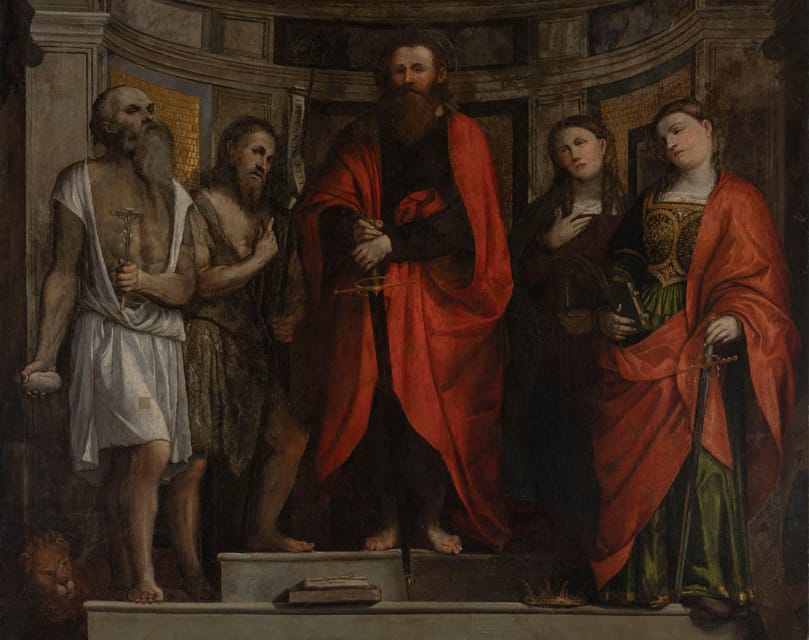
The core of your visit is the permanent collection, with more than 2,000 works. You’ll see paintings and sculpture that come mainly from the Brescia and Veneto area, which gives the collection a local voice. That regional focus can make the museum feel more personal than collections that pull everything from everywhere.
This is also where you’ll notice the museum’s theme of continuity between different art forms. A visitor could bounce between mediums and end up confused, but here the sections connect. Manuscripts don’t feel randomly placed beside sculptures. Icons don’t feel like a side quest. The museum tries to tell a coherent story across time.
One practical tip: decide early what kind of visitor you are. If you love large visual pieces, you’ll naturally spend more time in the painting and sculpture areas. If you love detail, manuscripts and iconography will slow you down in the best way. Either way, you can finish your day comfortably in one visit, since the ticket is valid for one day.
Illuminated manuscripts: hands, colors, and decorated capilettera

If you’re the type who smiles at tiny details, the illuminated manuscripts section is one of the best reasons to come. The examples range from the 12th century to the mid-16th century, so you get a sense of how book decoration and visual style evolved over centuries.
What to look for:
- the hand-decorated pages, including colorful miniatures
- the decorated capilettera letters, framed with ornaments
- animal, plant, and floral decorations that turn a book page into a small work of art
The museum also organizes manuscripts by type and time period. Liturgical books, like missals and breviaries, appear starting in the 15th century. You’ll also see musical books such as antiphonaries and graduals. That matters because you’re not only seeing pretty pages. You’re seeing how art supported religious practice.
Then comes a truly memorable highlight: the “Mariegola di Collio.” It’s described as a booklet connected to the Confraternity of Saints Faustino and Giovita of the parish of Collio in Valtrompia. The first two papers are entirely illuminated by the Brescian painter Floriano Ferramola, and that gives the section a powerful anchor.

The Orthodox icon section: a “window” open to mystery
The museum includes icons of Byzantine-Orthodox derivation, and they’re presented in a way that emphasizes their spiritual function as much as their visual qualities. The icons are recognized as a fragment of the sacred, described as a kind of “window” open to mystery.
This is worth your attention even if you’re not usually an icon person. Icons can feel repetitive if you only skim, but the museum’s approach encourages you to look for themes and iconography. You’ll likely find yourself moving slower here, because the surfaces and symbolic elements reward patient viewing.
If you enjoy religious art that’s less about realism and more about meaning, this section will click. It’s also a good counterpoint to the illuminated manuscripts. One focuses on the sacred text made visible. The other focuses on the sacred image made present.
TUTTO HA SENSO: why the tactile path is more than a gimmick
“Tactile” might sound like an add-on, but TUTTO HA SENSO at this museum feels intentional. It winds along corridors of the permanent collection and invites you to discover important works with your hands, not just your eyes.
Why I like this kind of route, and why you might too:
- It changes pacing. You stop rushing through galleries because your body gets involved.
- It helps you notice form and texture, not only color.
- It makes the museum feel welcoming to more than one type of visitor.
The museum also takes a broader approach to accessibility and active participation across cultures. Even if you don’t speak Italian fluently, you’re not totally dependent on language. The experience has a physical layer, which makes it easier to connect.
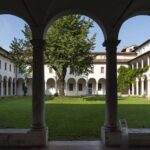
One more included detail that supports the “you’re inside a lived-in place” feeling: the historical cherry tree in the main cloister. That’s not just a decoration. It’s an included stop that helps the museum feel rooted in its environment and time.
Temporary exhibitions and public programming (what you should check)
Your ticket also includes access to temporary exhibitions. That’s useful because the permanent collection is the main draw, but a temporary show can add freshness, especially if you’re visiting as part of a multi-day Brescia plan.
The museum also mentions workshops and guided tours that are open to the public. Guided tours aren’t included in your ticket, so you’d need to check the schedule for what’s running during your dates. Still, even if you skip a guided option, it’s nice to know there is active programming, not just passive gallery time.
If you’re traveling with school-age kids or you like structured activities, a workshop might be worth timing your visit around. If you’re there for quiet art time, the self-guided route will still work fine.
Practical tips: how to plan your one-day visit
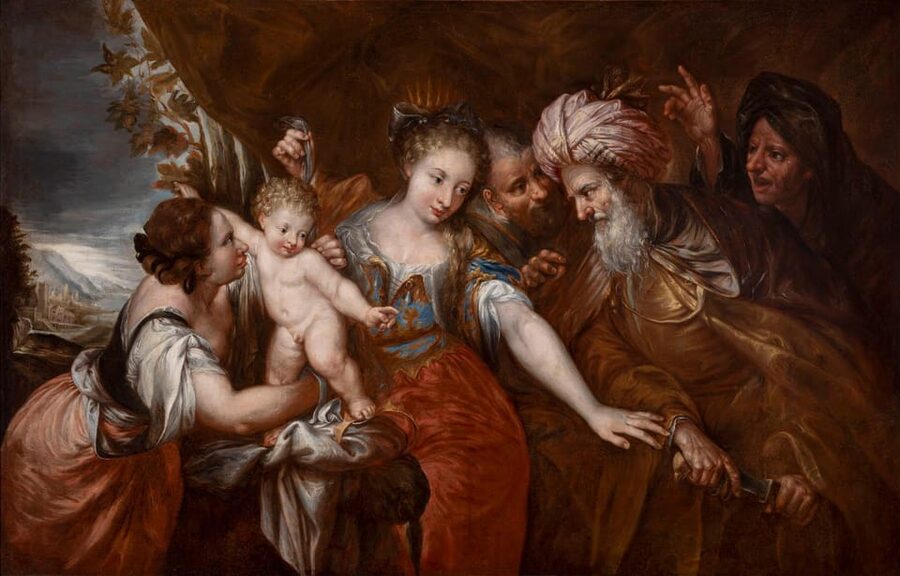
You can reasonably fit this museum into a one-day window. Your ticket is valid for one day from first activation, which makes it easy if your Brescia day runs longer than expected.
Here are the practical details that can save you time:
- Wear comfortable shoes. The visit includes walking corridors and moving between sections.
- Photography is allowed without flash inside the museum.
- The museum languages listed are Italian, so expect Italian labeling and support.
- The museum is near Piazza Loggia, on Via Gasparo da Salò, so it’s simple to reach on foot.
Also, keep an eye on the museum’s website for the latest opening hours and any health or safety guidelines. That’s especially important when you’re planning a tight itinerary.
One more thing, just to keep your day smooth: pets, bikes, and alcohol and drugs are not allowed.
Who this museum fits best
This ticket makes sense if you like religious art, regional Italian history, or book arts. The illuminated manuscripts, including Ferramola’s contribution in the Mariegola di Collio, are the kind of material that turns a museum visit into a memorable story.
It’s also a strong choice for visitors who value accessibility. Wheelchair access is listed, and there’s an explicitly described multisensory tactile path. If you’re traveling with someone who benefits from touch-based or alternative-format experiences, this museum is built with that in mind.
And if you want “a museum day” that still feels human, the monastery setting helps. You’re not just looking at objects behind ropes. You’re walking through rooms that carry the mood of the building and the permanence of religious and cultural life.
One extra note from a local-feeling perspective: the museum’s collections include sacred vestments (paramenti sacri) and people often highlight the pinacoteca as exceptional. Even if you focus on manuscripts and icons, don’t ignore what’s around them, because it’s part of the same visual world.
Should you book the Museo Diocesano di Brescia entrance ticket?
Book it if you want a compact one-day museum that covers several major art worlds in one place: paintings and sculpture, hand-illuminated books, Byzantine-Orthodox icons, plus a tactile route that actually changes how you experience the collection.
Skip it only if you strictly want guided commentary, or if you know you won’t enjoy Italian-language signage and don’t plan to use the museum supports on site. For most visitors, the $9 price feels fair because you’re not paying for one room. You’re paying for access to multiple key sections, including the multisensory pathway and the cloister cherry tree stop.
If you’re already in Brescia and you want one well-chosen cultural hour to several, this is a very practical add to your day.
FAQ
What is included with the Museo Diocesano di Brescia entrance ticket?
The ticket includes admission to the museum, access to the permanent collection and temporary exhibitions, the multisensory and accessible path (TUTTO HA SENSO), and admission to the historical cherry tree in the main cloister.
How long can I spend at the museum?
The experience is listed as lasting one day, and the ticket is valid for one day from first activation.
Where is the museum located?
The museum is on Via Gasparo da Salò, just a few steps from Piazza Loggia, in the center of Brescia.
Is photography allowed inside the museum?
Photography is allowed inside the museum without flash.
Are pets or bikes allowed?
No. Pets and bikes are not allowed.
Is the museum wheelchair accessible?
Yes. The museum is wheelchair accessible, and it is also accessible to blind people.
More Tour Reviews in Brescia
Not for you? Here's more nearby things to do in Brescia we have reviewed





Tickets, compared.
 ★ 4.6Cathedral and Duomo’s Terraces Entrance TicketFrom $3061,054 reviews
 ★ 4.6Milan Cathedral: Duomo Terraces Ticket (No Church Access)From $226,111 reviews
 ★ 4.7Guided Walking Tour & Last Supper Visit with TicketFrom $1015,409 reviews
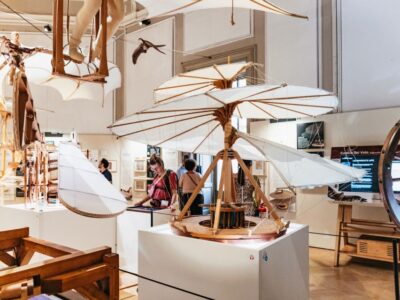 ★ 4.4Leonardo3 The World of Leonardo Museum Entry TicketFrom $183,241 reviews
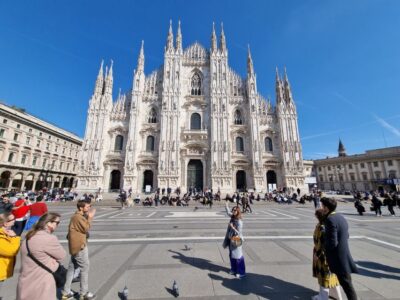 ★ 4.8Duomo Rooftop and Cathedral Guided Tour with TicketsFrom $572,678 reviews
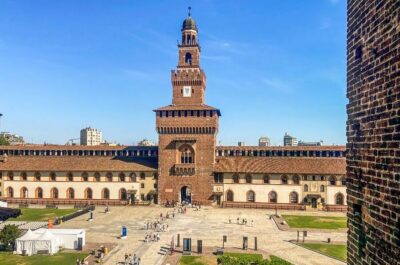 ★ 4.0Sforza Castle Entry Ticket with Digital Audio GuideFrom $152,675 reviews
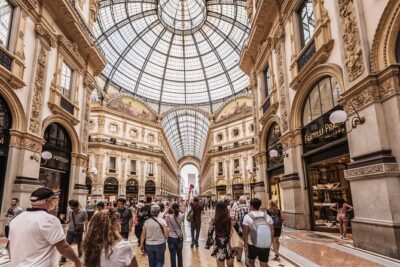 ★ 4.5Historic Milan Tour with Skip-the-Line Last Supper TicketFrom $1111,976 reviews
 ★ 4.6Last Supper Entrance Ticket and Guided TourFrom $881,792 reviews
Browse the lists this tour appears in