
Review · WALKING TOURS
Beautiful Brescia – Guided Walking Tour
Brescia rewards the curious. In just 2 hours, you get a guided walk that jumps between standout art in the city’s great cathedral and the Roman layers that still shape central Brescia, with a pace that keeps it fun. You end up at San Salvatore (Santa Giulia), which turns architectural history into something you can actually see and compare.
What I love most is the mix, because you see how the city thinks across centuries. I’m also a big fan of the free entry approach at each stop, which makes the tour feel like good value rather than a ticket-hunting scavenger hunt.
One possible drawback: the tour is short. If you like to linger for long stretches inside each site, you might wish you had another hour to slow down.
Key highlights
- Duomo Nuovo art featuring scenes from the life of the Virgin Mary by Romanino, plus work by Moretto da Brescia
- Piazza del Foro in the historic core, tied to a first-century Roman city layout
- Capitolium and Tempio Capitolino as a Roman temple setting that also connects to an amphitheater and museum
- San Salvatore, Santa Giulia where you can spot architectural change from Roman remains through pre-Romanesque, Romanesque, and Renaissance styles
- Private, English-language experience designed for just your group, with a mobile ticket for day-of simplicity
Why Brescia Works So Well for a 2-Hour Guided Walk
This tour is built for people who want “I get it” history fast. Brescia can feel like the calm alternative on the Milan and Verona route, and that works in your favor here, because the focus stays on the core sites you can reach on foot.
The format is also practical. You get an English guide, a mobile ticket, and only your group joins the walking experience, so you can ask questions without the usual crowd-pressure. It runs about 2 hours, which means you’re not stuck managing a full-day schedule just to see the important stuff.
And since each of the main stops lists free admission tickets, you can treat the tour as a guided route with no surprise entry-fee pressure at the buildings you visit. The “near public transportation” note also helps, because you can arrive and leave without stress.
You can also read our reviews of more walking tours in Brescia
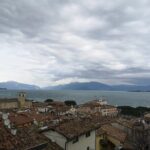
Stop 1, Duomo Nuovo and Santa Maria Assunta’s Big Art Moments
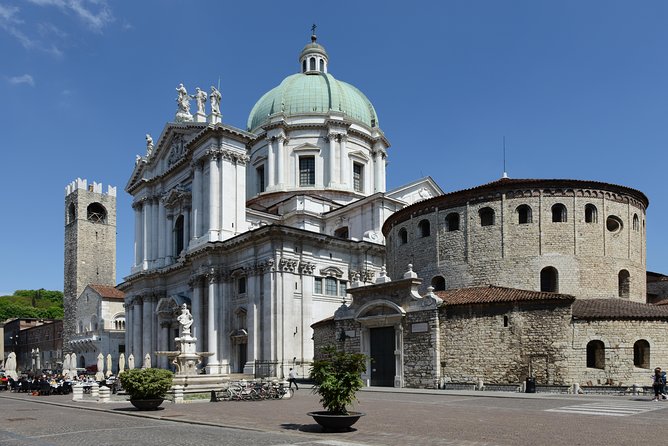
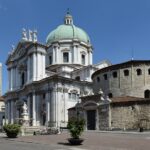
The walk starts at the Cathedral of Santa Maria Assunta, known locally as the Duomo Nuovo (New Cathedral). Even if you’ve seen cathedrals in other Italian cities, this one is worth your attention because it’s not just impressive outside, it’s an art textbook inside.
One highlight is how the guide connects specific artworks to the bigger religious storytelling. You’ll encounter scenes from the life of the Virgin Mary by Girolamo Romanino, including the Marriage, Visitation, and Birth. This is the kind of detail that makes a cathedral feel less like a “stop and look” and more like a place with a logic.
You’ll also learn about other notable works linked to Moretto da Brescia, including the Sacrifice of the Virgin Mary, Isaac. The payoff for you is simple: you start recognizing styles and themes instead of just scanning for decoration.
Practical note: because the tour time is tight, you won’t do a slow, museum-style interior marathon. That said, if you want the tour to get you oriented and excited, this is the right length to make the cathedral feel like the start of a story rather than the end of one.
Piazza del Foro, Where a First-Century Roman City Still Shows Through
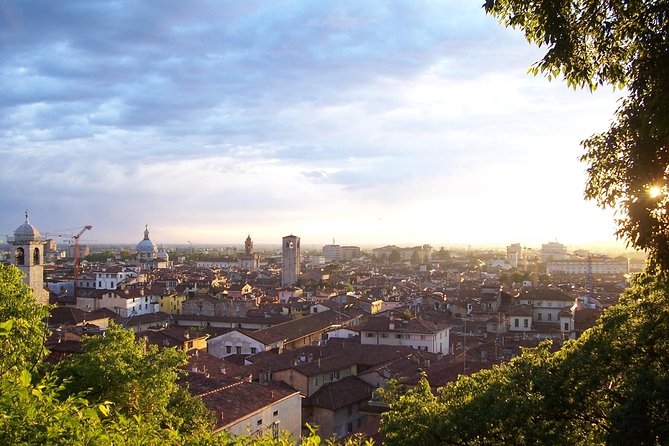
Next you head to Piazza del Foro, one of Brescia’s oldest squares. The key idea here is that this isn’t just a pretty open space, it’s tied to the first-century Roman city underneath and around it.
This stop works best when you treat the square as a layer-cake. The guide’s comments help you see how the Roman layout shaped what later generations built. Even if you don’t spot ruins instantly, you’ll start noticing how the city’s “shape” can outlast the original structures.
You’ll also be in the Brescia Antica neighborhood in the historic center, which keeps the vibe authentic. This part of the walk is a nice contrast to the formal feel of the cathedral. It’s more street-level, more about how people move through space.
A small consideration: since you’re dealing with outdoors viewing plus quick transitions, it’s smart to keep an eye on the time so you don’t get stuck taking photos while the guide is pointing out the really useful details. Think of this stop as orientation for the Roman section that comes right after.
Capitolium and Tempio Capitolino, When a Temple Meets a Museum
At Capitolium or Tempio Capitolino, you’re stepping into one of the anchor sites of the Roman center of Brixia. This place is described as the main temple associated with the Capitoline Triad, which gives you a clear religious anchor for what you’re seeing.
What makes this stop especially worth your time is how it connects multiple functions in one area: the ancient temple setting, a Roman amphitheater, and a museum component. It’s the kind of location where the guide can help you understand that the ancient world did not organize buildings the way we do today.
If you like archaeology but hate feeling overwhelmed, you’ll probably appreciate this. A good guide can translate “ruins and stones” into something you can picture in your mind, like what the space was for and how it would have felt in use.
Also, since the stop lists free admission tickets, you can focus on the viewing and explanations without worrying about extra costs. Just remember that museums can be dense, so keep your attention on the key points the guide highlights, and you’ll leave feeling like you learned something specific.
Basilica di San Salvatore (Santa Giulia), the Architecture-Spotting Finish Line
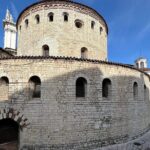
The tour’s ending point is the Basilica di San Salvatore, often known as Santa Giulia. This is now a museum, and it’s famous for the way different eras are stacked together, with architectural styles you can actually compare.
The big idea you should carry into the visit is diversity of architecture. The site is described as having Roman remains plus important pre-Romanesque, Romanesque, and Renaissance buildings. That’s not just a list, it’s a visual timeline. When you see the differences, you start understanding how styles changed and why.
This stop is the strongest “wow” moment for most people because it’s not only about seeing old things. It’s about noticing transitions. You can stand in one area and then compare what comes next, and suddenly centuries don’t feel abstract.
One more reason it’s a great finish: you start at a cathedral, then you move through Roman urban spaces, and you end at a monastery complex turned museum. The route creates a satisfying arc, from spiritual art, to ancient city structure, to architectural evolution.
Since the tour duration is about 2 hours, you’ll likely see the highlights rather than every corner. If you want more time here later, that’s a good reason to add a follow-up visit on a second day.
You can also read our reviews of more guided tours in Brescia


How the Route Feels, Timing, and What to Bring
Even though this is a “guided walking tour,” it’s not the kind of pace where you’re sprinting to keep up. The stops are spaced with short viewing windows, and each stop is designed to give you just enough time to absorb the main points.
It’s also a nice way to “get your bearings fast” in Brescia’s center. You’ll finish at Santa Giulia, and you can easily continue exploring afterward on your own.
Here are a few practical tips that will make your day smoother:
- Wear comfortable shoes, because historic centers tend to have uneven pavement.
- Charge your phone, since you’ll use a mobile ticket.
- If you’re taking public transportation, plan a buffer so you’re not rushing to make the start.
Meeting point is at the Cathedral of Santa Maria Assunta, P.za Paolo VI, 25121 Brescia BS, Italy. The tour ends at Basilica di San Salvatore, Via Giovanni Piamarta, 6, 25121 Brescia BS, Italy.
English Guidance, Private Format, and Why That Matters for Value
Private does not always mean better, but in a short tour like this, it can help a lot. You’re not competing with other groups for the guide’s attention at the key moments, which matters when you’re learning about specific artworks or when the Roman sites require a bit of explanation.
The English-language offering is also a real factor. You want to understand what you’re looking at, not just admire it. When the guide can connect Roman temple function, cathedral art themes, and architectural shifts at Santa Giulia, the whole experience clicks.
Price is $222.49 per person, which might sound steep until you look at what’s included in the real-world feel of it. You’re getting a compact route, a guide speaking directly to your group, and free admission listed for the main stops, so you’re not paying extra to get inside where the learning happens.
Group discounts are mentioned too, which can bring the per-person cost down if you’re traveling with friends or family. If you’re solo, it may feel like you’re paying for the privilege of a focused, private pace rather than “buying a cheaper mass tour.”
Where Brescia Fits If You’re Between Milan and Verona
Brescia is one of those cities that can be overlooked because it sits between the big-name magnets. But the reward is that it often feels more manageable and less rushed, which is a good match for a tour like this.
One visitor highlighted the city’s welcoming feel and pointed out that the aperitivo culture starts around 18:00, with an included tapeo with the drink at the place they enjoyed. That’s not part of the walking tour itself, but it’s a smart planning cue. After you finish near Santa Giulia, you’ll be in a good position to hunt down a low-key meal without needing a long commute.
Also, people noted how enjoyable the center can be for strolling, especially around the squares near the cathedral and major buildings. If you like architecture and you enjoy watching how the city’s different periods affect street life, Brescia can feel like a pleasant “third option” that still delivers the goods.
Who Should Book This Tour, and Who Might Prefer More Time
I think this fits best if you want:
- A two-hour overview that still covers serious art and Roman remains
- An English explanation that ties sites together, not just a checklist of landmarks
- A private experience where you can ask questions without feeling rushed
- Stops where you can enjoy free entry so your day stays simple
You might want a different option if you’re the type who needs long interior time, especially at cathedrals and museums. Two hours is a great starter plan, but it’s not designed for deep, slow observation.
Should You Book Beautiful Brescia?
Book it if you want a tight, smart route through Brescia’s cathedral art, Roman city remnants, and Santa Giulia’s architecture timeline, with a guide to translate what you’re seeing. The private format and English language support make it feel efficient, and the fact that admission is listed as free at the major stops improves the value.
Skip it or pair it with extra time if you know you’ll want to linger inside each site for a long stretch. If that’s you, this tour still works well as a foundation, then you can return later for more unhurried looking.
If you’re doing Brescia as part of a longer Italy trip and you want the best “high points per hour,” this is a strong choice.
FAQ
How long is the Beautiful Brescia guided walking tour?
The tour runs for approximately 2 hours.
Is the tour offered in English?
Yes, it is offered in English.
Where do I meet and where does the tour end?
You start at Cathedral of Santa Maria Assunta, P.za Paolo VI, 25121 Brescia BS, Italy. The tour ends at Basilica di San Salvatore, Via Giovanni Piamarta, 6, 25121 Brescia BS, Italy.
Is this a private tour?
Yes. Only your group participates.
Do the stops require paid admission?
The provided details list free admission tickets for each stop.
Can I cancel for a full refund?
Yes. You can cancel up to 24 hours in advance for a full refund. If you cancel less than 24 hours before the start time, you will not be refunded.
More Walking Tours in Brescia
More Tours in Brescia



More Tour Reviews in Brescia
Not for you? Here's more nearby things to do in Brescia we have reviewed


Walking Tours, compared.
 ★ 4.7Guided Walking Tour & Last Supper Visit with TicketFrom $1015,409 reviews
 ★ 4.7Guided Walking Tour with Last Supper Skip-the-LineFrom $1061,143 reviews
 ★ 4.8Da Vinci’s Last Supper and Guided Walking TourFrom $70683 reviews
 ★ 4.8Guided Street Food Walking Tour with Food TastingFrom $58654 reviews
 ★ 4.7Guided Walking Tour with Duomo and the Last SupperFrom $152615 reviews
 ★ 4.5Skip-the-Line Guided Walk and “The Last Supper”606 reviews
 ★ 4.7Best of City Walking Tour with Last Supper TicketsFrom $112359 reviews
 ★ 5.0Milan Highlights and Hidden Gems Private Guided Walking TourFrom $246302 reviews
Browse the lists this tour appears in