
Review · MILAN COOKING CLASSES
Milan: Pasta Mastery Workshop with Spritz and Tiramisù
Fresh pasta beats any souvenir. In a Milan home kitchen near Parco Sempione, you’ll learn homemade ravioli and other shapes, then sit down to spritz and tiramisù while everything you made turns into lunch or dinner. One heads-up: this is not a watch-only class, you’ll be mixing, kneading, and shaping the whole time.
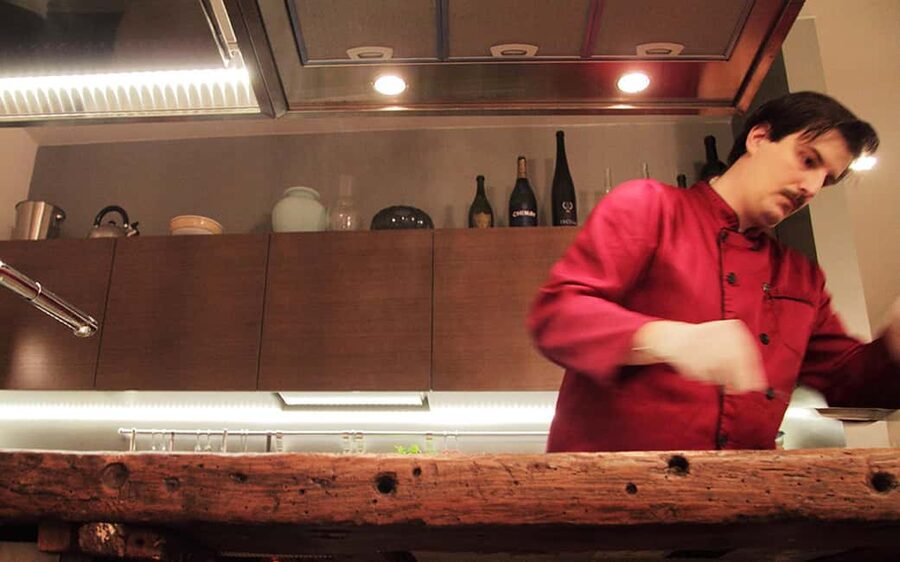
I especially like that Federico (Federico Bonaconza) runs it in a relaxed, practical way, in English, and a small group keeps the pace friendly. You get real feedback as you work, so the steps stay understandable instead of turning into a frantic cooking show.
Plan on committing for the full 3 hours, because the payoff is eating what you made. Come in casual clothes, and leave with a recipe copy so you can recreate the basics back home.
Key highlights at a glance
- Hands-on ravioli and tagliatelle in a home kitchen setting in Milan
- Federico Bonaconza teaches in English, with step-by-step guidance
- Egg or no-egg pasta dough practice plus tips for making pasta more eye-catching
- Stuffed pasta technique, including how to match fillings with sauces
- Spritz for adults and homemade desserts like tiramisu at the end
- Two homemade pastas included, plus recipes you can take home
Entering Federico’s Milan Kitchen, Not a Demo Room
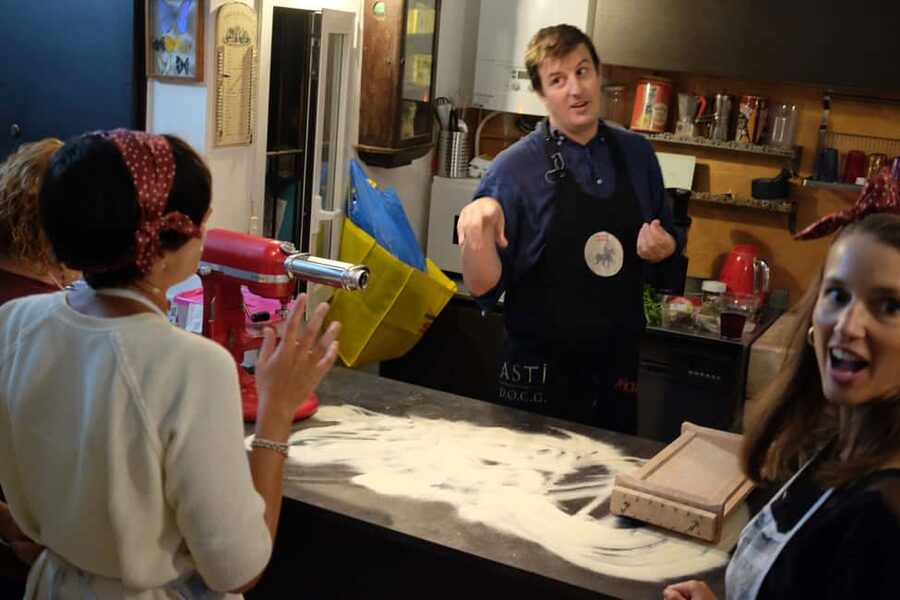
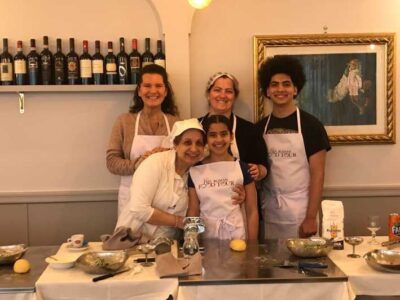
This workshop happens in a central home in Milan, in a comfortable, safe space that feels more like visiting a good friend than sitting in a studio. That matters, because pasta making is a physical skill, and you want room to knead dough, roll it out, and practice without feeling rushed.
Getting there is straightforward. You can use the Lilac metro to Fermata Gerusalemme, then walk a short distance. If you prefer street-level options, Tram 12 and 14 stop at Fermata Cenisio, and Tram 10 stops at Fermata Procaccini/Lomazzo. There is also the Passante at Fermata Domodossola, which can be handy depending on where you’re staying.
The class itself is informal, so you do not need to dress up. I’d still wear something you can tolerate around flour. Cooking in a home means the mess is part of the deal.
A few more Milan tours and experiences worth a look


The First Pour: Spritz Welcome and a Friendly Start
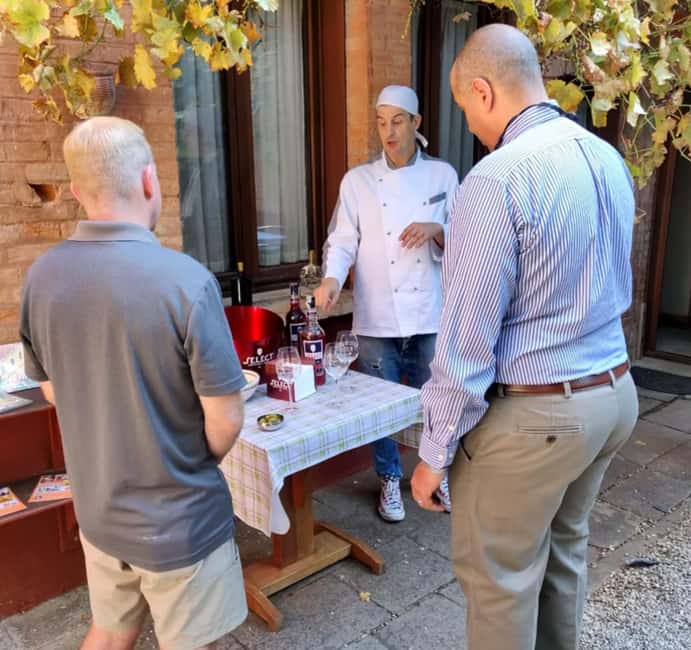
Classes like this go wrong when the vibe is stiff. Here, it starts with a welcome drink for adults, spritz, plus water and coffee. That simple set-up helps you relax fast, and it’s practical too, because you will be standing and working for the next few hours.
Federico’s hosting style is built around making the workflow easy to follow. From the moment you arrive, you’re guided through what you’ll do, not just what you’ll eat later. And because the group is limited to 10 participants, it’s easier for the instructor to spot when your dough needs a little more kneading or rest.
If you are traveling with someone, this is also a nice shared activity. It’s a social meal, not a solitary class where you feel separated from the group.
Making Homemade Ravioli: Where Italy Gets Real
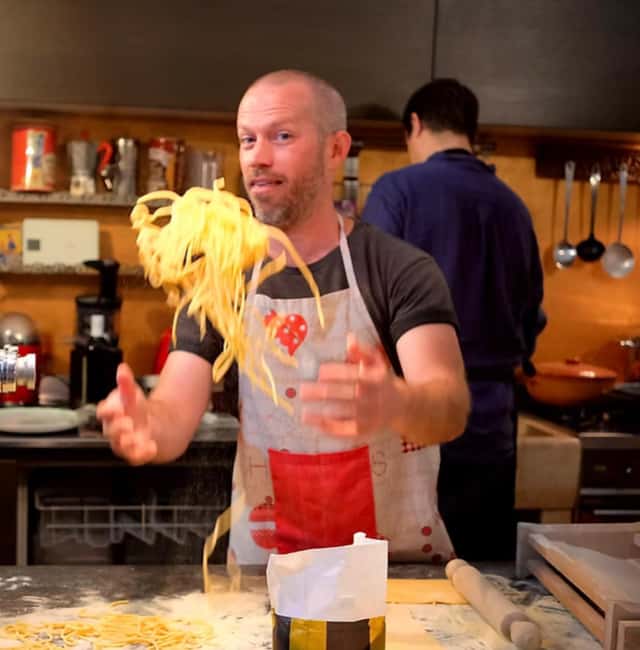
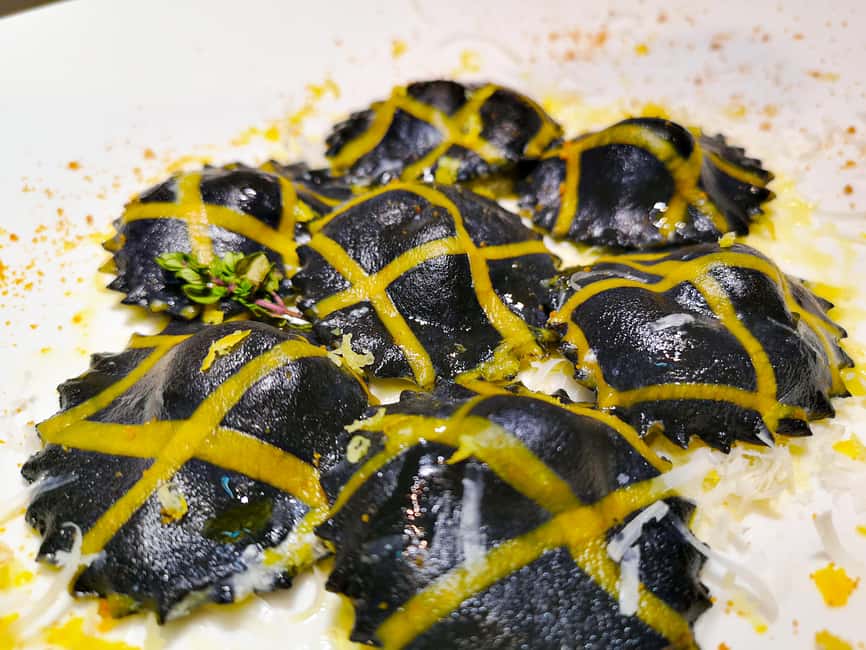
The heart of the experience is traditional homemade pasta, with ravioli as a key focus. You’ll learn the process from dough to finished stuffed pasta, which is exactly where most home cooks struggle.
You start with kneading the dough and learning how it should feel, not just how long to work it. That touch-based guidance is one of the biggest reasons a hands-on class is worth paying for. Dry pasta is forgiving. Fresh pasta has personality, and you need a sense for texture.
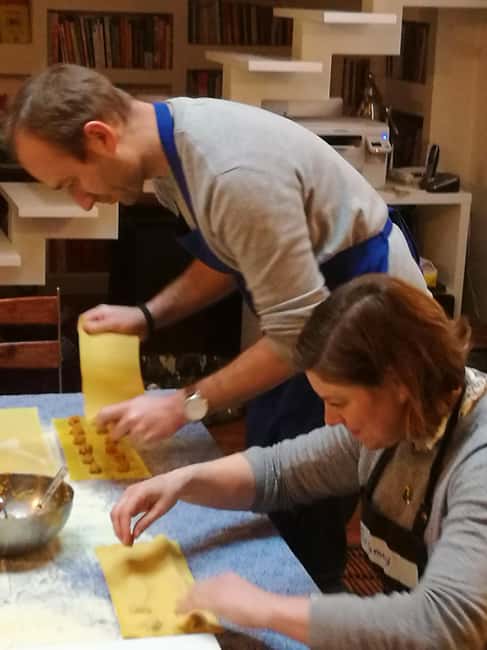
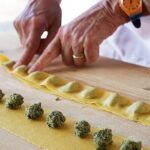
Then comes the fun part, crafting ravioli. You’ll shape the pasta and handle the filling, which means you learn why technique matters. Ravioli is not only about folding and sealing. It’s about portioning so every bite cooks evenly, and getting the closure right so the filling stays put.
One practical advantage: you are not just learning a recipe. You’re learning the logic. If your dough tears or your filling leaks, Federico can point you toward adjustments so you understand what went wrong.
Beyond Ravioli: Your Second Pasta, Tagliatelle Included
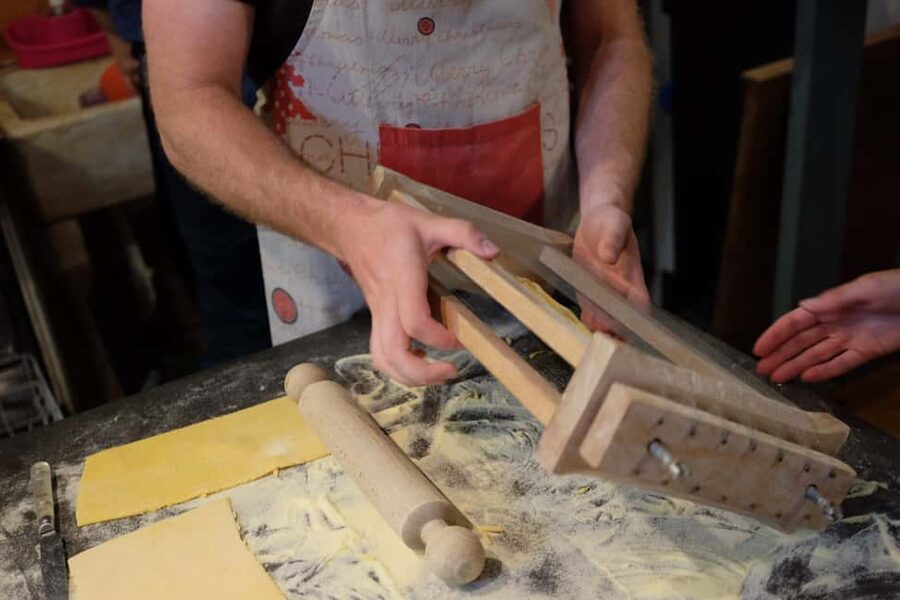
The workshop includes two homemade pastas, and one of them is tagliatelle. While ravioli teaches stuffing and sealing, tagliatelle teaches rolling, cutting, and how to get a consistent thickness.
That balance is great for value. If you only learned ravioli, you’d walk away with one technique. If you only learned flat pasta, you’d miss the stuffed pasta skill. Two pastas means you practice two different skill sets.
It also helps that the class covers options for pasta dough, including experimenting with pasta with or without eggs. That is useful for real life, because not everyone wants eggs in their dough every time. Even if you keep using eggs, knowing the alternative makes you a more flexible cook.
And yes, you can work with pasta colors too. The course includes creating eye-catching colors, which is a confidence booster for families and groups. It also helps you see how ingredients affect dough handling.
Stuffed Pasta Logic: Pairings and Sauce Matching
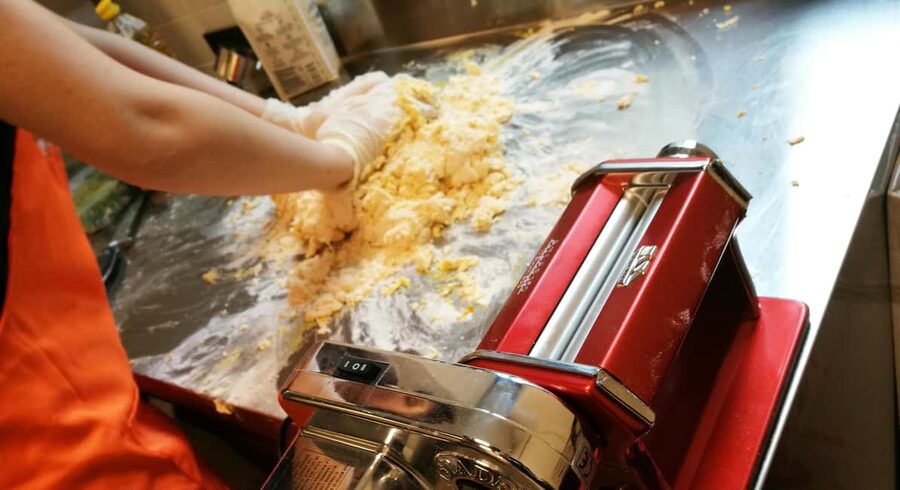
Stuffed pasta is where Italian technique gets clever. The class doesn’t just say, use filling X and sauce Y, it focuses on the idea of pairing.
You practice the art of matching fillings with sauces, like an Italian cook would. That’s valuable because it builds a framework you can use after the class. Once you understand the logic, you can swap fillings and sauces in your own kitchen instead of hunting for one perfect recipe every time.
If you love food variety, you’ll appreciate the way the class frames pasta as a system. Dough is only one piece. The filling and sauce decide the personality.



The Feast: Eating What You Made, Plus Tiramisu
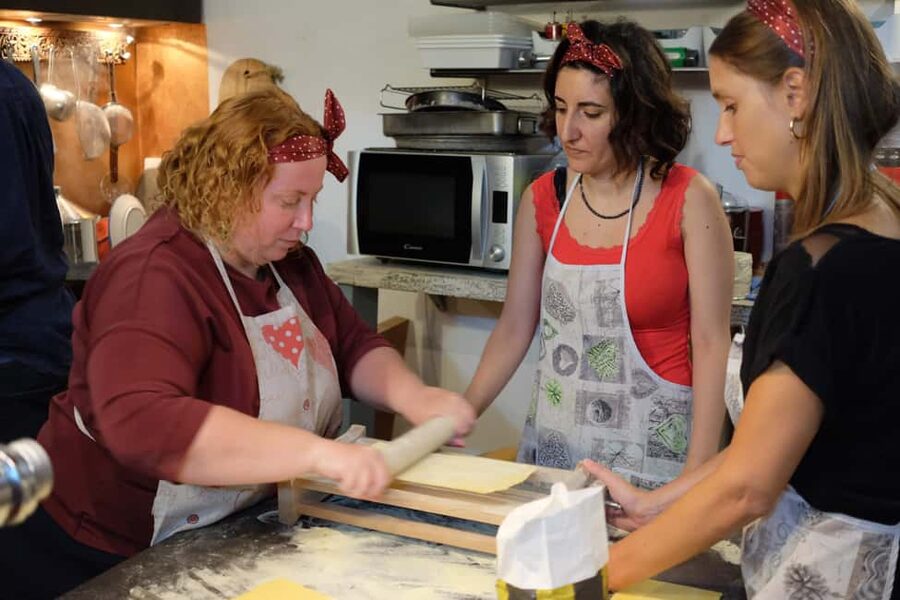
After you’ve created your pasta, you get to savor the fruits of your labor. The class includes a feast, so you are not left standing around wondering when the meal happens. It’s part of the point, because eating your own pasta reveals what worked.
You’ll also have water and coffee during the experience. And for dessert, you get homemade treats such as tiramisu. That’s not just a sweet finish. It makes the whole session feel like an actual Italian lunch or dinner, not a rushed cooking lesson.
One of the small things I love about this setup is timing. When classes have a long lecture and short hands-on time, the meal can feel like an afterthought. Here, you make the pasta first, then eat it, so the food moment lands.
What the Recipes Look Like in Real Life (And Why You’ll Use Them)
You take home a copy of the recipes. That sounds basic, but it matters because pasta-making instructions need to be written down clearly. Dough and shape guidance are hard to remember later, especially when you are recreating steps without the instructor beside you.
Having the recipes lets you repeat the class without guessing. And because the workshop includes two pastas, you’re not going home with one result. You’ll have enough material to cook more than once.
This is also where the small-group format pays off. When you learn the why behind texture and sealing, the recipes become tools you can trust. Without that, many recipe handouts turn into polite wall art.
Who This Class Suits Best in Milan
This workshop fits best if you want a hands-on Milan food experience that goes beyond eating. It’s a good choice for couples who want a shared project, for friends who like making a meal together, and for families because it creates a way to bond while cooking.
It’s also ideal if you’re the type of traveler who likes learning a skill you can repeat. A pasta class is not just entertainment. It’s practical.
If you’re traveling solo, you’ll still get attention, since the group is limited to 10. Solo travelers often appreciate classes like this because they build an instant connection around a shared activity.
The only group I’d hesitate for is people who truly do not want to get their hands dirty. The class is casual, but it is active. You are making pasta, not watching someone else do it.
Value Check: Is $105 Fair for a 3-Hour Milan Meal?
At $105 per person for a 3-hour session, you’re paying for more than ingredients. You’re paying for chef instruction, hands-on guidance, and the fact that you take home recipes.
You also get a full food experience built into the price: spritz for adults, water and coffee, two homemade pastas, and homemade dessert like tiramisu. That’s why the value feels strong. The workshop turns into lunch or dinner that you helped create.
If you tried to replicate this at home, you would still spend on ingredients, and you’d miss the practical feedback on dough texture and sealing. That’s the real cost you’re covering.
In plain terms: if you want a meal you can actively learn from, this price makes sense. If you only want to eat, you can probably find cheaper pasta in Milan, but you would lose the skill-building portion.
Small Practical Tips Before You Go
Wear comfortable clothes you can get flour on, and if you have long hair, tie it back. Pasta dough can be sticky at first, and you will handle it with your hands.
Bring an appetite. The class includes a feast and dessert, so you do not need to eat a full meal beforehand.
If you have dietary restrictions, communicate them at booking. The class asks you to share dietary needs, so it’s on you to flag anything in advance.
And since it’s in a home kitchen, expect a relaxed environment. That’s part of the charm, but it also means you’ll want to be flexible about the pace.
Should You Book This Milan Pasta Workshop?
I think you should book it if you want an authentic, hands-on Milan food experience that turns into a real meal. The combination of ravioli skills, tagliatelle practice, and stuffed pasta pairing guidance is a smart way to learn more than one technique.
You should consider skipping it if you hate cooking or want a purely passive activity. This class is active for the full 3 hours, and the best parts happen while you’re kneading and shaping.
If you’re craving something more personal than another restaurant meal, this is one of those experiences that gives you both memories and repeatable know-how.
FAQ
Where is the meeting point?
The meeting point is listed as buzz: Federico Bonaconza – Guido D’Angeli.
How long is the workshop?
The duration is 3 hours.
What will I make during the class?
You will make traditional homemade pasta, including ravioli, and a second homemade pasta (tagliatelle is mentioned). Two homemade pastas are included.
What drinks and dessert are included?
Adults receive a welcome spritz. The class also includes water and coffee, plus homemade desserts such as tiramisu.
What language is the class taught in?
The host or greeter provides the workshop in English.
Is it a small group?
Yes. It is limited to 10 participants.
Can the class accommodate dietary restrictions?
You should communicate any dietary restriction at the time of booking.
Do I get recipes to take home?
Yes. You receive a copy of the recipes.
How can I get there using public transport?
You can use the Lilac metro to Fermata Gerusalemme, Tram 12 and 14 to Fermata Cenisio, Tram 10 to Fermata Procaccini/Lomazzo, or the Passante to Fermata Domodossola.
Is free cancellation available?
Yes, you can cancel up to 24 hours in advance for a full refund.
More Workshops & Classes in Milan
More Tour Reviews in Milan


Not for you? Here's more nearby things to do in Milan we have reviewed









Milan Cooking Classes, compared.
 ★ 4.8Pasta and Tiramisu Cooking Class with WineFrom $611,106 reviews
 ★ 5.0Pasta and Tiramisu Small Group Cooking Class with WineFrom $83660 reviews
 ★ 5.0Milan Cooking Class: Authentic Pizza & Gelato MakingFrom $78582 reviews
 ★ 4.9Pasta, Ravioli, and Gelato Class in a Glamorous HomeFrom $88268 reviews
 ★ 5.0Pasta & Tiramisu Cooking Class with Premium ProductsFrom $80255 reviews
 ★ 4.9Pasta and Tiramisu Class at a Local’s HomeFrom $146129 reviews
 ★ 5.0Pasta, Tiramisu, Cooking Class! Learning Premium Products!From $102114 reviews
 ★ 5.0Pasta, Gnocchi and Tiramisù Cooking Class with WineFrom $9637 reviews
Browse the lists this tour appears in