
Review · MILAN COOKING CLASSES
Milan: Pasta, Tiramisu, Cooking Class! Learning Premium Products!
Pasta class in Milan, at a real home. I love the small-group vibe (capped at six per group, with an overall max of eight) and I love the hands-on pasta focus that shows you how to build dough, sauces, and dessert from premium ingredients. One thing to plan for: the session can run longer than the listed time, so give yourself some transport breathing room.
This is an English-language class in Milan where you can choose a lunch or early dinner slot when you book. You meet at Via Giuseppe Ripamonti, 7/a, and the experience ends back there, so you are not hunting down your way home. Expect a cozy, informal apartment setting with an upbeat chef, plus wine and a family-style meal at the end.
Key highlights at a glance
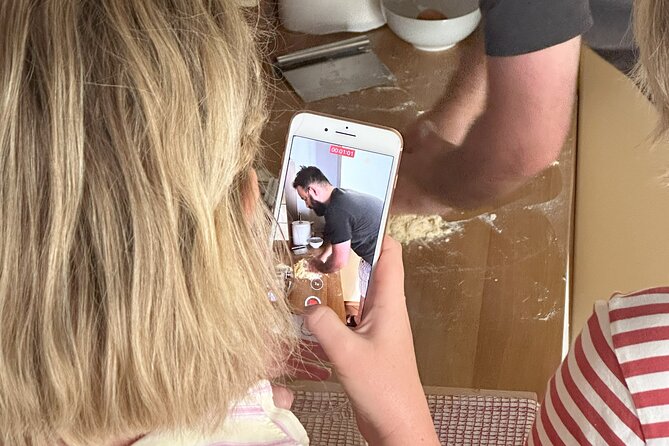
- Chef Rafael runs the show with food, culture, and lots of hands-on instruction
- Start with tastings of single-origin olive oil, aged balsamic vinegar, and artisan bread
- Make fresh pasta from scratch using eggs, flour, and a traditional pasta machine
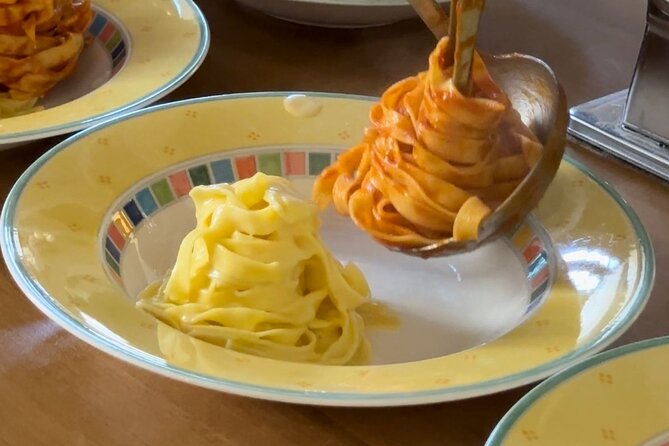
- Cook two iconic dishes: classic tomato sauce (Pomodoro) and creamy Parmigiano Reggiano sauce (Alfredo-style)
- Finish with tiramisu and a bottle of Italian wine
- Small-group table time with family-style dinner and stories from Italian restaurant life
At Chef Rafael’s place: cozy, personal, and actually hands-on
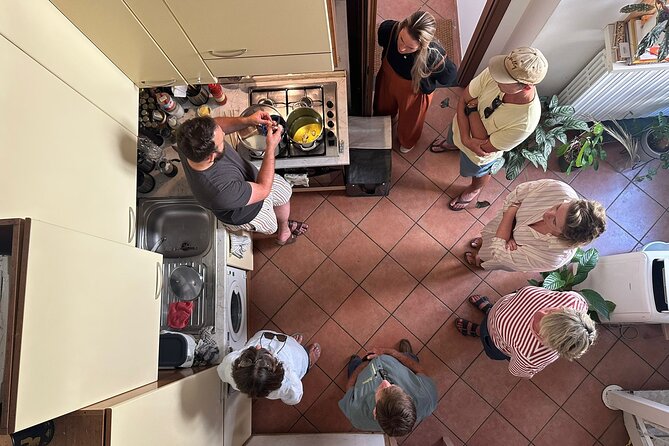
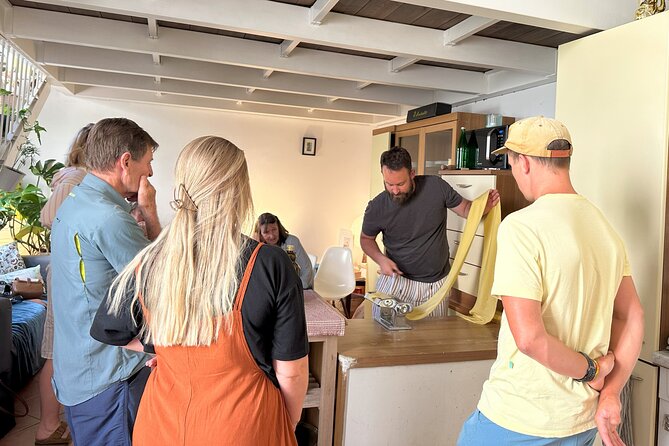
This class feels like dinner at a friend’s place who happens to teach Italian cooking for a living. You are not stuck in a lecture. You are at the work surface, you are making the components, and you are tasting as you go. The vibe matters here. A small group makes it easier to ask questions, get feedback, and learn technique rather than copying steps without understanding.
Chef Rafael is a big part of why this works. From what you can expect, his style is friendly, talkative, and grounded in real preferences about ingredients and flavor. He also mixes cooking with Italian food culture and history, and a few stories about restaurant life in Italy. That combination is what makes the class more memorable than a typical tour meal.
One consideration: the tone can be playful and unfiltered. One guest noted colorful language and joking, which sounds like it adds energy for some people and might not for others. If you prefer very formal instructions, you might want to mentally prepare for a more casual, personality-driven approach.
You can also read our reviews of more cooking classes in Milan

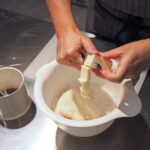
The ingredient tasting that teaches you how to choose well
Before you touch dough, you start with a tasting session built around Italian staples you can actually buy back home. You will taste single-origin DOP olive oil and premium balsamic vinegar, paired with artisan bread. You also learn how to choose the “right” ingredient, not just which dish to make.
Why this matters: pasta night is easy to mess up with the wrong basics. A generic olive oil or a flat balsamic can drag down otherwise solid technique. This class tries to fix that at the source, with specific, high-quality products and a clear explanation of why they taste the way they do.
The quality details you will hear are specific. The class uses 12-year aged balsamic vinegar and features 24-month-aged Parmigiano Reggiano. You will also get the chance to understand labels and what to look for, especially around oil and vinegar. If you have ever bought a fancy bottle and still felt unsure how to use it, this tasting segment is a strong reset.
Handmade pasta: eggs, flour, and a real pasta machine
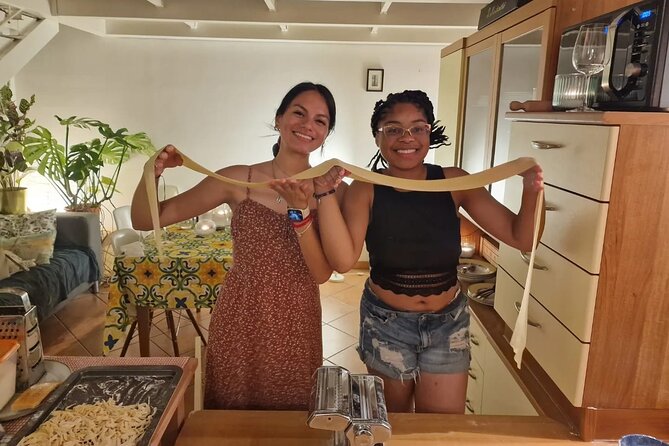
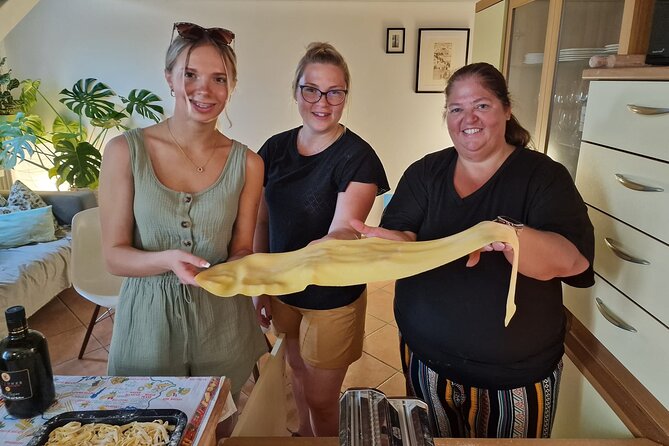
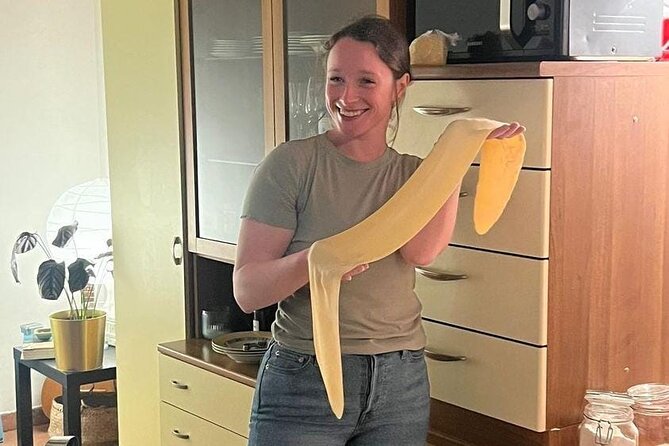
Then you move into the main skill: handmade pasta from scratch. The class is built around the classic approach of pasta dough made with eggs and flour, rolled and shaped using a traditional pasta machine. You are not just watching someone else do it.
What you are learning here is the practical backbone of Italian cooking. Fresh pasta is very sensitive to dough consistency, and technique matters more than fancy ingredients. You get the kind of guidance that helps you understand what the dough should look and feel like as you work it.
And because it is a small group, you are more likely to get hands-on help at the moments that usually trip people up: getting the dough to the right texture, rolling without tearing, and handling the pasta once it is cut and ready. Several guests specifically called out that everyone participated, not that they were hovering like spectators.
This is also where you should pay attention to timing and pacing. If you lose focus during the dough stage, it is harder to recover later. Quick tip if you book: arrive with energy, and expect to get flour on your hands.
Two sauce styles that translate directly to your kitchen
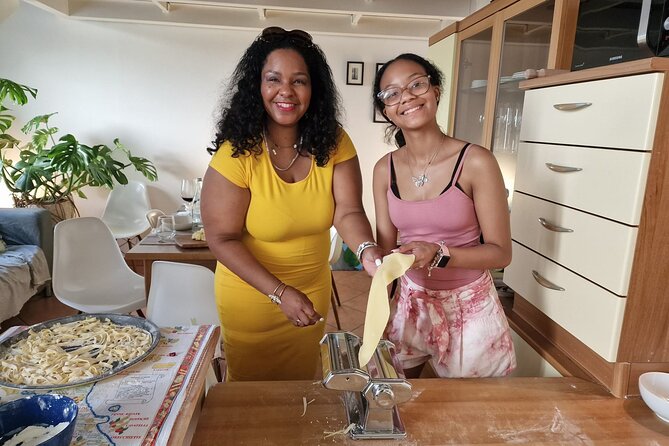
After pasta dough, the class shifts into sauce, and this part is a gift because you walk away with repeatable options. The menu focuses on two iconic directions:
Classic tomato sauce, built from simplicity
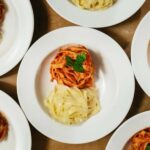
You will make fettuccine with classic tomato sauce, described as a Pomodoro-style approach built on only a few ingredients. The lesson is that with simple ingredients, technique is the difference between decent and excellent.
If you like cooking but hate complicated recipes, this is the sauce track that suits you. The class frames it like: when the ingredient list is short, quality and handling matter more than shortcuts. You learn how to respect that idea while cooking.
A few more Milan tours and experiences worth a look



Creamy Parmigiano Reggiano sauce, Alfredo-style
Then you make fettuccine Alfredo, centered on some very specific quality points. The class uses 24-month aged Parmigiano Reggiano, paired with premium butter. The focus is on creating a creamy, flavor-forward sauce that tastes like Italy, not like a jar.
Why aged Parmigiano matters here: the longer aging typically makes the cheese taste sharper and more savory, so you get deeper flavor even if you do not need heavy extras. The class uses that quality advantage to teach you the sauce logic, not just the final outcome.
You will likely see the big payoff at the table. One of the most praised elements of this experience is that the food tastes exceptional because the ingredients are exceptional. This sauce section is where you feel that right away.
Tiramisu with technique, plus wine that matches the vibe
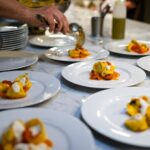
Dessert is not an afterthought. You will make traditional tiramisu, walking through the story and the techniques behind the classic version. This is a useful change from the usual cooking class where dessert is more like assembly. Here, the process is explained so you understand what you are doing.
Tiramisu also benefits from the ingredient lesson you started earlier. Your coffee flavor, the balance of sweetness, and how the layers behave all depend on technique. When the class uses premium ingredients, it also makes it easier to learn by tasting the difference.
And yes, there is wine. You will be paired with a bottle of Italian wine during the experience. That matters for the overall pacing, too. It turns the class into a meal evening, not a timed workshop where you are rushing to the finish line.
One more detail that stands out from the feedback: people kept praising the tiramisu specifically. If dessert is your weak spot at home, this is a great target dish.
Family-style dinner and the restaurant-kitchen stories you remember
Once the cooking is done, you eat. The experience ends with a family-style dinner where you share what you made. That matters because you stop thinking like a student and start thinking like a host at your own table.
The class also includes warm, personal stories about life in Italy’s restaurant kitchens. This is not just entertainment. It adds context to what you cooked and why Italian kitchens obsess over ingredients, timing, and consistency.
If you are traveling with friends or family, this is where the class turns into an experience you talk about after the trip. Several guests described it as feeling like meeting friends, laughing, toasting Italy, and enjoying a cozy, social atmosphere with the people in the group.
Food, culture, and the small-group size that actually helps you learn
This is one of those tours where group size is not a minor detail. It directly affects learning. The class is capped at a very small number, described as six per group, with an overall max of eight travelers. In practical terms, that means more attention at the stove and less waiting around.
It also helps that the class is in English. You do not have to puzzle through instructions while your dough dries out. You can ask, clarify, and understand what you are doing.
Another practical plus: the experience is listed as near public transportation, and the meeting point is clear, so you are not stressing about first getting oriented in Milan. You also get a mobile ticket, and you should receive confirmation at booking.
Price and what $102.80 buys you in real value
At $102.80 per person, this class sits in the “premium experience” zone. The key question is whether you get enough to justify it, and here you do.
You are paying for:
- A chef-led, hands-on cooking format at a private home setting
- Instruction on multiple skill areas, not just one dish
- Tasting sessions featuring premium olive oil and aged balsamic
- The ingredients for fresh pasta, two sauces, and tiramisu
- A bottle of Italian wine, plus the sit-down meal at the end
If you love food and you plan to recreate these dishes at home, the value is stronger than it looks. Pasta, sauces, and tiramisu are not just recipes, they are ingredient-driven techniques. The class helps you understand what makes the ingredients worth using.
One more value point: you are not doing this alone. The small group and the table time are part of the package, so you come away with both skills and a shared memory.
Who should book this cooking class, and who might want to think twice
This fits best if you want:
- A practical cooking lesson that teaches you technique
- A structured but social evening with wine and a family-style meal
- Real Italian basics: olive oil, balsamic vinegar, Parmigiano Reggiano, and classic pasta sauces
- A small-group experience that is easy to participate in
It might be less ideal if you:
- Need a strictly quiet, highly formal setting
- Have a very tight schedule and cannot handle the chance the experience could run long
- Prefer a tour where every person only samples, not participates (this one is hands-on)
Also, if you are traveling with kids, the class is described as kid friendly, with at least one guest mentioning their child being involved in the process. Just remember it is a cooking environment, so comfort and focus matter.
Should you book this Milan pasta, tiramisu, and cooking class?
If you want one memorable “food day” in Milan that turns into real skills, I would book this. The class focuses on the stuff that makes Italian cooking taste Italian: high-quality olive oil and aged balsamic, fresh pasta technique, and sauces built around Parmigiano Reggiano and classic tomato logic. Add tiramisu and wine, then finish with a shared family-style table, and you get an experience that feels like more than a meal.
My only real caution is schedule realism. Plan for a possible longer-than-expected end time, and you will be glad you did. If you show up hungry, curious, and ready to get involved, this is the kind of Milan moment you will want to repeat at home.
FAQ
What dishes will I learn to make?
You will make handmade pasta from scratch, then cook two classic dishes, a classic tomato sauce (Pomodoro-style) and a creamy Parmigiano Reggiano sauce (Alfredo-style). For dessert, you will learn how to make traditional tiramisu.
Do I get to taste ingredients before cooking?
Yes. The class includes a tasting of single-origin olive oil and premium balsamic vinegars, paired with artisan bread, before you start cooking.
Is the class lunch or dinner?
When you book, you can choose between a lunch class or an early dinner class.
How long is the experience?
It runs about 3 hours 30 minutes.
How many people are in each class?
It is a small-group class. It is capped at just six per group, and the overall maximum is listed as 8 travelers.
What language is the class taught in?
The class is offered in English.
Is there wine and dessert?
Yes. You will have wine included during the experience, and dessert is tiramisu that you help prepare.
What is the cancellation policy?
You can cancel for a full refund up to 24 hours before the experience starts. If you cancel within 24 hours of the start time, the amount paid is not refunded.
More Workshops & Classes in Milan
More Cooking Classes in Milan
More Tour Reviews in Milan






Not for you? Here's more nearby things to do in Milan we have reviewed











Milan Cooking Classes, compared.
 ★ 4.8Pasta and Tiramisu Cooking Class with WineFrom $611,106 reviews
 ★ 5.0Pasta and Tiramisu Small Group Cooking Class with WineFrom $83660 reviews
 ★ 5.0Milan Cooking Class: Authentic Pizza & Gelato MakingFrom $78582 reviews
 ★ 4.9Pasta, Ravioli, and Gelato Class in a Glamorous HomeFrom $88268 reviews
 ★ 5.0Pasta & Tiramisu Cooking Class with Premium ProductsFrom $80255 reviews
 ★ 4.9Pasta and Tiramisu Class at a Local’s HomeFrom $146129 reviews
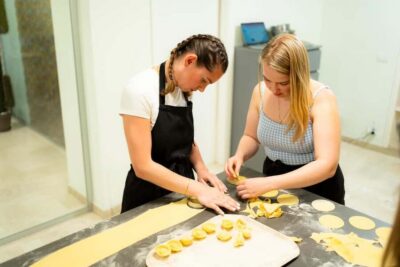 ★ 5.0Pasta, Gnocchi and Tiramisù Cooking Class with WineFrom $9637 reviews
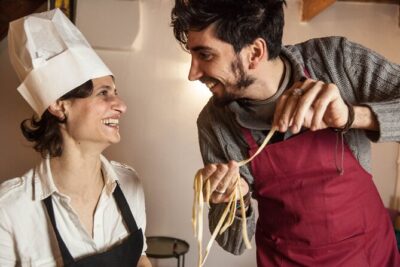 ★ 5.0Fresh Homemade Pasta and Tiramisu Cooking Class in MilanFrom $8417 reviews
Browse the lists this tour appears in