
Review · MILAN COOKING CLASSES
Milan: Pasta and Tiramisu Class at a Local’s Home
Fresh pasta starts with one good roll. This Milan class is a hands-on, at-home evening where you learn sfoglia by hand and finish with classic tiramisu in a real local kitchen. You start with an Italian aperitivo, cook alongside a certified home cook, then eat what you make with wine.
I love that you’re not just tasting, you’re making fresh pasta and tirimisu from scratch. I also like the human side, since hosts such as Silvia and Antonio, Sandra, Merina, Debora, Enrico, Santa, and Sissi create a warm home atmosphere that makes it easy to chat and relax.
One drawback to plan for: the exact meeting place is a residential address, shared after booking for privacy, so you’ll want to give yourself enough time to find it.
Key things that make this class worth your time
- Aperitivo before cooking, so you settle in like you were invited, not processed.
- Hand-rolled sfoglia technique, not just shaping pasta with a machine.
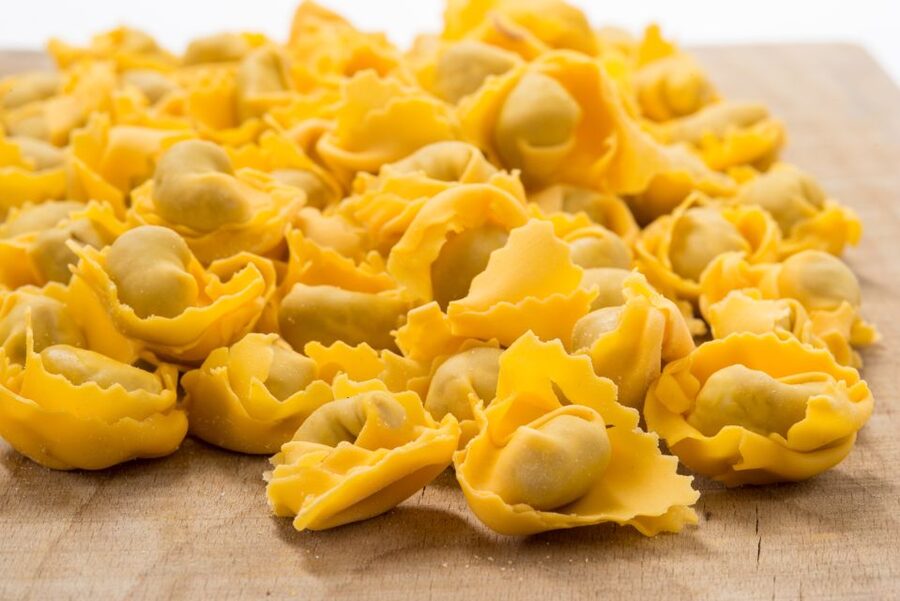
- Two different pasta recipes plus tiramisu, so you leave with a real menu, not a single dish.
- Home-cook instruction in Italian and English, led by certified hosts.
- Wine and coffee included, plus Prosecco and nibbles to start the meal.
- Flexible timing and dietary options, with classes typically beginning at 10 am or 5 pm.
Private Milan cooking at a local home, not a demo
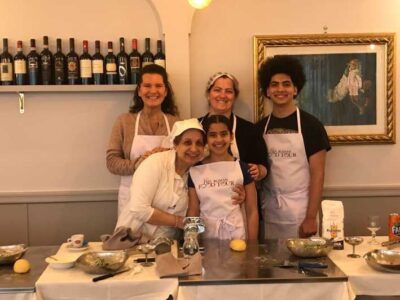
This is the kind of food experience that feels grounded in everyday life. You meet at your host’s home, not a storefront cooking studio, and that changes the whole vibe. You’re in a lived-in kitchen, with ingredients that feel like they belong there.
The class is taught by a certified home cook who uses family-style methods and local recipe logic. In past sessions, hosts with names like Sandra, Merina, Debora, and Enrico are known for turning technique into something you can actually do with your hands, not just admire from a distance. And because it’s private, you’re more likely to get the kind of guidance that corrects your specific mistakes.
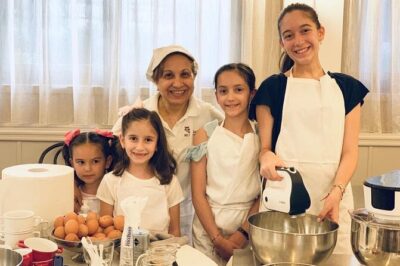
That home setting also helps with comfort. Several hosts are praised for making people feel at ease, including families with kids. If you’re worried that cooking classes are stiff or intimidating, this format tends to be more friendly and social.
A few more Milan tours and experiences worth a look


Aperitivo to set the mood with Prosecco and nibbles
You don’t start with flour. You start with an aperitivo, plus Prosecco and nibbles. It’s a small detail, but it matters, because it gives you a runway to meet your host, understand the plan, and settle in before you get busy.
Then beverages keep moving through the experience. The class includes water, wines, and coffee, so you’re not constantly thinking about ordering something. For many people, that’s a big part of value in Milan, where it’s easy to end up paying a lot just to keep food and drinks flowing during an evening out.
The other nice part: the aperitivo moment is where conversation starts. Even if you’re traveling solo, you’re likely sharing the table energy with other participants. If you’re with a partner or family, it’s a relaxed way to bring everyone together before the cooking gets hands-on.
Rolling sfoglia by hand, then making two fresh pastas
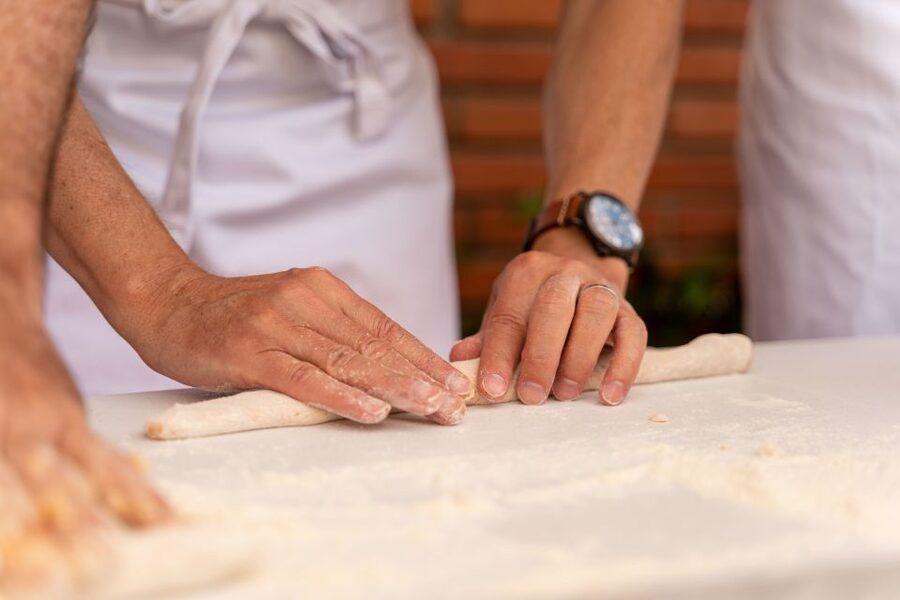
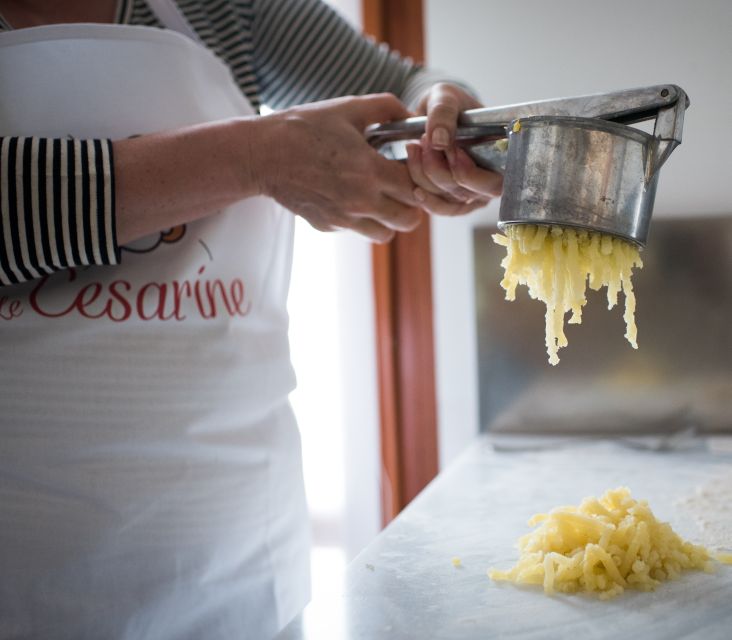
The main work starts after you settle in. You learn how to roll sfoglia (fresh pasta dough) by hand. That’s the core skill behind a lot of Northern Italian pasta traditions, and it’s also where you’ll feel the difference between packaged dough and the real thing.
Here’s what you’ll do, step by step, in a way that fits a 3-hour lesson:
- You learn how to work the dough into a usable sheet, with your host guiding texture and thickness.
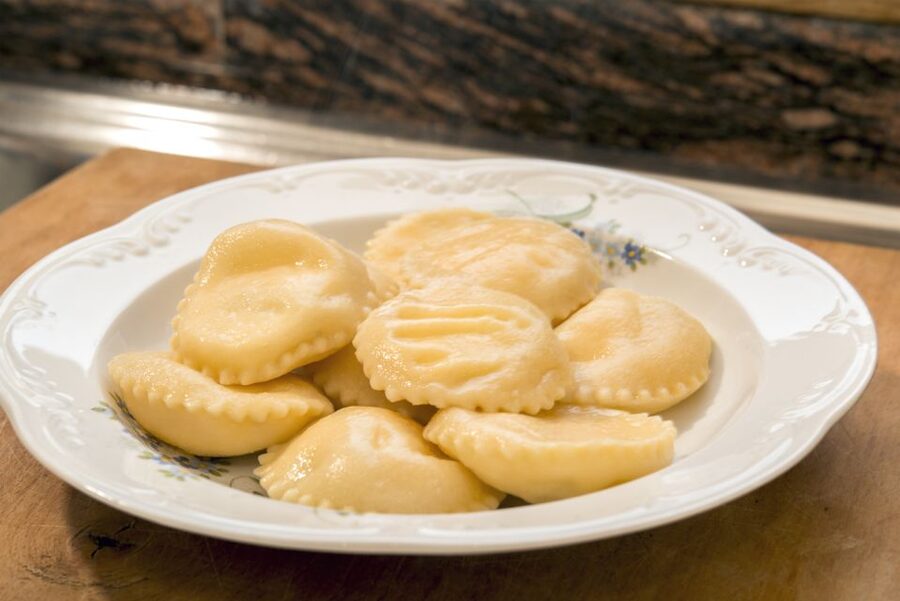
- You prepare two simple kinds of pasta from scratch.
- You get technique tips that help you handle dough without panicking.
The biggest takeaway, if you’re paying attention, is how consistency drives everything. Too thick, and the pasta feels heavy. Too thin, and it can tear or cook unevenly. A good host will help you find that sweet spot in real time, not after the fact.
In past classes, some hosts also come with a little structure already prepared, such as sauces or fillings partly done, so the session stays focused on what you’re meant to learn. You’ll still do the hands-on work, but you’re less likely to spend the entire class waiting for something to finish.
Tiramisu basics you can repeat at home
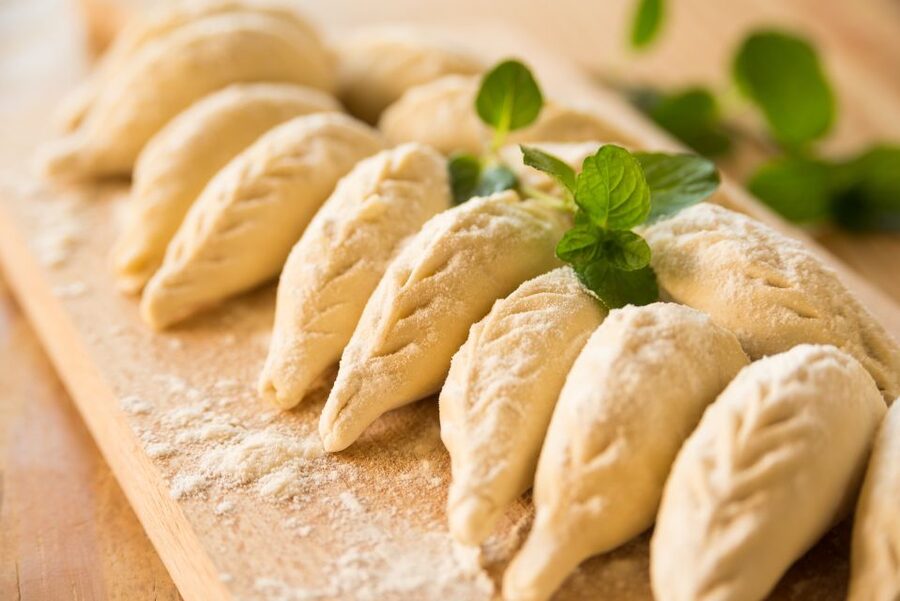
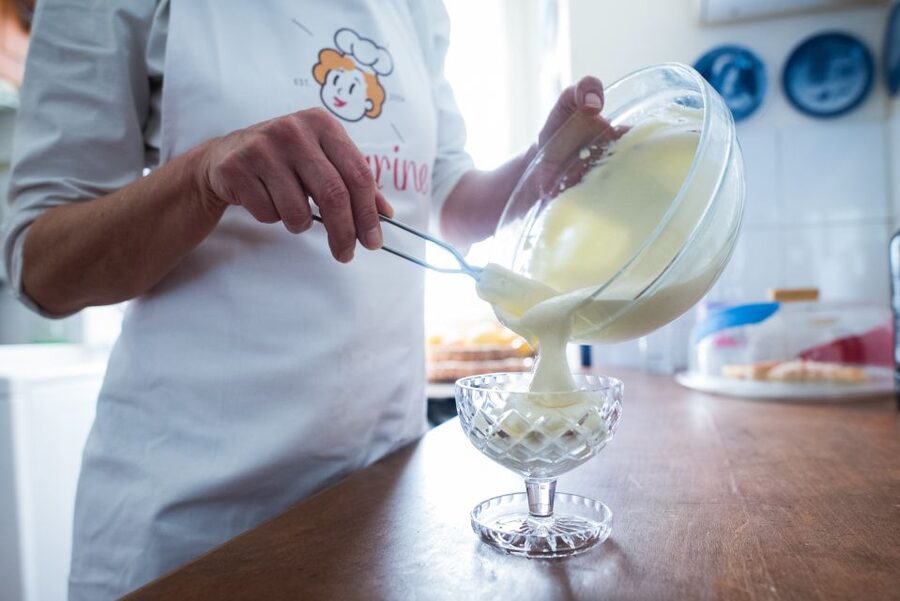
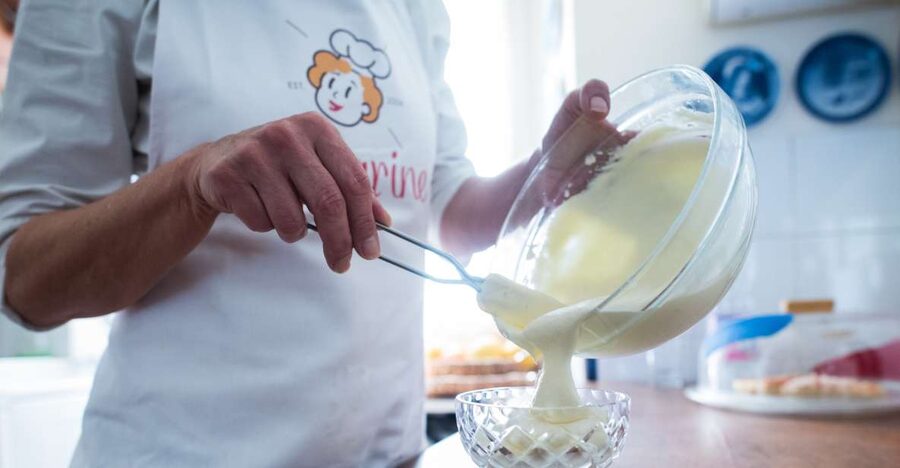
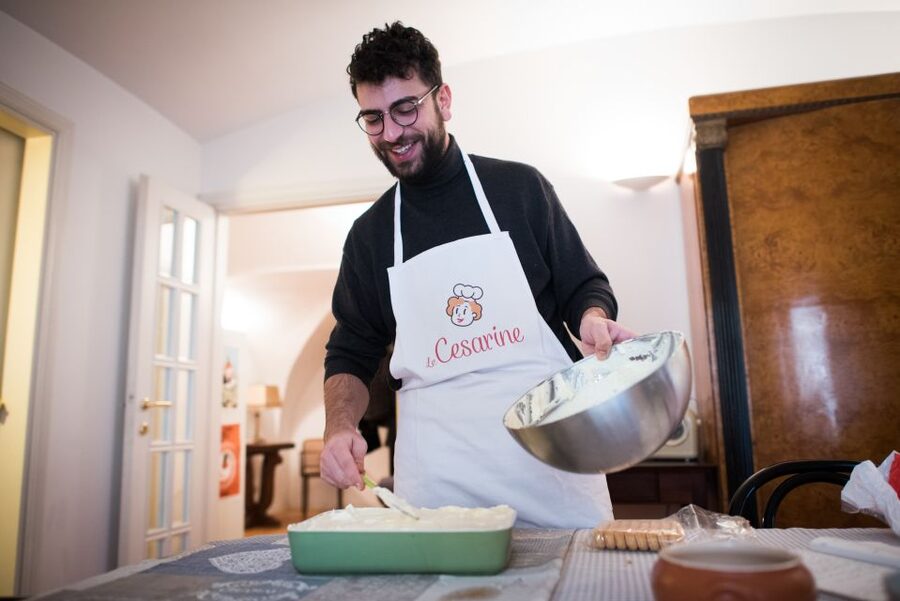
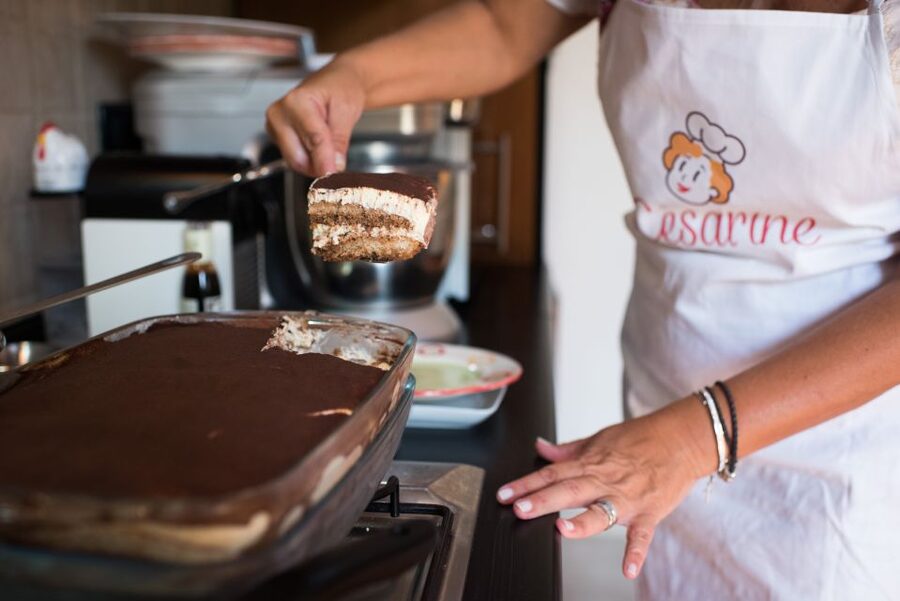
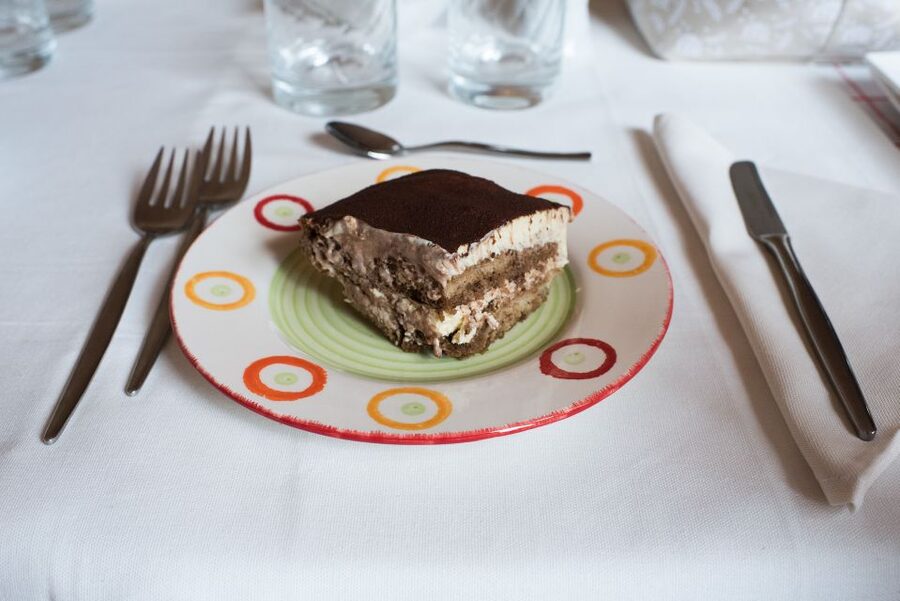
Then dessert. You make the iconic tiramisu, and you learn how it comes together in layers and timing. Tiramisu is one of those dishes where people think they know it, then realize their results depend on details like texture, soaking, and how you build layers.
Because it’s part of the same 3-hour flow, the tiramisu lesson is practical. You’re not just learning the idea of it, you’re putting it together with your host guiding you so you can repeat it later. Many hosts also provide recipe materials, and some have emailed recipes after the class. If that happens with your host, it’s a helpful way to lock in the steps after you’re back home.
One more point: tiramisu is often the dish that makes people want to sign up again for another cooking class. Even if you consider yourself a beginner, you can usually get a satisfying result because the assembly is straightforward once you understand the rhythm.
What you eat during lunch or dinner, and why it feels different
This class is designed so you cook and then eat what you make. That matters in Milan, where a lot of tours involve tasting small portions and then rushing off to the next stop. Here, you sit down to a meal that follows your work.
You’ll taste:
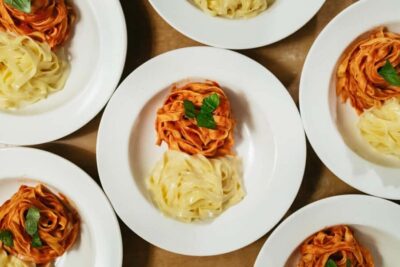
- Two pasta recipes
- Tiramisu (dessert)
- Plus everything that comes with the setting, including aperitivo items, wines, coffee, and water
The pacing is built for real enjoyment, not a rushed checklist. In a home kitchen, there’s always a little variability, but the structure tends to keep you on track. By the time you’re done, you’re not just leaving with recipes, you’re leaving with a full stomach and a clear sense of how each dish should taste when it’s made well.
Also, your host’s choices can make the food feel personal. Some hosts have used ingredients connected to their own family roots, adding an extra layer of meaning beyond the dish names alone. If you’re the kind of traveler who likes to eat stories, that helps.





Price and value in Milan: what you’re really paying for
At $146.14 per person, this isn’t a budget activity. But in Milan terms, it’s not just paying for food. It’s paying for access to a home kitchen, a hands-on teaching experience, and the included drinks that turn the class into an actual meal.
Your money covers more than ingredients:
- Instruction from an Italian and English-speaking home cook
- A private format at the host’s home
- Two pasta recipes plus tiramisu tasting, so you get multiple wins
- Beverages including wines, plus Prosecco and nibbles
- Coffee at the end
If you compare it to doing an upscale dinner where you pay separately for multiple courses and drinks, this starts to look more reasonable. You’re essentially buying a menu plus the lesson that explains how to recreate it. For many people, that’s the difference between eating one great meal and gaining skills you’ll use again.
One practical way to judge value: ask yourself if you want technique or just ambiance. If you want both, this class tends to deliver.
Who should book this class, and who might want to skip
This class fits best if you want to cook, not watch.
You’ll likely love it if:
- You enjoy hands-on activities and want to learn how pasta dough behaves
- You’re traveling as a couple, a family, or a small group and want one shared, stress-free evening
- You want a break from museum time, but still want something grounded in local life
- You like conversation, since hosts often focus on making people comfortable
It also seems to work across ages. Some hosts are specifically praised for patience and welcoming energy with kids, including younger ones. If you’re traveling with teenagers, this is also a nice way to avoid the usual, hard-to-please dinner problem. Cooking becomes the activity, so everyone has a role.
You might hesitate if:
- You don’t like residential meeting points and prefer more straightforward, public locations
- You’re expecting a big dining hall or a formal culinary school feel
- You have very strict timing needs, since the class is built around a 3-hour rhythm
Timing tips for a smooth 10 am or 5 pm experience
The class typically starts at 10 am or 5 pm, with flexibility. Either slot can work, but choose based on how you like to travel.
Morning classes tend to feel lighter. You’re more likely to have the energy to focus on dough texture and technique. Evening classes can feel more like a dinner plan, especially since you start with aperitivo and wine.
A practical tip: don’t overpack your schedule on the same day. Since you’ll eat what you make, you’ll want time afterward for a relaxed walk or a slow evening back at your hotel. Plan for the fact that you’ll leave with more than souvenirs, you’ll leave with a sense of what to do next time you’re cooking at home.
Also, if you have dietary needs, you should request accommodations ahead of time. The experience can be catered to all dietary requirements upon request, which is the key detail you need to make this work for your group.
Final verdict: should you book this Milan pasta and tiramisu class?
If you want one memorable Milan night that blends real technique, real hospitality, and real food, I’d book it. The strongest reasons are simple: you learn sfoglia by hand, you make two pastas plus tiramisu, and you do it in a home setting with drinks included. It’s not just a meal, it’s a skill you take home.
Book it if you’re the kind of traveler who likes being active. Skip it only if you mainly want passive sightseeing or you dislike the idea of meeting at a private residential address.
If you do book, bring curiosity. Ask questions about dough texture and what your host wants you to notice. And remember the main goal is not perfection, it’s learning how Italian comfort food becomes real, one hand-rolled sheet at a time.
FAQ
What’s included in the pasta and tiramisu class?
The class includes the cooking session, tasting of two pasta recipes and tiramisu, beverages (water, wines, and coffee), and Prosecco and nibbles.
How long is the class?
The duration is 3 hours.
When does the class usually start?
Classes typically begin at 10 am or 5 pm, and times are flexible.
Where do we meet?
The exact meeting point is at your host’s home. For privacy reasons, you’ll be contacted by email after booking with the private details, including the full address and mobile number.
What language is the instruction?
The instructor teaches in Italian and English.
Is the class private?
Yes, it’s described as a private pasta and tiramisu-making class at a welcoming home.
Can dietary requirements be accommodated?
Yes, the experience can be catered to all dietary requirements upon request.
What’s the cancellation policy?
Free cancellation is available up to 24 hours in advance for a full refund.
Should I expect the class to run like lunch or dinner?
You cook and then savor the pasta and tiramisu for lunch or dinner, along with local wines and the included beverages. The structure is built around that full meal experience.
More Workshops & Classes in Milan

More Tour Reviews in Milan



Not for you? Here's more nearby things to do in Milan we have reviewed










Milan Cooking Classes, compared.
 ★ 4.8Pasta and Tiramisu Cooking Class with WineFrom $611,106 reviews
 ★ 5.0Pasta and Tiramisu Small Group Cooking Class with WineFrom $83660 reviews
 ★ 5.0Milan Cooking Class: Authentic Pizza & Gelato MakingFrom $78582 reviews
 ★ 4.9Pasta, Ravioli, and Gelato Class in a Glamorous HomeFrom $88268 reviews
 ★ 5.0Pasta & Tiramisu Cooking Class with Premium ProductsFrom $80255 reviews
 ★ 5.0Pasta, Tiramisu, Cooking Class! Learning Premium Products!From $102114 reviews
 ★ 5.0Pasta, Gnocchi and Tiramisù Cooking Class with WineFrom $9637 reviews
 ★ 5.0Fresh Homemade Pasta and Tiramisu Cooking Class in MilanFrom $8417 reviews
Browse the lists this tour appears in