
Review · COOKING CLASSES
Milan: Italian Cooking Class with Food and Wine
Fresh pasta taught in a real Milan kitchen. This cooking class is about hands-on technique and practical Italian know-how, not foodie theater.
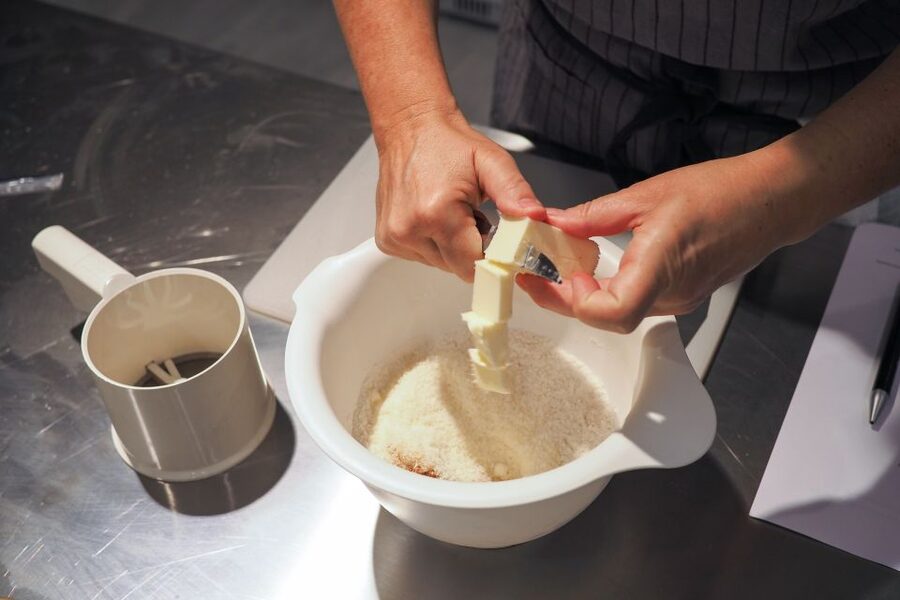
I especially like that the chef teaches you to work from your own station, so you’re actively making each dish, from shaping to assembling. The second big win for me is getting recipes you can actually repeat at home, plus the why behind the steps, like how certain Italian desserts are traditionally made (and not the shortcuts people assume).
One consideration: the format is workshop-style and follows strict lab rules, including no tasting while cooking and no large bags, so it’s not a casual hangout for everyone.
Key points at a glance
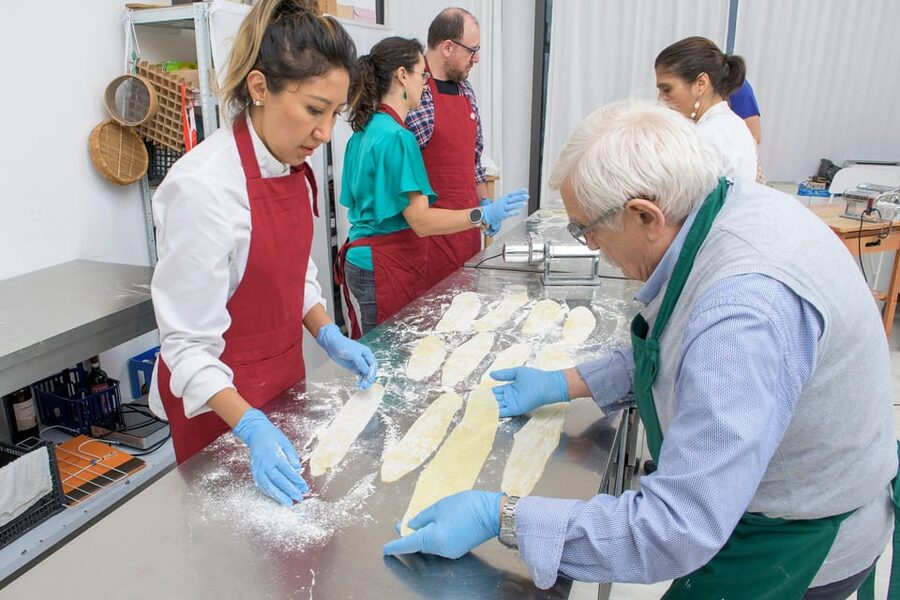
- Small, personal class energy, with hands-on instruction from the chef and team
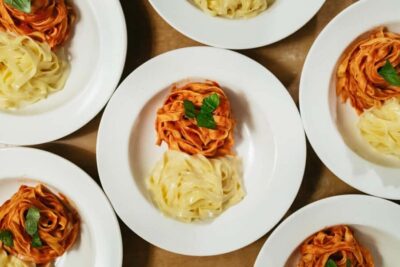
- Fresh pasta from scratch, including pasta-shaping practice like tagliatelle, gnocchi, or ravioli
- Sauce and technique tips that help you cook more like a pro at home
- You eat what you make, with included wine and time to chat at the table
- Take-home recipes designed to be easy to recreate later
- Waste-free, healthier choices, plus a professional, clean setup
Entering Chef and the City, Milan’s street-level kitchen lab
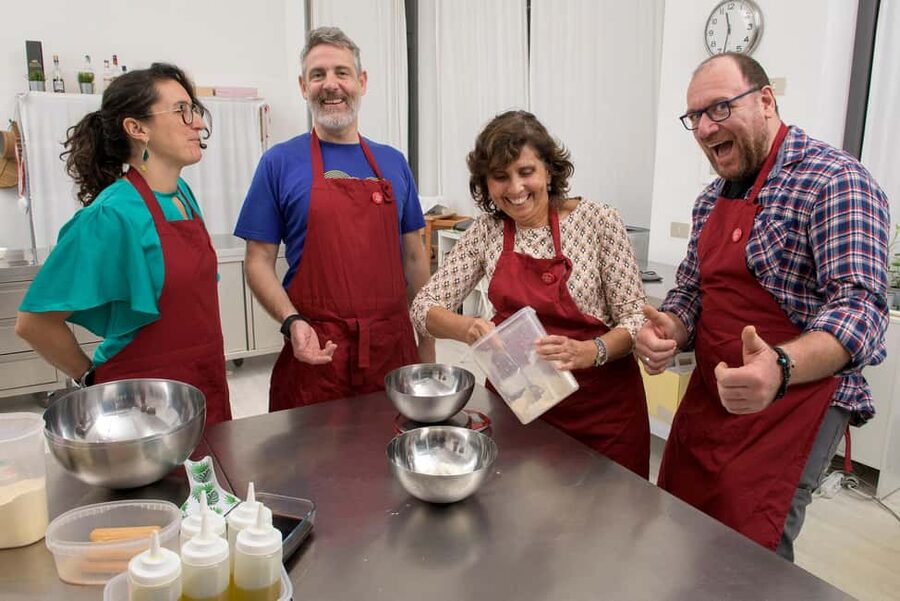
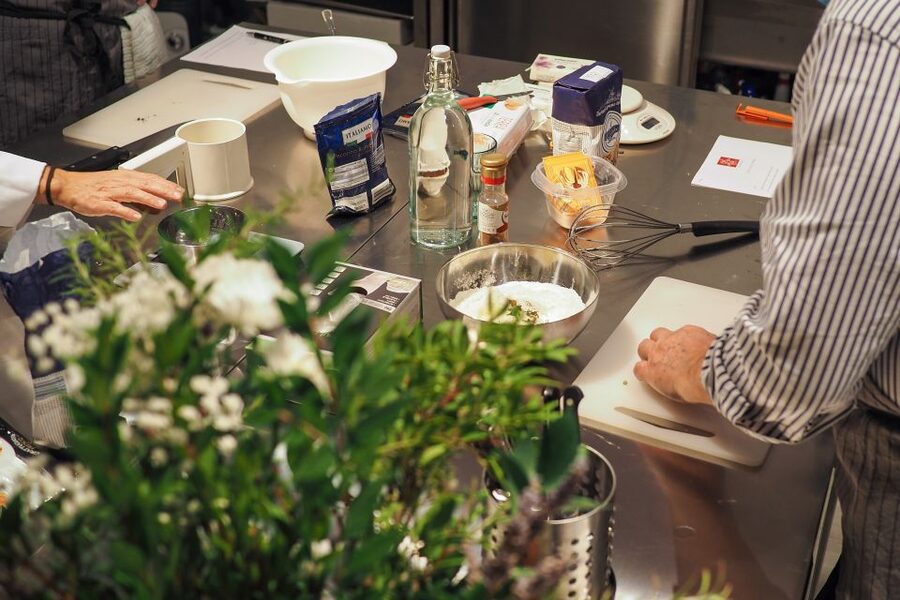
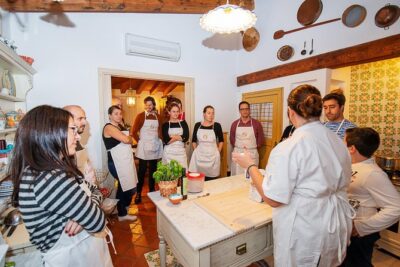
Chef and the City is set up like a working studio, not a restaurant demo. You’ll meet at a street-level shop with big windows and clear signage, and you ring the bell when you arrive. It’s the kind of place where you can tell the focus is on the process: clean counters, tools ready to go, and a layout built for learning.
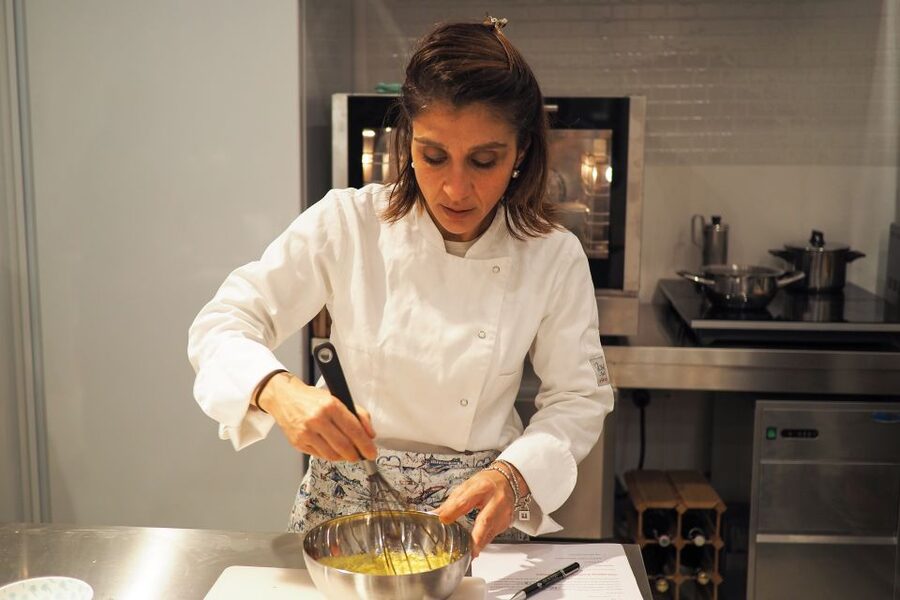
Inside, you’re given what you need for a mess-free session. Gloves and aprons are included, and you work at your own personal desk as you move through the recipes. That matters in real life because pasta is tactile. If you’re scrambling for tools or tools are constantly moving around, learning gets slower. Here, the setup supports pace.
The vibe is also practical. The class is in Italian and English, and the kitchen team keeps the flow moving, which is why you end up with a full meal by the end of the 3 hours. If you like structure, you’ll appreciate it. If you’re hoping for lots of downtime, you might feel the schedule is busy.
You can also read our reviews of more food & drink experiences in Milan



How the 3-hour format keeps you cooking, not watching
This is built as a three-course cooking workshop: make three traditional dishes under the guidance of an Italian chef, then sit down and eat as a group with wine. The workshop rhythm usually goes like this: brief snack moments, then focused prep and cooking, then plating and dining.
At the start, you’ll get light bites and drinks while you settle in. Expect snack-style items such as cheese, dry tomatoes, mortadella, and olives, along with coffee, teas, infusions, and water. Then the cooking begins at your station, where the chef’s direction is meant to be hands-on and step-by-step.
A pattern showing up across the experience is that the chefs explain the technique and the logic. People talk about learning not just what to do, but what to watch for. One recurring theme is the cultural and technical detail, like how Italian cooks treat certain ingredients or how traditional versions differ from what people assume from their home country.
That said, here’s the main “keep your expectations aligned” point: one review noted a session where parts of the class leaned more toward prep tasks like cutting and mixing rather than learning every single step from start to finish for every component. In other words, you should expect to cook, but the exact balance of action versus instruction can vary by class and schedule. If you want maximum solo chefing moment-to-moment, ask what’s hands-on during that specific session when you book.
Fresh pasta practice: the skill you’ll use again and again
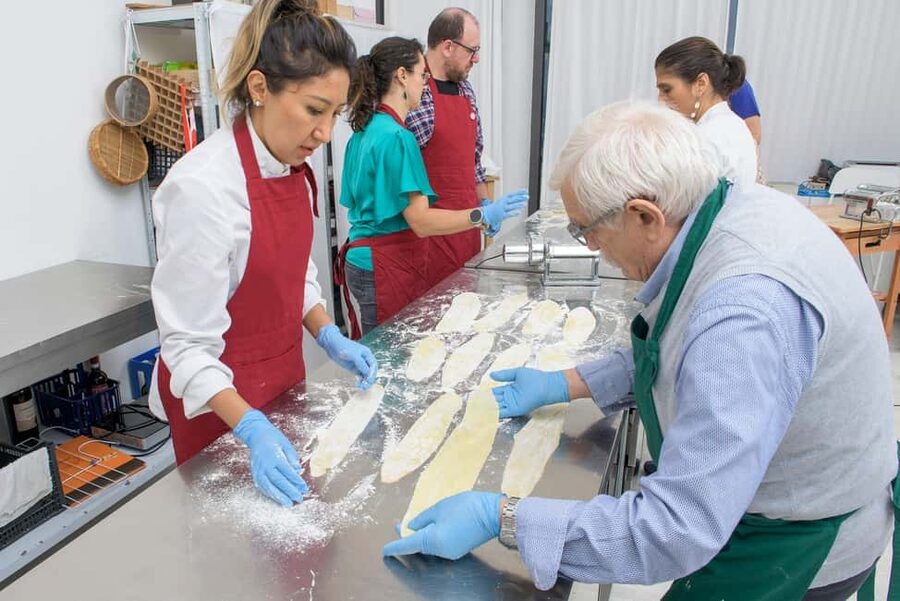
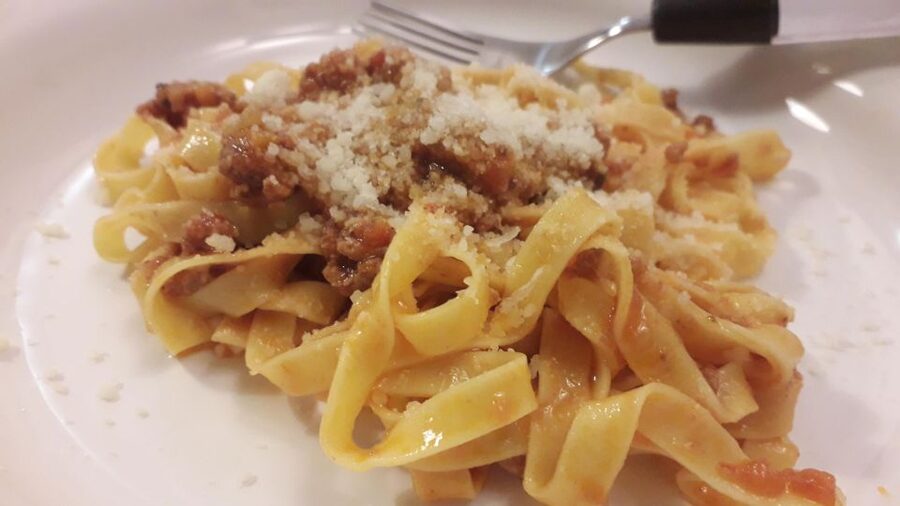
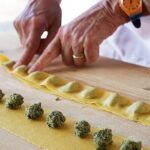
If you’re coming to Milan to learn the stuff you can’t easily fake, this is where it delivers. Multiple sessions include fresh pasta from scratch, with examples like tagliatelle, gnocchi, ravioli, and shaped pasta that may include tools like a pasta machine. You’re not just rolling out dough like a single step either. You’re learning how to handle dough and shape it in a way that holds up once it hits boiling water.
One reason this class feels valuable is that it doesn’t treat pasta as magic. It treats it as a craft with repeatable results. Even people who already cook seem to appreciate the clarity of the instructions, and many mention getting corrected when they go off track, which is exactly what you want in a lesson.
You should also plan for the practical side of pasta making:
- You’ll be working with dough textures, not just following a passive recipe.
- You’ll likely learn at least one pasta shape you can return to later for another dinner.
- You’ll get guidance that helps you avoid common mistakes like dough inconsistencies or shaping that breaks.
If you’re a beginner, the structure is what makes it approachable. If you’re more experienced, the technique details are what keep it from feeling basic.
And yes, the class aims to be waste-free and healthier, so expect portions and ingredient use to be thoughtful rather than excessive.
Sauces, timing, and Italian technique you can copy at home
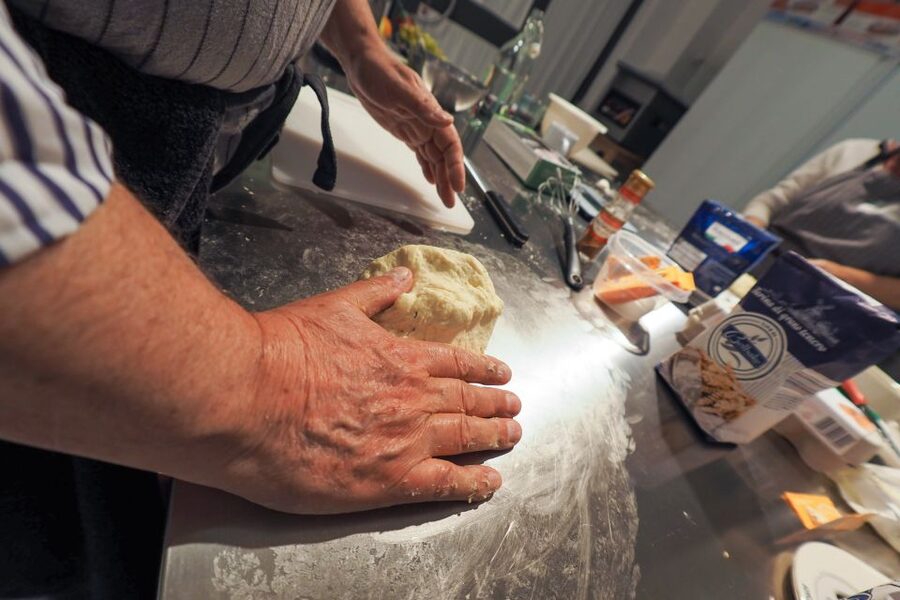
The pasta is the headline, but the sauce knowledge is where you start cooking like you’re from the region. Depending on the session, you may work with elements like cacio e pepe style sauces or ragu based preparations. You might also make or assemble dishes that pair with classic flavors such as garlic, cheese, pepper, and tomato-based components.
What I like here is the “why” included in the teaching. Reviews highlight that the chef explains technique and even food science behind taste and texture. You might hear cultural details too, like the reminder that classic versions of dishes like tiramisù are made in specific ways, not whatever people default to at home.
Another standout example from the class approach: one review mentioned hearing the chef’s stance on carbonara rules, like the idea that there’s no cream and no bacon in the traditional conversation. Even if carbonara isn’t what you cook that night, that kind of explanation trains your palate and helps you decide what to keep and what to adapt later.
You also get tips for professional cuisine without making it intimidating. That’s the goal: you leave understanding what makes the dish work, so you can reproduce the result instead of just remembering a list of ingredients.
The meal: wine, group chatting, and eating your own work
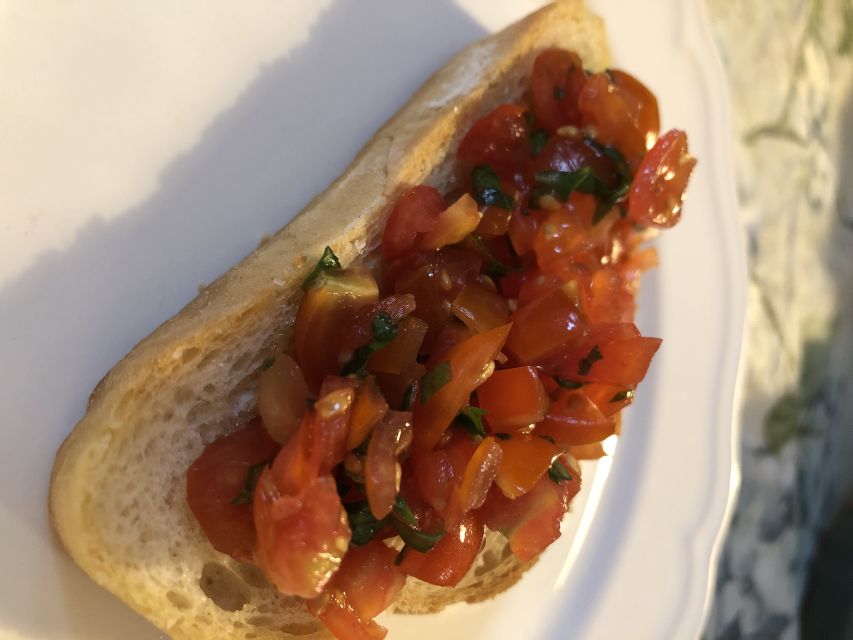
After cooking, you’ll sit down in the dining room and eat what you made. This is one of those travel activities that avoids the common trap: you don’t leave hungry or empty-handed. The class is designed so the meal feels like a reward for the work you just did.
Wine is included. Multiple reviews mention both red and white wine, and some describe the wine as generously provided. You’ll also have time to chat with other people in the class, which is a big part of why this feels more social than a solo cooking tutorial.
Even the meal itself is part of the lesson. You get to taste how your pasta held up, how the sauce bonded, and how the flavors balance. In Italian cooking, balance is everything, and tasting immediately after you cook helps your brain connect technique to result.
If you’re the kind of person who worries you’ll get overwhelmed, don’t. The pacing is meant to be efficient. You’re moving through multiple dishes, but the team keeps instructions clear and the kitchen organized.
A few more Milan tours and experiences worth a look




What you’ll likely cook: examples from real Milan sessions
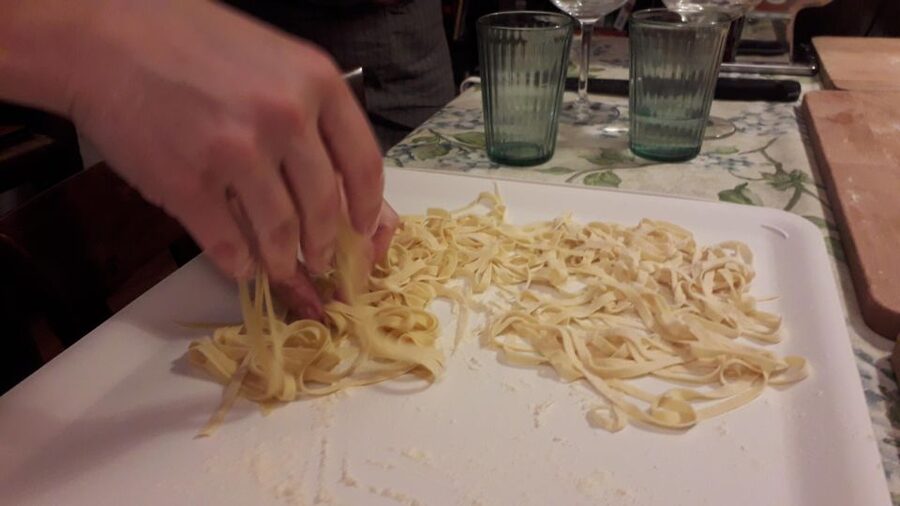
Because classes can vary, it’s smart to treat the menu as “traditional dishes from a Milan lineup,” rather than one locked set every single time. Still, you can expect the session to center on three traditional dishes, and common examples include:
- Antipasto-style bites like bruschetta
- Fresh pasta dishes such as tagliatelle, gnocchi, or ravioli
- Sauce classics like cacio e pepe or ragu
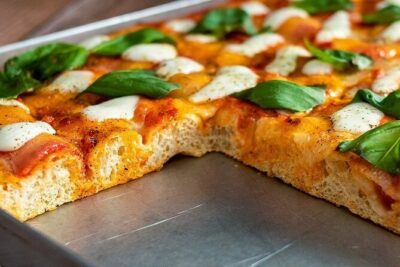
- Focaccia or similar bread-based components in some sessions
- Desserts such as tiramisù or biscotti/cantucci, and occasionally other sweets like strudel depending on the night
One reason I think this is a good deal at the price is that you’re learning core skills that transfer across many Italian dishes: dough handling, shaping, sauce pairing, and plating. Even if your exact trio differs from someone else’s, you still come away with techniques you can use again.
Take-home recipes: how to use them so the class doesn’t fade
You receive a copy of all recipes, and this is one of the most praised parts for a reason. A lot of cooking classes hand you a vague card that doesn’t match what you made. Here, the recipe packet is meant to be easy to make at home, so you can build confidence quickly.
To get the most out of your take-home set, I recommend doing this right after the class:
- Before you put everything away, write down the pasta shape you made and any trouble spots the chef corrected.
- Note the sauce texture or timing detail you remember most, even if you also have the recipe.
- Choose one dish to cook first within a week, when the steps still feel fresh.
That way, the class becomes a skill transfer instead of a souvenir.
If you have dietary restrictions, there’s also a practical positive note. One review explicitly said the team was considerate for gluten-free needs and didn’t limit the experience. That means it’s worth telling them about dietary needs when booking, so you’re not guessing on the day.
Practical rules that affect your comfort level
This is a professional cooking lab, so you’ll follow kitchen rules during the session. The important ones are:
- no drinks or food while cooking
- no tasting while cooking
- tie up long hair
- no luggage or large bags in the workspace
This is not a deal-breaker, but it affects how you move through the class. If you’re used to casual cooking demos where everyone snacks between steps, you’ll need to adapt. The upside is that it supports hygiene and keeps the pace tight.
Also, the class is not wheelchair accessible, and it’s not suitable for children under 10. If mobility is an issue for you, you should check whether the physical setup will work in a professional lab environment.
And finally, pets aren’t allowed, and there’s no smoking area.
Price and value: why $80 feels fair for this kind of lesson
At about $80 per person for 3 hours, you’re paying for a chef-led, hands-on workshop plus the meal and wine. That’s not a bargain price, but it also isn’t a “fancy tasting menu” price. It’s closer to a craft class plus dinner.
The value comes from a few specific points:
- You cook multiple dishes at your station, not just watch.
- You learn fresh pasta techniques that translate into future meals.
- You get wine and a full meal included, so the experience doesn’t end with homework.
- You leave with recipes, which makes the money last beyond the evening.
If you’re the type who loves to eat well but also wants to learn the methods behind Italian cooking, this hits a sweet spot. If you only want a light social activity with minimal effort, you might find the kitchen rules and time pressure less appealing.
Should you book this Milan cooking class?
I think you should book it if your goal is to leave with skills you can repeat, especially fresh pasta shaping and classic Italian sauce technique, not just a plate of food. It’s also a great pick if you want a chef who teaches with clarity and adds cultural and technical details, like the traditional approach to dishes such as tiramisù.
Skip it if you need full accessibility support, if you’re traveling with children under 10, or if you dislike structured kitchen rules like no tasting while cooking. Also, if you’re extremely hands-on and want every component made from start to finish with maximum personal cooking time, you might want to ask how action-heavy your specific session will be.
If you like practical learning, good wine, and an evening where you actually leave having made a meal, this one is an easy yes.
FAQ
How long is the Milan Italian cooking class?
The experience lasts 3 hours.
What’s included in the price?
Food, beverage, cooking tools, gloves, aprons, and wine are included.
Where do I meet for the class?
Meet at Chef and the City, a street-level shop with three big windows and three red signs on top. Ring the bell at the main window door.
Is the class wheelchair accessible?
No, it is not wheelchair accessible.
Are children allowed?
It is not suitable for children under 10.
What kitchen rules should I expect?
You must follow kitchen rules in the professional lab, including no drinks or food while cooking, no tasting food while cooking, and tying up long hair. Luggage or large bags are not allowed.
More Food Experiences in Milan

More Food & Drink Experiences in Milan
More Tour Reviews in Milan




Not for you? Here's more nearby things to do in Milan we have reviewed









Cooking Classes, compared.
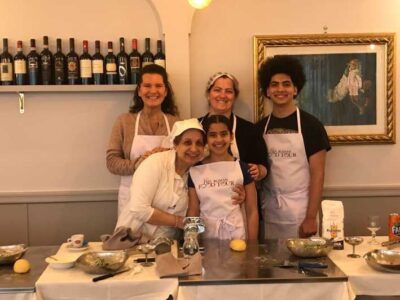 ★ 4.8Pasta and Tiramisu Cooking Class with WineFrom $611,106 reviews
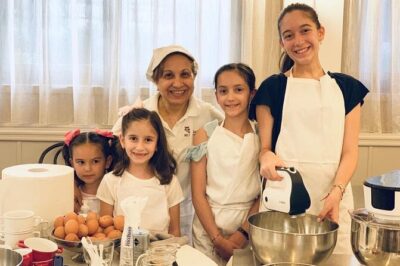 ★ 5.0Pasta and Tiramisu Small Group Cooking Class with WineFrom $83660 reviews
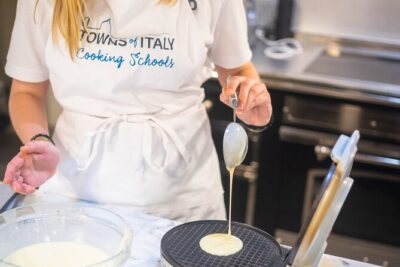 ★ 5.0Milan Cooking Class: Authentic Pizza & Gelato MakingFrom $78582 reviews
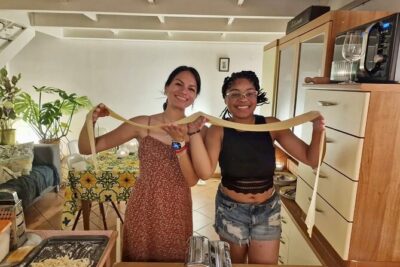 ★ 5.0Small Group Cozy Cooking Class in a Typical Milanese Home.From $83302 reviews
 ★ 5.0Pasta & Tiramisu Cooking Class with Premium ProductsFrom $80255 reviews
 ★ 5.03-Recipe Italian Cooking Class in Como – Cesarine Best NYT HostsFrom $107186 reviews
 ★ 5.0Pizza Cooking Class with Tiramisù and Wine Tasting in MilanFrom $78172 reviews
 ★ 5.0Pasta, Tiramisu, Cooking Class! Learning Premium Products!From $102114 reviews
Browse the lists this tour appears in