
Review · MILAN LA SCALA TOURS
Milan: Entrance Ticket to La Scala Theatre Museum
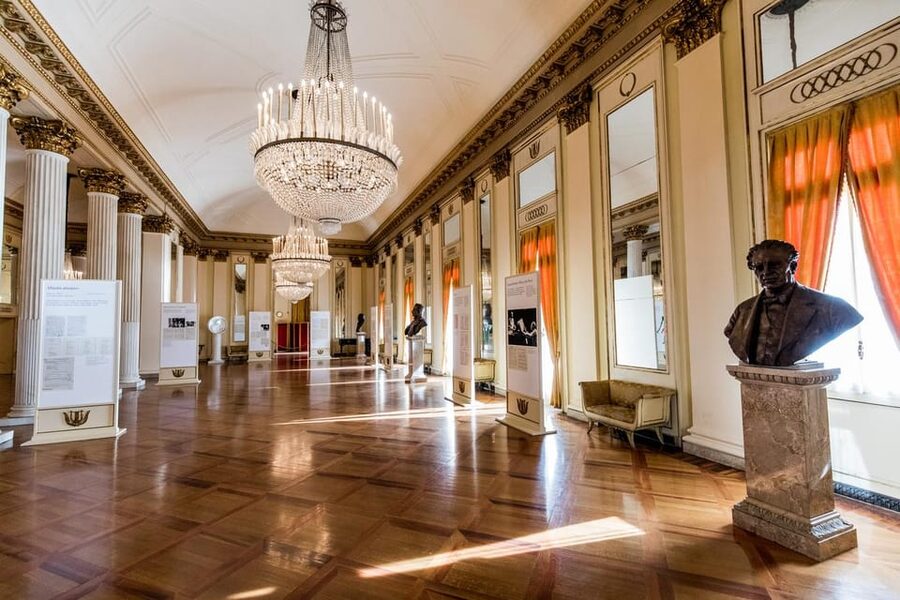
Opera rooms in miniature are my favorite Milan detour. This ticket gives you a smart way to see La Scala Theatre Museum plus a look into the hall that has hosted legends like Verdi, Rossini, Pavarotti, and Maria Callas. I especially liked the museum displays of costumes, set designs, and musical instruments, because they explain how opera actually comes together, not just how it looks.
The second thing I liked is how much you can learn fast. You move through portraits and busts, then you connect the artifacts to early years and standout performances, with lots of visuals and interpretive info throughout. The only real catch I’d plan around is that if there’s a rehearsal going on, access to the main areas can be limited and your view may be from higher seating instead of the most ideal spots.
Key Highlights That Make This Ticket Worth It
- Museum artifacts that show the mechanics of opera, from costumes and props to instruments
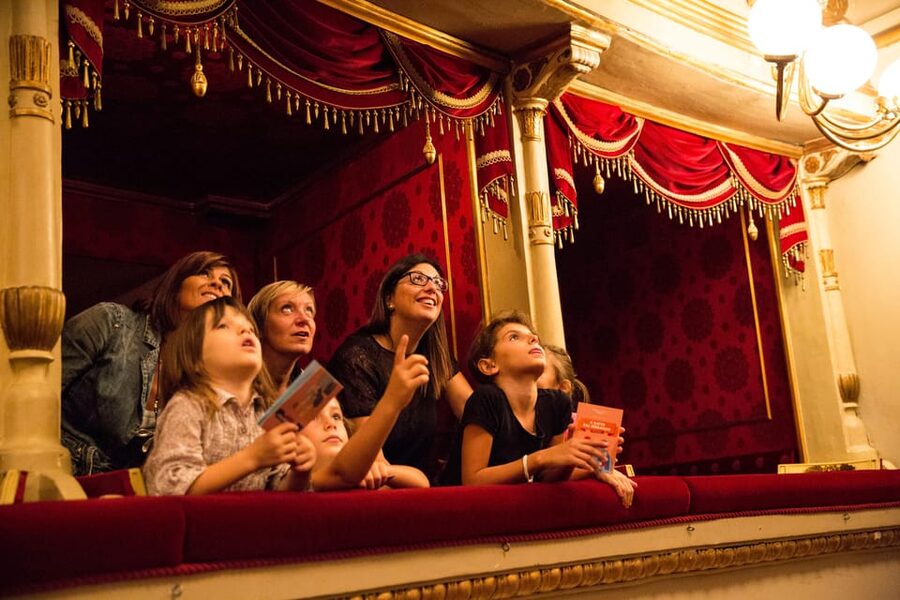
- A real peek into the auditorium, with opportunities to view from boxes on some days
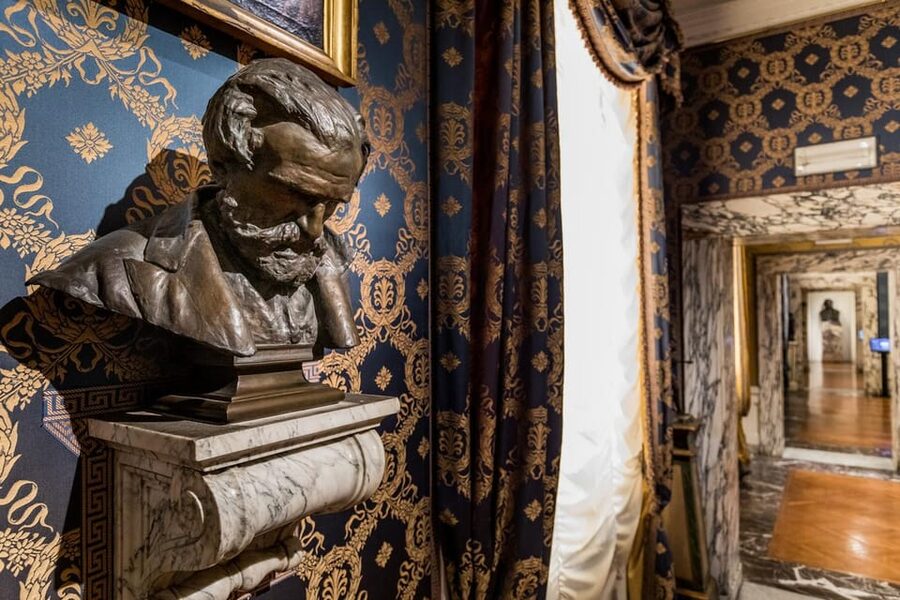
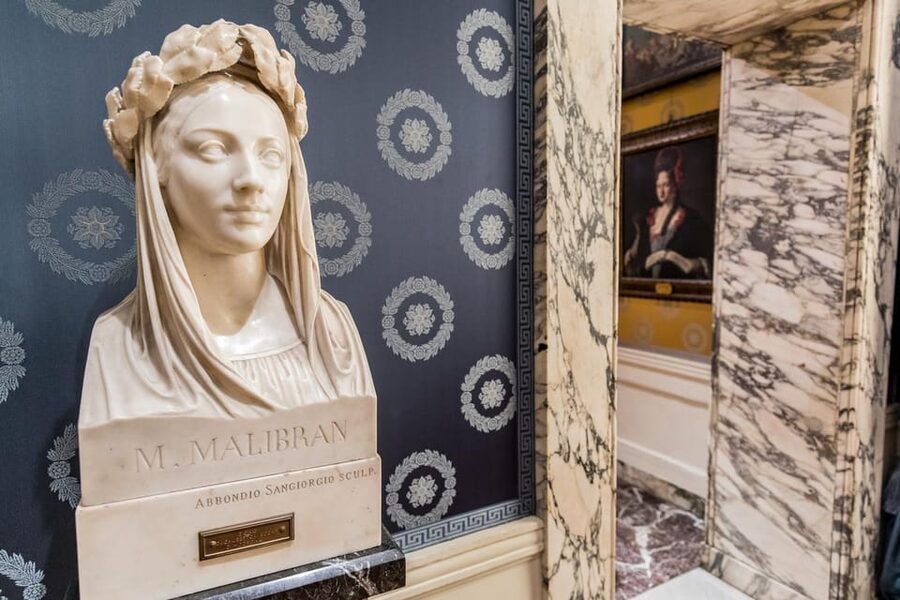
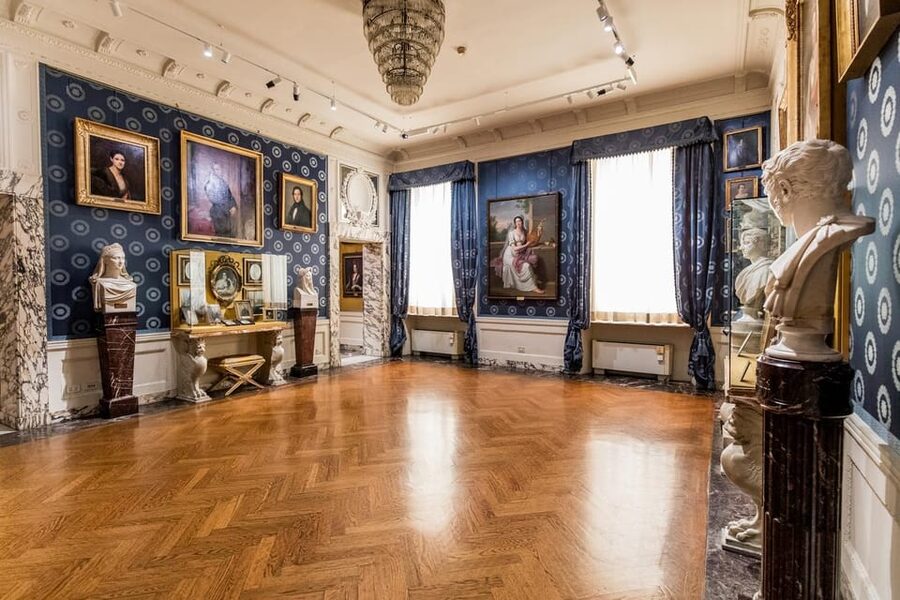
- Informative portraits and busts, tied to the people who shaped La Scala
- Audioguide in 7 languages, downloadable at the museum so you can go at your pace
- Rehearsal days can change access, but they can also make the visit feel more alive
- Simona’s kind, detailed explanations are a standout when you happen to get her guidance
La Scala Theatre Museum in One Minute: Why This Works
La Scala is the kind of name you hear everywhere in classical music, but a museum ticket is what turns that reputation into something tangible. Instead of only admiring the famous exterior, you get inside the world of staging, sound, and performance history.
At about $17 per person, this feels like good value if you care about more than photos. You’re buying access to exhibits tied to real productions across more than 200 years, plus an audioguide that helps you connect what you see with what it means.
Also, this is a convenient add-on day plan. You’re close to the Duomo area, and you can build it around a walk through the city center without wasting hours commuting.
A few more Milan tours and experiences worth a look


What You’ll See: Costumes, Sets, Instruments, and Portraits
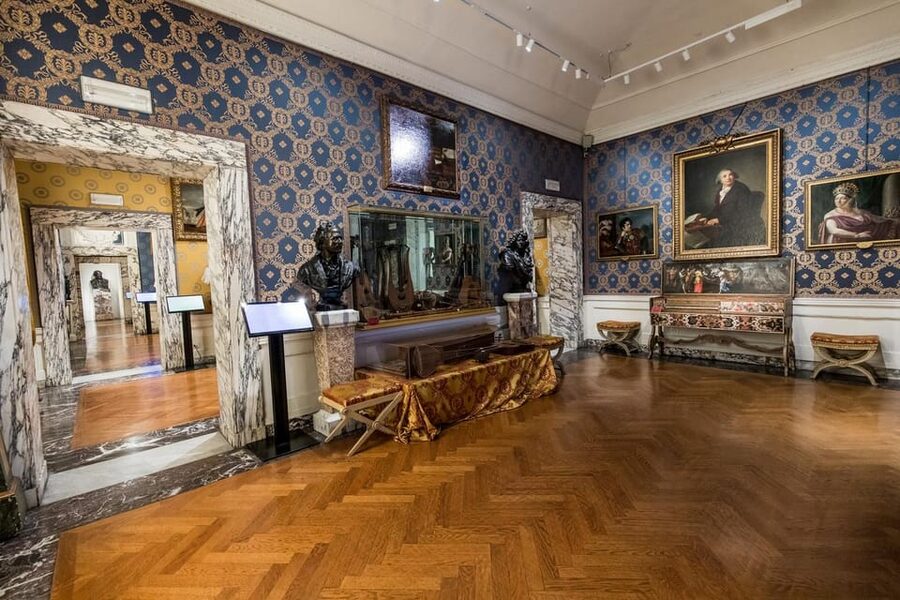
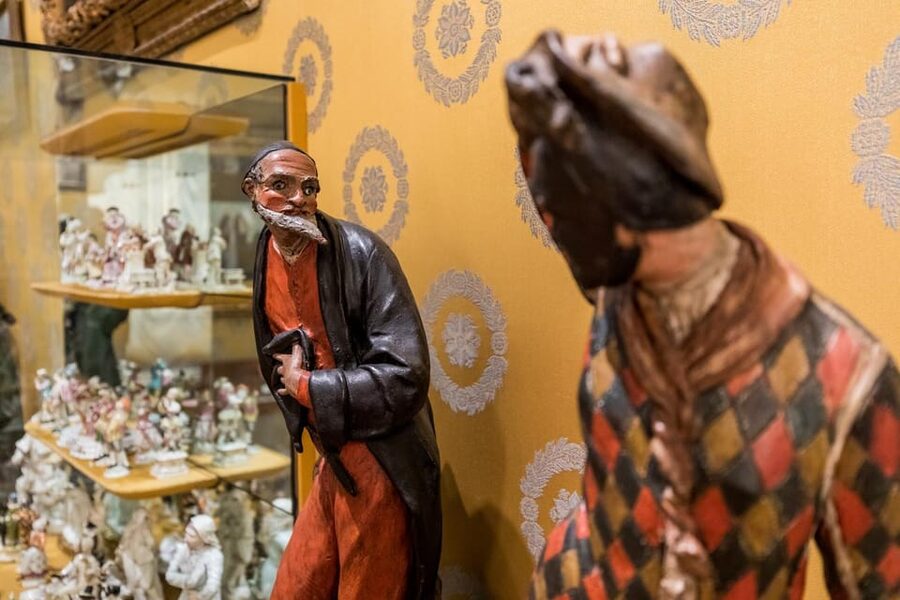
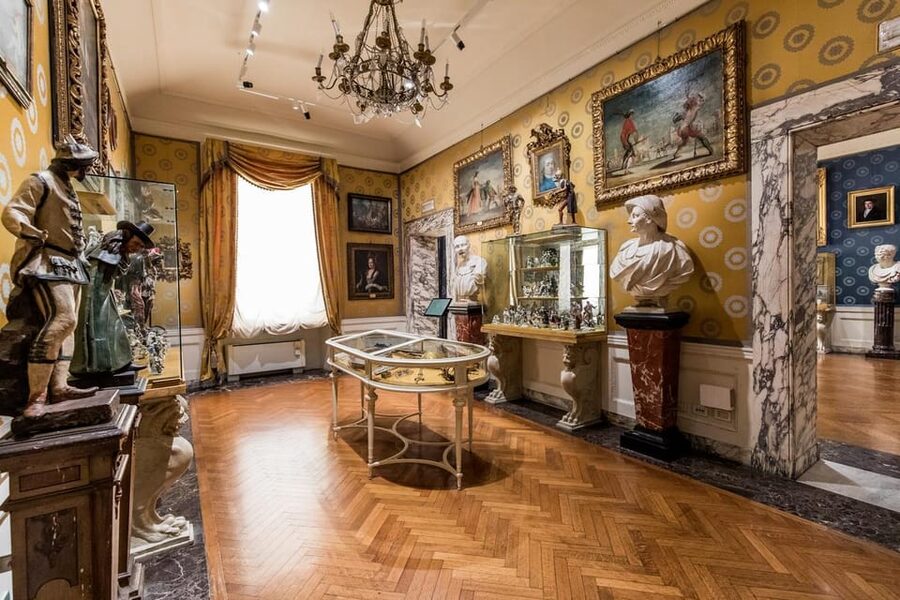
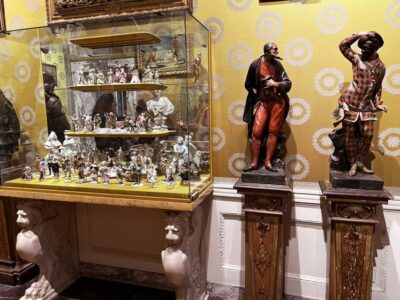
The museum route is designed to make opera feel like a craft. You don’t just watch a documentary vibe, you see the materials: costumes, set designs, and musical instruments associated with major productions and the theatre’s creative world.
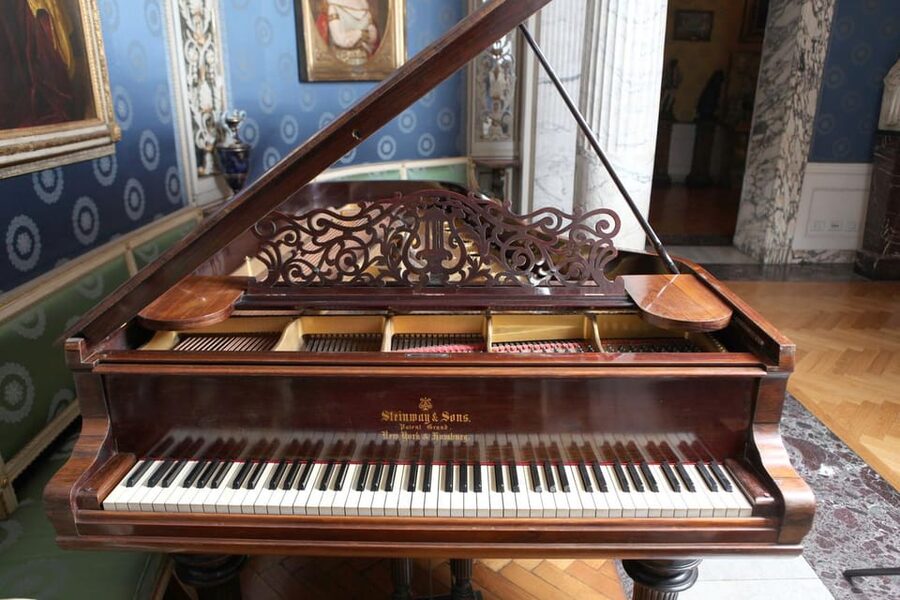
I love that this kind of exhibit helps you notice details you would otherwise miss. Costumes show how character and time period get built. Sets remind you that even the most dramatic moment on stage begins with engineering and planning. Instruments, when presented in context, make the music feel less abstract.
You’ll also spend time with portraits and busts of major figures connected to La Scala. It’s a straightforward way to understand who mattered and why. If you’ve heard names like Verdi, Rossini, Pavarotti, or Callas, the visuals give you a mental map of the human side behind the performances.
The Auditorium Peek: Boxes, Balconies, and Rehearsal Reality
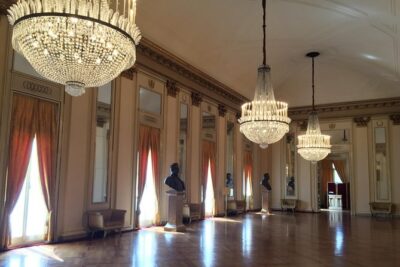
This ticket has a big emotional payoff: the chance to look into the theatre itself. More than one visitor’s highlight is the view of the auditorium, especially from vantage points like boxes when access is allowed.
Here’s the practical truth: opening and viewing angles can shift based on what’s happening inside the building. On some days, you might catch rehearsals, and that can add a special edge because the theatre feels active, not just preserved. In other cases, rehearsal activity can limit which parts of the main area you can enter, and you may end up seeing the space from higher seats.
So, treat this like a visit where you’re aiming for a good view, not a guaranteed perfect photo spot. When you arrive, ask staff which viewing areas are open that day. You want the answer to guide where you stand and how you plan your time inside.
When the Theatre Lights Matter (And When They Don’t)
One of the most useful tips is simple: check whether the theatre lights are on for best visibility. That kind of detail sounds fussy until you’re standing in a historic hall and realizing you want the room bright enough to appreciate textures, sightlines, and interior design.
There’s a specific visibility guide you can check here:
https://www.museoscala.org/it/visibilita-teatro.html
If lights are on, your auditorium viewing tends to feel more dramatic. If they’re dim, you can still learn a lot from the exhibits, but your theatre peek may feel more muted. Either way, having that info helps you set expectations before you go.
Price and Value: Is $17 a Fair Deal?
At roughly $17 per person, this is not a huge splurge for Milan. The value comes from three things you can actually measure:
First, you’re not just walking through static displays. You get a structured museum with exhibits that connect directly to La Scala productions, including costumes, set designs, and instruments.
Second, the ticket includes an audioguide in 7 languages, downloadable at the museum. That matters because it turns your visit into a guided experience without needing to hunt for a separate tour. If you’re the type who likes to pause and learn slowly, the audioguide is a big part of what you’re paying for.
Third, you get the theatre viewing component. Even when access isn’t perfect, the chance to see the space and learn how it functions makes the ticket feel more “real” than many museums of famous buildings.
If your priority is only the outside architecture or only big art paintings, this might not be your best first choice. But if opera history and how performances get made are your thing, it’s a strong match for the money.
You can also read our reviews of more museum experiences in Milan



Timing Tips: Pick a Slot That Gives You the Right View
Your ticket is valid for 1 day, and you’ll choose a starting time based on availability. That means you can tailor your day to how you like to travel, either early for calmer crowds or later when you’ve already worked up an appetite for culture.
Because theatre access can vary, you should pick the time that gives you the best odds of seeing the auditorium in a satisfying way. If you want a stronger shot at a great interior view, it helps to go on a day when you expect the theatre to be in an active state, like rehearsals.
Also, give yourself a little buffer. Milan moves fast, and you want time to settle in, get your audioguide ready, and then walk through the museum at a comfortable pace. When you feel rushed, you miss the smaller details in the exhibits.
Where It Fits in Milan: Duomo Area Made Easy
This museum location is a gift for planning. It’s just steps away from the Cathedral and the Vittorio Emanuele Gallery, so you can combine it with other top sights without needing a long transit plan.
A simple flow that tends to work well:
- Start around the Duomo area
- Walk into the Vittorio Emanuele Gallery vibe
- Then head to La Scala Theatre Museum as your indoor, story-driven stop
That mix gives you the best of Milan’s public grandeur and its more quiet, craft-based side. And because the museum is built around understanding how opera works, it’s a great change of pace from shopping and sightseeing.
Practical Stuff That Actually Matters: Bags, Audioguide, and Accessibility
A few rules can affect your comfort on arrival. Large bags and backpacks are not allowed, and you’ll need to check them into the cloakroom. If you travel with a daypack, you’ll still want to keep things light so you don’t waste time deciding what goes where.
Good news: the theatre and museum are wheelchair accessible, and strollers are supported too. If you’re moving with mobility needs, this is the kind of visit where you can keep your day smooth instead of spending energy on stairs or cramped routes.
Audioguide is included, and it’s an app audioguide in 7 languages. You download it at the museum, which makes it easy to match your pace. If you love reading every placard, you can use it like a backup. If you’d rather hear explanations while walking, it becomes your main tool.
And yes, the experience is designed so you can skip the ticket line, which saves time in a busy central location.
Who This Ticket Suits Best
You’ll love this museum ticket if you fit one of these categories:
- You know opera names and want to connect them to objects and staging choices
- You’re curious about costumes, set design, and the behind-the-scenes craft
- You want a “famous building visit” that also teaches you something specific
- You’re visiting Milan with limited time and want a high-impact cultural stop
It’s also a solid option if you’re traveling when there may not be opera performances happening. The museum doesn’t require a live show to be meaningful, because it focuses on the building blocks of performance and the history tied to La Scala.
Should You Book the La Scala Theatre Museum Ticket?
Book it if you want a well-structured way to understand La Scala beyond hype. At around $17, the combination of exhibits plus audioguide plus theatre viewing makes it a practical, value-forward choice.
Skip it only if you mainly want outdoor sights or you’re not interested in opera history, costumes, and production design. Also, if you’re the type who needs the main auditorium access to be guaranteed, keep your expectations flexible due to rehearsal and day-to-day viewing variations.
If you do book, do two things that pay off immediately: check the theatre visibility tip for lighting, and ask staff where you can view the auditorium from that day’s setup. That small effort helps you get the best possible version of the experience.
FAQ
How long is the La Scala Theatre Museum ticket valid?
The entrance ticket is valid for 1 day. You’ll also want to check availability to see starting times.
What’s included with the entrance ticket?
Your ticket includes entrance to the La Scala Theatre Museum exhibits, plus access to the exhibits themselves. It also includes an app audioguide in 7 languages, downloadable at the museum.
Does the ticket include skip-the-line access?
Yes. The experience includes skip the ticket line.
Are large bags and luggage allowed during the visit?
No. Luggage or large bags are not allowed. Large bags and backpacks must be checked into the cloakroom.
Is it wheelchair accessible?
Yes. The theatre and museum are wheelchair accessible, and it is also accessible for strollers.
Can I cancel and pay later?
Yes. You can reserve now and pay later, and there is free cancellation up to 24 hours in advance for a full refund.
More Museum Experiences in Milan
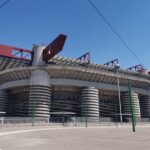
More Tickets in Milan



More Tour Reviews in Milan


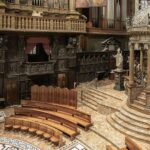

Not for you? Here's more nearby things to do in Milan we have reviewed

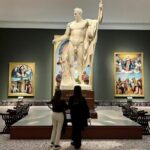








Milan La Scala Tours, compared.
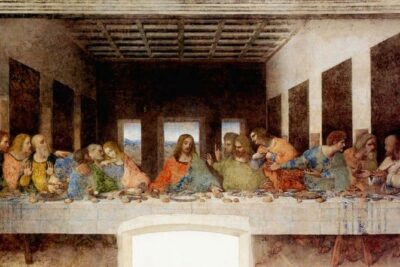 ★ 4.0Milan’s Must See: Half-Day Tour of Last Supper, Duomo & La ScalaFrom $1304,193 reviews
 ★ 4.1La Scala Theater & Museum Guided ExperienceFrom $342,931 reviews
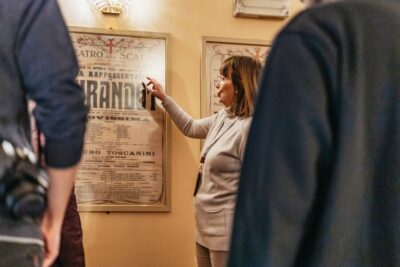 ★ 4.6“Museo Teatrale Alla Scala” Guided TourFrom $442,513 reviews
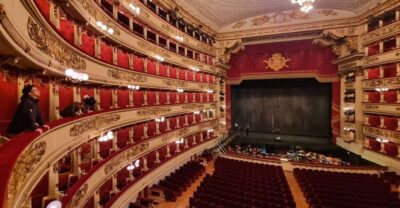 ★ 4.7La Scala Theater and Museum Tour with Entry TicketsFrom $341,722 reviews
 ★ 4.5La Scala Theatre Skip-the-line Guided TourFrom $44728 reviews
 ★ 4.5La Scala Theatre and Museum guided experienceFrom $56664 reviews
 ★ 4.3Skip-the-Line La Scala Museum Tour + Hop On Hop OffFrom $41406 reviews
 ★ 3.5La Scala Theatre and Museum Tour in Milan With Private GuideFrom $47384 reviews
Browse the lists this tour appears in