
Review · MILAN LA SCALA TOURS
La Scala Theatre and Museum Tour in Milan With Private Guide
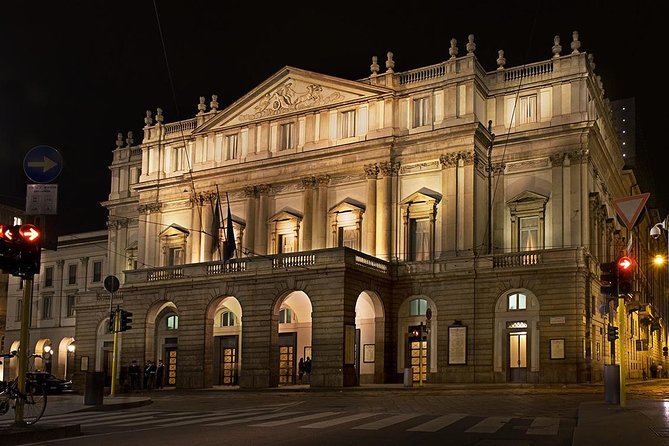
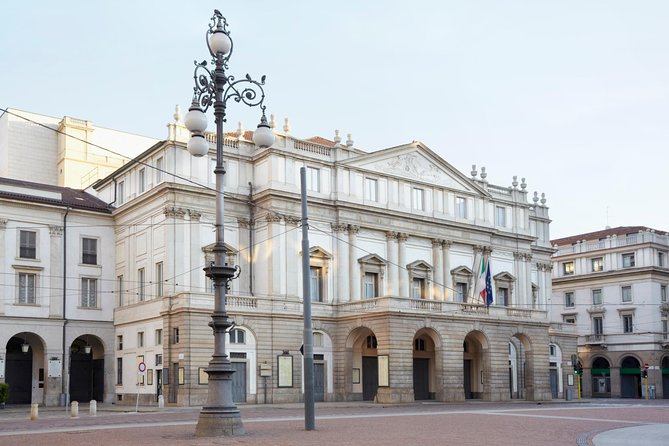
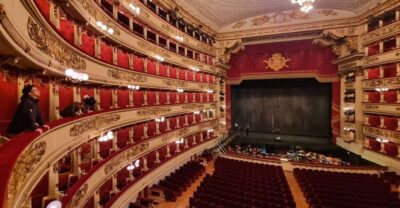
La Scala feels like Milan in miniature, all velvet and brass. This guided Teatro alla Scala visit mixes a museum walk with a chance to see the stage area and famous interior views, depending on what is happening at the house. I like that you get a live guide who can connect costumes, instruments, and composer portraits to how opera actually works. La Scala’s auditorium is the star, and it is the reason most people book.
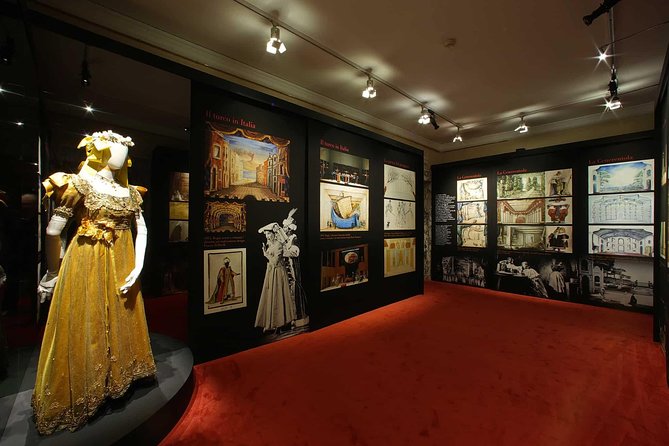
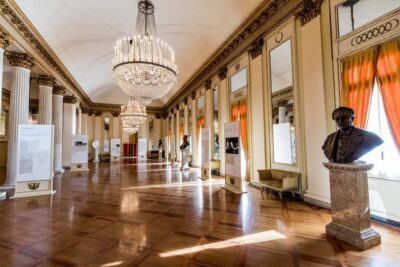
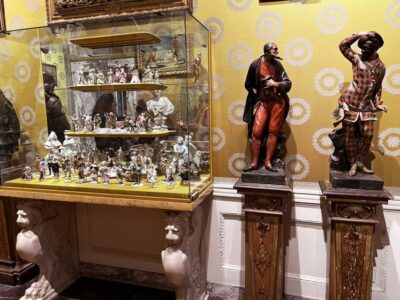
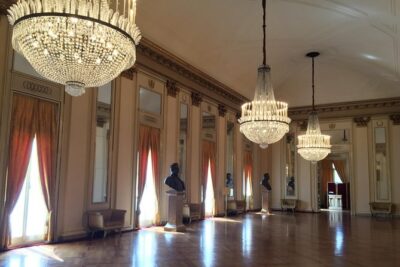
I also really value the museum side of this tour. You’ll move through rooms of opera artifacts, including instruments tied to famous musicians, painted portraits of key names like Giuseppe Verdi and Arturo Toscanini, and costume pieces that show how productions dress a story. In particular, guides such as Claudia and Stefania are noted for making the history readable, not like a textbook.
The main drawback to plan around is that this is not a true behind-the-scenes experience. Auditorium access can be limited to a short view from boxes, and if a rehearsal or show is underway, you may get a voucher for a different date instead of a full theater look.
Key highlights to know before you go
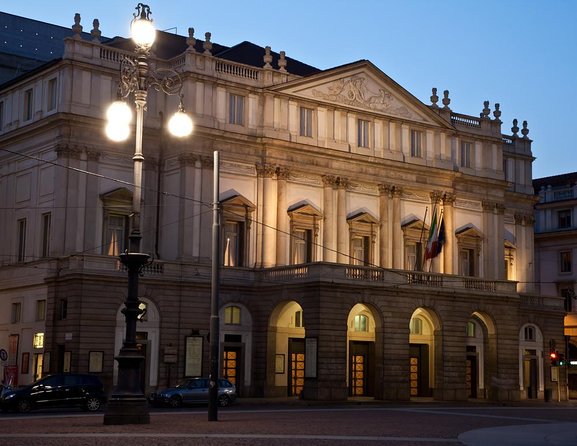
- Museum first, theatre second: Expect more time on the museum collection and bookshop than on a deep architectural tour of the building.
- Auditorium access depends on stage activity: You usually see the auditorium/box area unless a rehearsal or show is happening.
- Up to 25 people, even if it sounds private: This runs as a group tour, so you share space and timing.
- Your view may be partial: Some tours focus on a limited box view, while others catch moments of rehearsals.
- Audio can be uneven: A few visitors reported sound system issues, so you may want to position yourself to hear.
- Plan your bathroom timing: There is only one bathroom on the third floor, so go before you are deep in the route.
First, Know What You Are Really Buying
This tour is built around one goal: a guided introduction to La Scala that is faster than doing everything on your own. It’s about an hour, delivered in English, with a professional licensed guide and admission to the theater and museum. At about $47.63 per person, you are paying for commentary plus guaranteed entry to the Scala museum areas, not just standing in a lobby.
A detail that matters for expectations: the group size can reach 25 travelers. That means less flexibility for questions, fewer photo stops, and a more scripted pace than a one-on-one tour. It is still a good setup if you want clarity on what you’re seeing, and you like moving efficiently.
Timing is tied to what the opera house is doing that day. La Scala is active, so opening times and what you can access are subject to rehearsals and productions. If you’re hoping for backstage access, treat this as a guided inside-look with potential limitations, not a full production pass.
You can also read our reviews of more guided tours in Milan

Teatro alla Scala Museum: Costumes, Instruments, and Composer Portraits
The museum portion is where this tour earns its keep. Instead of just showing you rooms, the guide ties objects to a bigger picture: why opera looks the way it does, how performers and productions are shaped by tradition, and how the venue evolved into the icon it is today.
In the galleries, you’ll typically see:
- costume pieces linked to real stage life (the “how they dressed it” side of opera)
- musical instruments played by famous musicians
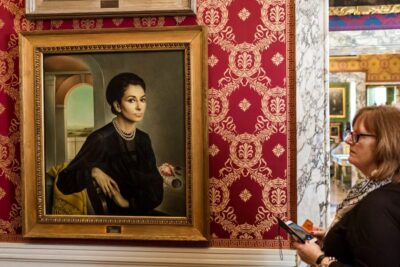
- painted composer portraits, including major Italian names like Giuseppe Verdi and Arturo Toscanini
- stage props and production-related items that help you picture what happens on performance days
This is also where you’ll often get that memorable “I get it now” moment. One person found the museum more like a general Italian art and musical history tour than a building-specific architecture walk. That is a fair warning, but it can also be the best part if your goal is to understand opera as a craft, not only as a room.
There’s even time to browse the museum bookshop, which is great if you want to take something home besides photos. If you like having context before you buy seats for an opera, this stop can help you choose what to learn next.
Bookshop Break and the Composer Name-Drops That Matter
You don’t just march through glass cases. The tour includes time in the museum bookshop, which sounds small but helps you turn the visit into learning. If you’re the type who likes to pick up a composer biography or an opera reference book, this is a straightforward way to do it while you’re already in the right mood.
The tour also leans into recognizable names. You’ll hear about the traditions that made La Scala famous and you’ll see portraits of key figures tied to Italian opera and performance culture. Names like Verdi and Toscanini come up often, and for a first-time visit that is useful. You start to connect the building to the people who shaped the sound and the spectacle.
If you’re a hardcore “tell me about architecture and engineering” person, you might feel the shop and portraits are extra. But if you’re trying to understand why La Scala’s stage matters, this composer-first approach works well. It’s a fast way to build a mental map before you look at the auditorium.
What You’ll See in the Auditorium, and What Can Get Limited
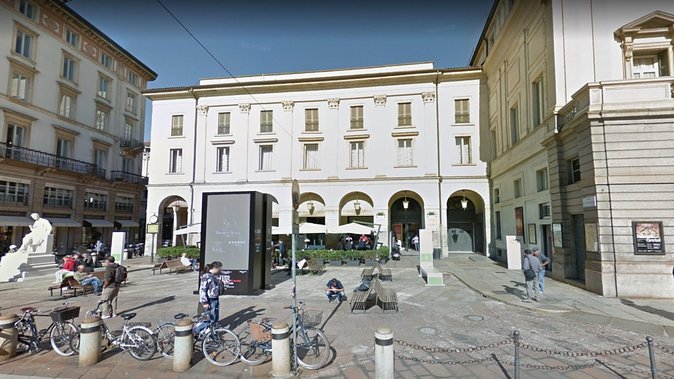
The auditorium is the headline, but it is not guaranteed in the same way every day. You’ll typically get to see the stage and the orchestra pit area, and you can usually view the theatre from the foyers and box viewpoints. Some itineraries describe seeing the stage, chandelier, and the pit orchestra.
Here is the practical rule to remember: auditorium access is guaranteed unless a rehearsal or show is in progress. If something is happening, your guide provides a voucher to visit the auditorium at the next available date, and no refund is guaranteed. If you’re visiting on a tight schedule, that voucher language is the part you should pay attention to before booking.
In many cases, you may spend a short window looking in from boxes or a box-side view. Several people described moments of rehearsal that made the experience feel electric, because you see production movement and performers preparing. But other visits centered more on a limited view and then shifted quickly back into museum rooms.
So, what should you do with this information? Go in expecting a guided interior look with the possibility of a short, special auditorium moment. If you want a long sit-down view of the full space with lights up, you might want to confirm what access looks like on your date through the organizer before you commit.
The Tour Pace: Why One Hour Feels Short
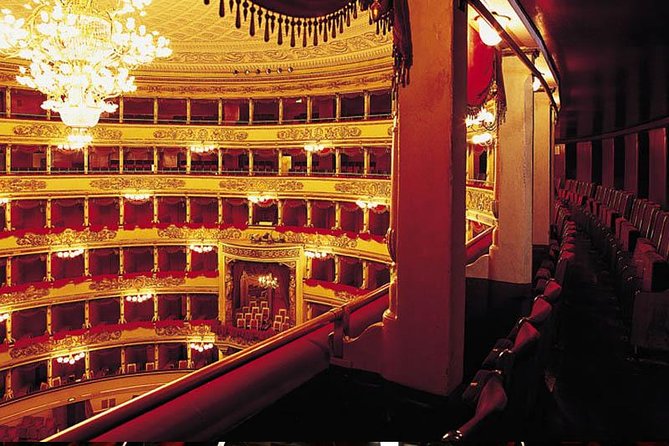
The whole experience is around one hour. That is the biggest reason people feel either delighted or disappointed. If your visit catches good conditions, the time flies: museum objects connect to what’s happening in the theatre, and the guide keeps the story moving.
But in less perfect conditions, the pace can feel lopsided toward the museum. One guest wanted more depth about the building itself, and felt most of the hour was spent on museum pieces after an early box view. Others felt the tour was not what they expected based on the idea of a private guide.
A few visits were also described as crowded inside small rooms. When multiple groups share the same tight gallery space, it can get warm and noisy. That affects how much you can actually absorb, even if the guide is doing a great job.
If you prefer calm and slow viewing, set expectations accordingly. Use the guided hour to get oriented and learn the names and stories, then plan an extra stop on your own later if you want more time in quieter corners.
You can also read our reviews of more private tours in Milan


Hearing the Guide and Getting Photos Without Stress
This is one of those tours where your comfort choices change your experience. Even when the guide is excellent, audio quality can make a difference. Some visitors reported issues like static or buzzing and trouble hearing the guide clearly. If you notice sound problems, adjust your position early and do not wait.
Photography can be a mixed bag. When the lighting is down for rehearsals, your photos will vary. A couple of visitors got great pictures when lights came on during a rehearsal window. Other visits were described as dark in the auditorium, limiting what you could capture.
Also, be mindful of punctuality. The tour notes that if you are delayed, entry is not permitted and it is not refunded. That is a big deal in a crowded area where lines and street traffic can eat minutes.
One small but real tip from inside the flow: there is only one bathroom and it’s on the third floor. If you tend to wait until you feel the need, you can end up awkwardly timing it around the museum route.
Price and Value in Real Terms
At about $47.63, you are buying:
- admission to the Scala theater and museum areas
- a professional licensed guide in English
- a structured route that tries to connect theatre visuals to opera context
For many people, the value is the narration. Seeing instruments, costumes, and portraits becomes more meaningful when someone explains what they represent and how the venue shaped the art form.
If you only care about a basic visit and want to spend less, you might compare costs to standalone tickets. One review described a standalone ticket as making more sense if the main goal is simply seeing the theater interior. That doesn’t mean the guided option is bad. It means you should decide what you want most: guided interpretation or the cheapest entrance possible.
For me, the best use of this price is for first-time La Scala visitors who want to leave with names, context, and an understanding of why so much work goes into productions at this kind of house.
Who This La Scala Tour Fits Best
This tour is a strong fit if you:
- want a short, organized introduction to La Scala in about an hour
- like opera and want context for what you see in the museum collection
- appreciate hearing composer and production stories as you walk
It may not be the best fit if you:
- are expecting true backstage access and long interior viewing
- need a guaranteed full theatre experience regardless of rehearsal conditions
- hate crowded indoor spaces and shared timing with other groups
The guide quality can make a big difference. Several names came up as standouts, including Claudia, Alejandro, and Stefania. When the guide is in rhythm, it turns museum rooms into a coherent story and helps you understand what matters in an opera house.
Should You Book La Scala With a Private Guide?
If your ideal day includes a guided museum tour plus a realistic chance to see the auditorium during rehearsal windows, I think this is a sensible book. The hour format works well, and the museum items plus composer context give you something durable to remember.
But book with eyes open. The experience can skew museum-heavy, auditorium viewing can be limited, and access depends on what La Scala is doing that day. If you are visiting during a time when rehearsals or shows are likely, keep your schedule flexible enough to handle a voucher scenario.
My simple call: book if you want guidance and context. Skip or plan differently if you are chasing a long, lights-on, behind-the-curtain theatre tour with no surprises.
FAQ
How long is the La Scala Theatre and Museum tour?
It runs about 1 hour.
Is the tour in English?
Yes, the tour is offered in English.
Where do I meet for the tour?
You start at Teatro alla Scala Museum, Largo Antonio Ghiringhelli, 1, 20121 Milano MI, Italy. The tour ends back at the meeting point.
Do I get into the auditorium?
You are guaranteed access to the La Scala Theatre auditorium unless a rehearsal or show is in progress. If that happens, your guide provides a voucher to visit the auditorium at the next available date, and no refund is guaranteed.
What is included in the price?
The tour includes a professional licensed tour guide and entrance to the Scala Theatre and Museum. Food and drinks are not included.
What is the cancellation policy?
You can cancel up to 24 hours in advance for a full refund. Cancellation cut-off times are based on the local time of the experience.
More Guided Tours in Milan


More Tours in Milan

More Tour Reviews in Milan



Not for you? Here's more nearby things to do in Milan we have reviewed








Milan La Scala Tours, compared.
 ★ 4.0Milan’s Must See: Half-Day Tour of Last Supper, Duomo & La ScalaFrom $1304,193 reviews
 ★ 4.1La Scala Theater & Museum Guided ExperienceFrom $342,931 reviews
 ★ 4.6“Museo Teatrale Alla Scala” Guided TourFrom $442,513 reviews
 ★ 4.7La Scala Theater and Museum Tour with Entry TicketsFrom $341,722 reviews
 ★ 4.4Entrance Ticket to La Scala Theatre MuseumFrom $17759 reviews
 ★ 4.5La Scala Theatre Skip-the-line Guided TourFrom $44728 reviews
 ★ 4.5La Scala Theatre and Museum guided experienceFrom $56664 reviews
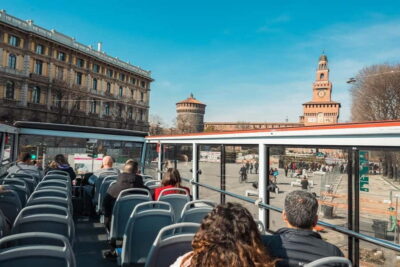 ★ 4.3Skip-the-Line La Scala Museum Tour + Hop On Hop OffFrom $41406 reviews
Browse the lists this tour appears in