
Review · COOKING CLASSES
Small Group Cozy Cooking Class in a Typical Milanese Home
Cooking in a real Milan home changes everything. In this small-group workshop you make classic dishes from scratch, then eat together at a true Milanese table, with welcome aperitivo and wine keeping the mood relaxed.
I especially like the focus on hands-on technique for homemade pasta and the payoff of a shared sit-down meal, not a rushed tasting. One thing to consider is logistics: there is no hotel pickup, so you’ll want to plan how to get to the meeting point near the bell Alegi.
Key highlights worth showing up for
- Max 6 people, so you actually get hands-on attention while learning
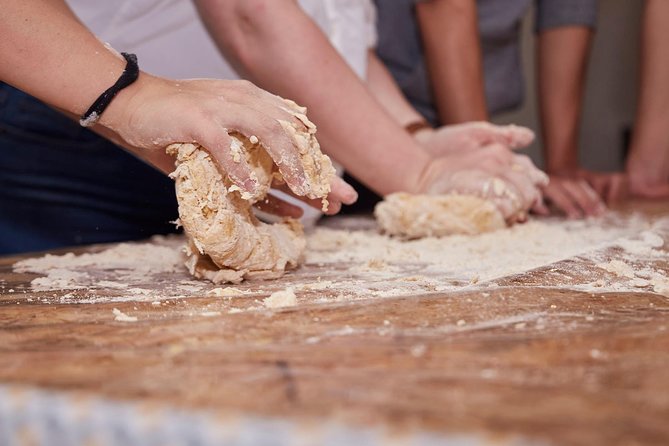
- Fresh tagliatelle plus ragù, guided step by step in the chef’s apartment
- Aperitivo with Italian products to start things off the Milan way
- Wine served throughout (red or white), plus water during the workshop
- Tiramisu practice after the pasta, so you leave with the full menu
- Family dinner at the end, so you eat what you cooked, not just watch
A Milanese apartment cooking class, not a demo kitchen
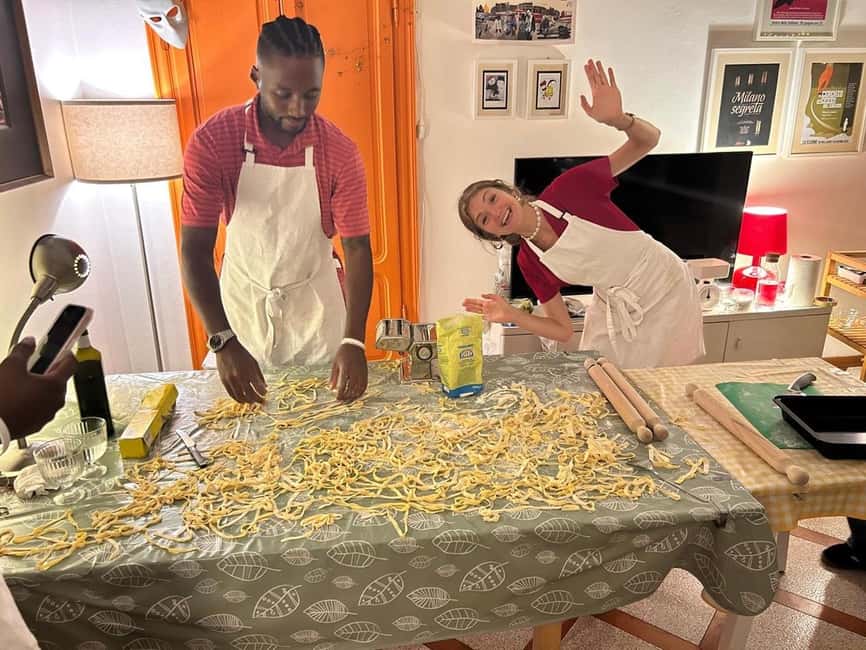
This is the kind of Milan cooking class that feels like you’ve been invited into someone’s actual life, not ushered through a performance. The location matters. You’re in a typical Milanese apartment, in the heart of Milan, with access to the chef’s home space where the work happens.
The class is built for small-group learning, limited to 6 participants. That small size is what makes the difference between learning the basics and actually improving your technique. You’re not just collecting tips from across a room. You can ask questions, get feedback on what you’re doing, and move at a comfortable pace.
And the menu is classic for a reason. You’re making tagliatelle (fresh pasta), a ragù, and tiramisu. This covers a lot of what people mean when they talk about Italian comfort food: dough and texture, slow-cooked flavor, and the dessert balance of cream and coffee.
If you want a straightforward “Milan food education” that ends with you eating well, this format hits the mark.
You can also read our reviews of more cooking classes in Milan
Meeting at the Bell Alegi and settling into the neighborhood pace
The experience starts back at the meeting point, and the start point is clearly marked as the bell Alegi. That’s a big clue that the class is centered in a lively local area rather than a remote studio.
Because there’s no hotel pickup or drop-off, you’ll want to do two things before you go:
- Check the exact meeting spot near bell Alegi
- Give yourself extra time to arrive calmly and on schedule
Milan neighborhoods can be a bit of a puzzle if you’re hopping between landmarks. Arriving a little early also helps you get settled before cooking starts, especially since you’ll be greeting, tasting aperitivo, and getting assigned tasks for pasta and dessert.
Practical travel note: plan to keep your bags light. This kind of class works best when you can move around easily in a home kitchen setting.
Aperitivo welcome and wine flow before you roll pasta
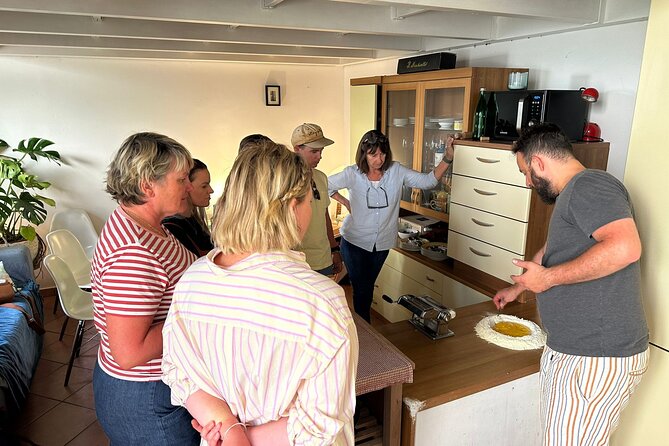
Before the flour flies, you’ll get a welcome aperitivo with typical Italian products. It’s not just a snack. Aperitivo is part of Milan’s social rhythm, a pre-dinner pause that turns the evening into something shared.
Then the drinks start to matter. Italian wine is included throughout the workshop, and it can be red or white. You’ll also have water, plus soft drinks for kids. That combination is useful because it helps you keep energy up through the hands-on part of the class.
For most people, this welcome phase does two things:
- It helps you relax, so you aren’t tense when you start handling dough.
- It gives the host time to explain the flow of the session while you’re already in “dinner mood.”
If you’re traveling with others who worry about cooking classes being awkward, the aperitivo stage is a nice social bridge. It gives everyone something in hand and a reason to chat while the kitchen gets going.
Making fresh tagliatelle and ragù with a chef in your ear
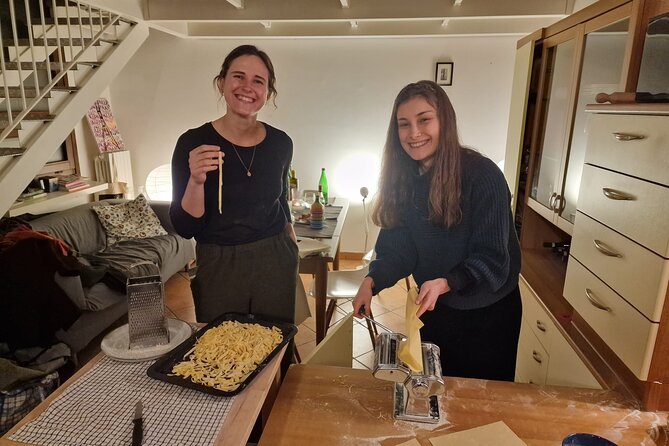
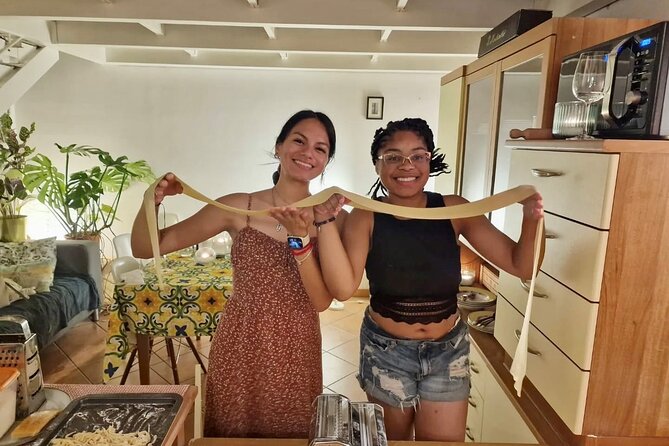
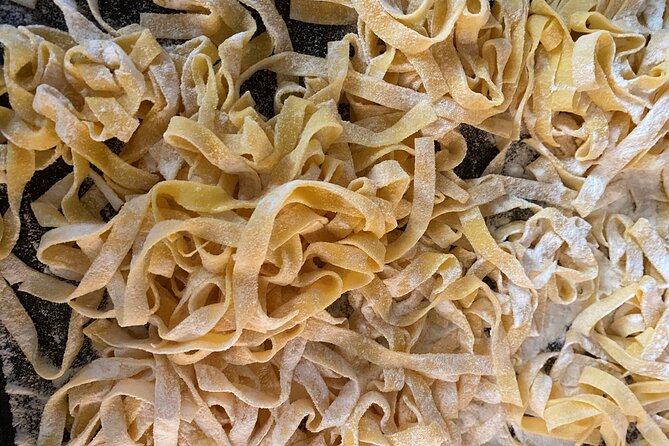
The heart of the experience is the cooking lesson: homemade pasta tagliatelle, a ragù, and the skills to make both taste great.
What I like about the way this is described is that it’s not just about producing a finished plate. The host guides you through the steps, including tips and tricks for making excellent homemade pasta. You also receive recipes, so you can recreate the dishes at home. That’s a value multiplier. A great meal is nice, but the ability to make it again is what turns this into a real souvenir.
Tagliatelle: learning shape and texture
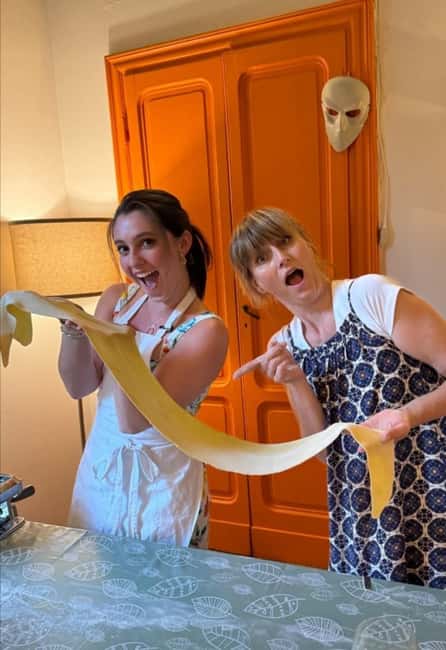
With tagliatelle, the “how” matters. Fresh pasta doesn’t behave like dried pasta, and the shape affects how sauces cling. Even if you’ve cooked pasta before, you’re likely to learn something new about working the dough, handling it, and getting consistent results.
In a class limited to 6 people, the timing works in your favor. You can get help while you’re actively working, not after you’ve already made mistakes.
A few more Milan tours and experiences worth a look

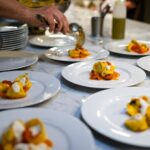



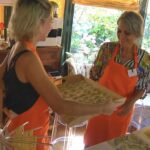
Ragù: sauce that actually deserves the pasta
Next comes the ragù, which is the kind of sauce that rewards patience and technique. You’re using high-quality ingredients, and the goal is clear: make something that tastes like it belongs on a plate you’d happily serve guests.
Ragù can be intimidating when you only know restaurant versions. Here, you’re taught in the same setting you’ll later eat in, which makes the meal feel coherent. You’re not cooking separate “components” for a checkbox activity. You’re building a dinner.
A note about the host
Some past guests specifically highlighted a host named Chiara, calling her warm, fun, and welcoming, especially when the group size ended up being smaller than expected. Even if you’re not paired with her, that kind of feedback signals the style of guidance you should expect: friendly, practical, and focused on helping you feel at home while you cook.
Tiramisu practice, Italy’s most famous dessert
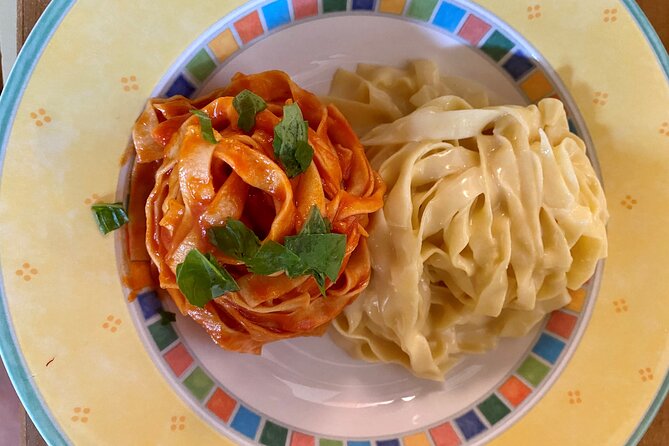
After pasta and sauce, you’ll turn to tiramisu, Italy’s most famous dessert. This is the part where many classes either rush (you assemble something and leave), or teach you just enough to call it done. In this workshop, tiramisu is included as part of the planned session, which means it fits the same hands-on learning structure.
You’ll work with ingredients included in the class, and the dessert portion is built into the overall flow of the workshop. That matters because tiramisu timing can be unforgiving if you’re not thinking ahead. Having a host guide you through the process helps you avoid the common pitfalls.
Also, dessert in an Italian home class feels different. You’re not “just having something sweet.” You’re finishing the same dinner story you started with tagliatelle and ragù.
Family dinner: eating what you cooked, together
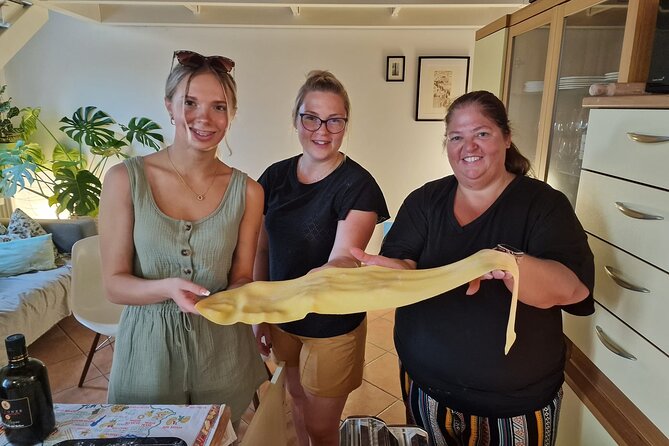
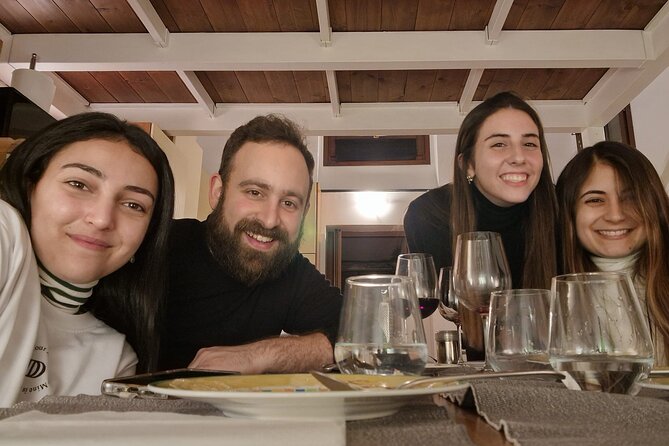
The finale is what makes this class feel worth the time. You’ll sit down with the other group members, who (in practice) become something like friends by the end of the session, and enjoy a family dinner made from what you prepared.
This isn’t just about the food, though the food is the payoff. It’s also the format. Cooking classes can sometimes feel like a take-home product. This one feels like an actual meal experience: you cook, you taste the results, and you share the table.
The wine and water included during the workshop keep the dinner part pleasant, and the aperitivo helps set up a social, relaxed pace. It’s the kind of evening where people naturally talk, ask questions about what they’re tasting, and compare small differences in technique.
And based on the strongest highlights people mention, the tagliatelle payoff can be memorable. When a class is structured well and the group stays small, you end up with a plate you’re genuinely proud of, not just something you sampled.
Price and value for about $100.82 per person
At $100.82 per person for a 3-hour class, the key question is value: what are you buying besides the meal?
Here’s what’s included:
- Ingredients for the main dishes (fresh pasta tagliatelle) and dessert (tiramisu)
- Wine served throughout the workshop
- Water and soft drinks for kids
- Welcome aperitivo with Italian products
- Family dinner
- Access to the chef’s apartment in central Milan
That’s a lot more than a “cooking demo.” You’re paying for:
- A small-group format that makes instruction more personal
- A real home setting, which is part of the experience
- A full sequence of cooking and eating, not just one dish
- Consumables included, especially wine
If you normally spend money on private food tours plus dinners out, this can feel like a practical bundle. It’s also a way to get an authentic slice of Milan life without spending all evening navigating restaurants.
The only direct caution is that special dietary or replacement dishes aren’t included by default. Special dishes are available on request with a different price. So if your needs are complex, plan ahead and communicate early.
Who this Milan cooking class suits best (and who should rethink it)
This experience is a strong match for you if:
- You want a Milan cooking class that ends with a real meal, not just tasting
- You like learning techniques, especially homemade pasta
- You prefer smaller groups, where you can get feedback instead of standing back
- You enjoy the Italian dinner rhythm, aperitivo first, then cooking, then sitting down together
It’s also a decent fit for families in the sense that soft drinks for kids are included. Still, you should use your judgment based on your child’s interest in a 3-hour cooking-and-eating schedule, since the class structure is clearly built around an adult cooking workshop.
You might want to rethink it if:
- You strongly need hotel pickup or very easy transportation
- You’re only interested in one dish and would rather spend your time elsewhere
- You have special requests that require replacement dishes, because those come with an extra price and need coordination
Practical tips so your 3 hours feel smooth
This workshop is short and focused, so small choices help you enjoy it more.
1) Arrive ready to work
Expect hands-on cooking. Wear clothing you don’t mind getting a little flour on. Comfort beats style here.
2) Ask questions early
In a group limited to 6, the best learning happens when you speak up. If something about the dough, sauce, or assembly doesn’t make sense, ask while you’re doing it.
3) Plan your pace for tasting
Wine is included throughout the workshop. Drink at a comfortable pace, and remember you still have active cooking ahead, then a family dinner after.
4) If you need changes, message ahead
The experience notes that special requirements can be handled if you let them know. If you need a dish adjustment, communicate early so the host can plan what’s possible.
5) Treat the apartment as part of the lesson
This isn’t a generic classroom kitchen. Access to the chef’s apartment in the heart of Milan is part of why this feels personal. Enjoy the setting, not just the recipe list.
Should you book this Milanese cooking class?
I’d book it if you want an evening that blends authentic Milan food, real instruction, and a sit-down meal with wine. The small-group size is the biggest advantage. It turns cooking from a spectator activity into something you actually learn and practice.
It’s also a good choice if you care about recreating the dishes later. Fresh pasta techniques and a well-built ragù are the kind of skills that make dinner at home feel special. Add tiramisu, and you leave with a complete menu.
I would hesitate only if transportation is a dealbreaker for you, since there’s no hotel pickup, and you’ll need to get to the bell Alegi meeting point on your own. If you can handle that, this is an excellent use of a 3-hour window in Milan.
FAQ
What dishes will I learn to make?
You’ll learn to make fresh pasta tagliatelle, a ragù, and tiramisu.
How long is the cooking class?
The experience lasts 3 hours.
How big is the group?
The group is limited to a maximum of 6 participants.
Is wine included?
Yes. Italian wine (red or white) is included and served throughout the workshop.
Is there an aperitivo before cooking?
Yes. You’ll enjoy a welcome aperitivo with typical Italian products.
Will I eat what I cook?
Yes. At the end, you’ll have a family dinner and enjoy the results of your work.
Where is the class located?
It’s in Lombardy, Italy, and it includes access to the chef’s apartment in the heart of Milan.
What’s the meeting point?
The start is at the bell Alegi, and the activity ends back at the meeting point.
Are hotel pickup and drop-off included?
No. Hotel pickup and drop-off are not included.
What languages are offered?
The instructor speaks English, Italian, and French.
Can I cancel for a refund?
Yes. There is free cancellation up to 24 hours in advance for a full refund.
More Workshops & Classes in Milan

More Cooking Classes in Milan
More Tour Reviews in Milan




Not for you? Here's more nearby things to do in Milan we have reviewed










Cooking Classes, compared.
 ★ 4.8Pasta and Tiramisu Cooking Class with WineFrom $611,106 reviews
 ★ 5.0Pasta and Tiramisu Small Group Cooking Class with WineFrom $83660 reviews
 ★ 5.0Milan Cooking Class: Authentic Pizza & Gelato MakingFrom $78582 reviews
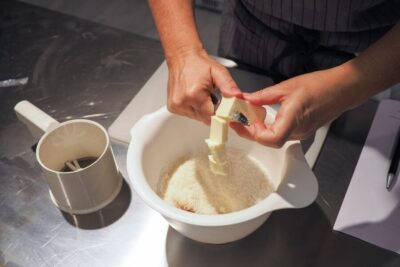 ★ 4.7Italian Cooking Class with Food and WineFrom $80509 reviews
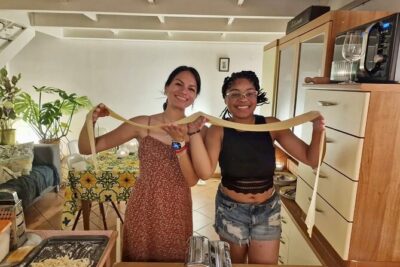 ★ 5.0Small Group Cozy Cooking Class in a Typical Milanese Home.From $83302 reviews
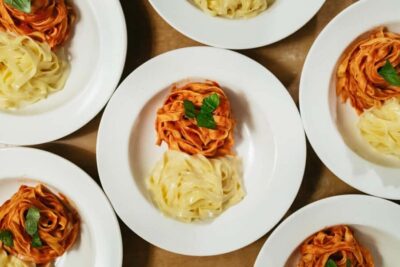 ★ 5.0Pasta & Tiramisu Cooking Class with Premium ProductsFrom $80255 reviews
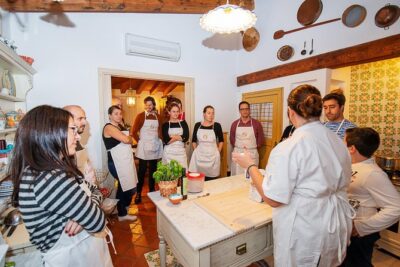 ★ 5.03-Recipe Italian Cooking Class in Como – Cesarine Best NYT HostsFrom $107186 reviews
 ★ 5.0Pizza Cooking Class with Tiramisù and Wine Tasting in MilanFrom $78172 reviews
Browse the lists this tour appears in