
Review · FOOD & DRINK
Milan: Wine Tasting with an Italian Sommelier
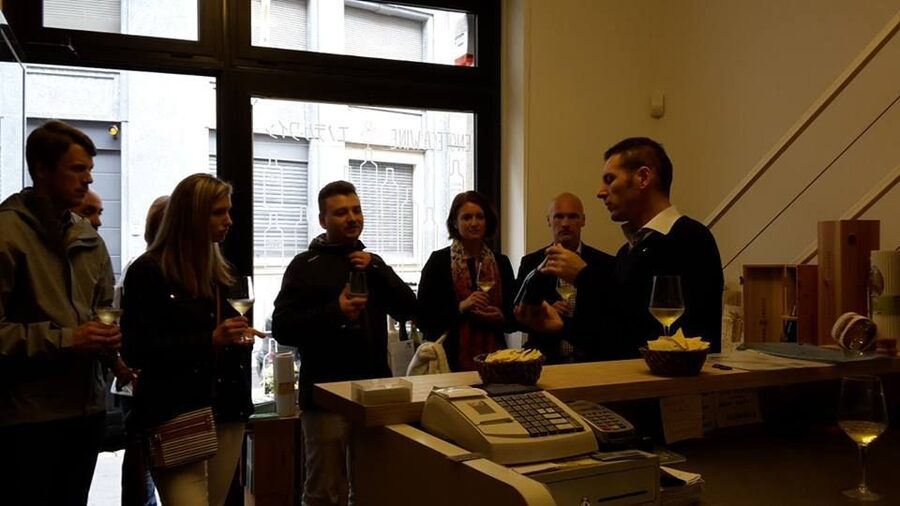
Milan turns wine into a sport, and this tasting fits perfectly. You get an expert Italian sommelier guiding three wines in about one hour, so it is focused and fun, not a slow classroom. I also like that the whole setup feels like a real local aperitivo stop, not a staged production.
The second thing I like: you are not just tasting. You learn how to think about grape varieties, fermentation, and what to look for while you sip, then you connect it to food pairings you can actually copy later.
The main drawback to consider is the price. At $102 per person for a one-hour session, it makes most sense if you genuinely want guidance, pairing ideas, and a tasting structure, not just a casual drink.
Key highlights you will care about
- Meet at Eno Bevo Vini Ribelli near Arco della Pace for an easy central Milan start
- 3 wines in one hour means you learn quickly without getting stuck in a long tasting
- English live guide keeps the tasting notes and tips clear
- Pairing-led experience with cheeses, cold cuts, olives, and local bread
- Sommelier-led technique covers fermentation and practical tasting methods
- Stefano gets big praise for enthusiasm and teaching
Where you start in Milan: Via L. Cagnola and a classic wine-bar vibe
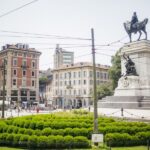
This tasting begins at Eno Bevo Vini Ribelli, on Via L. Cagnola 7, close to Arco della Pace. That matters more than it sounds. Central Milan can be confusing fast, so meeting at a specific address near a landmark helps you get there without stress and waste time.
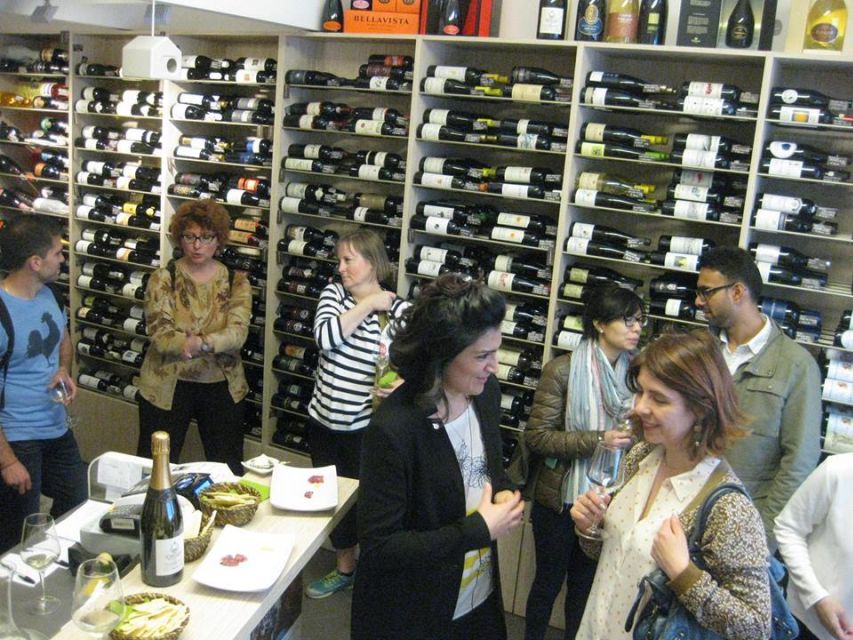
The setting is a wine bar in the heart of town. You can expect a classy, grown-up atmosphere, the kind of place where people linger over small plates and keep talking. One review notes the venue is a lovely little spot, and that matches what you want from a short tasting.
Since the session is only one hour, your arrival timing matters. I suggest planning to be there a few minutes early, so you do not feel rushed when the first pour starts.
You can also read our reviews of more food & drink experiences in Milan


The three-wine format: a smart way to learn fast
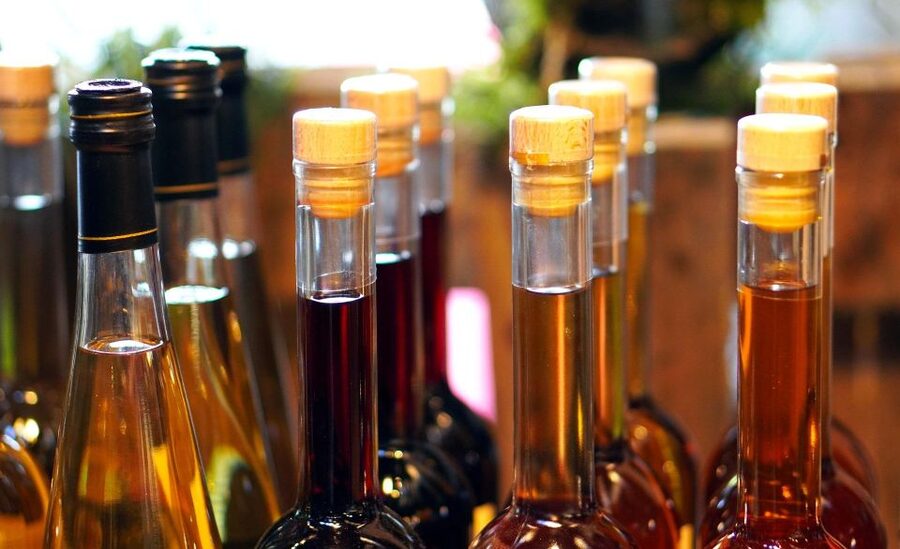
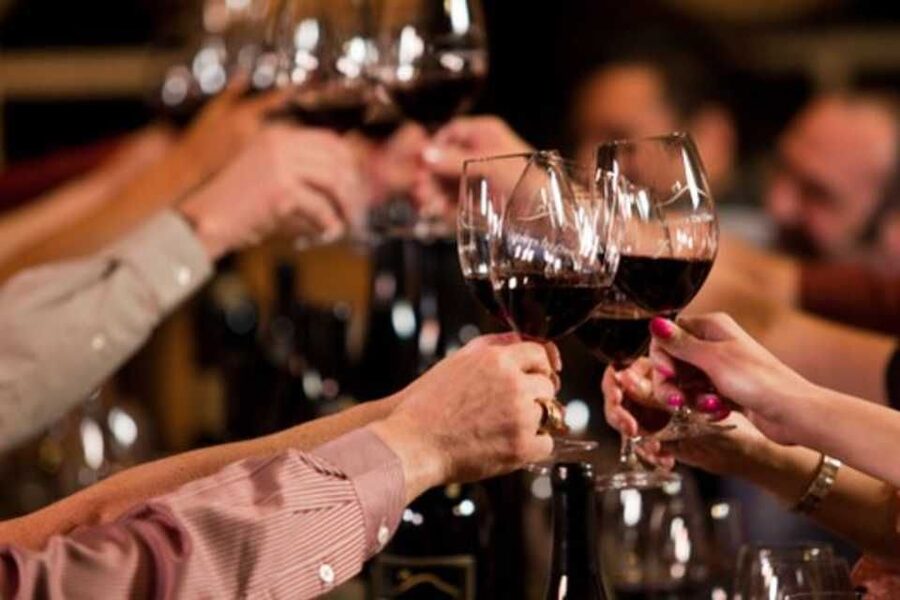
The heart of the experience is simple: you taste three carefully selected wines chosen with your enjoyment in mind. This format is great for first-timers because it stays manageable. You get enough variety to notice differences, but not so many glasses that everything blurs together.
Each wine comes with guidance. Your sommelier talks through grape varieties, and you also hear about the fermentation process at a level that connects to taste. You are not memorizing a textbook. You are learning what causes the flavors you notice, which is how wine education actually sticks.
This is also where the English guide matters. Knowing the tasting tips in clear language makes it easier to apply them right away, even if wine is new to you.
The aperitivo table: cheese, cold cuts, olives, and local bread
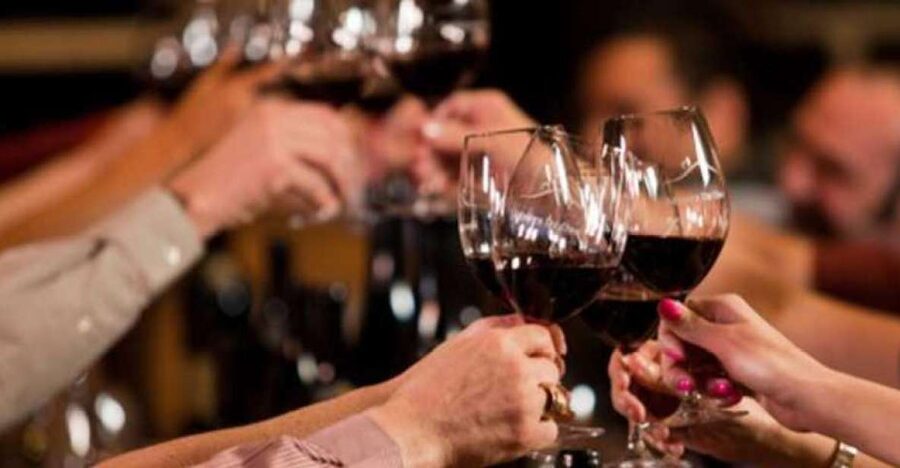
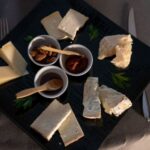
Wine in Italy rarely travels alone. In this tasting, the food is built in from the start, and it is not an afterthought. You get a tasty selection that includes cheeses, cold cuts, olives, and local bread.
That mix is useful for your palate training. Cheese and cured meats bring salt, fat, and texture. Olives add a briny, savory edge. Local bread helps you reset between bites. When you change foods while you sip, you start to understand what wine does when it meets something real.
Here is what I think you should pay attention to while you eat. Notice which wine feels smoother or sharper after cheese. See what happens when you take a bite of bread first, then sip again. Your sommelier can show you the logic, but you will do the learning through small comparisons.
If you already love aperitivo culture, you will enjoy that the tasting feels like part of it. One highlight from reviews is that the aperitivo is delicious, which is exactly what you want on a one-hour plan.
How the sommelier teaches pairing, not just pouring
A big part of the value here is that pairing is integral. You do not just get a list of what goes with what. You learn how pairing changes the experience, and you get tips on how to taste with intention.
Your sommelier explains how to match wines with the food on your plate. In practice, that usually means discussing balance: acidity versus richness, fruit versus salt, and aroma versus cured flavors. The goal is not to win an argument over preferences. The goal is to understand the pattern so you can make better choices later.
You will also learn tasting technique. That includes how to look, smell, and taste in a way that builds confidence. For example, if you ever felt like wine tasting was mostly about fancy words, this kind of guided approach helps you focus on what you can actually detect.
One review praises the guide’s information and enthusiasm, and that energy matters. When the educator is upbeat and clear, the lesson feels lighter, and you are more likely to retain it.
Grapes and fermentation: turning wine terms into flavor clues
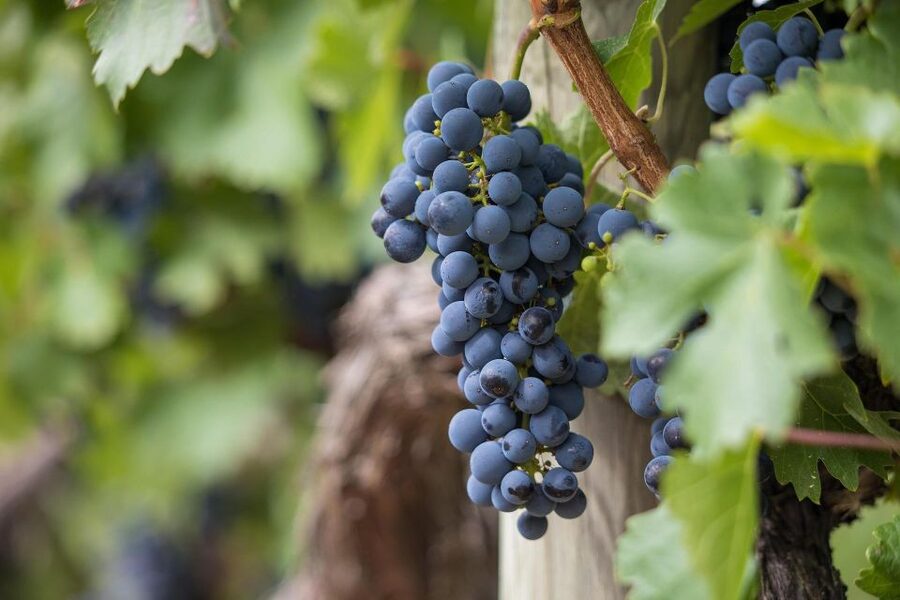
Wine language can be intimidating. Grapes sound like trivia. Fermentation sounds like science class. Here, the sommelier uses these ideas to explain what you are experiencing in the glass.
You learn about different grape varieties, which helps you stop treating wine as one big category called red or white. Instead, you start connecting style to origin and production choices. Even without memorizing names, you begin to recognize patterns.
Fermentation is another key piece. Your guide talks about the process and links it to taste, so you understand why a wine might feel crisp, smooth, aromatic, or more structured. Again, this is education with a purpose, not an overflow of facts.
This section is especially helpful if you plan to order wine in Italy afterward. After a lesson like this, menus feel less cryptic.
You can also read our reviews of more wine tours in Milan

What makes this a pleasant, not overwhelming, one-hour stop
A one-hour tasting can go two ways. It can feel rushed and vague. Or it can feel like a clear guided introduction. This format is designed for the second option because it stays focused on three wines and a real snack plate.
Also, the pacing likely works for most schedules. After you meet at Via L. Cagnola 7, you spend your time on tasting, pairing talk, and tasting technique. Then you return back to the starting point once the hour is up.
You also get something that many short tastings skip: practical food pairing. Cheese, cold cuts, olives, and bread turn it into a complete small meal experience. That is why the aperitivo vibe keeps showing up as a highlight.
If you are planning a full day of walking, this is a smart intermission. It is contained, central, and easy to plug into an itinerary without needing transport planning.
Price and value: is $102 per person fair for three wines?
Let’s talk about the big question: $102 per person for a one-hour experience with three wines and snacks. On paper, it is not “cheap,” and I would not sell it as that.
But the value case is strong because you are paying for three things at once:
- Professional sommelier time and structured guidance
- Three wines, not one or two sips
- A pairing-led setup with cheese, cold cuts, olives, and local bread
If you were to do this on your own, you could buy drinks, sure. But you would likely miss the explanation behind grape differences, fermentation, and why certain pairings work. This experience is built so you leave with usable ideas, not just a buzz and a memory.
So who is it worth it for? People who want to learn something specific in a short time. People who enjoy aperitivo culture. People who like the idea of buying a bottle later with more confidence, because you tasted with guidance first.
Who should book this, and who might skip it
This tasting fits best if you fall into one of these groups.
Book it if you:
- Want a guided wine intro with pairing and tasting technique
- Prefer a short, structured plan over a long sitting
- Enjoy eating while you learn, since the food is part of the experience
- Plan to explore more Italian wine after Milan
You might skip it if:
- You only want a casual drink and do not care about grapes, fermentation, or pairing logic
- You are looking for a multi-hour vineyard-style outing, because this stays in a wine bar setting in central Milan
Also, if you love learning but hate lectures, this format is usually a good match because it is delivered through tasting and comparison.
Buying bottles to continue the journey
One detail that makes this more than a one-off outing is that you can purchase bottles of your favorite wines to take home. That is not guaranteed to fit every budget, but it does matter as an option.
If you like the idea of turning your Milan stop into a longer memory, this is a practical way to do it. You can revisit flavors later, and you can even use your tasting notes and pairing logic when you share a bottle at home.
Just remember that you are still in a tasting context. The best move is to listen to what the sommelier recommends and buy only what genuinely makes sense to you.
Should you book this Milan wine tasting with an Italian sommelier?
I think you should book it if you want a smart, one-hour introduction to Italian wine with real guidance and real food pairings. The combination of three wines, sommelier teaching, and an aperitivo-style snack plate makes it feel like value rather than just a drink ticket.
The strongest reasons to go are the consistent praise for the guide’s enthusiasm and the feeling that you learn a lot quickly. If you want to walk away knowing what to look for when you order wine in Italy, this is the kind of experience that pays off fast.
If you are mainly there for nightlife drinks, skip it and find a bar on your own. But if you want a calmer, taught tasting in central Milan, this is a solid choice.
FAQ
How long is the Milan wine tasting?
The experience lasts one hour.
How many wines will I taste?
You will taste three wines as part of the tasting.
Where is the meeting point?
Meet your sommelier at Eno Bevo Vini Ribelli, Via Cagnola 7, near Arco della Pace in Milan.
What language is the live guide in?
The live tour guide is in English.
What is included in the price?
Wine tasting with a professional sommelier for three wines, plus snacks including cheese and cold cuts.
What food will be served during the tasting?
The tasting includes cheese, cold cuts, olives, and local bread.
What is not included?
Extras are not included.
What should I bring?
You should bring a camera.
Is there free cancellation?
Yes, you can cancel up to 24 hours in advance for a full refund.
Is the experience wheelchair accessible?
Yes, it is wheelchair accessible.
More Wine Tours in Milan

More Food & Drink Experiences in Milan

More Tour Reviews in Milan

Not for you? Here's more nearby things to do in Milan we have reviewed







Food & Drink, compared.
 ★ 4.5Milan’s Authentic Street Food tour: A Gourmet ExperienceFrom $116717 reviews
 ★ 5.0Small-Group Barolo Wine Tasting, Alba & UNESCO Piedmont HillsFrom $216689 reviews
 ★ 4.8Guided Street Food Walking Tour with Food TastingFrom $58654 reviews
 ★ 4.5Sunset Navigli Food & Drinks Tour by Do Eat BetterFrom $96517 reviews
 ★ 4.7Italian Cooking Class with Food and WineFrom $80509 reviews
 ★ 5.0Navigli Food & Drinks Tour with Eating EuropeFrom $125394 reviews
 ★ 5.0Domaso: Wine Tasting at the Winery on Como LakeFrom $76351 reviews
 ★ 4.5Lake Como: 2h Shared Boat Tour with Wine TastingFrom $134313 reviews
Browse the lists this tour appears in