
Review · HISTORICAL TOURS
Milan: Natural History Museum Entry Ticket & Audio Guide
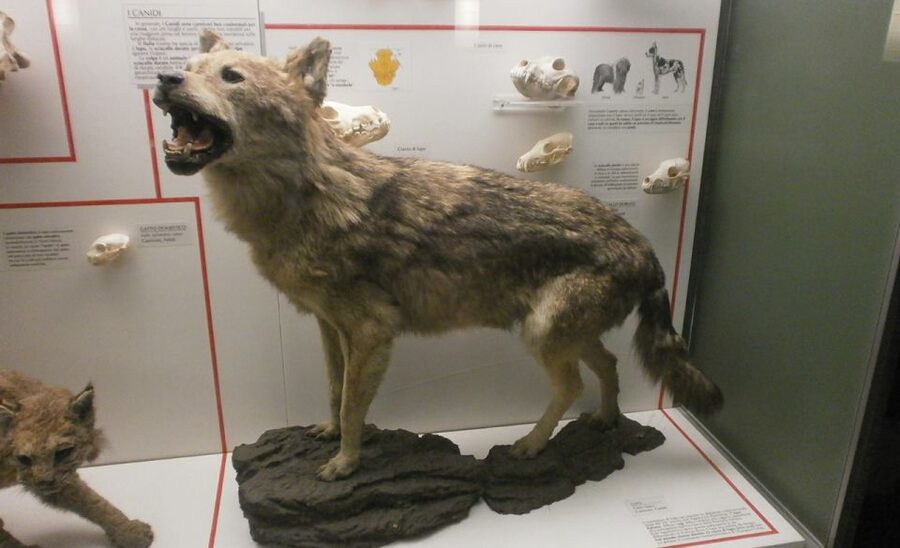
Science, fossils, and a garden view in Milan. I like this Natural History Museum ticket because the building feels elegant and the smartphone audio guide gives you 40+ audio points to follow at your own pace. You get to roam the galleries on your schedule, while the audio handles the storytelling.
What makes it especially practical is that the route is guided. You’re not guessing where to go next, because the app includes a digital map and points across paleontology, mineralogy, zoology, and botany. The audioguide also comes in multiple languages, so mixed-language groups can still enjoy the same plan.
One thing to plan for: you need headphones and a charged phone. If your QR download does not go smoothly right at the museum, expect some delay while you sort out the right link on your device.
Key highlights worth your time
- Entry plus audio guide on your phone so you can go at your pace without joining a group tour
- 40+ audio points with a digital map to help you navigate major sections
- Museum storytelling across paleontology, minerals, animals, and plants with evolution and conservation themes
- Multi-language audioguide in English, Italian, French, and German from April 15
- Museum setting in Indro Montanelli Gardens with pleasant breaks outside the galleries
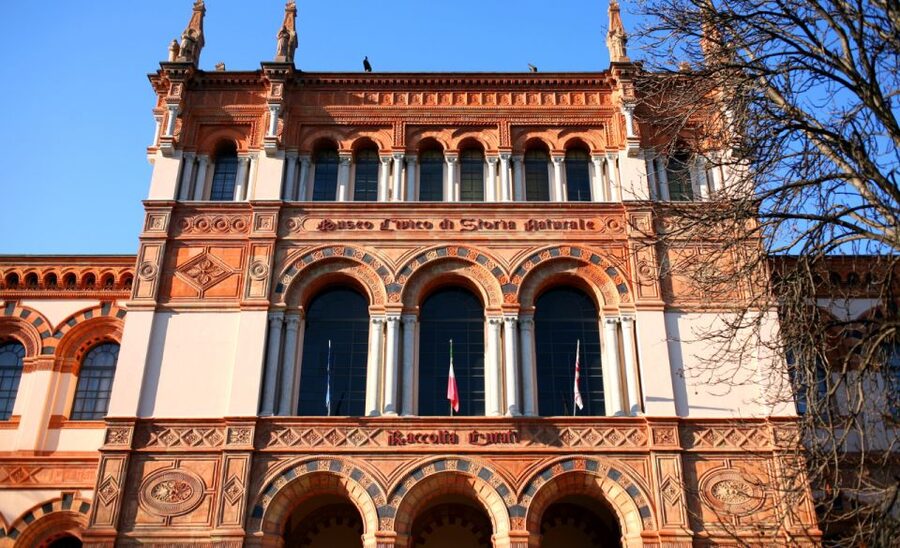
Natural History Museum Milan: architecture and a garden setting
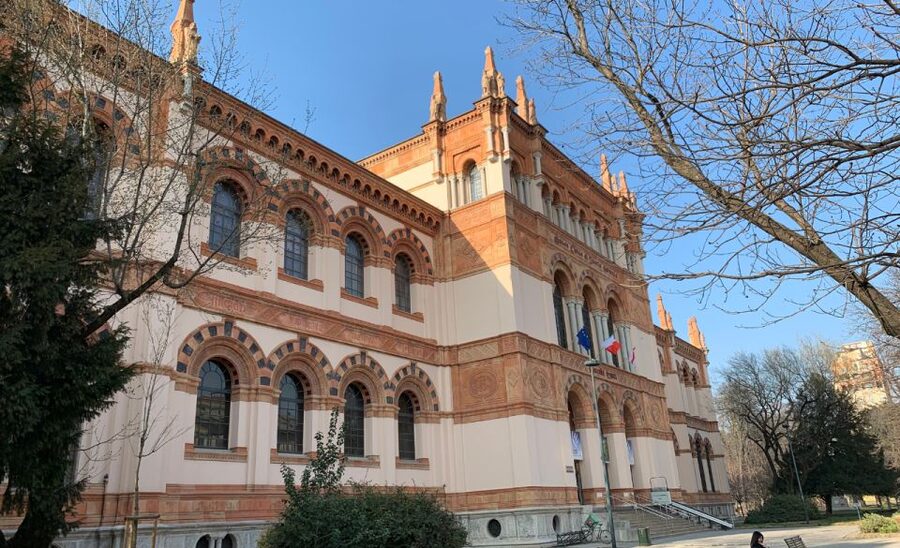
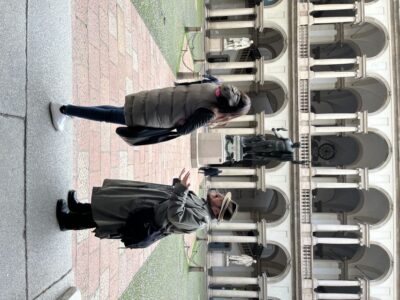
This is a museum you can enjoy even if you are not a hardcore science person. The Natural History Museum sits in Indro Montanelli Gardens, and that matters more than you might think. You get a built-in reset from city noise, plus easy options for a short walk before or after your ticketed time inside.
Inside, the attraction is not just what is on display, it is also the historic, architectural feel of the museum itself. Expect that classic 19th-century European museum vibe, where tall rooms and formal halls make the exhibits feel like part of a bigger story. In other words, it is not only a place to read labels. It is a place to slow down.
Plan to spend a good chunk of your 2 hours looking at the collection and letting the audio guide tie things together. The museum’s focus covers big natural-world themes, from early fossil discoveries to today’s conservation thinking. And because you can move freely, you can spend extra time where your interests land.
A few more Milan tours and experiences worth a look


How the e-ticket and QR audio download work (no surprises)
This experience is built around a phone experience. You receive an e-ticket that you show on your mobile device at the museum. In addition, you download the audioguide using a QR code from your voucher, and the audio comes through an app on your smartphone.
A key timing detail: the e-ticket is sent via WhatsApp within 24 hours of your travel date. That means you should not wait until the morning you arrive to sort it out. If you are the type who travels on low battery and low patience, charge your phone the night before.
At the venue, use the QR code from your voucher to download the audio guide before you begin. If the link you get seems off, stop and rescan carefully. One problem described with a previous booking involved the audioguide leading to the wrong museum, so treat the QR step as the source of truth. When you do it correctly, you avoid wasting part of your paid 2-hour window.
Also bring headphones. Headphones are not included, and the audioguide is the whole point of the experience. If you show up with no headphones, you still have the entry ticket, but the value drops fast.
Following the audio stops: fossils, minerals, animals, and plants
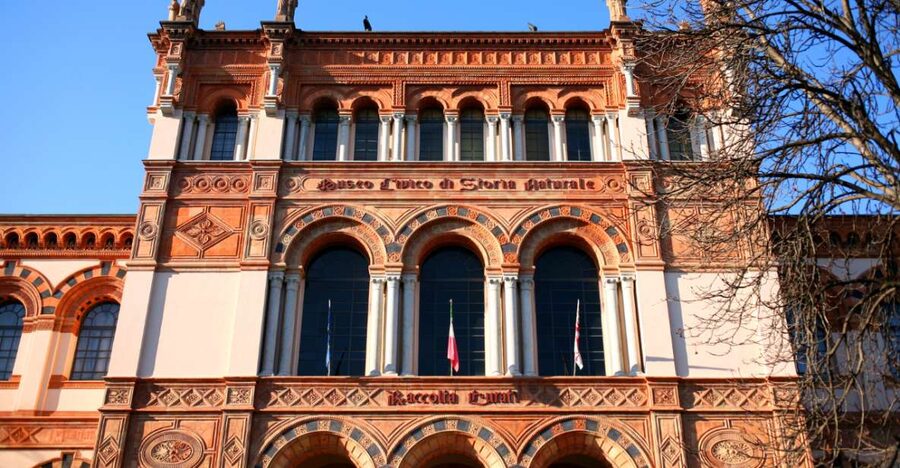
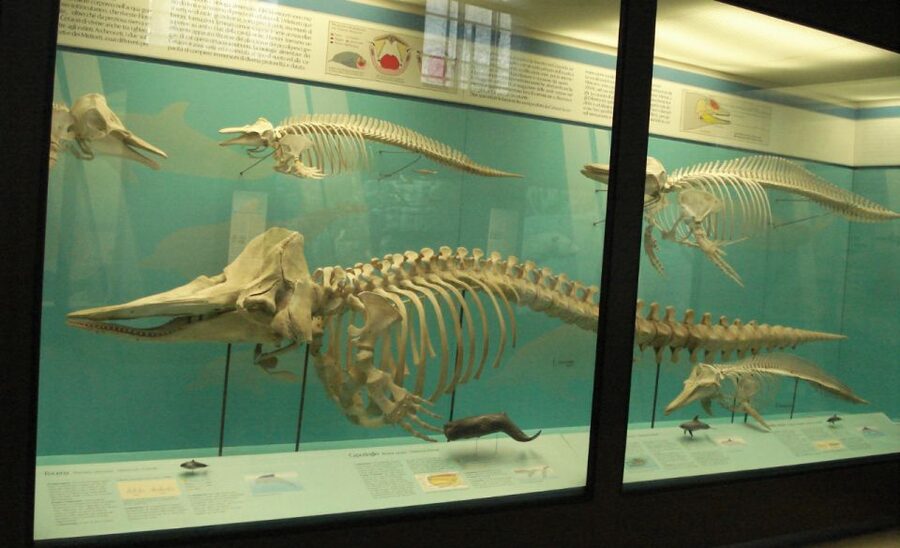
The core of your visit is the self-guided audioguide with more than 40 audio points. The audio is designed to turn stationary displays into a guided storyline, so you understand why a fossil, a rock, a specimen case, or a plant collection matters.
Here is how the museum’s themes fit together, and how you can use the audio points to stay oriented:
Paleontology: fossils and evolution stories
For paleontology, the audio points focus on fossils and the longer story of how life changes over time. This is where you will likely spend the most time if you like big-picture science. The audio style is meant to help you connect what you are seeing to how scientists interpret the past.
A practical tip: when an audio point starts, look at the main exhibit first, then listen. That way the description attaches to shapes and details you can actually see.
Mineralogy: how formations become clues
Mineralogy shifts you from living things to the materials of the Earth. Expect explanations about mineral formations and how they help tell scientific stories about the planet’s history.
This section is a good reminder that natural history is not only bones and bugs. Rocks and crystals are part of the same scientific puzzle, and the audio points help make those connections without needing a textbook.
You can also read our reviews of more guided tours in Milan



Zoology: diversity of life forms
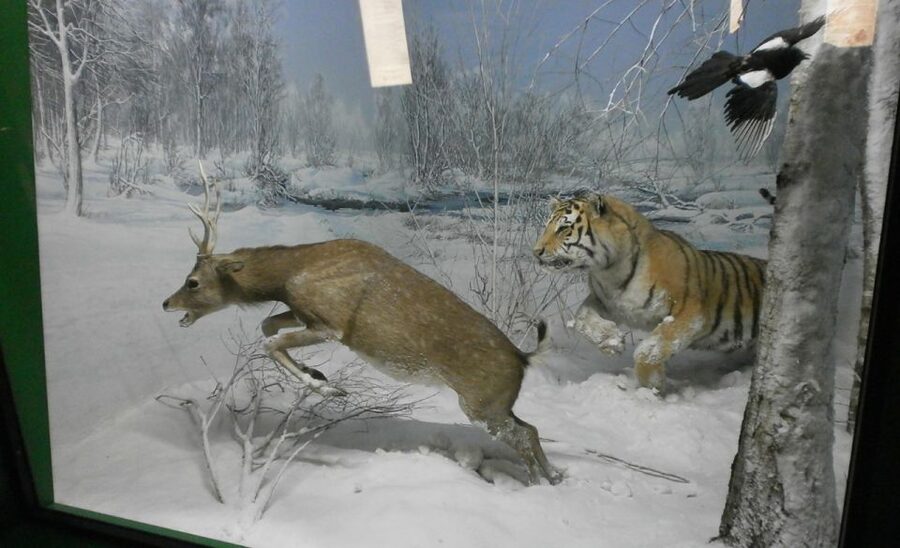
Zoology is built around understanding diversity, and the audio points are meant to help you see how different life forms fit together. If you like nature photography, conservation documentaries, or just learning what makes animals different, this is the section that usually delivers the most wow-per-minute.
Because you are self-guided, you can stay longer on the exhibits that catch your attention. If you rush, you will still learn the basics, but the audio works best when you let yourself pause.
Botany: plants as living history
Botany rounds out the set by moving from animals and fossils into the plant world. The audio points here connect plant life to broader natural history themes, so the museum feels like one continuous idea rather than separate departments.
If you are traveling with kids or mixed ages, botany is often easier to enjoy than technical-only geology, because the visuals are immediate. Even if you are traveling solo, plants are an easy topic to keep your interest up during the second hour.
Conservation: why the story matters today
Across the audio points, conservation appears as a theme. That is important because it links museum specimens to modern responsibility. It is not just about admiring old displays. It is about understanding what scientists want to protect now.
When you hit a conservation-themed stop, consider taking one extra minute to read the exhibit label after the audio finishes. That small habit usually makes the information stick longer.
Making a 2-hour loop feel easy with the digital map
The ticket is sized for a 2-hour visit, and that is realistic if you use the audio points efficiently. You do not need to chase every single audio location in order to get a satisfying visit. The smart move is to follow the map and pick what you want to hear.
The app’s digital map and navigation help you keep your bearings. That matters because museums can feel bigger than they are once you start walking without a plan. With the map, you can keep momentum and avoid dead ends.
How I would structure your time:
- First 30 to 45 minutes: start with paleontology stops, then connect into minerals
- Next 45 to 60 minutes: move through zoology and spend extra time on the specimens that catch your eye
- Final 15 to 30 minutes: wrap with botany and conservation themes, then take a last look before leaving
If you enjoy quiet, you may like scheduling your visit when the museum is calmer. One booking noted that the museum was very calm on a Sunday. If you are trying to hear every audio point clearly, a quieter time slot can make a big difference.
And do not forget the practical part: your phone volume, battery life, and comfort matter. If the phone is low, your visit can slow down. If your headphones are uncomfortable, you will avoid listening, and then the audioguide becomes just a promise.
Price and value for a $12 museum plus phone audioguide
At $12 per person, this is a value-style ticket because you are buying two things at once: entry and the audioguide experience. You are not just paying for access to the collections. You are paying to understand them, with guidance in multiple languages.
You also get a skip-the-ticket-line benefit. For a museum visit, that time savings can be meaningful. When you arrive, you want your two hours to start in the halls, not in a queue.
The language options are also part of the value. The audioguide includes English, Italian, and French, and German becomes available from April 15. If you are traveling with someone who needs a specific language, that matters. It means you do not have to split up or settle for a less-comfortable audio choice.
One more included item that can add value: the app also includes a self-guided tour of Milan. That is handy if you want to keep using the same phone experience after the museum. Even if you do not do the full city tour, the fact that it is included means your ticket can turn into a longer day of exploring.
A quick note on decision-making: you are paying for the package, not only the entrance. So if you are the type who likes to compare ticket sites, make sure you are comparing apples to apples. Here, the audioguide is part of the deal, and that is why the price makes sense for many people.
Who should book this, and who might not love it
This works best if you like flexibility. You are not locked into a group schedule, and you can pause your audio when you want to read labels or just look longer at a specimen. It is also ideal if you want structure without needing a live guide.
You will probably enjoy it if you:
- like learning natural science topics through storytelling
- want a museum plan that works in English, Italian, French, or German
- prefer self-paced walking for a 2-hour visit
- value skipping the ticket line
You might hesitate if you:
- want a fully guided, person-led tour
- do not want to rely on an app or QR download at the venue
- show up without headphones or a charged phone
This is not a criticism of the museum. It is just how the experience is designed. The audio is the product, and the phone setup is part of that.
Should you book this Milan Natural History Museum audio ticket?
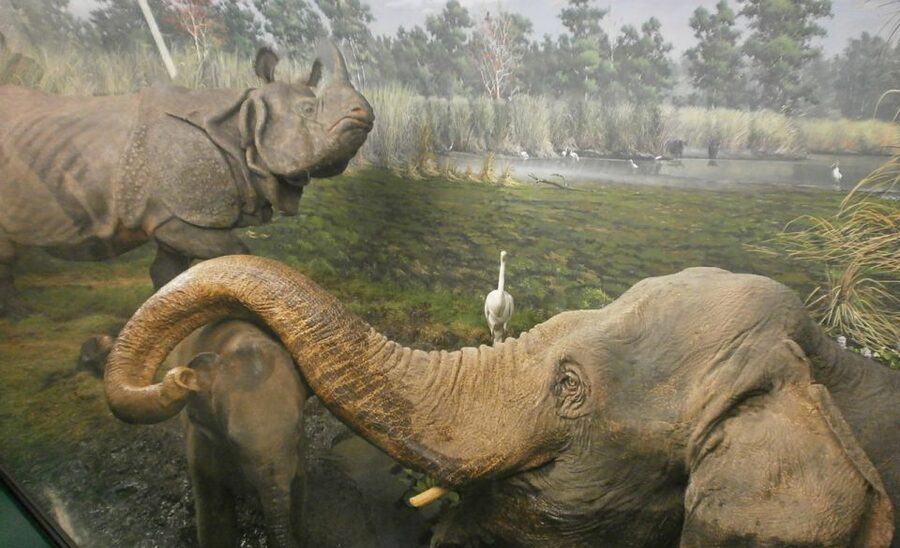
Yes, I think you should book it if your goal is a smooth, self-guided museum visit where the science is explained for you. The combination of museum entry, a smartphone audioguide with 40+ points, and a digital map makes the visit feel organized without turning it into a rushed checklist.
I would book confidently if you plan ahead with a charged phone and bring your own headphones. I would also scan the QR code carefully on arrival, especially if you have ever had issues with apps opening the wrong content. Getting the right audioguide quickly is how you protect the value you paid for.
If you want a live guide, skip the audio and look for a group tour instead. If you are comfortable using your phone as a guide, this is a practical way to see a major Milan museum in a focused 2-hour window.
FAQ
How long is the Natural History Museum visit?
The experience is scheduled for 2 hours.
Is this a guided tour with a person?
No, this is a self-guided experience. The audioguide is on your smartphone.
Do I need headphones?
Yes. Headphones are not included, so bring your own.
What languages are available for the audio guide?
The audio guide is available in English, Italian, and French. German is also available from April 15.
How do I get into the museum?
You use an e-ticket on your mobile device. Staff scan or review your ticket at the venue.
How do I download the audio guide?
Scan the QR code on your voucher to download the audio guide before you arrive.
Where is the meeting point?
Go directly to the museum at Indro Montanelli Gardens, Corso Venezia, 55.
Does it include entry ticket access?
Yes. The package includes an entry ticket for Milan Natural History Museum.
Is the venue wheelchair accessible?
Yes, the experience is listed as wheelchair accessible.
Can I cancel and get a refund?
Yes. You can cancel up to 24 hours in advance for a full refund.
More Guided Tours in Milan
More Tickets in Milan

More Tour Reviews in Milan


Not for you? Here's more nearby things to do in Milan we have reviewed









Historical Tours, compared.
 ★ 4.5Historic Milan Tour with Skip-the-Line Last Supper TicketFrom $1111,976 reviews
 ★ 4.9Fresh Pasta and Tiramisù Class in A Historical HomeFrom $84195 reviews
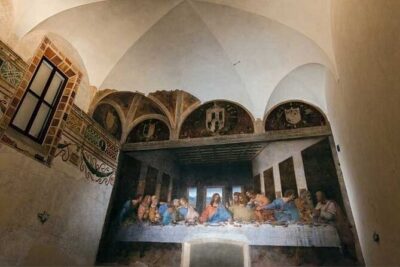 ★ 4.5Step Into History: Leonardo Vinci’s Last Supper TourFrom $114175 reviews
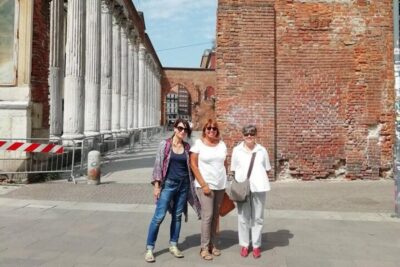 ★ 4.7Historic Private Walking TourFrom $4149 reviews
 ★ 5.0Como city and its History Exclusive Walking Tour (1 h from Milan)From $8441 reviews
 ★ 5.0Brescia the Unexpected: History, Local Stories & a drinkFrom $10231 reviews
 ★ 4.9History & Street Food Tour with Wine TastingFrom $10130 reviews
 ★ 5.0Explore History and Style with this Walking Tour in MilanoFrom $19215 reviews
Browse the lists this tour appears in