
Review · HISTORICAL TOURS
Milan : Historic Private Walking Tour
Milan clicks into focus on this two-hour walk. You start in the modern Porta Nuova area and work your way through major stops people actually travel for, including the Porta Garibaldi zone and the path toward Milan’s core sights, with a private guide who can steer the pace.
I especially like how customizable this tour feels in real time. If you’re more into paintings, buildings, or just getting practical pointers for the rest of your stay, your guide can shape the route around what you care about, and you’re not stuck with a rigid script.
One thing to consider: if you want a super technical, architecture-nerd lecture at every stop, you’ll want to say that up front. In a couple cases, the experience was described as more of a relaxed stroll than a deep building-by-building explanation, so set expectations early.
Key highlights worth planning for
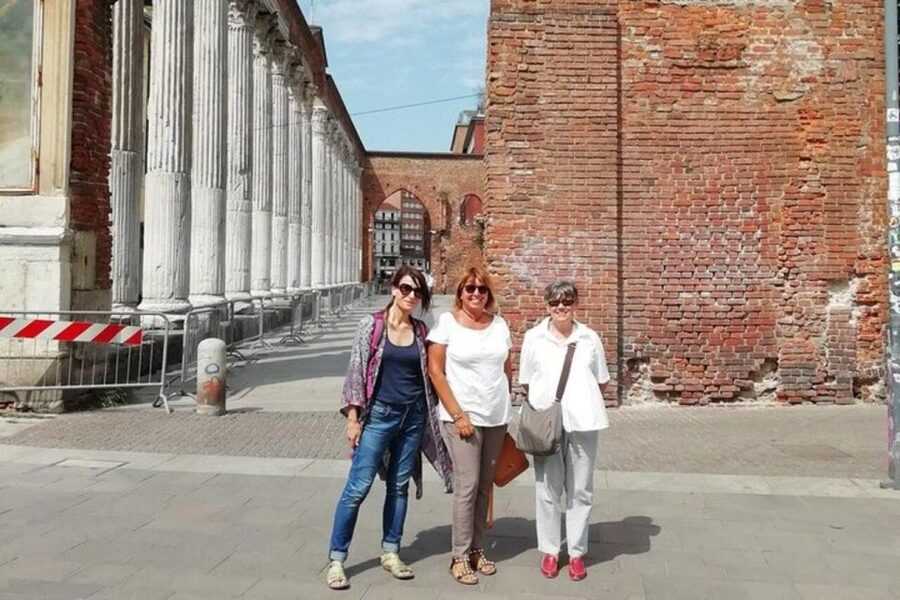
- True private format in a 2-hour window, so you can ask questions and adjust fast
- A route that mixes eras, from the art world at Brera-related stops to newer Milan architecture
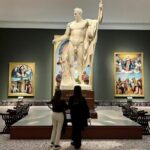
- Several guided entries, including museum time like Pinacoteca Ambrosiana and Gallerie d’Italia
- Modern Milan icons in the middle, like Bosco Verticale and the UniCredit Tower area
- Local-life stops like N’Ombra de Vin, plus classic churches that anchor the walk
Two Hours, a Route That Actually Helps You Navigate Milan
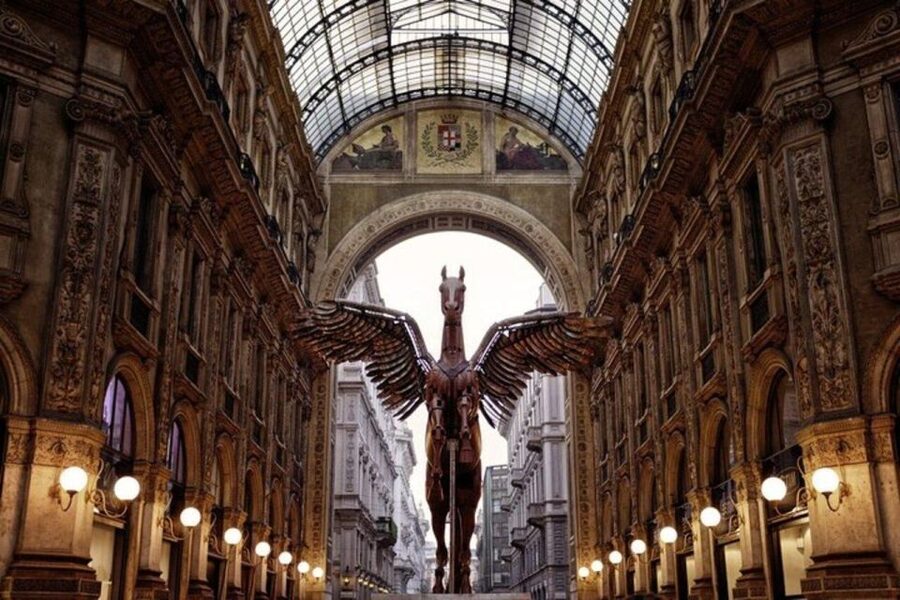
This tour is built for people who want momentum. Two hours is long enough to hit the big visual anchors, but short enough that you still have energy for aperitivo, dinner, and a second pass at anything you liked.
I like that the plan doesn’t treat Milan like one single museum. You get art-side Milan, design-side Milan, and church-and-squares Milan in one continuous loop. That variety matters because Milan is a city of layers, and you’ll feel that layering instead of just reading it on a sign.
Also, the guide is where the value really shows. The tour includes live guidance in English, French, Italian, and Spanish, and the best guides in the experience type (Davide, Daniela, Gabriella, and Ismail were named) were praised for clarity and for answering detailed questions without making you feel rushed.
You can also read our reviews of more walking tours in Milan

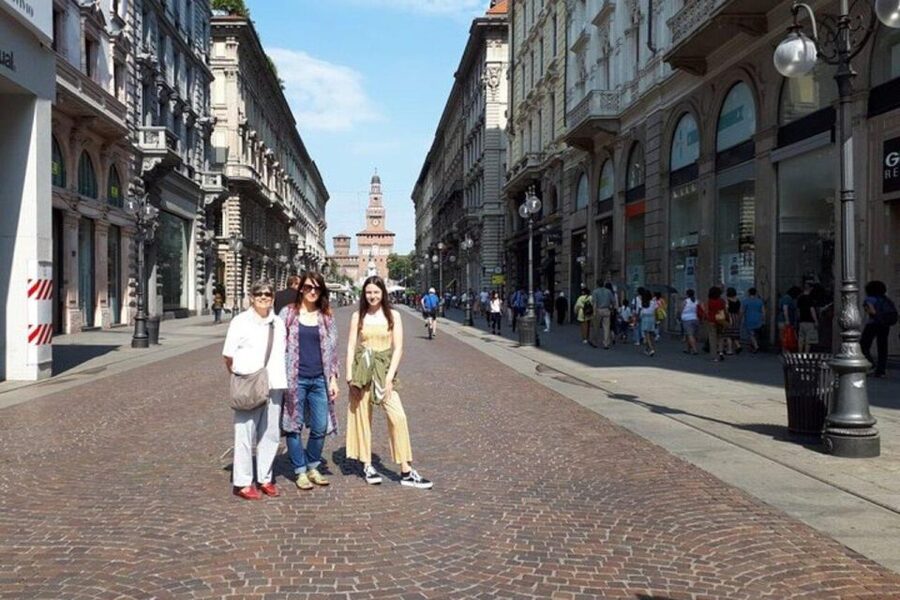
Starting at Piazza Gae Aulenti, Setting the Tone for Your Trip
Your meet-up is Piazza Gae Aulenti, 8. That’s a clever start if you like getting your bearings quickly, because Piazza Gae Aulenti sits in the modern heart of town where Milan shows off its newer face.
From there, the walking flow pulls you between zones instead of bouncing randomly across the map. You’ll see how the city connects modern offices, cultural buildings, and older neighborhoods, which makes it easier later to plan your own walks toward the Duomo area and beyond.
If you’re the kind of traveler who likes to understand how neighborhoods “fit,” this start helps. You get context before you start chasing specific sites on your own.
Pinacoteca Ambrosiana, Art Time That Connects to the City
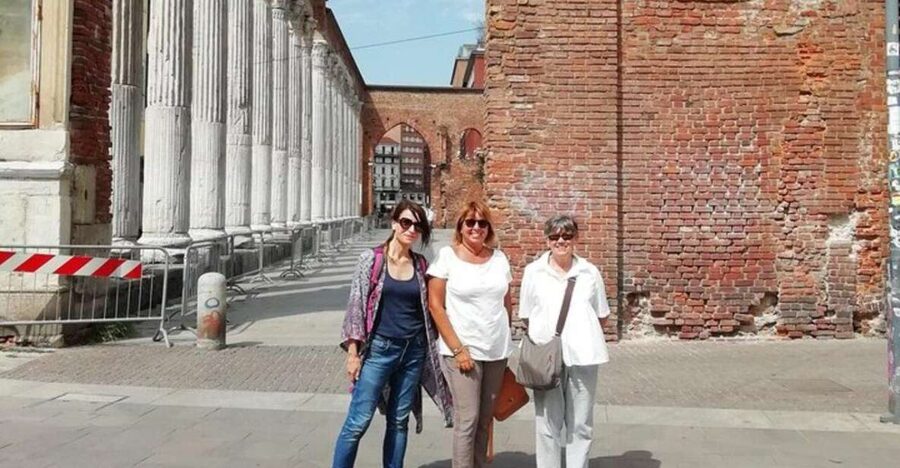
One of the guided stops is the Pinacoteca Ambrosiana, a major art stop in Milan. The tour also schedules additional indoor time later, so you’re not just doing a quick outside look.
Art stops work best on a guided format when you want interpretation, not just facts. The tour structure gives you that, and in this kind of pacing you tend to notice details you’d otherwise miss, like how the gallery’s atmosphere fits Milan’s broader culture of scholarship and looking closely.
A practical tip: if you have a short attention span or you’re visiting with kids, tell your guide early. A good guide will adjust what you focus on inside museums so it still feels fun, not like a textbook.
Bosco Verticale and UniCredit Tower, Modern Design With Real Human Scale
Next you hit Bosco Verticale, the pair of residential towers covered with more than 900 trees on terrace-like spaces. Even if you don’t know anything about architecture, this is the kind of place where design becomes visible in a very immediate way.
Then you move into the UniCredit Tower area. The tour gives you the chance to connect what you’re seeing to why it matters in Milan: the city likes experiments, but it also likes making them part of everyday life.
This section is ideal if you’re torn between “old Milan” and “new Milan.” You get both without needing separate days.
Porta Garibaldi and Piazza Gae Aulenti, Where Milan Looks Like a Working City
You’ll spend time around Porta Garibaldi, including a guided walk past the area. Then the route returns toward Piazza Gae Aulenti again, which helps you triangulate the modern districts and see how pedestrian movement connects them.
These stops are useful even if you’re not a fan of streetscapes. The guide can help you read the city: what’s a landmark, what’s a corridor, and what’s just local flow.
This is where many private guides shine, because you’re not only looking. You’re learning how to move. Guides who live in Milan can also answer the question people don’t always ask out loud: where locals actually go when they want a good break from sightseeing.
You can also read our reviews of more private tours in Milan
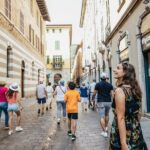

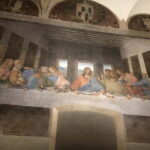
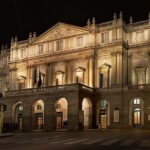
Basilica di San Simpliciano, Old Walls With a Calmer Pace
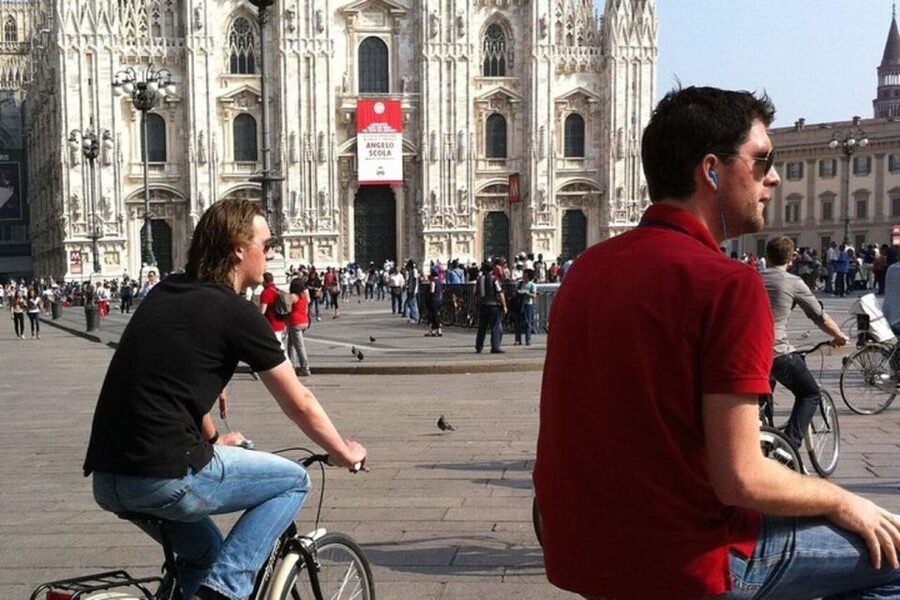
After the modern stretch, you shift into older Milan through stops like the Basilica di San Simpliciano. Churches change the tempo of a walk. Even when you’re moving, you start seeing details more slowly.
A guided stop here is more than “look, a church.” It helps you understand why these places keep their power through the centuries, and how Milan’s religious architecture fits into the surrounding squares and streets.
If you’re planning your day, this part is a good mental reset. It breaks up the design intensity so the later museum and gallery stops feel less like a marathon.
N’Ombra de Vin and Local Vibe Stops That Keep It Real
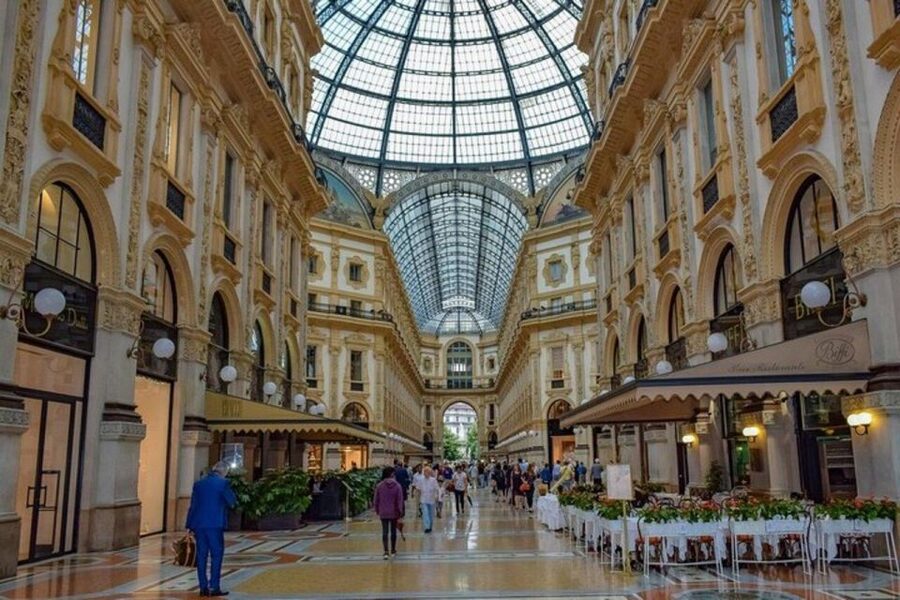
You also pass by or stop at N’Ombra de Vin. This is the kind of place that helps the tour avoid becoming a checklist of monuments.
It’s where you start getting the practical Milan advice that makes the rest of your trip easier, like where to eat, where to slow down, and what timing makes a difference for coffee and casual breaks.
In the experience, guides offered very specific local rules of thumb. One memorable example was advice about espresso spots around Armani, plus a clear take on cappuccino timing, where cappuccino is treated differently depending on the day part. That kind of detail is exactly what you want from a guide, because it’s actionable.
Chiesa di Santa Maria Incoronata and Piazza Mercanti, Classic Milan in a Compact Block
The route includes Chiesa di Santa Maria Incoronata and Piazza Mercanti. These stops give you that “real neighborhood” feel you don’t get if you only focus on major tourist zones.
What I like about church-and-square sequences is that they show you architecture and daily life side by side. You can see how streets, façades, and public spaces work together.
The tour schedule includes the church more than once. That might sound repetitive on paper, but on a guided walk it often means you see the same landmark with different timing and context, or you’re allowed enough time to understand what matters before you move on.
SUPER Milano and Gallerie d’Italia, Culture Stops Beyond the Usual Photos
The itinerary includes SUPER Milano and the Gallerie d’Italia guided time. This is where the tour expands beyond the most obvious sights, and it helps if your travel style includes culture that isn’t just a single famous cathedral.
Museum and gallery visits make the walk feel like more than street scenery. They also help you interpret the city’s identity. Milan puts energy into art institutions, design culture, and curated exhibits, and this part of the tour reflects that.
Keep expectations realistic. A 2-hour tour can’t turn you into an art historian. But it can give you enough direction that when you visit on your own later, you know what to look for.
Walking, Public Transport, and Why Timing Matters on a 2-Hour Private Tour
The tour includes a walking component and public transport as part of the plan, unless you pick one of the options that changes that. In a city like Milan, mixing short walks with quick rides prevents you from wasting half your time in transit.
This matters because the tour already packs in indoor and guided segments. When the day is tight, you want the route to protect your energy, not just hit more stops.
Also, you’re not just walking with a map. You’re walking with an explanation. The guide can point out what you should notice, and where you can safely spend extra time later if one stop grabbed you.
Price and Value: Why $41 Can Actually Make Sense
At $41 per person for a 2-hour private tour, the main value question is simple: do you want guidance, not just photos?
If you’re traveling with someone who wants answers, or you’re the kind of person who likes to ask “why is that there?” this price often feels reasonable. You’re buying time with a person who can tailor the route and suggest what to do next, including places to eat and see.
The tour also includes help from the team to book tickets for the visits you want. That saves friction, especially if museum entry times matter.
One more practical perk: the group is private and exclusive, so you’re not squeezing your questions between other people’s schedules. In this kind of format, the guide’s personality matters, and the experience has been strong when guides adjusted the tour to your interests and your prior sightseeing.
Getting the Most From Your Guide, Ask These Things
This tour works best when you treat the guide like your on-the-ground planner. Here are a few questions that fit the itinerary you’re getting.
Ask what to focus on at Pinacoteca Ambrosiana and Gallerie d’Italia if you want a quick but meaningful view. Ask what section of the walk is most worth repeating later, if you have only one extra day in Milan. And ask for one practical neighborhood tip related to coffee or an easy aperitivo stop.
If you care deeply about architecture, say it. One experience described the tour as more casual when expectations were more technical, so it helps to set the tone from the start.
Guides also seem willing to adapt based on what you already saw. If you’ve visited other sights earlier in the week, tell them. That helps keep the walk from feeling like it’s repeating what you already know.
Who This Tour Fits Best
This is a strong choice if you want a high-quality orientation to Milan in just 2 hours. It’s also a good fit for mixed-interest groups, because you get art, modern design, and church-and-square structure in one plan.
It’s especially good if you like to travel with local guidance for the rest of the day. The tour explicitly includes advice for other things to do in the city, and that can be the difference between a decent visit and a really smooth one.
Families and multi-age groups may also like it, since the walk is guided and can be adjusted to different attention spans, though that depends on how your guide handles your pacing.
Quick Practical Notes Before You Go
The tour is offered with live guides in multiple languages, and it’s wheelchair accessible. You’ll need comfortable shoes for the walking portion, and you should plan to keep your day flexible, since ticketed indoor moments can set the rhythm.
Food and drinks are not included. So if you’re hungry, plan for a pause on your own, or use the guide’s recommendations for where to stop.
Free cancellation up to 24 hours in advance and a reserve now, pay later option are also available, which is useful if you’re juggling museum times and weather.
Should You Book This Milan Private Walking Tour?
Yes, if you want an efficient private introduction to Milan that mixes art, modern architecture, and classic churches, and if you value a guide who gives you next-step ideas for the day.
Wait or adjust expectations if your top priority is ultra-technical architecture analysis at every stop. You can still book, but message your priorities when you start, so your guide leans into the level of detail you want.
If you’re deciding between “see a few big sights on your own” and “get a guided route that helps you understand Milan fast,” this tour is the second option in a compact, private format.
More Walking Tours in Milan


More Tours in Milan
More Tour Reviews in Milan

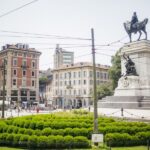
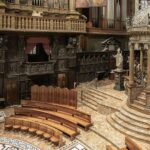
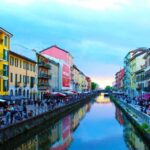
Not for you? Here's more nearby things to do in Milan we have reviewed








Historical Tours, compared.
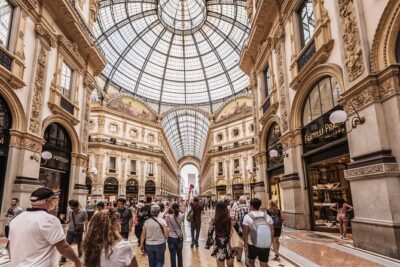 ★ 4.5Historic Milan Tour with Skip-the-Line Last Supper TicketFrom $1111,976 reviews
 ★ 4.9Fresh Pasta and Tiramisù Class in A Historical HomeFrom $84195 reviews
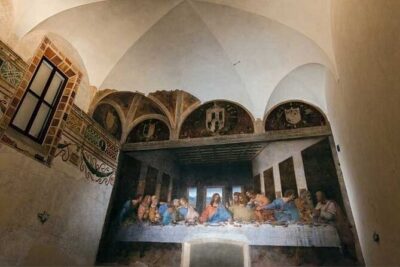 ★ 4.5Step Into History: Leonardo Vinci’s Last Supper TourFrom $114175 reviews
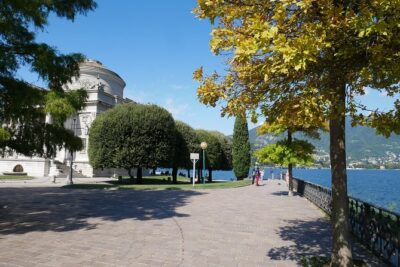 ★ 5.0Como city and its History Exclusive Walking Tour (1 h from Milan)From $8441 reviews
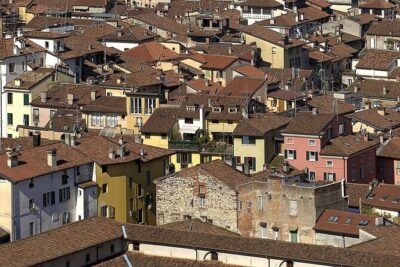 ★ 5.0Brescia the Unexpected: History, Local Stories & a drinkFrom $10231 reviews
 ★ 4.9History & Street Food Tour with Wine TastingFrom $10130 reviews
 ★ 4.2Natural History Museum Entry Ticket & Audio GuideFrom $1225 reviews
 ★ 5.0Explore History and Style with this Walking Tour in MilanoFrom $19215 reviews
Browse the lists this tour appears in