
Review · HISTORICAL TOURS
Milan, a city of art an history. Classic tour of Milan
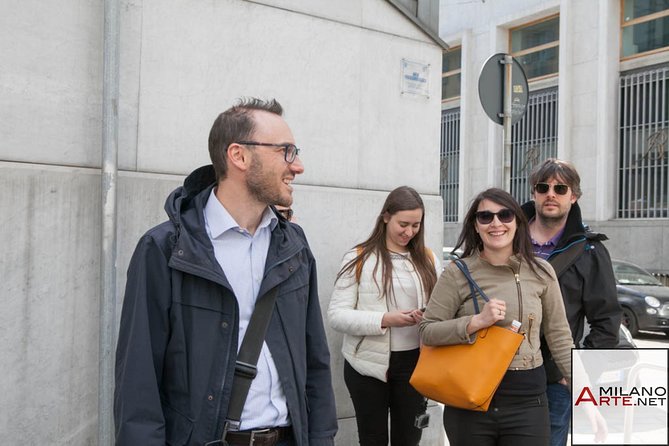
Milan can feel huge at first, but this tour gives you a clean path through the big names. I especially like the mix of stops, Duomo di Milano to Castello Sforzesco, so you get both religious and Renaissance-style Milan in a few hours. I also like that it is private for your group up to 15, so you are not stuck with a loud, rushing mob.
The main thing to consider is pace. This is a tight circuit, so if you want extra time at one site, you may feel slightly pushed, especially toward the end.
Key Things I’d Highlight Before You Go
- Fast-track help plus a ticket booking service, so you spend less time on the boring parts
- Private group format (only your group), up to 15 people, which makes the flow calmer
- Guides with real personality, including AnnaMaria and Davide, who were praised for explanations and patience
- A smart mix of icons, from Duomo to Galleria Vittorio Emanuele II to Teatro alla Scala to Castello Sforzesco
- Castello Sforzesco as the payoff stop, with an extra-long visit and strong historical framing
- English is offered, and in feedback I saw Spanish-language service as well
A Classic Milan Circuit That Actually Fits Real Schedules
This tour is built for people who want the headline sights without turning the day into a marathon. In about 2 to 3 hours, you cover four major landmarks: Duomo di Milano, Galleria Vittorio Emanuele II, Teatro alla Scala, and Castello Sforzesco.
The format matters. You meet at P.za del Duomo, 2, 20122 Milano MI, and the tour ends back near the same spot. That keeps navigation simple for your first visit, and it helps if you want to head straight to lunch or your next reservation afterward.
It also helps that this is a private tour/activity, meaning only your group participates. If you are traveling with family or friends, or you just hate the stress of joining a big shared group, that is a real quality-of-life upgrade.
Pickup is described as on demand and tailored to your preferences, with appointments arranged with clients. So if you are staying a bit away from the center, it is worth asking during booking what is possible. The tour also runs daily (within the provider’s stated hours), so it is flexible enough to slot into almost any itinerary.
Finally, you get a mobile ticket. That sounds small, but it reduces the friction of paperwork and makes it easier to manage your day.
You can also read our reviews of more city tours in Milan

Duomo di Milano in 45 Minutes: Big Landmark, Short Time
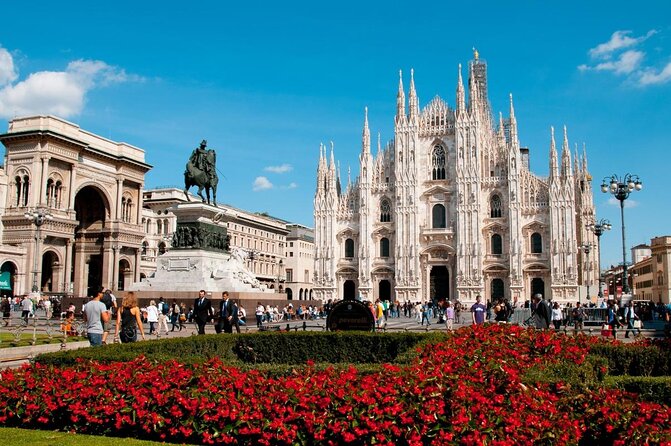
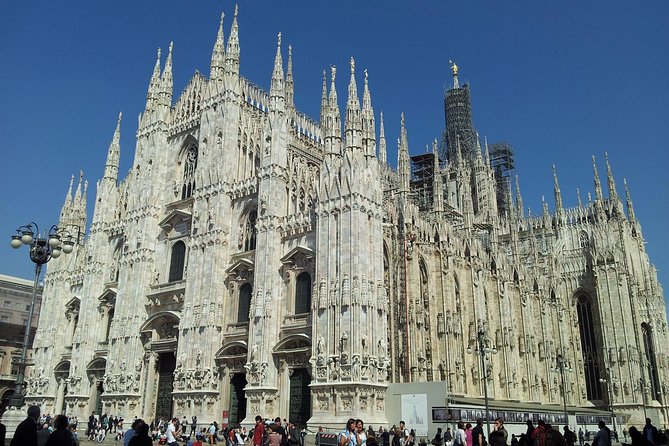
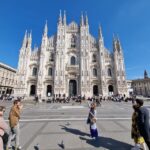
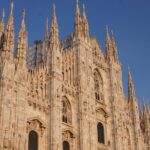
Duomo di Milano is one of Milan’s key sights, and this stop is designed to get you oriented quickly. You get about 45 minutes, with the cathedral described as one of the most important architectures in the world.
Because admission fees are not included, plan on paying entry separately if you want to go inside. The tour does include a tickets booking service and fast track, which can help reduce friction around ticketing, but you should still budget for the entrance itself.
What I like about this stop is that it sets the tone for the entire day. Duomo is the “Milan foreground” landmark, the place people point to when they explain the city to first-timers. Even if your time is limited, having a guide frame what you are looking at makes the visit feel more intentional.
A practical note: this stop is shorter than Castello Sforzesco later, so if Duomo is your top priority, it is smart to come ready to decide fast. Save longer photo sessions for what you personally care about most, and trust that the guide is keeping the rhythm of the full circuit.
Galleria Vittorio Emanuele II: A Glamorous Pause With Built-in Context
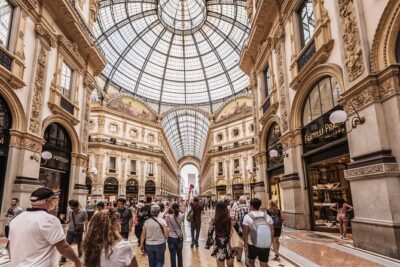
After Duomo, you walk through the Galleria Vittorio Emanuele II for about 30 minutes. The tour description calls it glamorous, and the focus is on architecture plus history.
This is one of those stops that works best when you keep your expectations realistic. Thirty minutes is not for an all-day wander. It is for stepping into the space, taking in the look, and letting your guide connect the design to the story of Milan.
The good news is admission is free for this segment. That means you are not juggling extra entry logistics mid-tour, and you can stay focused on what you are seeing.
I also like this as a pacing tool. After Duomo’s scale, the Galleria stop gives you a break, a change of mood, and an easy moment to reset before you tackle Teatro alla Scala and Castello Sforzesco.
If you are the kind of traveler who enjoys architecture, this stop is a high-return use of time. You get a guided lens without spending extra money on top of the tour price.
Teatro alla Scala: How to Use 40 Minutes Without Getting Rushed
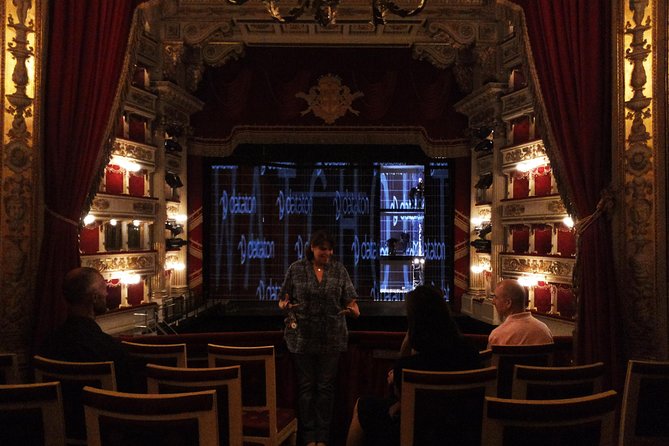
Next is Teatro alla Scala, with about 40 minutes on the schedule. This is another major name in world culture, and the tour’s angle is discovering the history of one of the most famous theaters in the world.
Admission here is not included, so again, think about whether you want entry. The tour includes ticket booking service and fast-track support, but you will likely still pay the actual entrance fee.
What makes this stop work in a short tour is the way your guide can frame what the theater represents. Even if you spend most of the time simply viewing and learning, the story is the point. Teatro alla Scala is not just a building, it is a symbol of Milan’s identity around performance, tradition, and public life.
That said, this is also where pace can feel tight. One review mentioned that the program is intense and that explanations were sometimes a bit quick at the end because the guide had another tour after. If you are hoping for extra conversational Q and A time specifically at Teatro alla Scala, go in knowing the tour is timed, and bring your questions early rather than saving them for the last minutes.
Castello Sforzesco: The Long Stop That’s Often the Best Value
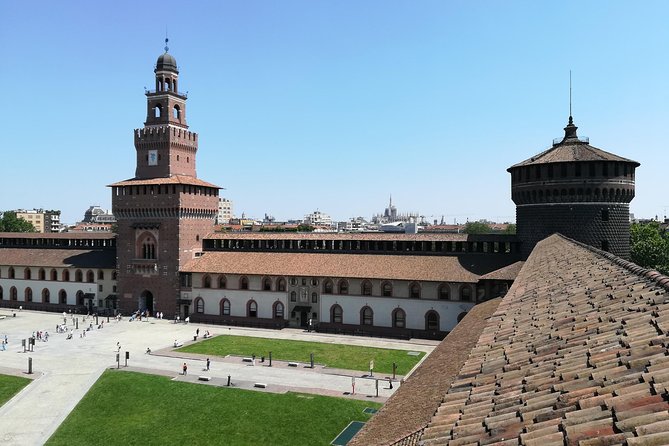
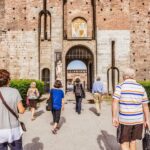
Then you get to Castello Sforzesco, and you get an extra chunk of time: about 1 hour. Admission is free for this segment, which makes it a strong value addition to the overall tour.
The tour description leans into the fortress side of the story, calling it a mighty fortress and noting it was also the residence of the lords of Milan during the Renaissance. It also promises a walk where you can follow the footsteps of Da Vinci and Napoleon.
Even with the time limit, this is the stop that tends to feel most rewarding because you are in a place built for lingering. It is easier to move at a comfortable speed around a fortress compound than it is in the most time-sensitive interior settings.
I like that this stop adds a different kind of historical texture. Duomo gives you monumental architecture. The Galleria is style and city life. Teatro alla Scala is culture and performance. Castello Sforzesco is power, residence, and the Renaissance era.
If you only have a half day, I treat Castello Sforzesco as the “anchor” stop. The guide gives you context so you are not just looking at walls, and the extra hour means you can actually absorb it.
You can also read our reviews of more historical tours in Milan




How Much Is It Really Worth, at $541.85 Per Group?
The price is listed at $541.85 per group, for groups of up to 15 people, for the tour duration of about 2 to 3 hours. That means the cost-per-person depends entirely on your group size.
So here is the value math in plain terms: if you have fewer people, the tour will feel pricier per head. If you have a full group, it can work out more reasonably. Either way, the tour is priced for a private experience, which is a different product than joining a standard walking tour.
What’s included is meaningful. You get tickets booking service and fast track, plus a guide in English (based on the listing). What is not included is entrance fees, so you still need to pay for the places where entry costs apply.
To me, the best value is the combination of (1) you do not have to coordinate ticketing on your own and (2) you get guided time at the exact sights people line up for. Fast-track support is especially useful for big landmarks where your time can disappear fast if you are just trying to self-manage.
If you are the kind of traveler who hates logistical friction, this tour is a practical choice. If you are traveling solo and already comfortable booking everything yourself, you might compare costs with other options. But for groups, or for people who want a guided framework without ticket stress, it can be a smart spend.
Guides Matter Here: AnnaMaria and Davide’s Impact
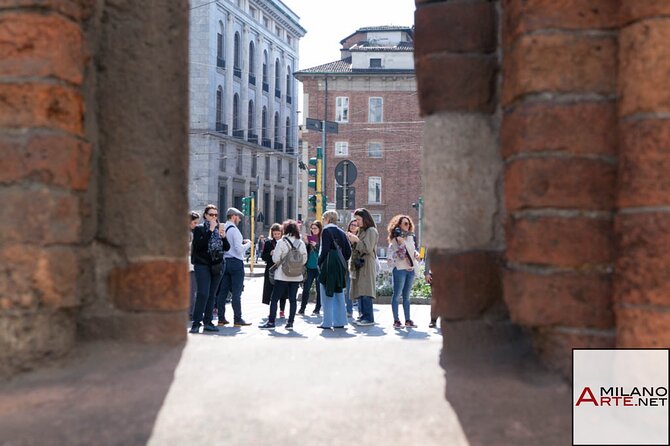
The reviews you shared point to a clear pattern: the guidance style affects the experience a lot.
One positive comment highlighted AnnaMaria as very interesting and pleasant, with strong knowledge and a thorough explanation throughout the walk. Another praised Davide for patience, saying it made everyone feel comfortable.
That is not just nice feedback, it has practical meaning. When you only have a few hours, you do not want a guide who talks in vague generalities. You want someone who can keep your attention and shape what you are seeing into something that sticks. The comments you shared strongly suggest that the better guides here do exactly that.
There was also a Spanish review that praised a guide for giving recommendations for where to eat lunch. That kind of advice is more useful than people think because it saves time when you are hungry and you do not want to guess.
The one drawback noted in the reviews is that the tour can feel intense. One comment said the explanation felt too fast at the end because the guide had another tour after. That is a real consideration for anyone who likes slow travel and long conversations. Still, it does not mean the tour is bad, it means you should plan your expectations around a timed circuit.
Practical Tips So You Get the Most From the Route
This is a straightforward walking tour, but a few choices can make it feel smooth instead of stressful.
First, decide how you will handle entrance fees. Since entry is not included for Duomo di Milano and Teatro alla Scala, it helps to check your preferences during booking. If you know you want to go inside both, budget accordingly. If you mostly want the exterior views and guided framing, you can manage costs.
Second, keep an eye on your energy level. The order is Duomo, then Galleria, then Teatro alla Scala, then Castello Sforzesco. That final hour at Castello Sforzesco is a nice buffer if you are starting to feel the pace. But if you are already tired when you meet, you may feel it more at the earlier stops.
Third, bring questions early. Because the program is intense and timed, asking your big questions early gives you the best chance of getting a slower, more thoughtful answer from your guide.
Fourth, use the meeting point advantage. Starting at P.za del Duomo, 2 means you are grounded right where many people begin their Milan day. It is easier to return to your hotel later or jump into the next plan.
Who This Tour Fits Best
This classic Milan tour is best for people who want an overview that still feels guided and meaningful.
I would recommend it if:
- You are on a first trip to Milan and want the core landmarks in a short window
- You like architecture, city design, and historical framing
- You are traveling with a group and want privacy, not a large shared tour
- You prefer having tickets booking support and fast-track help instead of doing it all yourself
It may be less ideal if:
- You want deep time at a single monument
- You dislike tight schedules and prefer slower, longer stays
- You plan to spend a lot of your time shopping or wandering without structure
Should You Book This Classic Milan Tour?
If you want the big Milan hits in one compact, guided route, I think this is a solid booking. The tour’s main strengths are the selection of sights, the private group setup up to 15, and the fact that tickets booking service plus fast track reduce your stress. Plus, the feedback you shared puts real weight behind the guides, including AnnaMaria and Davide.
My advice is simple: book it if your goal is getting your bearings fast and learning how the landmarks connect. If Duomo or Teatro alla Scala are must-sees, budget for entrance fees and come ready. If Castello Sforzesco is the thing you care about most, this schedule still gives it the time it deserves.
FAQ
FAQ
How much does this Milan classic tour cost?
It costs $541.85 per group, with a group size of up to 15.
How long is the tour?
The tour runs approximately 2 to 3 hours.
Where do we meet, and where does the tour end?
The meeting point is P.za del Duomo, 2, 20122 Milano MI, Italy. The tour ends back at the meeting point.
Is pickup available?
Pickup is offered on demand. Appointments are arranged with clients based on preferences.
What is included in the price?
Included features are the tickets booking service and fast track. You also get a mobile ticket.
Are entrance fees included?
No. Entrance fees are not included in the tour price.
What language is the tour offered in?
The tour is offered in English. In past feedback you provided, guides also delivered service in Spanish.
When will I get confirmation after booking?
Confirmation is received within 48 hours of booking, subject to availability.
What is the cancellation policy?
You can cancel for a full refund up to 24 hours in advance of the experience’s start time.
More City Tours in Milan

More Tours in Milan

More Tour Reviews in Milan
Not for you? Here's more nearby things to do in Milan we have reviewed








Historical Tours, compared.
 ★ 4.5Historic Milan Tour with Skip-the-Line Last Supper TicketFrom $1111,976 reviews
 ★ 4.9Fresh Pasta and Tiramisù Class in A Historical HomeFrom $84195 reviews
 ★ 4.5Step Into History: Leonardo Vinci’s Last Supper TourFrom $114175 reviews
 ★ 4.7Historic Private Walking TourFrom $4149 reviews
 ★ 5.0Como city and its History Exclusive Walking Tour (1 h from Milan)From $8441 reviews
 ★ 5.0Brescia the Unexpected: History, Local Stories & a drinkFrom $10231 reviews
 ★ 4.9History & Street Food Tour with Wine TastingFrom $10130 reviews
 ★ 4.2Natural History Museum Entry Ticket & Audio GuideFrom $1225 reviews
Browse the lists this tour appears in