
Review · FOOD & DRINK
Italian Wine Tasting in Milan
Three wines, one smart lesson.
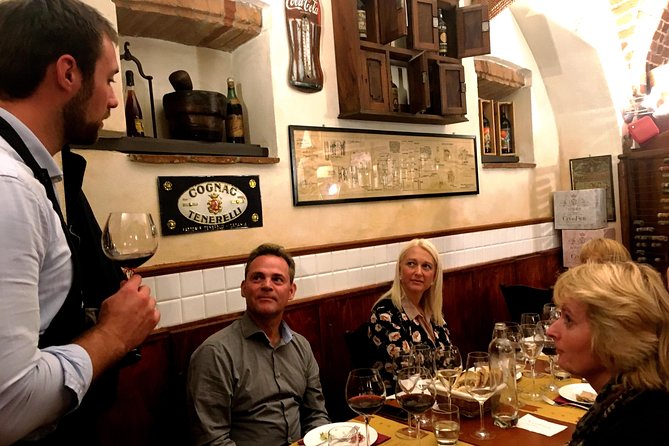
I love that this tasting feels like hands-on wine education, not a quick drink-and-go stop, and I also like that you get a professional sommelier guiding what to look for and how to taste. You will sample three wines with small bites like cheese and cold meats between pours, so you can actually compare styles. The one drawback to think about: the venue can be a little tricky to spot after dark, and parking is not handled for you.
This is a one-hour session in Milan (start time 6:30 pm) that runs with a small group, up to 12 people. It is offered in English and uses a mobile ticket, and it ends back at the same meeting point. No hotel pickup, so you will want to plan your arrival so you are not rushing at the last second.
You’ll also learn the story behind Lombardy wine, including what makes local bottles feel subtle, or bold. Several sessions include clear, easy tasting explanations, plus tips for noticing differences between younger and more mature wine.
Key Things I Think You Will Notice Fast
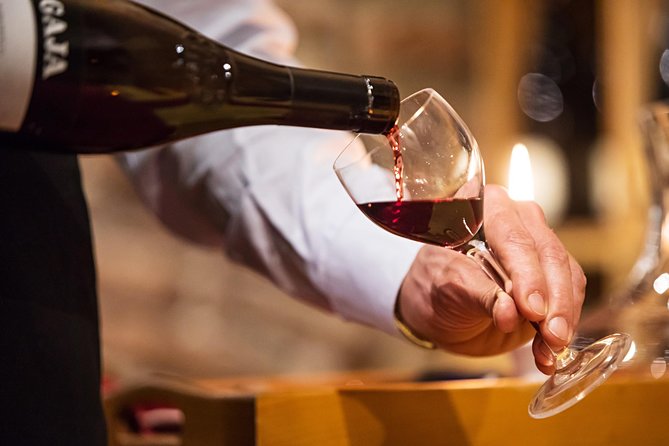
- A real sommelier-led format, with explanation timed to each pour
- Three wine tastings in one hour, plus bites between courses
- Lombardy-focused context, with examples ranging from sparkling to red to sweet
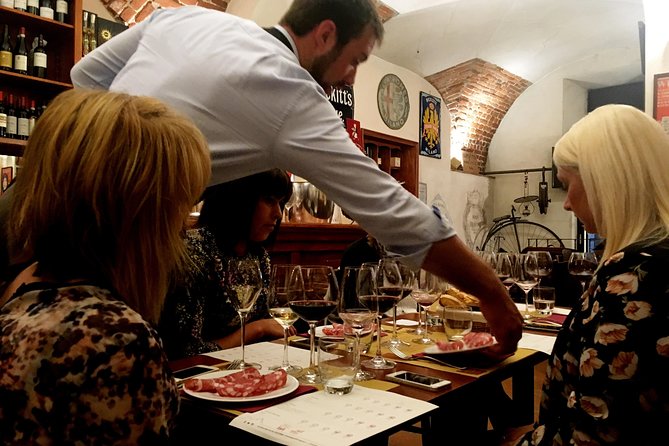
- Small-group vibe (max 12), which makes questions easier
- Cheese and cold meats pairing, built to help you taste more clearly
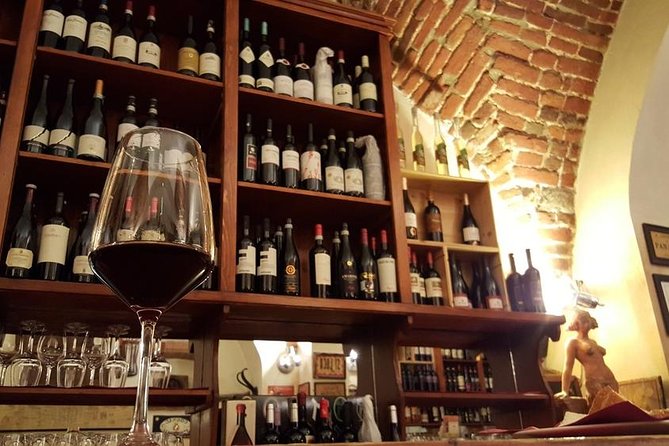
- A local wine-bar setting, often described as quaint and atmospheric
Lombardy Wines Make a Great Lesson in Milan
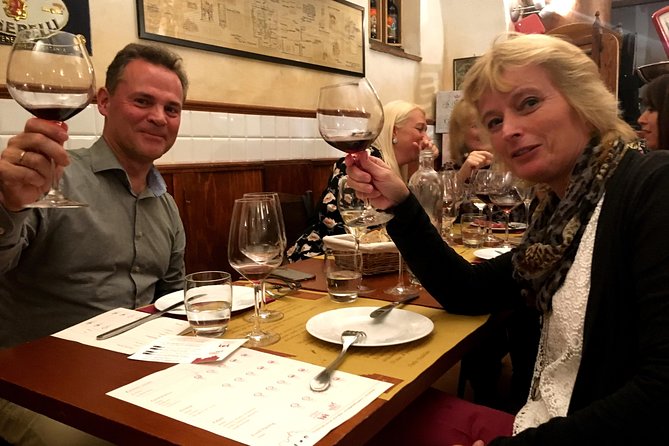
Lombardy is one of Italy’s best regions for learning wine because it covers a wide range of styles. You can go from bubbles to reds to sweet wines, and the tasting makes it easier to connect each flavor to where and how the wine is made.
In this Milan session, you’re not just handed a glass. You get guidance on what you are tasting, with the sommelier explaining characteristics from subtle to bold. That structure helps you leave with a mental checklist you can use later when you order wine on your own.
Even if you are new to Italian wine, Lombardy gives you solid reference points. The region is known for legendary bottles like sparkling Franciacorta, red Sforzato di Valtellinese, and sweet Moscato di Scanzo. While you may not taste every single named style, the lesson is built around these kinds of Lombardy identities.
You can also read our reviews of more food & drink experiences in Milan

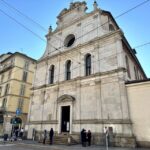
Getting There: The Via Molino delle Armi Meeting Point
The tour starts at Via Molino delle Armi, 48, 20123 Milano MI, Italy, with the session running about one hour. It begins at 6:30 pm, and it ends back at the same meeting point.
No hotel pickup means you should treat this as a “walk or transit there yourself” experience. If you are staying near central stations, you’ll likely find it easier because the area is convenient to reach, and the session is organized around that central Milan rhythm.
One practical note from experience with this kind of small venue setup: give yourself extra time to find the place. Some people have said it was a bit tricky to locate. Also, parking can be rough nearby, and the operator generally does not provide parking arrangements.
If you want this to be stress-free, I’d do two things. First, look up the exact address before you leave your hotel. Second, arrive a few minutes early so you can find the check-in point without watching the clock.
The One-Hour Flow: Three Tastings Plus Bites
This tasting is designed to be compact, but not rushed. In about an hour, you’ll move through three wine pours, and between tastings you get food: cheese and cold meats.
Here is what that usually means for your experience. You can compare wines in a short window without forgetting what you liked about the first pour. The bites also reset your palate, so the next wine reads more clearly instead of blending into the last taste.
A key detail: the tasting is structured with a sommelier guiding you through it. That is what turns the hour into real value. Without guidance, three wines can feel like three separate sips. With guidance, you start noticing patterns like acidity, sweetness, body, and how the finish lingers.
Some people also noted that the amounts served felt generous for the format. If you are pairing this with an evening of walking around Milan, it can reduce the need for a full meal right before or right after, depending on your appetite.
Your Sommelier Experience: Clear, Practical Tasting Tips
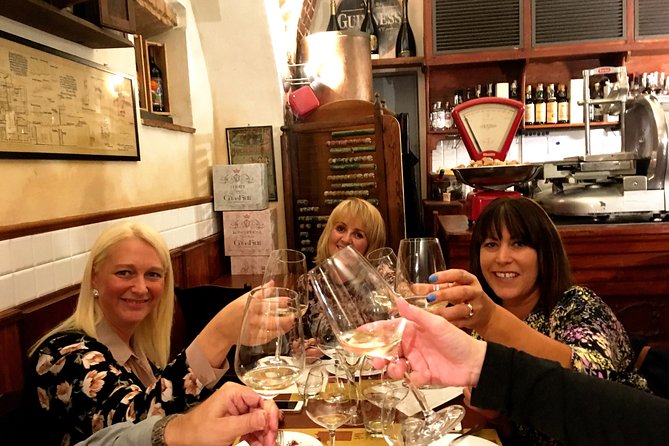
The biggest compliment you will see repeated here is about the sommelier’s teaching style. In real terms, that means you should expect explanations that help you taste better, not just information that sounds good.
Across sessions, the guide may be different, and names you might encounter include Nico, Roberto (described as the owner in at least one account), and Martina, with Federico also mentioned as a host. Regardless of who you get, the goal stays the same: help you taste intentionally.
What I like about this setup is that it focuses on real technique. People mention learning how to taste wine and how to distinguish traits like a wine that feels young versus one that has matured. That kind of instruction is gold because it changes how you shop for bottles later.
You will also hear the connection to production history in Lombardy, and how that history shows up in the glass. The explanation aims to cover the differences you can actually taste, from subtle notes to more pronounced, bold flavors.
How to Taste Like You Actually Know What You’re Doing
You do not need to fake a wine-poster accent for this. The value is that you learn a simple way to pay attention.
Use the sommelier’s cues and try to follow a basic rhythm:
- Look at the color and clarity. It can hint at age and style.
- Smell what you taste. Even one strong aromatic cue can help you place the wine.
- Sip slowly, then notice how it feels on your palate.
- Compare each wine to the last one, especially as the bites change the palate.
If you take one takeaway from this experience, I’d choose the ability to describe what you taste. You do not have to write it like a critic. You just need a few accurate words that help you repeat the experience later.
This kind of guided practice is especially helpful if you’ve tried wine before and felt like you were guessing. The best result is not becoming an expert overnight. It is knowing what you personally like and why you like it.
You can also read our reviews of more wine tours in Milan

Cheese and Cold Meats Pairing: Why the Food Matters
Food pairing is not an afterthought here. The cheese and cold meats are part of the tasting process, and that makes a difference.
Here’s the practical angle. Wine tastes different with food because proteins and fats can soften harsh edges and highlight acidity or sweetness. Salty cold meats can make certain flavors feel more pronounced, and cheese can add a creamy baseline that helps you notice the wine’s structure.
Some people described the food as nearly enough to replace dinner, which tells me the portions are not tiny. If you typically eat light on travel days, you might find you are satisfied after the tour. If you are a big eater, just plan a small snack before you go rather than a full meal right beforehand.
Also, the pairing helps you compare three wines without food fatigue. Instead of tasting three glasses in a row and forgetting the first one, you get a reset between each pour.
Which Wines You Might Taste in This Milan Session
Lombardy covers multiple wine personalities, and the tour is framed around that. You should expect three different wines that let you compare styles in a short time.
The region is strongly associated with:
- Sparkling Franciacorta, which often feels refined and celebratory
- Red Sforzato di Valtellinese, usually rich and more intense
- Sweet Moscato di Scanzo, which can be aromatic and dessert-friendly
One consideration: the tasting is built around the wines of Lombardy, but the specific set of three pours can vary. If you are coming specifically for one named style, I’d recommend asking what you will taste ahead of time when booking, so you get the match you want.
Even if the exact bottles differ, the teaching approach stays useful. You’ll learn what to notice across the tasting, so you can still identify the style when you see it again on a shop shelf or a menu.
Price and Value: What You Get for About $59
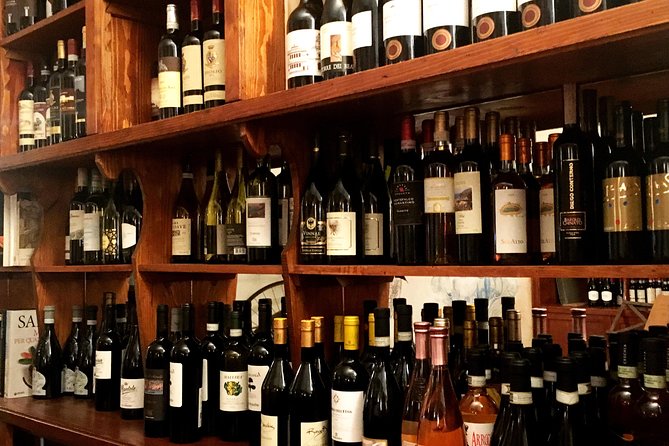
At about $58.87 per person for around one hour, the price makes sense if you want structure. You are not only paying for wine. You are paying for a trained guide who explains what you’re tasting, plus cheese and cold meats that keep the whole experience grounded in food.
This can be better value than DIY wine tasting if you would otherwise feel lost in a wine bar. Paying for guidance is like paying for a translator. You can still enjoy the place without it, but the guidance helps you understand what you are seeing and tasting.
It also helps that the group is capped at 12 travelers. Smaller groups usually mean more chances to ask questions or get follow-up explanations. If you are traveling solo, that matters too because it’s easier to mingle and still feel included.
Who This Is Best For in Milan
This experience is a strong match if you want a fun evening with real learning baked in. You’ll likely enjoy it if:
- You want a beginner-friendly intro to tasting and tasting language
- You like guided experiences that are short and easy to fit into a schedule
- You want to meet people without loud club energy
- You plan to order wine again in Italy and want to feel confident
It might be less satisfying if you’re already deep into wine seminars. One account described it as entry-level, and another hinted that the presentation could feel more basic than expected. If you want a long, detailed sommelier lecture, you may want a longer format.
Also, if you are very strict about tasting only specific Lombardy wines, ask what the three pours will be before you book, since the exact selection can shift.
My Quick Decision Guide: Should You Book?
Yes, I’d book it if you want a one-hour Milan evening that combines three tastings, food pairing, and a sommelier-led format. It’s the kind of activity that gives you something you can use later: a way to taste, describe, and choose.
I’d think twice only if you hate hunting for small venues or you need guaranteed parking. Plan to arrive a little early, and use your phone maps to confirm the exact address.
If you do that, you’re set up for a relaxed, smart tasting in a real Milan wine-bar setting, with enough guidance to make the hour feel worth far more than a casual sip.
FAQ
What time does the Italian wine tasting in Milan start?
It starts at 6:30 pm.
Where is the meeting point?
The meeting point is Via Molino delle Armi, 48, 20123 Milano MI, Italy.
How long does the tasting last?
The duration is about one hour.
Do I need a hotel pickup?
No. Hotel pickup and drop off are not included.
Is the tour offered in English?
Yes, it is offered in English.
How many people are in the group?
The tour has a maximum of 12 travelers.
Can I cancel for a full refund?
Free cancellation is available up to 24 hours in advance of the experience’s start time for a full refund. If you cancel less than 24 hours before, the amount paid will not be refunded.
More Wine Tours in Milan
More Food & Drink Experiences in Milan
More Tour Reviews in Milan
Not for you? Here's more nearby things to do in Milan we have reviewed


Food & Drink, compared.
 ★ 4.5Milan’s Authentic Street Food tour: A Gourmet ExperienceFrom $116717 reviews
 ★ 5.0Small-Group Barolo Wine Tasting, Alba & UNESCO Piedmont HillsFrom $216689 reviews
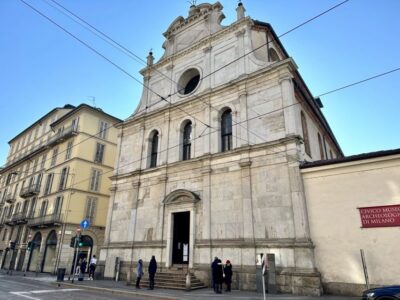 ★ 4.8Guided Street Food Walking Tour with Food TastingFrom $58654 reviews
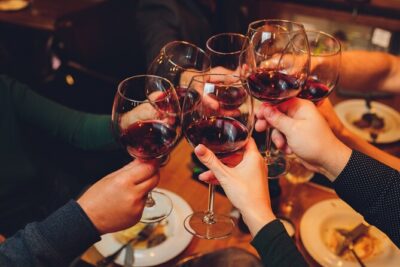 ★ 4.5Sunset Navigli Food & Drinks Tour by Do Eat BetterFrom $96517 reviews
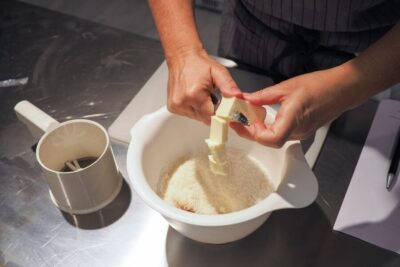 ★ 4.7Italian Cooking Class with Food and WineFrom $80509 reviews
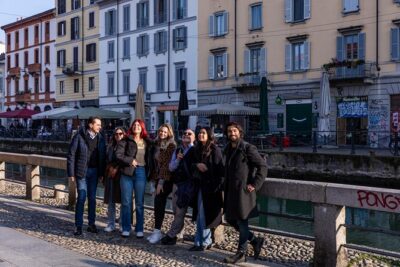 ★ 5.0Navigli Food & Drinks Tour with Eating EuropeFrom $125394 reviews
 ★ 5.0Domaso: Wine Tasting at the Winery on Como LakeFrom $76351 reviews
 ★ 4.5Lake Como: 2h Shared Boat Tour with Wine TastingFrom $134313 reviews
Browse the lists this tour appears in