
Review · FOOD & DRINK
Fun Wine Tasting with the most italian Sommelier in Milan
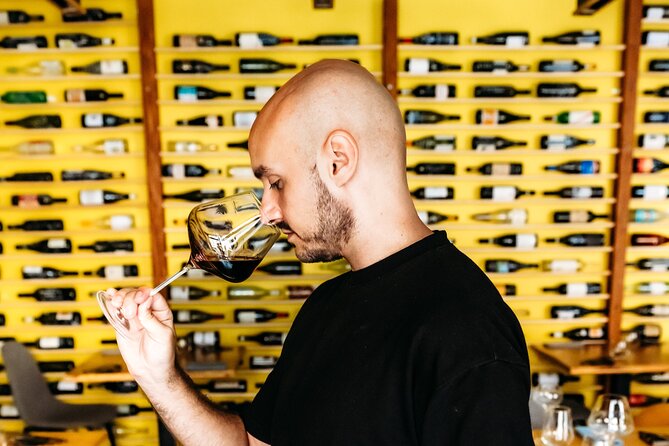
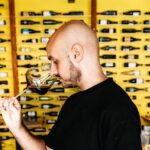
Prosecco gets real when a sommelier teaches it. This cozy Milan tasting focuses on Italian sparkling wine the way you actually want to learn it, with a guided session aimed at Prosecco and Valdobbiadene style differences. What makes it interesting is how it turns wine labels into something you can taste and explain, not just something you buy.
I especially like that you get 3 fine wine tastings during the session, so the learning is tied to real sips instead of lectures. I also like the small group size, capped at 12, which keeps things interactive when you ask questions. And you can count on tips for how to taste like a sommelier, not just how to enjoy wine.
The main drawback is simple: it is a two-hour tasting in one place, so it is not a long, move-around experience with a lot of sightseeing. If you want Milan streets and landmarks, pair this with a separate wandering plan the same day.
Quick hits: what I’d focus on
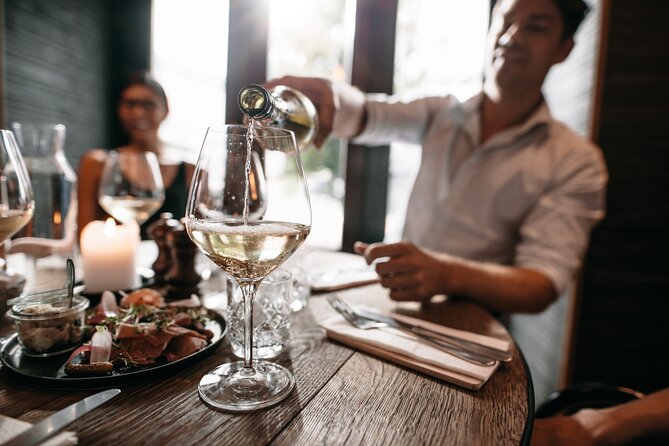
- Prosecco sweetness is explained in a practical way, so you learn what the terms change in the glass.
- Glera grape focus helps you connect the grape to the style you are drinking.
- Valdobbiadene vs Cartizze gets clarified, which makes bottle shopping less confusing.
- Brut vs Dry stops being abstract and becomes a real tasting conversation.
- Taste like a sommelier tips are built into the flow, so you leave with a method you can repeat.
- Il Signor Paolo comes through as friendly and accommodating, making the evening feel personal.
Milan Wine Night, 2 Hours That Actually Teaches
This is the kind of experience that fits neatly into a normal day in Milan. You meet at Via Giuseppe Sirtori, 6, 20129 Milano MI, and the experience ends back at the same meeting point, so you are not stuck with complicated end-times or late-night logistics.
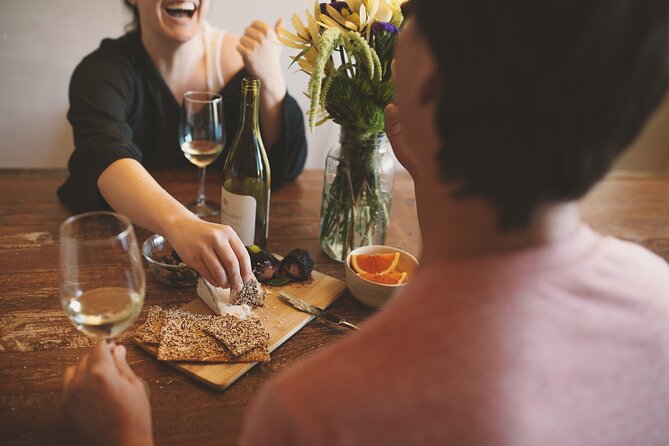
The session itself runs about 2 hours, which is a sweet spot. Long enough to taste multiple wines and build connections, short enough that you will still have energy to grab dinner afterward. Since it is in a cozy restaurant setting, the pacing stays calm and social, not rushed or factory-like.
Group size matters here. With a maximum of 12 travelers, the sommelier can slow down when you want clarification, and you can keep questions going without feeling like you are competing for attention. That is a big deal for wine learning, because the fastest way to improve is to ask what you are missing.
One practical note: the experience is adult-focused and includes alcoholic beverages, so plan it like a proper wine evening. If you are also doing museum hopping or a late aperitivo circuit, keep this earlier in your day and give yourself time to enjoy the rest.
You can also read our reviews of more food & drink experiences in Milan


Il Signor Paolo and the Cozy Rhythm of a Real Tasting
The standout personality piece is the guide. In the information you provided, the sommelier is friendly and accommodating, and Il Signor Paolo specifically comes across as available and warm, almost like an old friend who just happens to know his wine.
That matters more than people expect. Wine tasting can get stiff fast if the teacher sounds like they are reading a script. Here, the tone is described as personal and easygoing, which is exactly what you want when the goal is to develop your palate and not just collect facts.
Because the group is small, you are more likely to feel like you are part of the conversation. That also helps if you have questions like why two Proseccos taste totally different even when the label looks similar, or what the sweetness terms really mean on your tongue.
Prosecco Sweetness: Turning Labels into Taste
The session aims to make Prosecco sweetness understandable in real terms. Most people buy Prosecco based on a label they kind of recognize, like Brut or Dry, but sweetness is not just a marketing idea. It changes your first impression, your balance, and even how the wine finishes.
You’ll focus on how sweetness levels impact taste and classification. This is valuable because it stops you from guessing. Once you understand what the sweetness level is trying to signal, you can predict the style even before you take a sip.
A helpful way to think about it while you learn is this: sweetness affects your perception of fruitiness and roundness. It also changes how crisp the wine feels. Even if you are not doing a formal tasting at home, your brain starts to recognize patterns, like which styles taste more lively and which ones feel more mellow.
The most practical outcome is that you can shop smarter later. If you usually buy one Prosecco and you keep wondering why another bottle tastes softer or sharper, this lesson gives you a way to connect the difference to what the label is describing.
Brut vs Dry: What Changes in the Glass
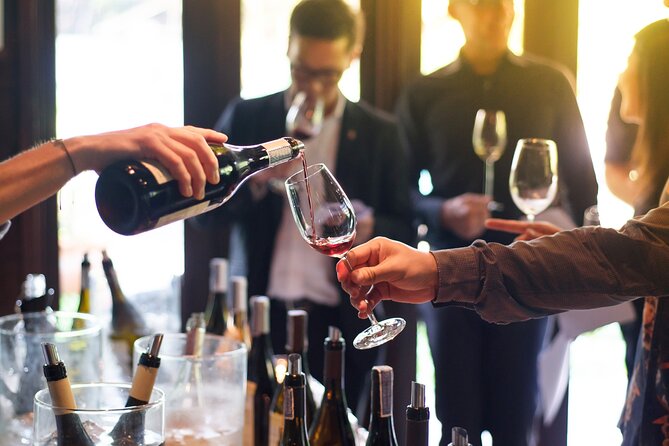
The difference between Prosecco Brut and Prosecco Dry is explicitly part of what you should be able to answer by the end. That is exactly how you want a guided tasting to work. You should leave with bottle-reading skills, not just a nice evening.
Even without getting overly technical, the key is that these categories signal different sweetness levels. Brut tends to read as drier on the palate, while Dry lands on the sweeter side compared to Brut. When you learn this as a tasting comparison, you start noticing the structure: how the flavors land, how the wine feels at the mid-palate, and how it clears on the finish.
In a guided setting, the sommelier’s advantage is that they can point your attention. Instead of you randomly trying to describe a taste, you get cues that help your senses lock onto the right things. That is one of the best values of a small-group class, because you can actually adjust your tasting technique during the session.
Valdobbiadene, Cartizze, and the Glera Core
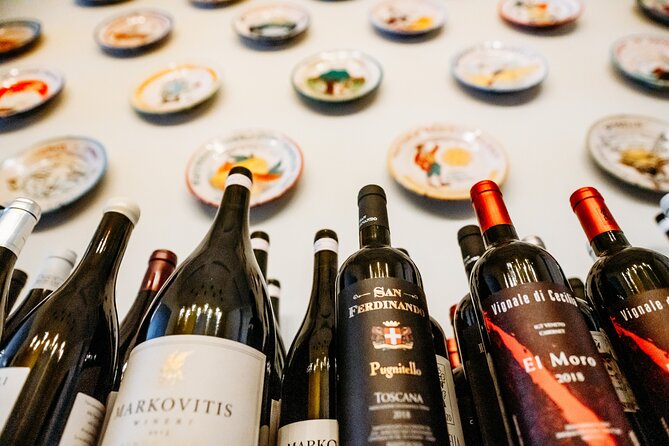
This experience leans into Valdobbiadene sparkling wines and what makes the area special. It also covers the difference between Valdobbiadene and Cartizze, which is great for anyone who has seen Cartizze pop up on wine lists but never quite understood what it represents.
The big win here is context. When you know what those names mean, you are no longer treating them like fancy add-ons. You start recognizing them as style signals you can taste.
And at the center of the story is the Glera grape. The tasting is designed to explain which grape varieties are used to produce exceptional Italian sparkling wines, especially Glera. Even if you are brand-new to wine grapes, this kind of focus helps you understand why one sparkling wine tastes one way, and another tastes different.
Why this matters for your future tastings: grape identity and classification help you make predictions. You will still discover surprises, but you will have a base framework. That turns every future bottle into a learning opportunity instead of a gamble.
Also, a quick emotional benefit: once you connect grape to taste, Prosecco stops being just a party drink. It becomes a wine you can discuss, share, and choose with confidence.
You can also read our reviews of more wine tours in Milan

How to Taste Like a Sommelier Without Overthinking It
You are not just drinking here, you are training your senses. The experience includes expert tips on how to taste wine like a sommelier and how to develop your palate.
The most useful approach is usually simple and repeatable. You learn to look first, then smell, then taste, but you learn what to listen for in each step. Looking helps you notice clarity and color cues. Smelling helps you separate fruit impressions from any deeper notes. Tasting is where you connect sweetness, acidity, and texture to what you’re feeling in the glass.
Because the tasting is guided, you do not have to guess what you are doing wrong. If something tastes too sweet, too sharp, or simply not like what you expected, the sommelier can steer you toward the correct tasting lens. That is how people improve quickly.
If you like food experiences, this also gives you an edge. Wine tasting skill makes pairing easier because you are paying attention to balance, not just flavor names. Even if pairing details are not the main focus, the tasting method travels with you.
And since the experience includes 3 tastings, you get enough repetition to build real confidence. One sip teaches almost nothing. Three sips plus coaching helps your brain lock in the differences.
What You Actually Drink: 3 Fine Tastings, Focused on Sparkling Wine
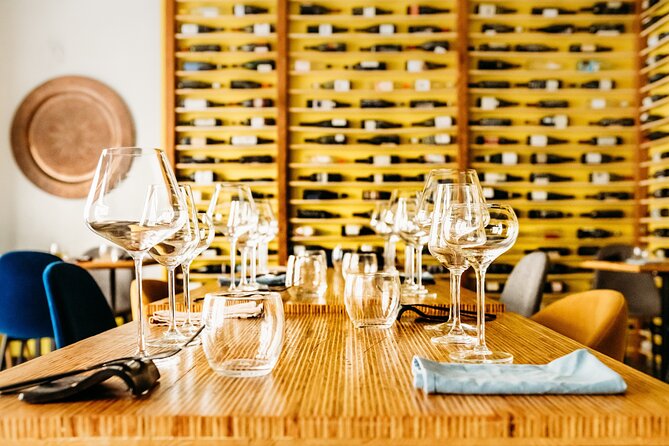
The included experience states alcoholic beverages with 3 fine wine tastings. That structure makes sense for this kind of class. In two hours, you want enough variety to learn categories, but not so much that you lose the thread.
Given the themes, those tastings are centered on Italian sparkling wine knowledge. You should expect the lesson to revolve around Prosecco styles, sweetness levels, and Valdobbiadene distinctions, with Glera as the grape point of reference. By the end, the goal is that you can answer questions like the differences between Prosecco Brut and Prosecco Dry, and between Valdobbiadene and Cartizze.
A small group also means the sommelier can adjust how they explain. If you are more curious about label terms, they can focus on classification. If you are more curious about flavor, they can guide you to taste in a way that matches the categories you are learning.
If you are the type who gets overwhelmed by wine jargon, this setup is a good fit because it keeps the vocabulary tied to what you can actually taste.
Price and Value: Is $79.52 Worth a Two-Hour Class?
At $79.52 per person for about 2 hours, this is not an impulse buy, but it also does not feel priced like a luxury event. The value comes from three places.
First, you get three tastings. You are paying for guided learning tied to actual pours, not just a single glass and a brochure. Second, you have a professional sommelier leading the session. That is what makes the explanations useful and the tasting technique improve fast.
Third, the group limit of 12 travelers supports interaction. Wine education is not just information. It is the chance to ask questions and correct your tasting instincts. A larger crowd often turns classes into one-way talks. This one is built to avoid that.
One more value factor: the location. You meet at Via Giuseppe Sirtori, and it is near public transportation, which makes it easier to slot into your Milan day. That reduces stress, and stress is the enemy of enjoying wine.
If you love sparkling wine already, you will get more out of the session. If you are new to Prosecco, you might be surprised how quickly the categories start to make sense.
Best Fit: Who Will Enjoy This Milan Tasting Most
This experience is designed for adult participants who have reached the legal drinking age. If you want a hands-on wine evening that improves your ability to taste and choose bottles, it is a strong match.
You’ll likely enjoy it most if you:
- Like Italian food culture and want a wine angle that connects to it.
- Want to understand Prosecco beyond the usual party label.
- Are shopping in Milan wine shops or wine bars and want to decode the menu.
It may not be for you if:
- You want an all-day tour with multiple stops and lots of walking.
- You prefer highly structured, lecture-only experiences where you take notes the whole time.
In plain terms, this is a social learning event. You taste, you ask, and you leave with clearer instincts.
Practical Tips Before You Go
A couple of small things can help you get more from the session.
Eat something sensible beforehand. Even if you are not told details about food pairings, wine classes can still be easier when you are not going in fully empty.
Plan to stay in the mood for the rest of the evening. This is an experience that encourages you to slow down and pay attention. If you then rush into loud nightlife right after, you can miss the learning payoff.
And if you are picky about pronunciation or names, the session covers Italian terms like Prosecco, Valdobbiadene, and Cartizze. You’ll do best if you are willing to ask the guide to repeat or clarify, especially if you want to remember what each label means.
Finally, because the ticket is mobile and service animals are allowed, it is set up for smooth, low-friction participation. The main thing is to arrive on time and keep your expectations on target: this is wine education through tasting, not a city tour.
Should You Book This Italian Sparkling Wine Tasting in Milan?
Book it if you want a focused, friendly introduction to Italian sparkling wine that gives you usable skills. The strongest case is that you learn the logic behind Prosecco classification, sweetness levels, and the Glera grape, then you practice with three tastings in a guided, small-group setting. Add the guide vibe of Il Signor Paolo, who comes across as available and easy to connect with, and you have the recipe for a genuinely satisfying evening.
Skip it if your top priority is seeing as many Milan landmarks as possible in one outing. This is intentionally a restaurant-based tasting, so you will trade some sightseeing time for palate training.
If your schedule allows, I’d place this early in your trip. Then, later when you order Prosecco at a bar or pick a bottle for dinner, you will already have a framework in your head, and that makes every sip more enjoyable.
FAQ
How long is the wine tasting in Milan?
The experience lasts about 2 hours.
What is the price per person?
The price is $79.52 per person.
How many wines will I taste during the experience?
You’ll have 3 fine wine tastings.
Where does the experience start?
The start location is Via Giuseppe Sirtori, 6, 20129 Milano MI, Italy.
Does it end back at the same meeting point?
Yes, the activity ends back at the meeting point.
What wines or styles are covered?
The experience focuses on Italian sparkling wines, especially Prosecco and Valdobbiadene, including topics like sweetness levels and how to distinguish categories such as Brut vs Dry and Valdobbiadene vs Cartizze.
What is the group size limit?
The experience has a maximum of 12 travelers.
Is the experience only for adults?
Yes, it is designed for an adult audience and suitable only for people who have reached the legal drinking age.
Is cancellation free, and how late can I cancel?
Free cancellation is available. You can cancel up to 24 hours in advance for a full refund. If you cancel less than 24 hours before the start time, the amount paid will not be refunded.
More Wine Tours in Milan
More Food & Drink Experiences in Milan

More Tour Reviews in Milan


Not for you? Here's more nearby things to do in Milan we have reviewed






Food & Drink, compared.
 ★ 4.5Milan’s Authentic Street Food tour: A Gourmet ExperienceFrom $116717 reviews
 ★ 5.0Small-Group Barolo Wine Tasting, Alba & UNESCO Piedmont HillsFrom $216689 reviews
 ★ 4.8Guided Street Food Walking Tour with Food TastingFrom $58654 reviews
 ★ 4.5Sunset Navigli Food & Drinks Tour by Do Eat BetterFrom $96517 reviews
 ★ 4.7Italian Cooking Class with Food and WineFrom $80509 reviews
 ★ 5.0Navigli Food & Drinks Tour with Eating EuropeFrom $125394 reviews
 ★ 5.0Domaso: Wine Tasting at the Winery on Como LakeFrom $76351 reviews
 ★ 4.5Lake Como: 2h Shared Boat Tour with Wine TastingFrom $134313 reviews
Browse the lists this tour appears in