
Review · PASTA
The Secrets to Learn Fresh Pasta and Tiramisù in a Glam Home
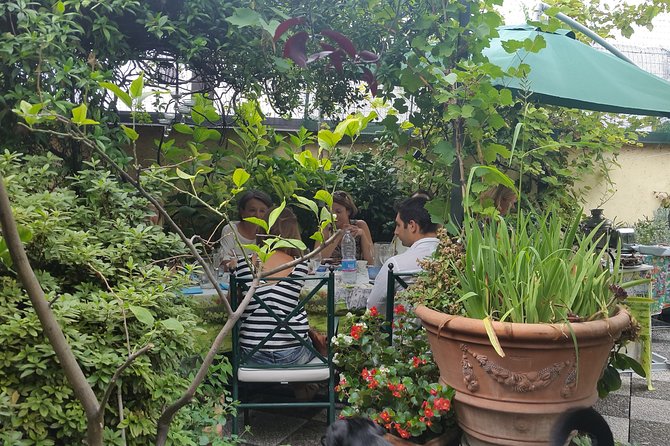
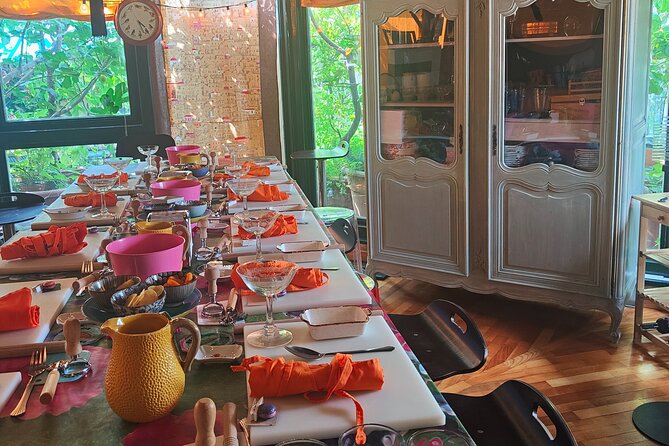
Fresh pasta and tiramisù, in a palace kitchen. What makes this class special is the mix of hands-on cooking, family-style recipes, and a real chef-led setup right in central Milan. You’ll learn techniques for fresh tagliatelle and ravioli, then finish with a classic tiramisù that’s meant to taste like the version that made the family famous. I particularly love the setting, art on the walls and antique furniture around you, and I love the people teaching it, from Michelin-trained chefs to warm, grandma-style guidance like Laura, Marco, Luca, and Katerina.
The one thing to keep in mind is that this is truly a work-with-your-hands lesson inside a private residence setting. If you are picky about arrivals or you prefer strictly utensil-based food prep, be aware that one review raised hygiene concerns, and another noted wine being served later with the meal. It still seems to run very well overall, but it helps to go in with the right expectations.
Key highlights you should care about
- Glam palace setting in central Milan: elegant interiors, antique furniture, and a proper home-cooking vibe.
- Chef-led, family-recipe approach: pasta and tiramisù instruction is meant to come from long-running techniques.
- Garden limoncello with fresh lemons: you get a homemade tasting tied to the property itself.
- Hands-on dough work in a small group: the class caps at 21 people, so you are not lost in a crowd.
- Real end-of-class meal: you eat what you make, with wine and a limoncello shot.
Entering a Glam Home, in One of Milan’s Most Convenient Spots
This class takes place at VIA GIUSEPPE DEZZA 47 in Milan, in a dedicated space inside an elegant palace-style residential building. You do not just “sit and watch.” You enter a home kitchen experience, with art paintings and antique furniture around you, and that matters because it makes the whole thing feel like learning a family tradition, not attending a demo.
Finding it is also one of the practical wins. It’s very easy to reach using public transit, with the blue metro line about 20 meters from the Coni Zugna, Via Foppa stop. In other words, you’re not building your whole day around a remote countryside location.
The class runs about 3 hours, and it ends back at the same meeting point, which keeps the logistics simple. You’ll also get a mobile ticket, so you can travel light without digging for paper.
One more detail that helps set expectations: there’s a maximum of 21 people. In a cooking class, that group size usually means you get guidance instead of just background noise, and several instructors in past classes like Laura, Lucas, and Fred are praised for making the room feel organized and welcoming.
You can also read our reviews of more tours and experiences in Milan.



Who You’ll Learn From: English Lessons, Real Personality, Real Steps
The lesson is held in English, and the instructors also speak other languages if requested. That flexibility is useful if your travel group includes friends who are more comfortable in languages beyond English.
Names you might see assigned include Marco, Laura, Luca, Katerina, Paulo, Fred, Federico, Francesco, and others. The common thread in the reviews is not just technical skill, but teaching style. Instructors repeatedly get credit for clear step-by-step directions, good humor, and patience, including when someone has little or no pasta-making experience.
It also helps that the class style is “kitchen work” rather than “lecture time.” One of the best lines from the reviews is the way teachers turn a room of strangers into a friendly group. If you travel with a teen, it can work well, too, because the activities are hands-on and the instructors tend to pull reluctant participants into the process.
If you specifically want Grandma Bruna as the teacher, the info is straightforward: you can’t count on that happening on a 12-hour notice. That’s not a flaw with the experience, just a heads-up. If you’re booking for the recipe approach and not a specific person, you’re likely to be happy.
The Pasta Start: Fresh Tagliatelle and Classic Tomato Sauce
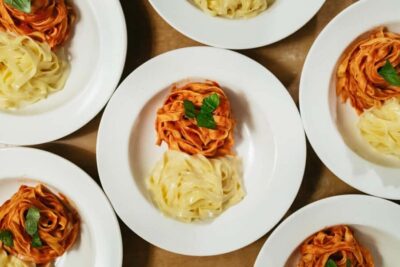
Most of what makes fresh pasta feel magical is mechanical. Dough and rolling behave a certain way, and the class is built to teach you the “why,” not just the “do this next.” You’ll make fresh tagliatelle and learn a traditional tomato sauce approach, then finish with grated Parmigiano Reggiano.
From a value standpoint, this matters because tagliatelle is one of the most forgiving pasta shapes to learn. Even if you do not nail every micron of thickness, you can still end up with something you recognize and can recreate at home. The point is technique you can repeat.
Expect your time to be structured around the main steps: preparing and handling the dough, understanding how to work it, then pairing it with a tomato sauce that fits the pasta. Several reviews emphasize that the recipes were not only delicious but also easy to follow, even for people who had never rolled pasta before.
Practical thought for your planning: bring an appetite. Even if you arrive hungry, the class pace is designed so you end up eating what you made, not just tasting a tiny sample. And if you are the type who hates waiting, note that the wine comes later, closer to the meal portion.
Ravioli With a Michelin-Star Filling: Precision Without the Snob Factor
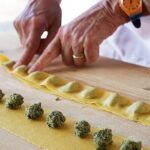
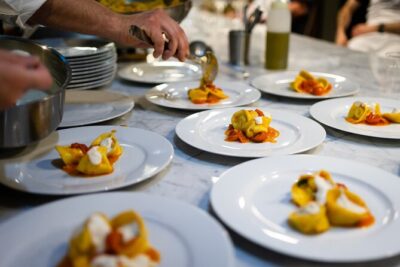
After tagliatelle, the class moves into ravioli, with a filling described as coming from a one-star Michelin chef. You’ll make the ravioli, then top with grated Parmigiano Reggiano.
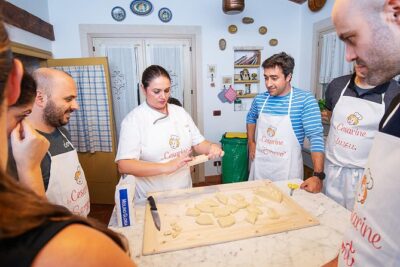
Ravioli is where many pasta classes lose people, because it requires attention and finesse. This one seems built to guide you through the process so you leave with something you can show for your effort. The class format also gets praised for being well organized even with groups of 13 or up to the max size.
There’s another practical angle here. In a hands-on class, you might not make a huge quantity of ravioli alone. Some classes use a “everyone prepares a portion, then it becomes one communal dish” style, and one review explicitly describes that workflow, with the group portioning and then sharing the combined result. That can be fun because the table becomes part of the meal, but if you care about strictly individual portions, you may want to ask what the final sharing looks like on your chosen date.
The good news: ravioli is also one of those foods that feels special in everyday cooking. If you take home even one reliable trick, you can turn a weekday dinner into a real Italian-looking plate.
Tiramisù Secrets: The Classic Cream You Can Replicate
Tiramisù is the dessert everyone thinks they know, and then the first bite proves they don’t. This class covers a traditional tiramisù recipe with the goal of producing the creamy, classic version the family is known for.
What you’re really learning here is structure. Tiramisù is part technique, part timing, and part knowing what the mixture should feel like. In practice, that’s where good instruction stands out. Reviews are full of comments like this being the best tiramisù someone has had in Italy or elsewhere, and that kind of consistency usually means the method was taught clearly.
One helpful detail for your expectations: the tiramisù comes at the end, when you and the group are ready to finish. A few people joked they were too full by dessert, which is a good sign for portion generosity and meal value.
If you are bringing family or traveling with someone who is new to Italian desserts, tiramisù is also a great entry point because it’s iconic and usually not as intimidating as pastry-heavy sweets. You get a “win” dessert that works for hosting back home.





Limoncello in the Garden, Wine With the Meal

This class includes a sampling of homemade limoncello made from fresh lemons in the garden. That’s one of those details that makes the experience feel grounded and place-based, not generic. It also gives you a moment that is not all flour and dough, so the experience has rhythm.
Wine is paired with the communal dinner portion. One piece of context that comes up in feedback is that wine is intended to be served during the tasting moment at the end, with the meal, rather than handed out from the start. So if you like sipping while you cook, you might feel the wait. If you like the idea of eating first and then relaxing, that timing can feel perfect.
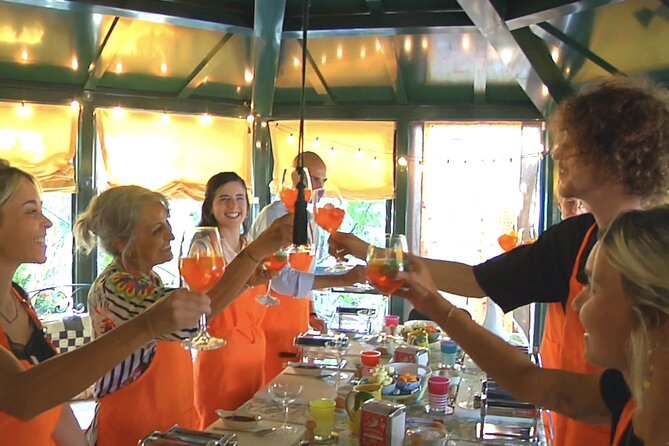
After you finish cooking, you share the meal together. A lot of the reviews highlight the communal dinner vibe, including a shot of Limoncello along with the pasta and tiramisù you created. That communal setup is part of why the class works socially, especially for groups with mixed ages.
Price and Value: What You’re Really Paying For
At $90.70 per person, this isn’t a budget activity in Milan. But it’s also not just “a nice afternoon.” You are paying for a few big things that add up:
First, the teaching. It’s described as being led by a Michelin-trained chef, plus family recipes passed down over generations. Technique transfer is the real product here, and the class is structured around making multiple dishes from scratch.
Second, the meal. You are not leaving with only a small taste. You eat what you make, and you typically get wine and a limoncello shot with the shared dinner. In many cities, paying for a full restaurant meal plus a separate cooking class would cost more than this.
Third, the setting and size. A small group, max 21 travelers, in an elegant palace home kitchen adds real atmosphere. It also tends to help with instruction quality, because the instructor can watch what you’re doing.
One thing to keep in perspective is that the hands-on style is not for everyone. One review complained it did not feel worth the money due to hygiene concerns and the overall feel of the experience. That same feedback was answered, and the broader set of ratings is extremely high, but if hygiene or personal comfort with hands-on food is a big deal for you, it’s worth asking how the class handles hygiene protocols before booking.
Who This Class Is Best For
You’ll likely love this class if you want a hands-on Milan activity with a strong food payoff. It’s a good fit for:
- Couples and small groups who want a memorable shared experience
- Travelers who want to go beyond sightseeing and learn a repeatable skill
- Families, including teenagers, since multiple reviews mention kids participating and enjoying it
- People who want the classic trio: fresh pasta, ravioli, and tiramisù
It might be less ideal if you are expecting a hands-off, observational cooking show. This one is built around doing the work yourself. And if you arrive flustered, the private-residence entrance might require calm attention, because you are welcomed at the entrance rather than wandering into a public restaurant lobby.
A good travel mindset helps here. Arrive on time, expect flour, and treat it like learning from a family kitchen, not like touring a museum.
Should You Book It? My Practical Take
With a 4.9 average rating from 1,182 reviews and about 97% recommending it, this has the kind of consistency you want in a cooking class booking. The biggest strengths are the hands-on instruction, the quality of the final meal, and the way instructors manage the room. Teachers like Marco and Laura get singled out for clear guidance and fun energy, and the class structure hits three iconic dishes that are worth learning.
I’d book it if you want one afternoon that gives you both a great meal and a skill you can use at home. I’d think twice if you are extremely sensitive to hands-on food prep, or if you hate delayed wine service and prefer to sip from the moment you arrive.
If you’re on the fence, I’d choose based on your travel style. This is the kind of activity you take when you want to taste the culture by making it, not just by eating it.
FAQ
How long is the cooking class?
It runs for about 3 hours.
Where does the class meet in Milan?
The meeting point is VIA GIUSEPPE DEZZA 47, 20144 Milano, MI, Italy.
Is it held in English?
Yes, the lesson is held in English, and other languages are available upon request.
What dishes will I learn to make?
You’ll make fresh tagliatelle with traditional tomato sauce and Parmigiano Reggiano, ravioli with a Michelin filling, and a traditional tiramisù.
Is limoncello included?
Yes, the class includes a sample of homemade limoncello made from fresh lemons in the garden.
Does the class include lunch or dinner?
You can choose between lunch or dinner options, and additional timings may be available upon request.
What is the group size limit?
The experience has a maximum of 21 travelers.
Is a mobile ticket used?
Yes, the tour uses a mobile ticket.
Is cancellation free?
Yes. You can cancel up to 24 hours in advance for a full refund.
Are service animals allowed?
Yes, service animals are allowed.
More Tour Reviews in Milan
Not for you? Here's more nearby things to do in Milan we have reviewed











Pasta, compared.
 ★ 4.8Pasta and Tiramisu Cooking Class with WineFrom $611,106 reviews
 ★ 5.0Gnocchi, Pasta, Tiramisù and Wine ClassFrom $83691 reviews
 ★ 5.0Pasta and Tiramisu Small Group Cooking Class with WineFrom $83660 reviews
 ★ 5.0Milan Culinary Experience: Pasta & Gelato or Tiramisù ClassFrom $85337 reviews
 ★ 5.0Traditional Pasta and Tiramisù MasterclassFrom $93307 reviews
 ★ 4.9Pasta, Ravioli, and Gelato Class in a Glamorous HomeFrom $88268 reviews
 ★ 5.0Pasta & Tiramisu Cooking Class with Premium ProductsFrom $80255 reviews
 ★ 5.0Small group Pasta and Tiramisu class in ComoFrom $229210 reviews
Browse the lists this tour appears in