
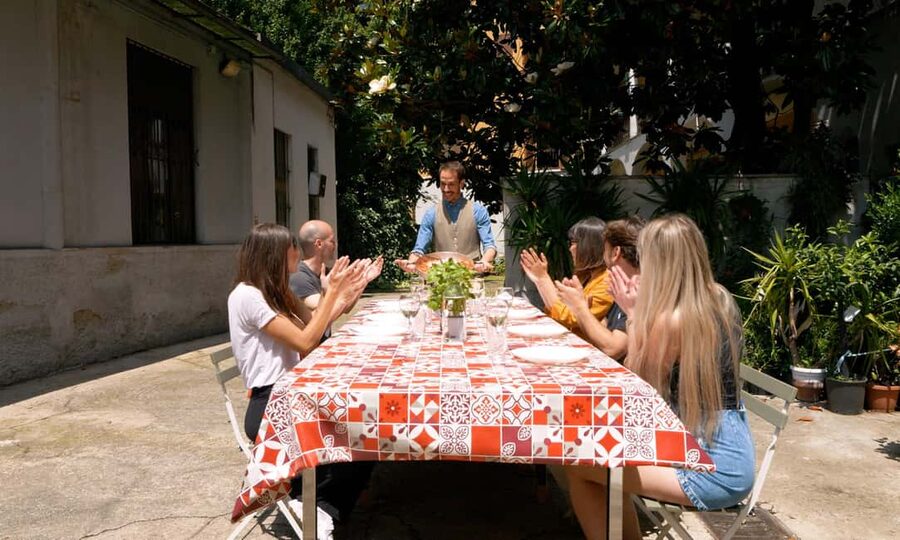
Review · PASTA
Milan: Traditional Pasta and Tiramisù Masterclass
Fresh pasta in Milan beats another museum day. This class is hands-on, friendly, and built around classic Italian comfort food in a real home kitchen.
What I especially like: you learn practical pasta technique (not just recipes) and you finish by eating together at a table, with local wine. One heads-up, it is a cooking class, so you should be ready to get flour on your hands and be part of the teamwork.
The big stars here are the pasta-making skills and the legendary tiramisù lesson, guided by hosts like Vincenzo, Pietro, and Luisa. You’ll come away with the recipes too, so the experience can last past your last bite.
Possible drawback: with hands-on cooking, you may feel rushed if you prefer watching quietly, since the format is built for doing.
Key things that make this class worth your time
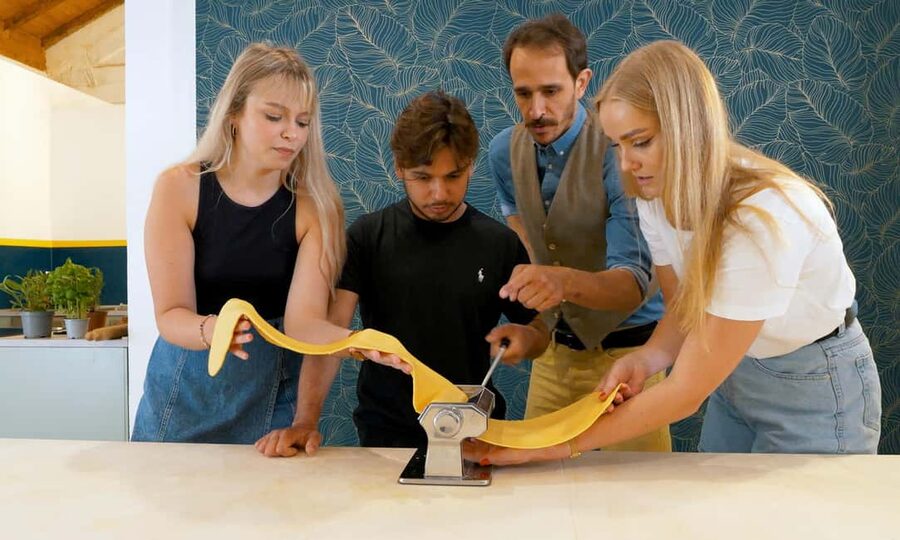
- English-speaking pasta maestro teaching in a warm, family-style setting
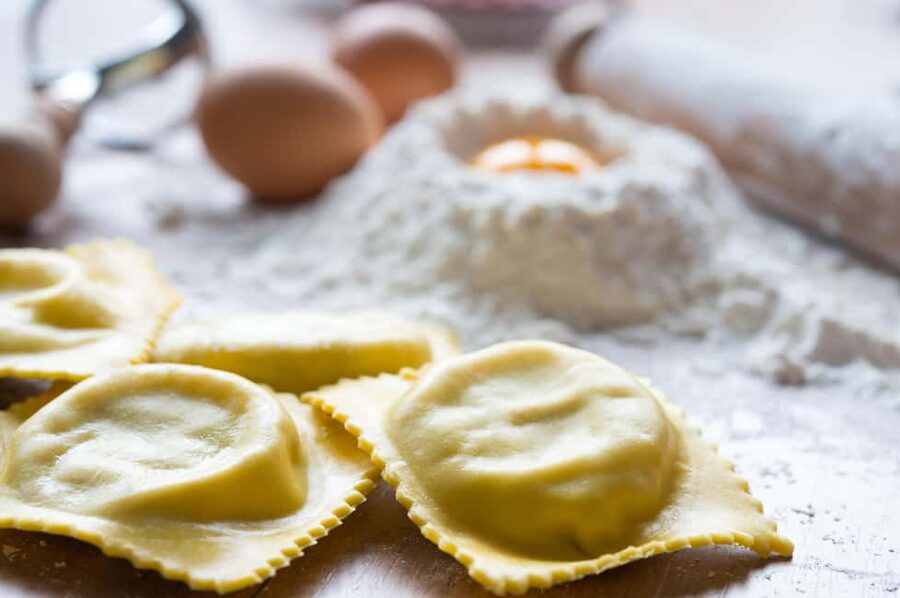
- Hands-on prep for classic shapes like ravioli, plus pasta types such as spaghetti and fettuccine
- A generation-style tiramisù method, with the sweet details that matter
- Three-course meal you eat together right after cooking, with wine included
- Small-group feel that helps you learn faster and connect at the table
- You leave with all the recipes, not just a full stomach
Why this Milan pasta and tiramisù class feels different
Milan gets a lot of attention for fashion and design, but it also has a quieter side that shows up in kitchens. This experience leans into the daily reality of Italian cooking: roll the dough, share the work, then sit down and eat like you mean it.
What makes it stand out is that it is not a lecture or a demo. You actually build the meal. You’ll work with fresh dough, learn how to shape pasta, and then shift gears to tiramisù, where timing and technique are everything. The goal is that you can repeat it later, not just survive it once.
I also like the social rhythm. You cook together, chat together, and then you eat together. That is how you get something more useful than a photo: you pick up little habits, like how Italians talk about ingredients, or what they treat as non-negotiable steps.
The class is also set up for comfort. The “family atmosphere” theme is not just marketing. Multiple hosts are reported to be warm, funny, and good at keeping things moving smoothly, which matters when everyone has to do hands-on tasks at the same time.
You can also read our reviews of more tours and experiences in Milan.



Finding the place: the entry phone buzz that saves your sanity
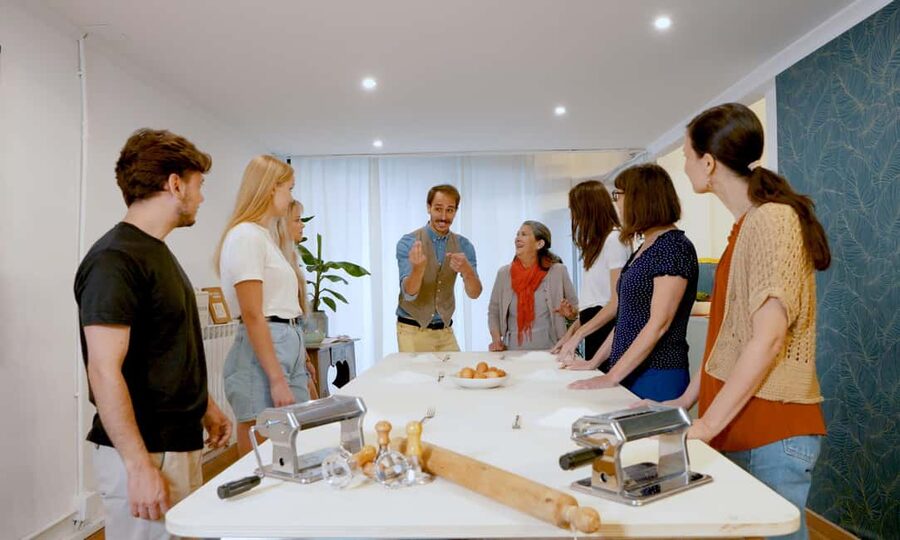
You’re meeting at a private location in Milan. Once you arrive, do not rely only on spotting the door open. Buzz the entry phone with the code 38-ITDP at the entrance of the building.
This matters because in older buildings, the entrance can look open even when the right door isn’t the one you need. That simple buzz instruction helps you avoid wandering around for 10 minutes with a hungry, slightly stressed face.
If you have dietary restrictions, flag them ahead of time. The organizer says they will do their best to accommodate. Based on past guest experiences, the team has handled vegetarian needs and can adjust in some cases. Just communicate early and be clear about what you need to avoid.
Also note the class language is English, and it is wheelchair accessible, so it is set up for a wider range of travelers than many small kitchen classes.
The pasta workshop: dough work, shaping, and teamwork that actually teaches
This is a three-hour class built around making pasta from scratch. The cooking focus includes fresh pasta skills and shaping methods, with ravioli and pasta types like spaghetti and fettuccine specifically mentioned.
In practice, you can expect an active flow: you’ll help prepare the dough, learn how to handle it so it rolls cleanly, and then shape at least one or two pasta varieties. Many guests report making two pasta types plus tiramisù, which makes sense for a short, hands-on session.
Here’s what you should watch for, because these are the technique points that turn good intentions into edible results:
- Dough texture comes first. Fresh pasta is forgiving when your dough feels right. If it’s too dry, it cracks while rolling. If it’s too sticky, it fights you when shaping. Your instructor should guide you on the feel and the small adjustments.
- Shaping is the real lesson. Anyone can boil store-bought pasta. The skill is in how thin you roll, how you portion, and how you close or cut. That’s where the “pasta maestro” approach earns its name.
- Teamwork is part of the method. The setup is designed so people aren’t just waiting. Some hands work the dough, others help with the next step, and you rotate through tasks. That keeps energy up and reduces bottlenecks.
Hosts like Vincenzo and Pietro are repeatedly praised for making instructions clear and for being easy to get along with. Luisa also comes up as a standout host who keeps the mood fun while still teaching real technique.
One more practical note: if you’re used to cooking alone, this will feel different at first. You’ll get better faster because you’re not guessing. You’ll also pick up small kitchen habits, like how Italians treat flour dusting and how they time the next step so pasta doesn’t sit around drying out.
Tiramù masterclass: the steps that make it taste like Italy
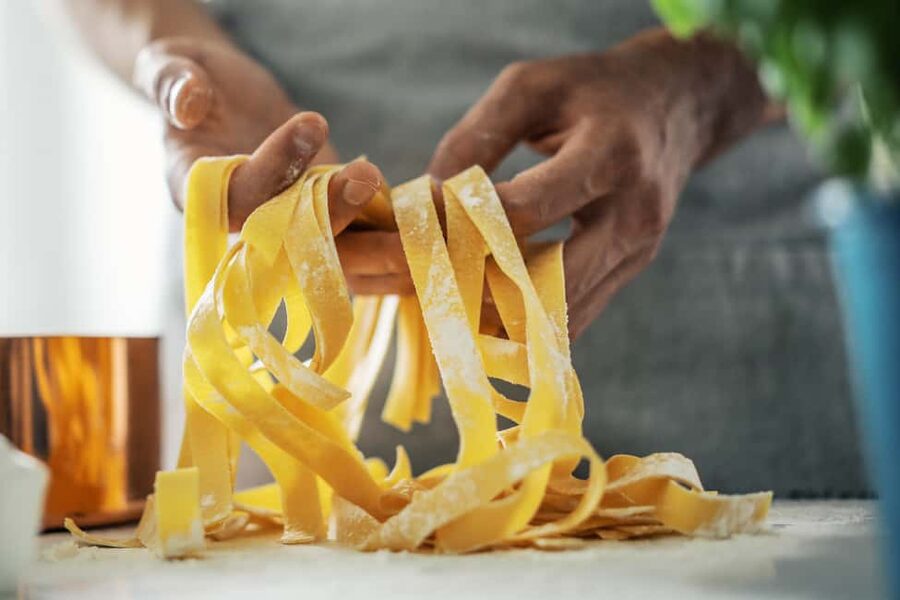
Tiramisù looks simple until you taste a great one. This class treats tiramisù like a real craft, with a method described as passed down through generations.
Expect to learn the logic behind the layers and the handling details that keep the dessert from turning soggy or bland. Even if you’ve made tiramisù at home before, you’ll likely notice you were missing one of these key factors: texture balance, timing of assembly, or how the cream component is mixed and rested.
Multiple guests note that the tiramisù can be started early, which helps because assembly often benefits from chilling time. Starting earlier also helps the whole schedule stay calm, especially if you’re cooking multiple pasta types.
A fun bonus is that the host can bring a bit of occasion into the room. One guest described candles being added for a birthday, which gives you a sense that the kitchen atmosphere is personal, not stiff.
This is also where you’ll probably feel the biggest “confidence boost.” Pasta scares people because it’s physical. Tiramisu intimidates people because it’s easy to overthink. When someone shows you the method step by step, the dessert starts to feel repeatable.
The three-course lunch or dinner: eating is part of the lesson
After the hands-on cooking, you sit down to enjoy what you made: a three-course lunch or dinner plus one bottle of wine per two people.
This is more than a payoff. The meal helps lock the lesson into memory. You can taste the pasta texture while it’s still fresh, compare flavor balance between components, and connect the steps you just did to the result on the plate.
The shared table format is also one of the best parts of Milan experiences like this. You talk while eating. You swap tips with other people at the table. Many guests highlight that they made new friends during the class and enjoyed the family-style conversation afterward.
If you’re worried about fitting in, don’t be. Hosts are described as inclusive and attentive, even learning names and nudging quiet people into the mix. It’s the kind of environment where you can ask a question without feeling like you’re slowing things down.
For wine, keep it simple: try a sip with each course, and drink what you enjoy. Because the class includes wine, you’ll want to keep your pace steady if you plan to explore Milan afterward.





What you take home: recipes and the ability to cook again
You get all the recipes to bring back home. That matters because the real value of a class isn’t the meal you eat once, it’s what you can repeat later without guessing.
Fresh pasta and tiramisù can seem intimidating until you have a clear reference. A good recipe packet reduces the stress of rebuilding your timing and your ingredient ratios.
Based on how hosts are described, you should also expect tips on storing pasta and ingredients. Even when the class is short, the best instructors use the time to pass on practical habits that prevent common home-kitchen mistakes.
If you want to make this trip “sticky” in a good way, treat the class like you’re collecting a kitchen toolkit. Note what ingredients feel different in your hands, like how the dough changes as it comes together. When you cook at home later, those little memories help you steer back toward the right texture.
Price and value: is $93 fair for a 3-hour masterclass?
At $93 per person for a roughly 3-hour experience, the value is strongest if you care about technique and want a real meal included.
Here’s what you’re getting for the price:
- Hands-on cooking class with a professional chef
- 3-course lunch or dinner
- Wine included (one bottle per two people)
- Cooking equipment provided
- Tips and a guided process
- Recipe handover so you can cook again later
The biggest value driver is that you’re not paying just for food. You’re paying for time with an instructor and the chance to practice pasta work under guidance. Anyone can eat pasta in Milan. Fewer people leave with the know-how to make it.
Could you get a cheaper meal elsewhere? Sure. But you would not get the combination of instruction plus eating what you made, in a small, warm setting.
If you’re on a tight schedule, remember the class is short, so come ready to participate. If you’re mainly hunting for a passive cultural experience, you might feel more satisfied with something that doesn’t require hands-on cooking.
Who should book this class, and who might want a different style
This is ideal if you want a morning or afternoon with meaning. It’s a great fit for:
- Couples who want a shared activity and a meal afterward
- Solo travelers who want conversation in a small group
- Food lovers who like learning technique, not just tasting
- Travelers who enjoy hands-on experiences where teamwork matters
It can also work well for families, since one guest specifically mentioned the experience being enjoyed with children. Just keep in mind it is still a cooking class, so younger kids may need a bit more attention depending on how tasks are assigned.
Who might hesitate? If you strongly prefer watching rather than doing, a hands-on class may feel less relaxing. If you hate any messy food prep, you’ll want to mentally prepare for flour, sticky dough, and a kitchen that smells like butter and eggs.
Diet-wise, the organizer says they will try to accommodate restrictions if you let them know. That’s the right approach. If you have a serious allergy, message details carefully and avoid assuming everything will be handled the same way for every course.
Practical tips to get the most from your pasta and tiramisù session
A few small choices can make the difference between a fun class and a stressful one:
- Wear clothes you can get flour on. It’s not a fancy photo shoot, it’s dough work.
- Be ready to participate. The best learning happens when you jump in, even if you’re not confident at first.
- Ask about texture. If you ask one question, make it about what the dough should feel like. That usually unlocks everything else.
- Don’t overthink the dessert timing. Tiramisù rewards calm steps. Follow the method and let chilling do its job.
- Plan your evening. After wine and a full three-course meal, you’ll likely want a slower plan for the rest of your day.
Also, if you’re celebrating something, mention it. One guest shared that candles were added for a birthday, and that kind of personal touch is exactly why these classes feel special.
Should you book Il Teatro della Pasta di Pietro Visconti in Milan?
If you want one of the most practical, memorable food experiences in Milan, I think this is an easy yes. You learn fresh pasta technique, you make tiramisù the classic way, and you eat a full meal with wine in a friendly setting. You also leave with recipes, which is rare for short food experiences.
Book it if you like hands-on cooking, want an English-speaking instructor, and value the combination of learning plus a shared table meal.
Skip it if you’re looking for a quiet, passive activity, or if you have a very strict schedule and cannot handle a kitchen experience with a bit of mess and teamwork.
If that sounds like your kind of day, go for it. This is the sort of Milan you can taste, not just look at.
FAQ
How long is the Milan pasta and tiramisù masterclass?
The class runs for about 3 hours. Starting times depend on availability.
What does the $93 per person price include?
It includes a hands-on cooking class, a 3-course lunch or dinner, and one bottle of wine per 2 people, plus cooking equipment and tips.
Is the instructor fluent in English?
Yes. The instructor teaches in English.
Where do I meet the group?
Meet at the building entrance and buzz the entry phone with the code 38-ITDP, even if the door appears to be open.
What dishes will I learn to make?
The experience covers traditional fresh pasta and tiramisù, with pasta preparation including ravioli, and pasta types such as spaghetti and fettuccine. The dessert is the classic tiramisù.
Is this experience wheelchair accessible?
Yes, it is listed as wheelchair accessible.
Can I bring my own dietary restrictions?
You should let the team know any dietary restrictions. They say they will try their best to accommodate you.
Does it include wine?
Yes. There is one bottle of wine per 2 people included.
What is the cancellation policy?
Free cancellation is available up to 24 hours in advance for a full refund.
Can I reserve without paying immediately?
Yes. It offers a Reserve now & pay later option so you can book and pay later.
More Tour Reviews in Milan
Not for you? Here's more nearby things to do in Milan we have reviewed




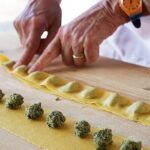





Pasta, compared.
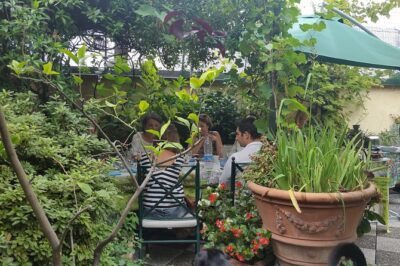 ★ 5.0The Secrets to Learn Fresh Pasta and Tiramisù in a Glam HomeFrom $901,182 reviews
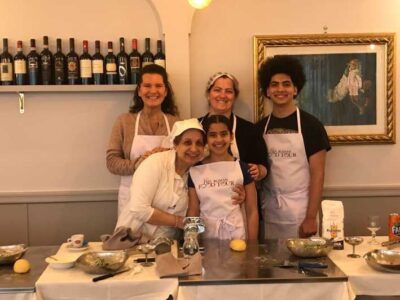 ★ 4.8Pasta and Tiramisu Cooking Class with WineFrom $611,106 reviews
 ★ 5.0Gnocchi, Pasta, Tiramisù and Wine ClassFrom $83691 reviews
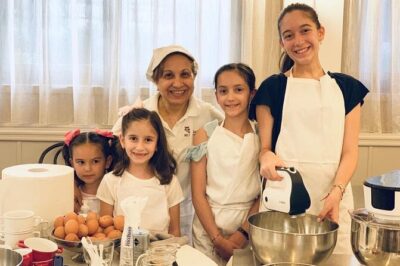 ★ 5.0Pasta and Tiramisu Small Group Cooking Class with WineFrom $83660 reviews
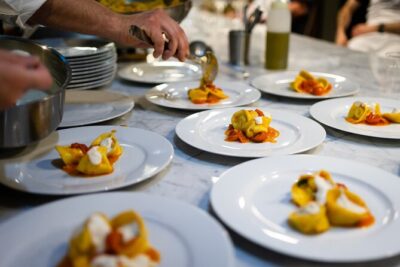 ★ 5.0Milan Culinary Experience: Pasta & Gelato or Tiramisù ClassFrom $85337 reviews
 ★ 4.9Pasta, Ravioli, and Gelato Class in a Glamorous HomeFrom $88268 reviews
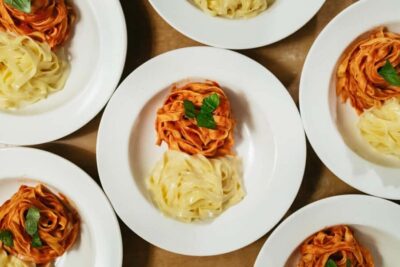 ★ 5.0Pasta & Tiramisu Cooking Class with Premium ProductsFrom $80255 reviews
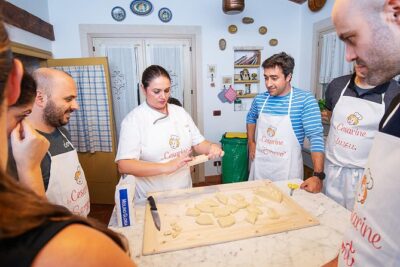 ★ 5.0Small group Pasta and Tiramisu class in ComoFrom $229210 reviews
Browse the lists this tour appears in