
Review · MILAN LA SCALA TOURS
Skip the line La Scala Theatre Guided Tour Experience
A legendary opera house can feel intimidating, until someone guides you in. This Teatro alla Scala tour gives you a close-up view from the theatre boxes and explains why the place matters, from Toscanini to Barenboim.
I especially like the focused, one-hour pace, and you’re not stuck waiting around. The small group size keeps things conversational, and you can ask questions instead of just standing in a crowd.
My favorite part is the chance to see the theatre during rehearsals, sometimes with the lights on, not just the usual dark-room look. That said, there’s one big consideration: the stage view can be limited by rehearsals, and the tour notes that no refunds apply if the stage cannot be seen.
Key points to know before you go
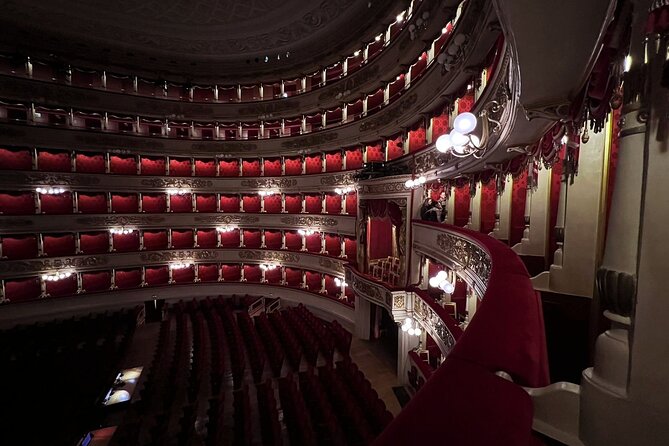
- Reserved, skip-the-line style entry with entrance and reservation fees included
- Views from the boxes when the auditorium is accessible between events
- A tightly timed one-hour visit that aims to hit the highlights without dragging
- English-led tour with headsets if your group is larger than 5
- Rehearsal variables can change what you see, including possible lights-on moments
- No backstage promise and limited access means expectations should stay realistic
Inside Teatro alla Scala: what you’re really paying for
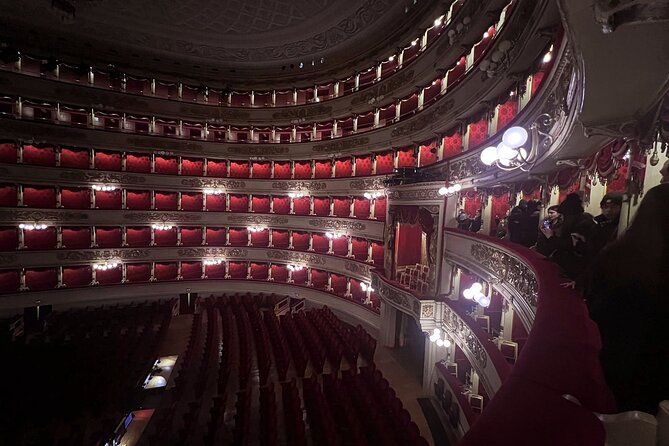
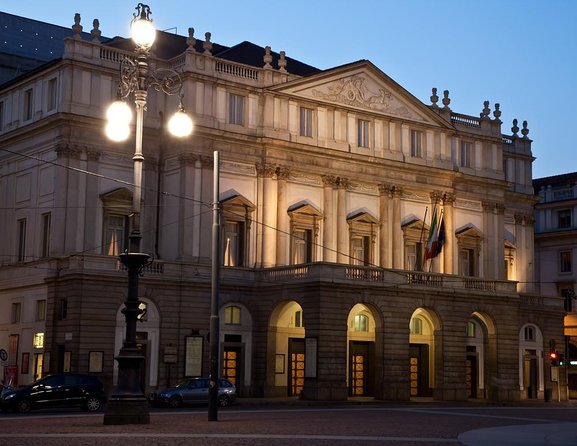
Milan’s La Scala is one of those places where the building alone already has gravity. The lines for tickets can feel long and chaotic, so I like that this experience is built around reserved access rather than pure walk-up luck.
The value is not just standing in a famous room. It’s the way the guide turns the theatre into something you can understand, with clear context about what you’re seeing and why certain details became part of opera history.
You also get an efficient plan. The visit is about one hour, which is perfect when you want a high-impact stop without stealing half a day from the rest of Milan.
You can also read our reviews of more guided tours in Milan

Where the tour starts (and how to show up without stress)
Your meeting point is Largo Antonio Ghiringhelli, 1, 20121 Milano MI, Italy. The tour ends back at the meeting point, so you won’t be dropped somewhere far away after your one-hour slot.
Because this is a timed experience, I’d treat it like a theatre appointment. Arrive a bit early, especially if you’re trying to line up with public transport or you’re coming from another busy sight.
The tour is listed as near public transportation, which matters in Milan. If your day is already packed, this stop won’t fight you on logistics.
The 1-hour flow: what happens from start to finish
This is a single-stop tour at Teatro Alla Scala. There’s a reason the schedule is tight: the best viewing windows happen when the auditorium is not in the middle of an event, and rehearsal time can be unpredictable.
You start by getting a perspective from the theatre area where access is possible. In practice, that means you’re positioned to look into the auditorium from the boxes, instead of rushing straight to a backstage door that may not be open.
The itinerary focuses on a guided look that lasts around 45 minutes inside the main visit, with the rest of the time going to introductions, movement between viewpoints, and finishing up.
Stop 1: Teatro alla Scala, boxes first, meaning second
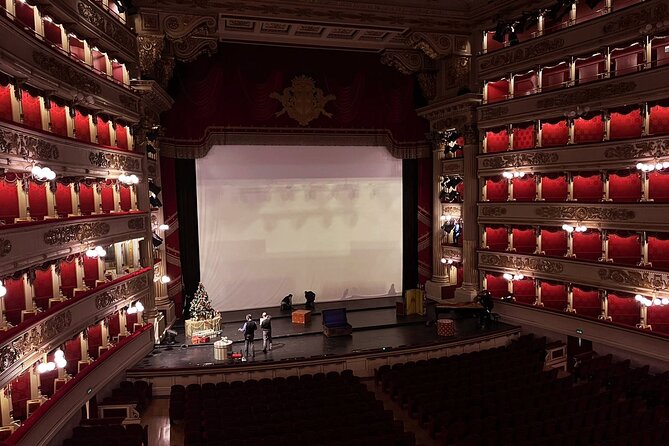
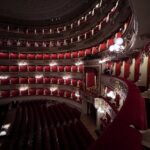
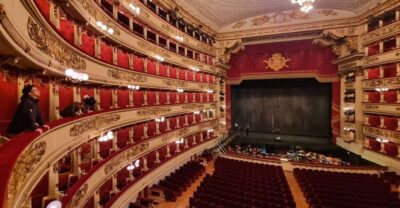
This tour’s core is the view from the theatre boxes. When a performance or major event is not in progress, you can usually see the auditorium space in a way that feels like you’ve stepped into the “before the curtain” moment.
That matters because La Scala is designed for sightlines and acoustics, not just photo ops. From the boxes, you can grasp how the room is built to carry voices, how audiences were historically positioned, and why certain design choices became part of the opera tradition.
You’ll also hear history tied to the people who shaped La Scala over time, including famous names like Toscanini and Barenboim. Even if you’re not an opera diehard, the guide’s job is to connect the theatre’s features to the stories that made it famous.
A fair expectation check: this isn’t a backstage tour. Some visitors end up feeling they only saw a portion of the theatre interior, like what’s visible from within accessible areas and one viewpoint zone.
Lights on during rehearsals, the moment everyone hopes for
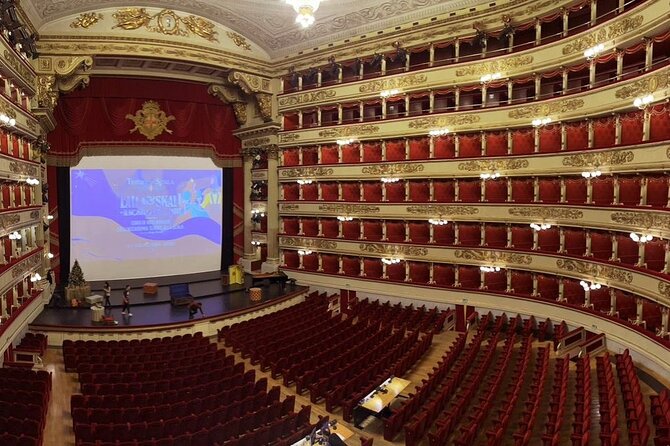
Here’s the sweet spot: seeing the theatre look more alive, sometimes with the lights on. Several people highlight rehearsal moments as the top payoff, because a dark auditorium can make a great building feel distant.
There are also cases where rehearsals limit what you can see, and the stage visibility can vary. The tour specifically warns you that the stage may not be visible due to rehearsals, and in that case, refunds are not issued.
So what does that mean for your day? Think of the lights-on possibility as a bonus, not a guarantee. If you go in expecting a clear backstage peek, you might feel disappointed. If you go in wanting box-level views plus strong context, you’re more likely to come away happy.
A few more Milan tours and experiences worth a look

Museum pieces and theatre details you can actually appreciate
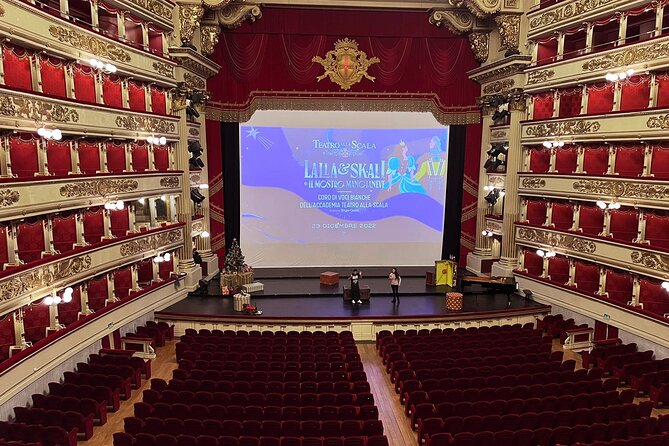
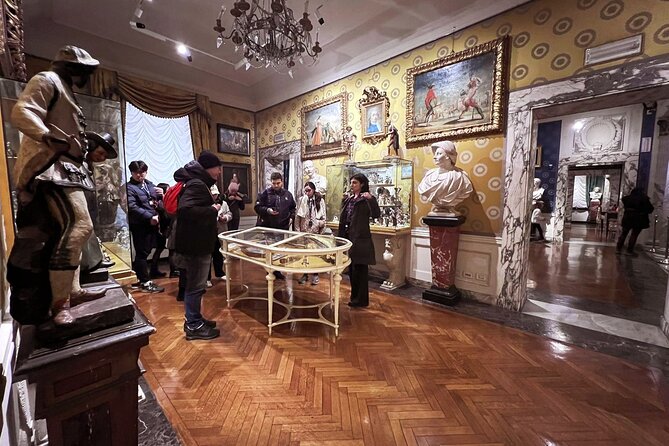
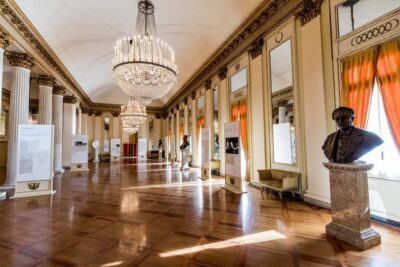
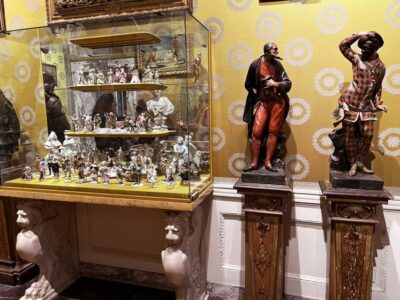
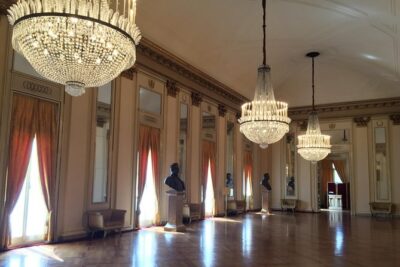
This experience is designed around the theatre interior, and many visitors also mention museum material as part of the overall interest. You may get time to look at artefacts and context that explain La Scala’s past and why the institution is more than a single performance space.
The museum angle helps if you’re curious about opera culture as a system, not just the building. It turns La Scala from a postcard into a place with objects, timelines, and the kind of detail that makes the next opera stop more meaningful.
That said, some people felt the tour stayed focused on the inside areas that were accessible, rather than moving through rehearsal rooms, dressing areas, or costume storage. If you want that full “work behind the scenes” tour, you should plan for the possibility that this one stays mostly in public and semi-public viewing zones.
Guides, headsets, and why the tone can make or break it
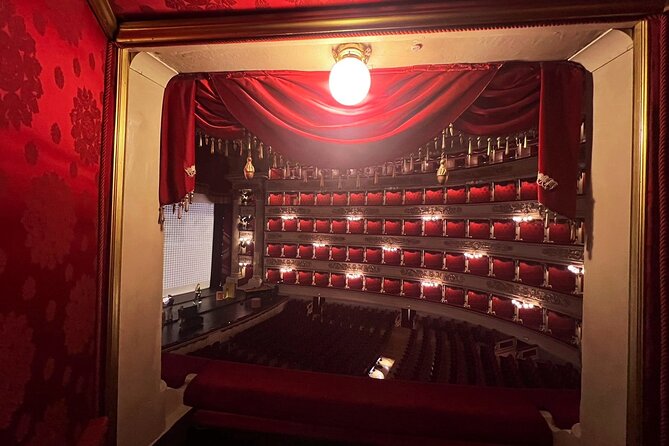
This tour is led by a professional guide, and you’ll have headsets if your group is more than 5 people. That’s a small detail that matters in a huge theatre. Clear audio helps you follow the story without leaning over or straining.
Guide quality is also clearly a big factor in how people rate the experience. In the best cases, you’ll get a guide who blends theatre history with human stories and keeps the pace lively. People specifically mention guides by name, including Giula, Emanuele, and Marta, and they praise clear communication and strong pacing.
On the other hand, a couple of lower-rated experiences mention a more monotone delivery or a guide who seemed eager to finish quickly. You can’t control who you get, but you can control how you show up: come with a tiny bit of interest in opera, and you’ll ride the guide’s narrative instead of feeling like you’re hearing facts with no emotional hook.
Getting the best view: practical tips that improve your odds
The stage and light conditions depend on rehearsals, but your choices still matter.
First, wear comfortable shoes. Some visitors mention steep stairs and note that an elevator may not be available. Even if the tour route is manageable, you’ll still be climbing and stopping for viewpoints.
Second, be ready for crowding. A few people mention that school groups can make the theatre interior feel busy. If that happens, don’t fight for the perfect spot. Use the guide’s viewpoint plan and focus on what you can see from there.
Third, ask a smart question early. If you’re interested in a specific composer, a particular era, or how the theatre’s design affects sound, ask within the first 10 to 15 minutes. When it goes well, it makes the rest of the tour feel more personal.
Price and value: is $46.99 worth it?
The price is $46.99 per person for about one hour. On paper, that’s not cheap for a theatre stop. The value comes from what’s included: entrance and reservation fees, a professional guide, and headsets when needed.
If you’re already paying for museum entry and buying a separate ticket, the guided structure can feel like a shortcut to understanding. You’re paying for context, not just access.
Where value can drop is when your expectations are too broad. If you’re hoping for extensive backstage areas, dressing rooms, rehearsal rooms, or a full stage walkthrough, you might feel like you paid for only part of what you wanted. This tour is best treated as an inside view plus expert storytelling, not a full production tour.
My rule: if you want the building plus the story in one tight stop, it’s a good buy. If you want backstage access as your main objective, you’ll likely need a different type of La Scala experience.
Who should book this La Scala guided tour
This is a strong fit if you:
- Want a quick, high-impact La Scala intro without committing to a long day
- Enjoy theatre history and want it explained in plain language
- Prefer a small group, where questions are possible
- Are curious about how La Scala became an icon, not just the stage itself
You might skip or adjust your expectations if you:
- Need guaranteed stage visibility, because rehearsals can limit what you see
- Want heavy backstage access, because this tour is built around accessible viewing zones
- Are sensitive to delays, since a small number of reports mention late hosts or time changes without clear notice
Should you book it? My quick decision guide
If your priority is to see the inside of Teatro alla Scala from meaningful angles and hear the stories behind it, I’d say this is worth booking. The combination of reserved entry, a timed visit, and guided context is exactly how you turn a famous stop into an experience you can remember.
If you’re the type who needs a specific visual outcome, like a clear full-stage view every time, be cautious. The tour’s own warning about stage visibility means you should treat what you see as conditional on rehearsals.
My advice: book it if you want a solid Milan highlight that fits your schedule. Book it with realistic expectations, and you’ll probably love it.
FAQ
How long is the La Scala Theatre guided tour experience?
The tour runs for about 1 hour.
What’s the meeting point for the tour?
The meeting point is Largo Antonio Ghiringhelli, 1, 20121 Milano MI, Italy.
Does the tour end at the same place it starts?
Yes, the activity ends back at the meeting point.
Is the tour in English?
Yes, the tour is offered in English.
Do I need to print a ticket?
You’ll receive a mobile ticket.
Is there an option for headsets?
Yes. Headsets are provided if the group is more than 5 people.
Will I definitely be able to see the stage?
The stage may not be visible due to rehearsals, and no refunds are issued if the stage cannot be viewed.
How big is the group?
The tour has a maximum of 30 travelers.
Is the location easy to reach using public transport?
Yes, it is listed as near public transportation.
What is the cancellation policy?
Free cancellation is available up to 24 hours in advance for a full refund.
More Guided Tours in Milan


More Tours in Milan

More Tour Reviews in Milan



Not for you? Here's more nearby things to do in Milan we have reviewed





Milan La Scala Tours, compared.
 ★ 4.0Milan’s Must See: Half-Day Tour of Last Supper, Duomo & La ScalaFrom $1304,193 reviews
 ★ 4.1La Scala Theater & Museum Guided ExperienceFrom $342,931 reviews
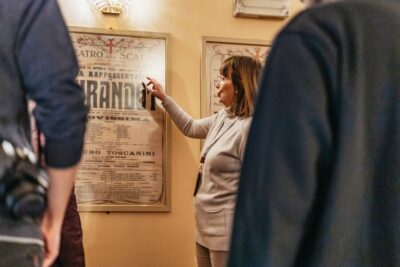 ★ 4.6“Museo Teatrale Alla Scala” Guided TourFrom $442,513 reviews
 ★ 4.7La Scala Theater and Museum Tour with Entry TicketsFrom $341,722 reviews
 ★ 4.4Entrance Ticket to La Scala Theatre MuseumFrom $17759 reviews
 ★ 4.5La Scala Theatre Skip-the-line Guided TourFrom $44728 reviews
 ★ 4.5La Scala Theatre and Museum guided experienceFrom $56664 reviews
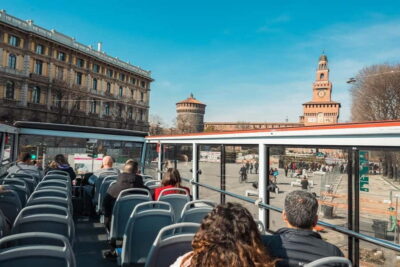 ★ 4.3Skip-the-Line La Scala Museum Tour + Hop On Hop OffFrom $41406 reviews
Browse the lists this tour appears in