
Review · MILAN LEONARDO DA VINCI TOURS
Milan: Pinacoteca Ambrosiana & da Vinci Codex Exhibition
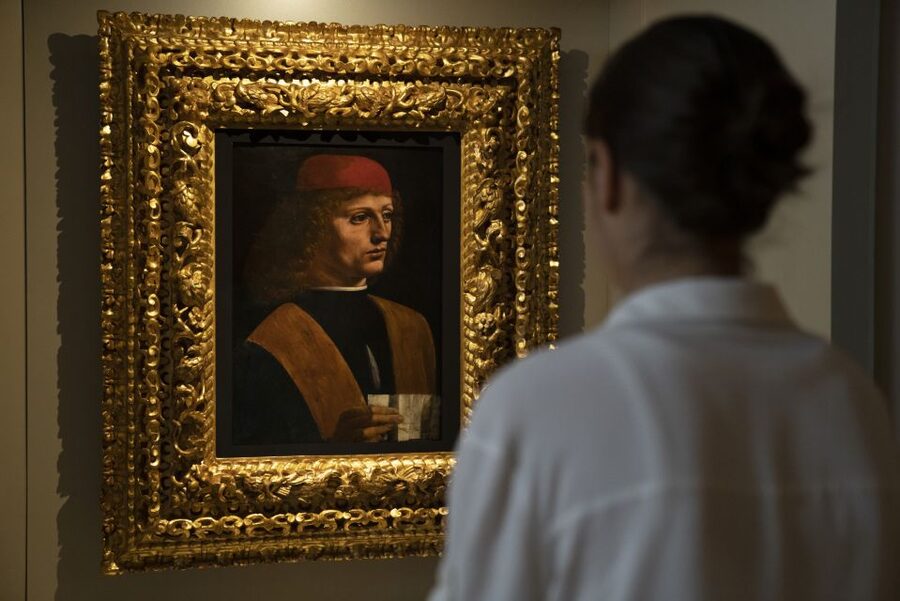
Leonardo’s drawings can change how you see art. At Milan’s Pinacoteca Ambrosiana, you get rare access to the Codex Atlanticus exhibition, plus major Renaissance works by Botticelli, Raphael, Tiziano, and Caravaggio inside a museum set within a historic library. I also like the way the experience connects art to ideas, with time in the Federiciana Room that helps you picture the man and his era, not just the masterpieces.
My only real caution is lighting and wayfinding. The museum can feel dim in places, and the written labels can be harder to read than you’d expect, so plan on slowing down and looking closely where the displays are well lit.
Key things to know before you go
- Leonardo da Vinci’s original drawings from the Codex Atlanticus are the star attraction here.
- Federiciana Room access adds context, making Leonardo feel less like a poster and more like a thinking person.
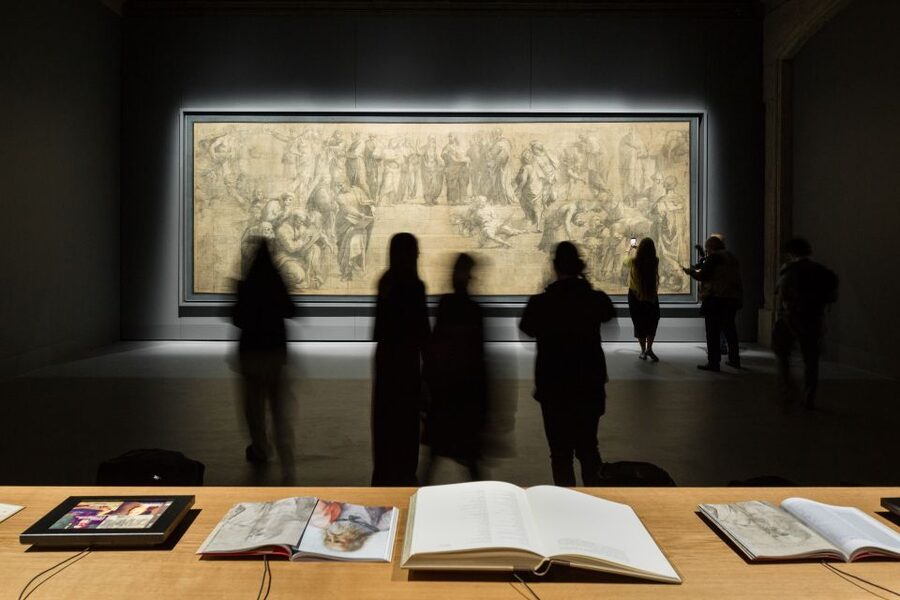
- Raphael’s School of Athens cartoon is a major highlight, including a film-style explanation of how the cartoon was transferred to the wall.
- You’ll also see a mix of Renaissance artists, including Botticelli, Tiziano, and Caravaggio.
- The audio guide app is available in multiple languages, and you can use it during and after your visit.
- The layout is compact enough for a 1-day trip, but you’ll want time for the details.
Inside Pinacoteca Ambrosiana, Milan’s library museum mood
The Pinacoteca Ambrosiana experience starts in a place that already feels different from a typical art museum. It’s housed inside Milan’s historic Ambrosiana Library, so you’re surrounded by an atmosphere of study and old-world order while you look at paintings, drawings, and art objects. For me, that matters because it changes the pace. You don’t just “walk through.” You tend to read, pause, and make sense of what you’re seeing.
Location-wise, it’s easy to reach. The meeting point is The Ambrosiana, Piazza Pio XI 2. Use the metro to Cordusio or Duomo (Red Line to Cordusio, Yellow Line to Duomo). Tram options include lines 12, 14, and 16 to Orefici Cantù, or lines 2 and 3 to Duomo. If you’re already heading toward Duomo, this works smoothly as a morning or early afternoon plan.
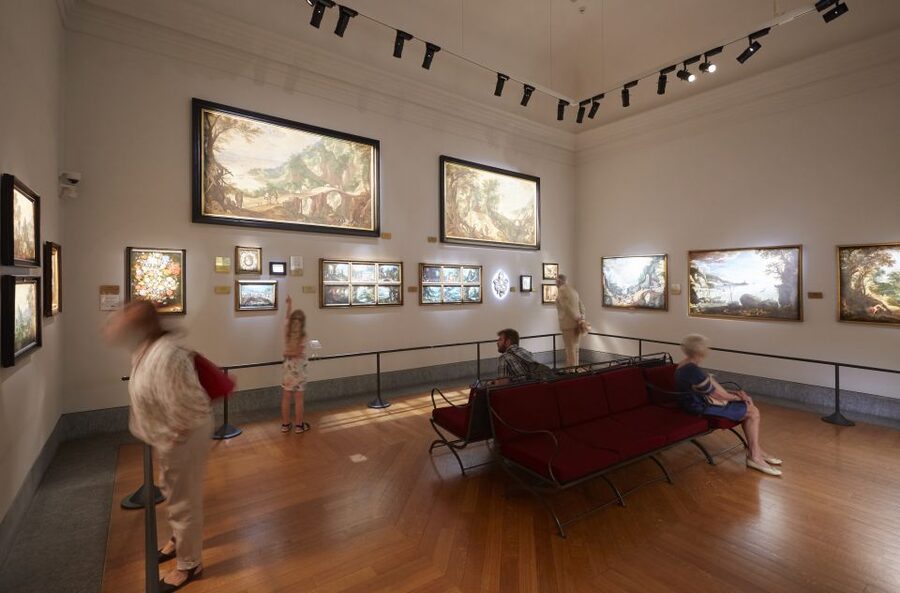
Also, plan for the museum’s lighting. Some rooms feel intentionally subdued, which helps you focus on the works, but it can make labels harder to read. If you rely on text for understanding, bring your attention skills, not just your phone.
Leonardo’s Codex Atlanticus drawings, what makes this display special
The headline is the exhibition of Leonardo da Vinci’s original drawings from the Codex Atlanticus. This is not a vague “inspired by Leonardo” moment. You’re looking at the real thing, and the experience is powerful because drawings show process. You can spot how ideas shift, how different thoughts appear as sketches, and how the mind works while the hand is moving.
What I like most is that the exhibition doesn’t treat the drawings like untouchable artifacts. It connects them to Leonardo’s thinking over a long stretch of life. The display is described as reflecting more than 40 years of research into his works, and the point of that effort shows up in how the material is presented: you get a clearer overview of his interests and how he approached observation.
If you want to experience this like a pro, slow down early and let the drawings reset your eyes. Paintings can feel finished. Drawings feel alive. They also let you see the Renaissance differently, as something built from curiosity and problem-solving, not just style.
You’ll also spend time in the Federiciana Room, which deepens your understanding of Leonardo’s man and his times. Think of it as the “why” behind the “what.” Instead of only admiring lines on paper, you start to connect them to the culture of learning, experimentation, and debate that helped ideas travel.
Raphael’s School of Athens cartoon, the art of transfer and intention
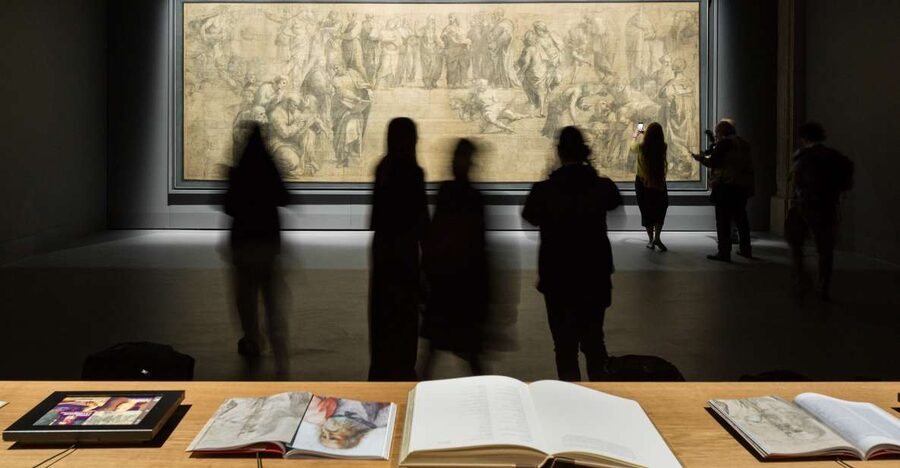
One reason this museum earns repeat visits is that it includes a standout related to Raphael’s School of Athens. The highlight isn’t just the image itself. You also get a film explanation about how the cartoon process worked, including how it was transferred onto the wall.
That might sound technical, but it’s exactly what makes it rewarding. You learn that major fresco work did not happen by pure magic. It involved planning, preparation, and a carefully managed workflow. And once you understand the process, the final work becomes more meaningful. You see the painting as the outcome of labor and decisions, not just talent.
There’s also a focus on the people in the scene, with explanation of the characters. That turns the cartoon from a single artwork into a guide for understanding the story Raphael was telling with philosophy and identity.
If you’re the type who likes to connect the dots between Renaissance art and Renaissance thought, you’ll probably linger here. It’s the moment where the museum feels like it’s teaching you how to watch.
The rest of the collection, Botticelli to Caravaggio without the overload
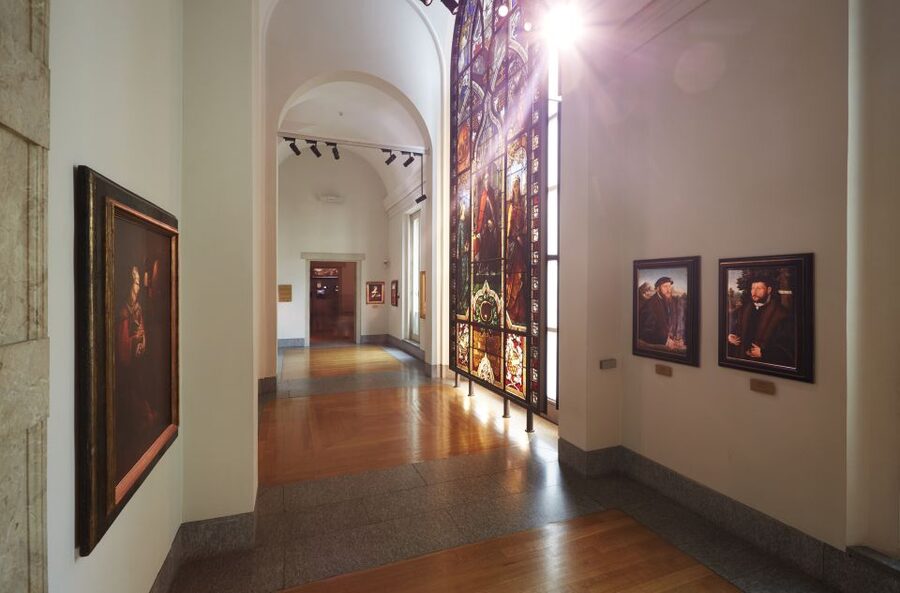
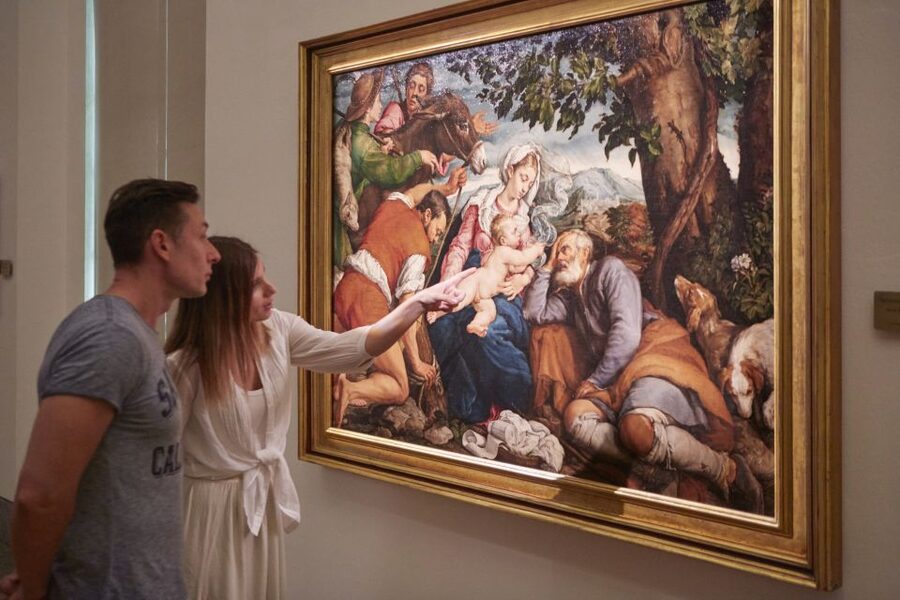
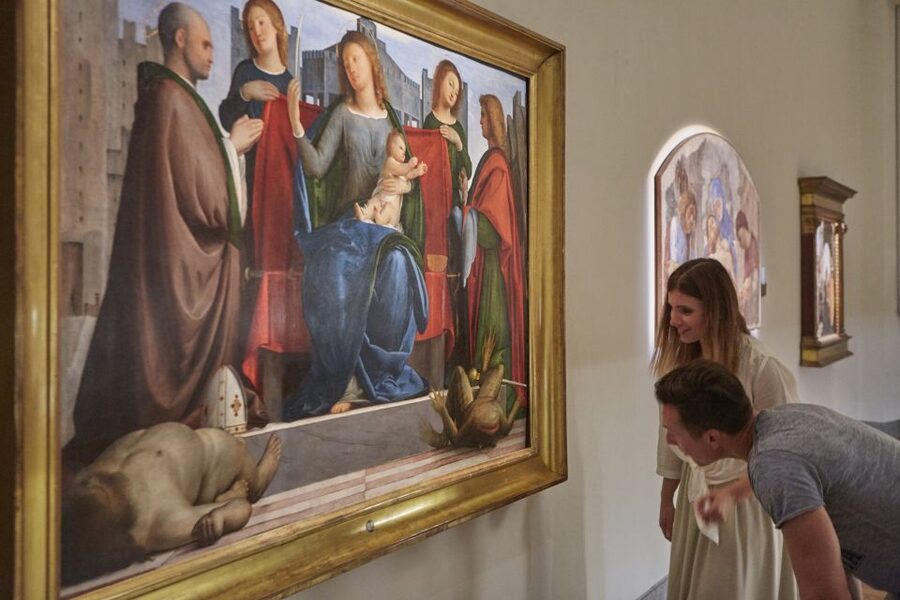
Leonardo is the big draw, but the rest of the Pinacoteca Ambrosiana collection gives you balance. You’ll see works connected to major Renaissance names, including Botticelli, Raphael, Tiziano, and Caravaggio. That range helps you understand the period’s variety: the same century can look very different depending on the artist and the goals behind the work.
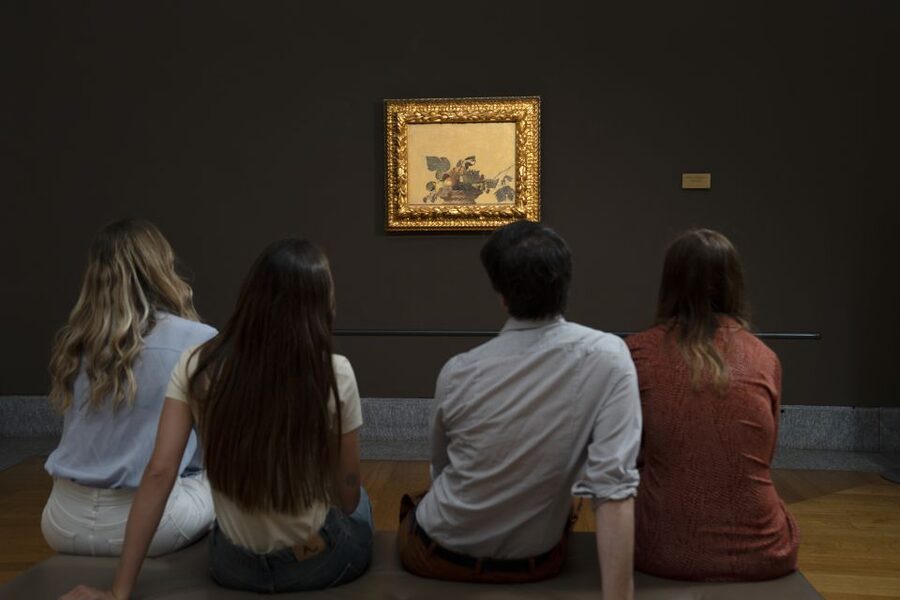
Caravaggio fans may enjoy how still-life style and intense realism show up in the collection, giving you a contrast to Leonardo’s line-based genius. Botticelli and Tiziano broaden the palette and style, so you’re not stuck in one artistic language for hours.
A practical benefit is that the museum layout feels manageable compared with larger art hubs. It’s still not a 20-minute stop, but it doesn’t feel like you’re committing your whole day to random rooms. That balance is useful if you’re planning a first trip to Milan and want your art day to feel focused.
Audio guide app, how to get real value from it
The audio guide is not included in the base price, but it’s available in 6 languages either on the booking platform or at the ticket office for 4 EUR. The big advantage is that the app format means you can listen after the visit too, which helps if you want to process everything later when you’re back at your hotel or out for dinner.
The audio guide is especially worth it for this museum because the experience is layered. You’re looking at drawings, rooms of context, and specific masterpieces. Without guidance, you might still enjoy it, but with guidance, the works start talking back. Many visitors end up treating it like a real companion rather than background noise.
Here’s a smart tip: if you plan to spend longer than a basic loop, make sure your audio guide mode matches your time. One visitor noted the default can feel set up for about an hour, then you may need to switch to a longer visit setting so you get the deeper coverage instead of hearing the same few segments again and again.
Also, if the museum labels are hard to read in certain spots, the audio guide becomes the best backup. You can focus your eyes on the art and let the audio explain what you’re looking at.
Timing, tickets, and how long to plan for this 1-day stop
The activity is listed as 1 day, and the ticket price is about $21 per person (plus the optional audio guide). That value is mostly about the target works you get access to. You’re paying for a very specific experience: Leonardo’s original Codex Atlanticus drawings, plus major Renaissance anchors like Raphael’s School of Athens cartoon, all in a compact museum setting that doesn’t require all-day stamina.
What time should you set aside? Reviews and on-site pacing suggest a realistic visit time of around 2 to 3 hours, with some people extending a bit more if they’re reading slowly and using the audio guide. If you want time to sit, re-read labels, and look closely at drawings, plan closer to the longer end.
Crowds tend to feel manageable, and a few people mention getting in without serious waiting. Still, I’d book ahead because you’re dealing with limited viewing schedules and timed entry habits are common for museums in Milan.
One more detail that affects your plan: if you’re sensitive to dim rooms, bring patience. You’ll likely move more slowly than you expect when you’re trying to match the audio with the objects in front of you.
Getting there and managing the small practical hassles
Getting to the Ambrosiana is straightforward from central Milan. Follow the metro and tram options listed on the meeting point section, and you’ll arrive at a museum that feels calm and self-contained rather than chaotic.
A practical note: the museum is not set up for constant stroller traffic. One review mentioned that for a baby buggy, it could be difficult to see some parts and that it may be kept near the entrance. If you’re traveling with a stroller, you might need to adjust expectations and be ready to take turns or reposition yourself.
There’s also a small navigation warning to keep in mind. One visitor found it confusing to locate the Codex display and ended up taken to the opposite end of the museum. That’s not a dealbreaker, but it’s a reason to either study the map at the entrance or ask staff early once you get inside.
None of these issues cancel the experience. They’re just the kind of small realities that matter when you’re aiming for a smooth art visit.
Is this the right Milan plan for you?
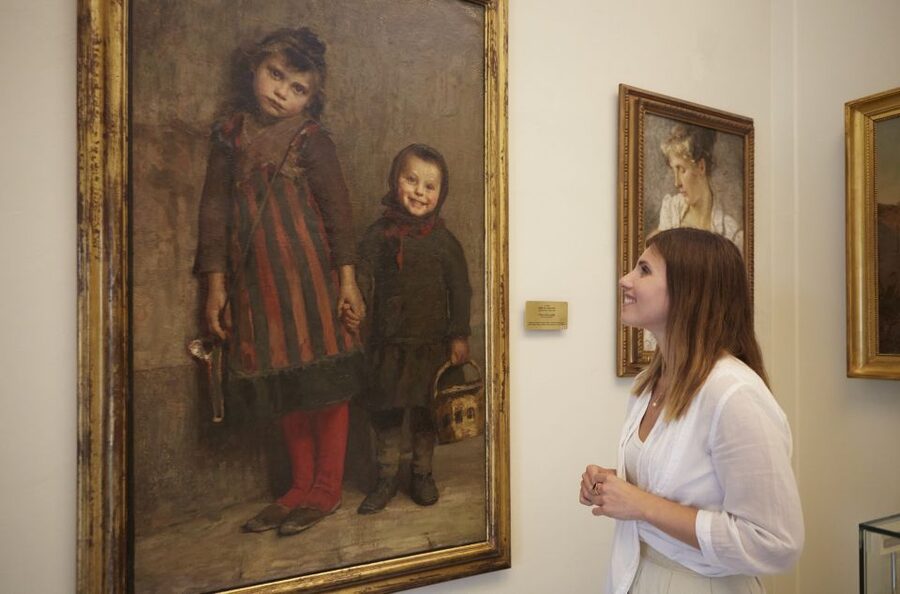
This is a great fit if you want Renaissance art that feels intellectual and hands-on. The Leonardo drawings matter most if you’re curious about how ideas form, not just how they look. The Raphael cartoon adds a “how it was made” layer, which suits people who enjoy process as much as finished masterpieces.
You’ll also like it if you enjoy using an audio guide as a real tool, not a quick scan. The app’s availability during and after your visit helps you connect the dots later, which is handy on a vacation day when you’re juggling sightseeing in multiple neighborhoods.
This may be less ideal if you strongly prefer bright, easy-to-read galleries and you plan to rely almost entirely on wall text. The museum can be dim, and a few visitors found labels hard to read.
Best overall, though: it’s a smart Milan choice when you want something meaningful and focused without trying to do every major museum in the city.
Should you book Pinacoteca Ambrosiana and the da Vinci Codex exhibition?
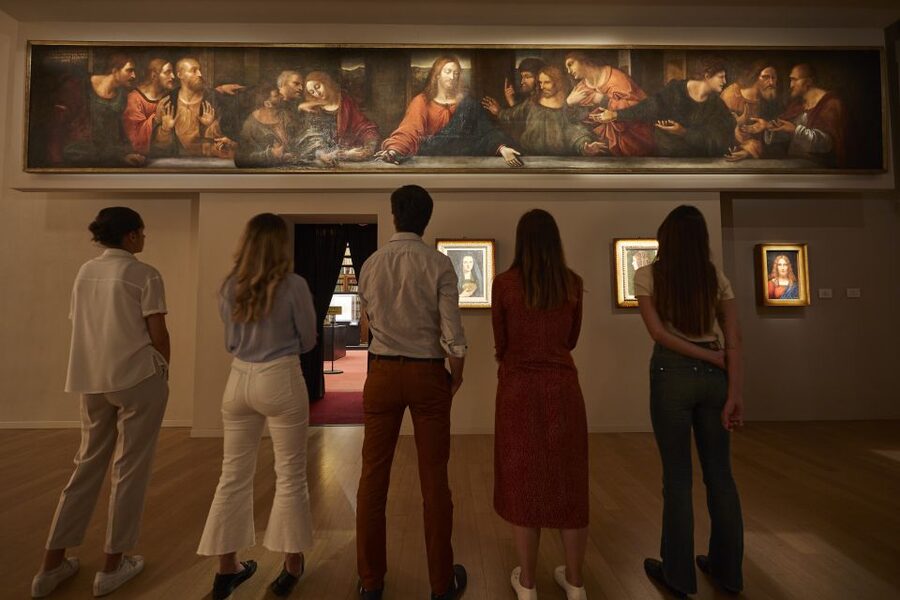
I think this is worth booking if Leonardo is high on your list and you want to see original drawings, not replicas or “inspired by” works. The combination of Codex Atlanticus drawings, the Federiciana Room context, and Raphael’s School of Athens cartoon with the transfer explanation makes the visit feel purposeful, not random.
If you do art in Milan for a few hours, this gives you a lot of payoff for the time. It’s also priced reasonably for the level of access. Just remember to budget extra for the audio guide if you want the best value out of the experience, especially in the dimmer rooms.
If you’re unsure, book now and keep your plans flexible since free cancellation is offered up to 24 hours in advance, and there’s a reserve-and-pay-later option.
FAQ
Where is the Pinacoteca Ambrosiana meeting point?
The meeting point is The Ambrosiana, Piazza Pio XI 2, Milan. The nearest metro stops are Cordusio or Duomo, and nearby tram options include lines 12, 14, and 16 to Orefici Cantù, or lines 2 and 3 to Duomo.
How much does the experience cost?
The price is listed as $21 per person. The audio guide is not included in the base ticket price.
What’s included in the ticket?
Your ticket includes the exhibition tickets for the Ambrosiana collections and the Leonardo original drawings exhibition from the Codex Atlanticus.
Do I need an audio guide?
An audio guide is not included, but it’s available for 4 EUR in 6 languages. You can also download the app on your device and listen to it even after your visit.
What can I see besides the Leonardo Codex Atlanticus?
In addition to Leonardo’s drawings, you can admire works by Botticelli, Raphael, Tiziano, and Caravaggio, and you can also see Raphael’s cartoon for the School of Athens.
How long should I plan for the visit?
The activity is listed as 1 day. Based on how visitors describe their time on site, it often takes about 2 to 3 hours, especially if you use the audio guide.
Is there free cancellation?
Yes, free cancellation is offered up to 24 hours in advance for a full refund.
Can I reserve now and pay later?
Yes, the booking option is Reserve now & pay later, letting you keep plans flexible by booking your spot and paying nothing today.
Milan Leonardo da Vinci Tours, compared.
 ★ 4.7Da Vinci’s Last Supper Guided TourFrom $7510,143 reviews
 ★ 4.5Science and Technology Leonardo da Vinci Museum EntryFrom $157,169 reviews
 ★ 4.4Leonardo3 The World of Leonardo Museum Entry TicketFrom $183,241 reviews
 ★ 4.4Da Vinci’s Last Supper & Milan Sightseeing TourFrom $1121,997 reviews
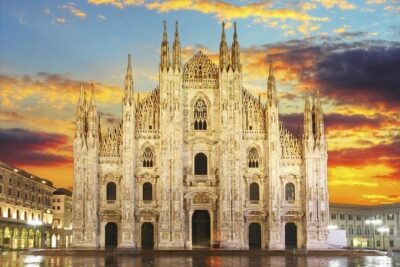 ★ 4.5Best of Milan Experience Including Da Vinci’s The Last Supper and Milan DuomoFrom $1141,516 reviews
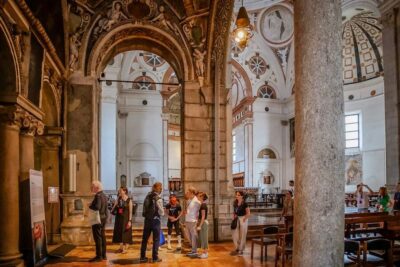 ★ 4.6Guided Tour of Leonardo da Vinci’s ‘The Last Supper’From $931,281 reviews
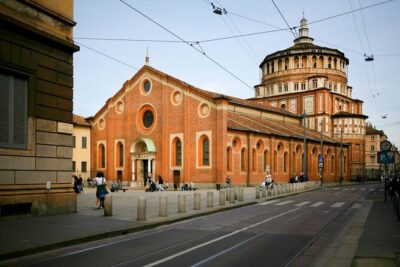 ★ 4.6Leonardo’s Last Supper Guided Tour685 reviews
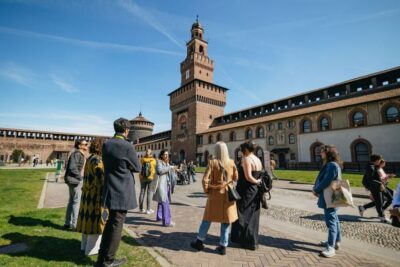 ★ 4.8Da Vinci’s Last Supper and Guided Walking TourFrom $70683 reviews
Browse the lists this tour appears in