
Review · TICKETS
Milan: Pinacoteca Ambrosiana and San Sepolcro Crypt Ticket
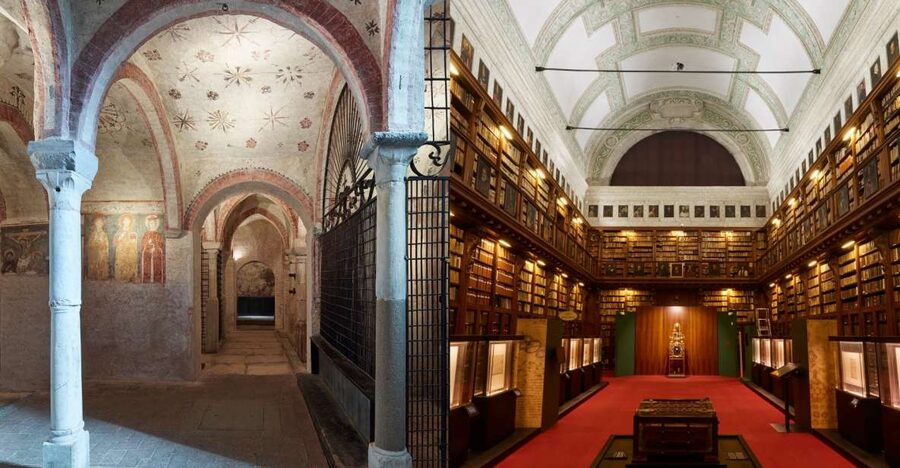
A museum that rewards slow looking. The Pinacoteca Ambrosiana pairs major Italian masters with the library’s Codex Atlanticus reading room, and then you head into the Crypt of San Sepolcro, built over ancient Roman stones. I especially like seeing the giant names up close, and I love how the reading room adds a science-and-art side to Leonardo. One consideration: the crypt portion is not wheelchair-friendly and can feel tight, so plan around that if mobility is an issue.
This combined ticket is also a smart way to fit two very different experiences into one day. You start at the Pinacoteca in Piazza Pio XI 2, you exit on Piazza San Sepolcro, and the crypt is right there, so you do not need to crisscross Milan. With the timed flow (about 1.5 hours in the Pinacoteca, then 30 to 40 minutes in the crypt), you can see the main highlights without turning the whole day into a rush.
The other practical win is access. The ticket includes entry to both places, and it’s designed to help you skip the ticket line. You also get an app you can download, and you can listen to it even after your visit, which is great if you want time to absorb everything at your pace.
Key points to know before you go
- Big-name art in a manageable museum: You can see Caravaggio, Raphael, Leonardo, and more without feeling like you’re stuck in a maze for hours.
- Codex Atlanticus in the 17th-century reading room: The library space is part of the experience, not just a backdrop.
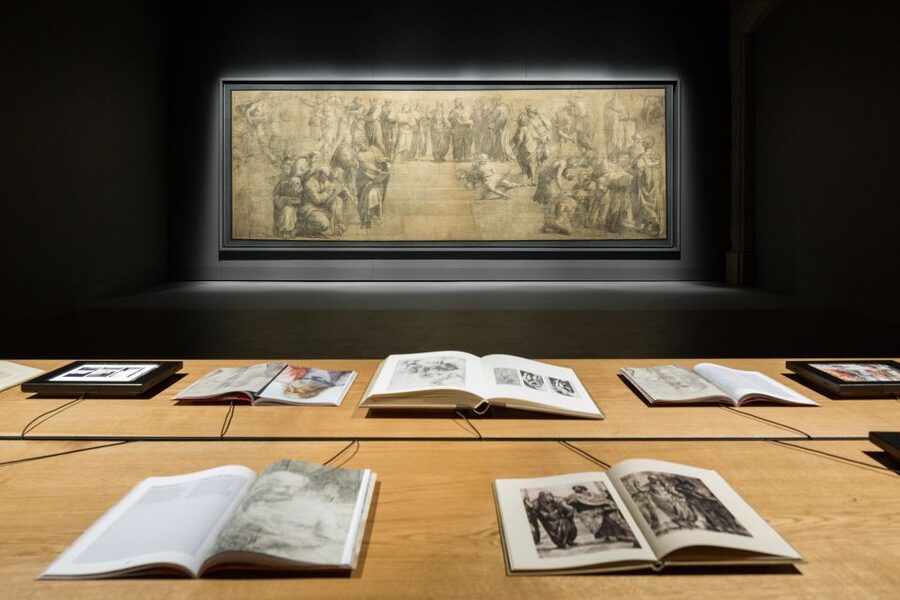
- Raphael’s School of Athens cartoon: This is one of those rare chances to study a masterpiece at close range.
- San Sepolcro Crypt below Piazza San Sepolcro: Medieval church layers meet ancient Mediolanum stones underfoot.
- A phone-based audio option: You can download and use the app, plus you can keep listening after you leave.
- Time matters for the crypt: Last admission is at 5:30 PM, and the crypt closes at 6:00 PM.
The combined Ambrosiana and San Sepolcro plan, from Piazza Pio XI 2 to Piazza San Sepolcro
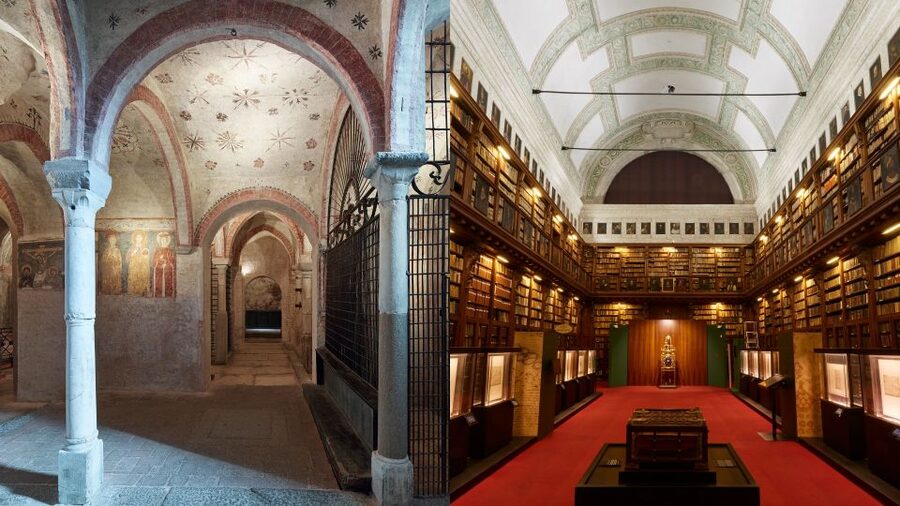
This is a simple two-part ticket that works best when you respect the order. You begin at the Pinacoteca Ambrosiana, Piazza Pio XI 2. You then leave from Piazza San Sepolcro, where the entrance to the Crypt of San Sepolcro sits.
Timing is the one thing you should guard. The complete Pinacoteca visit normally takes about 1.5 hours, and the crypt takes about 30 to 40 minutes. Because the last admission to the crypt is at 5:30 PM, and it closes at 6:00 PM, you need to pace yourself so you do not arrive at the crypt door too late.
This ticket is also built for convenience. It includes admission to both attractions, and it lets you skip the ticket line. That matters in Milan, where popular spots can gobble up your energy before you even see the art.
There are a few rules you should plan around. Baby strollers are not allowed, and you also cannot bring luggage or large bags, or backpacks. If you have a day bag only, you should be fine, but if you are traveling with bulk, consider storing it before you head to the museum.
A few more Milan tours and experiences worth a look

Pinacoteca Ambrosiana: why this art collection feels personal
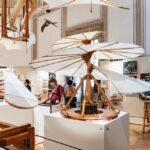
The Pinacoteca Ambrosiana can be a refreshing change from Milan’s mega-museums. It is compact enough that you can actually stop, look, read, and move on without feeling like you are sprinting from room to room. Many visitors describe it as calm and manageable, and the building itself is often praised as impressive even before you get to the paintings.
The big reason to go is the roster. You are in the same building as works connected to Leonardo da Vinci, Raphael, Caravaggio, Brueghel, and many others. The highlight list is not just marketing language either. Expect to see paintings like Caravaggio’s Basket of fruit, the Cartoon for the School of Athens by Raphael, Brueghel’s Vase of flowers, and Leonardo da Vinci’s portrait of the Musician.
What I like about this setup is the way it helps you compare styles and ideas. You are not only looking at famous names, you are seeing how different artists treated the same big questions: human expression, observation, light, and composition. If you enjoy noticing brushwork and how artists structure a scene, the Ambrosiana gives you room to do that.
A couple practical notes from real-world experience shared by visitors: lighting can be hit or miss in some rooms, and some galleries may feel less dramatic than the absolute best displays. The tradeoff is that the most important pieces are still there, and the museum is small enough that you can quickly adjust your pace and focus where you care most.
The library reading room and Codex Atlanticus: art plus thinking
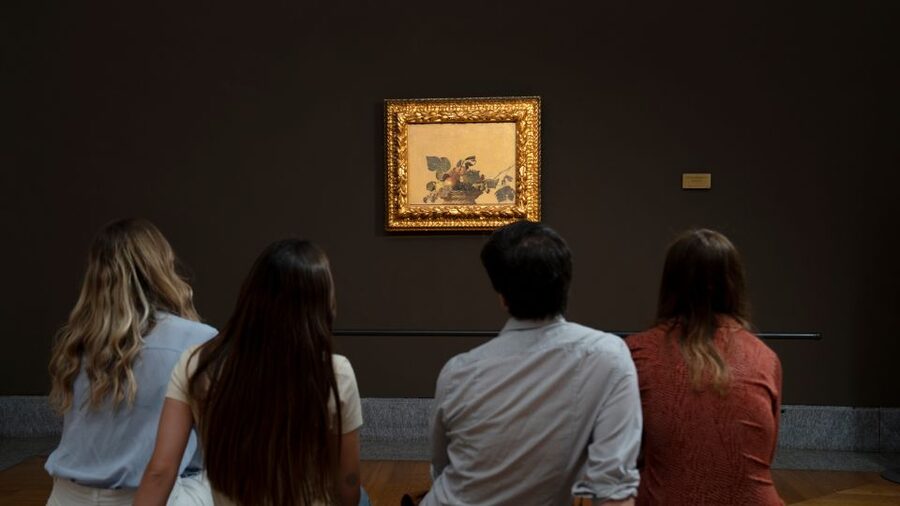
The library is not a side stop here. It is the point for many people, and it is tied directly to what makes the Ambrosiana special.
In the 17th-century reading room, you can see original drawings connected to Leonardo da Vinci’s Codex Atlanticus exhibition. This is where you get a different angle on Leonardo. Instead of seeing him only as a painter or a myth, you are reminded that his genius also lived in observation and engineering-like thinking.
Visually, the space helps. A reading room is designed for attention. And the Codex Atlanticus angle is a clever pairing with the rest of the art because it lets you connect the dots between how Leonardo looked at the world and how he turned that looking into images.
If you are traveling with someone who likes museums but not necessarily every painting, the library can be the shared win. It gives context and curiosity, and it makes the museum feel like a living intellectual story rather than just a gallery walk.
Leonardo and Raphael highlights: the School of Athens cartoon and more
When you buy a ticket to the Ambrosiana, you are really buying access to a few cornerstone works. One of the most mentioned is the Raphael Cartoon for the School of Athens. A cartoon is a full-scale drawing, and seeing it in person is different from seeing a reproduction. You can pay attention to structure: how figures are arranged, how expressions are shaped, and how the overall design holds together.
Leonardo also has multiple ways of showing up beyond the obvious name. The portrait of the Musician is a strong example, and the Codex Atlanticus readings bring you closer to Leonardo’s working mind. You also see other major artists in the collection, including Caravaggio and Flemish painters like Brueghel, which helps the museum feel like a cross-section of Italian Renaissance ambition.
Here’s a useful way to plan your viewing: spend your first pass moving quickly enough to orient yourself, then make a second round for the pieces you care about most. Because the museum is not huge, you can do this without feeling like you missed everything. If you go in expecting a “quick look,” you might still leave satisfied, but this is one of those places where slowing down pays off.
San Sepolcro Crypt: medieval church layers over ancient Mediolanum
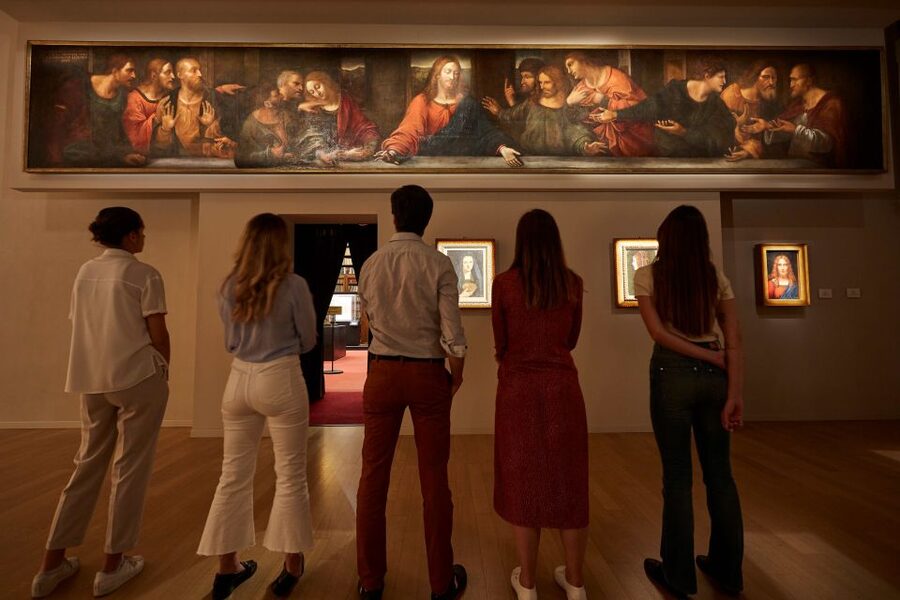
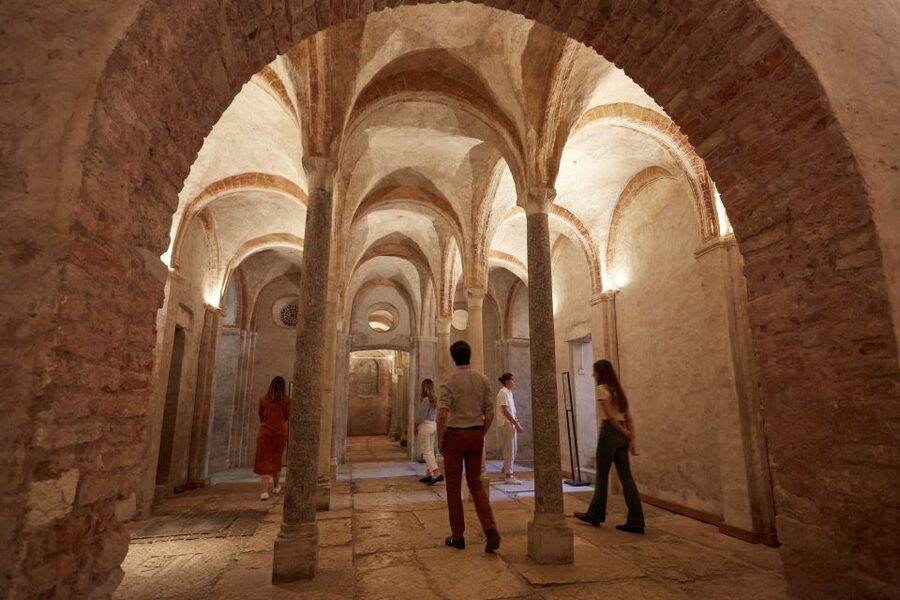
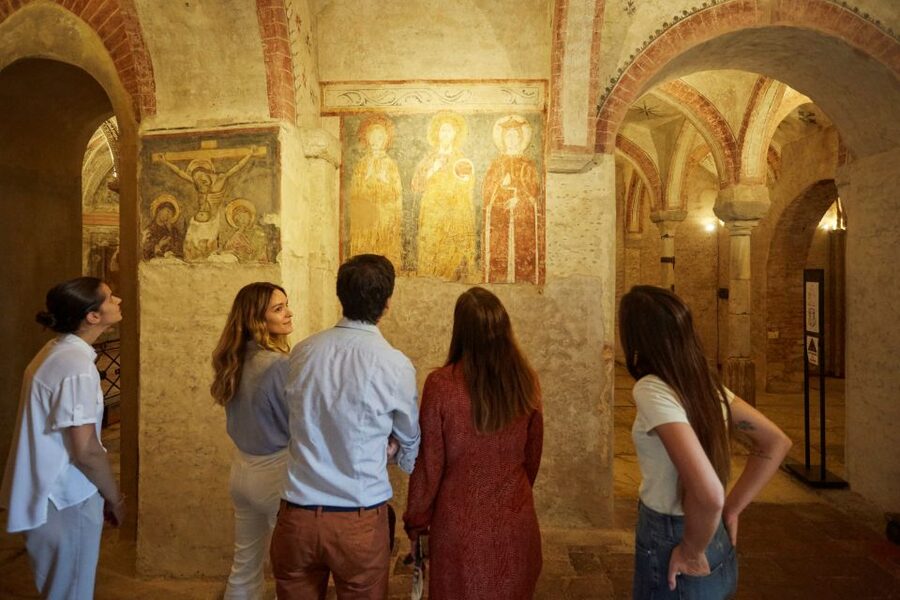
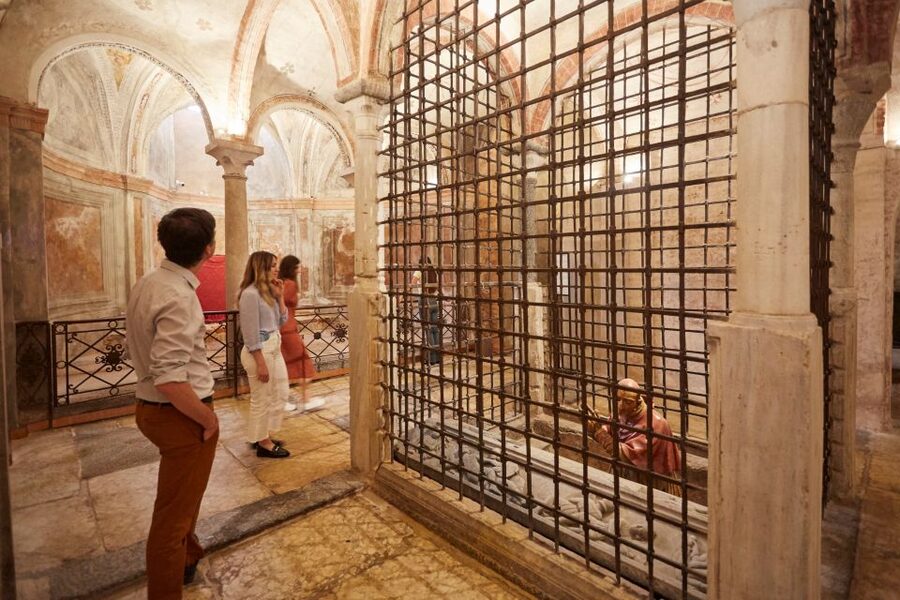
After the Pinacoteca, you transition into the Crypt of San Sepolcro, a medieval hypogean church. Hypogean just means it sits underground, and that matters. The crypt experience is quieter, darker, and more about atmosphere than big-picture views.
One of the most interesting details is the pavement. It is made using ancient stones from Mediolanum, the Roman name for Milan. That means you are walking on material that ties directly back to the city’s earliest layers.
People also tend to notice the ceiling. Several visitors specifically recommend checking it closely, because the crypt can look like a small room until you realize the architecture and finishing are where the drama lives.
Now for the balanced part: not everyone feels the crypt instantly. Some reports describe it as small, and one person even wished for more of a wow effect at first glance. The good news is that once you understand what you are looking at, the room starts making sense as a history lesson you can feel under your feet.
If you want extra context, there is an optional VR experience connected to the crypt area, and some visitors said it is available by paying at the entrance. If you like your history explained with visuals, it can turn a basement-like space into a more guided story.



Phone audio and self-paced timing: set the pace to your brain
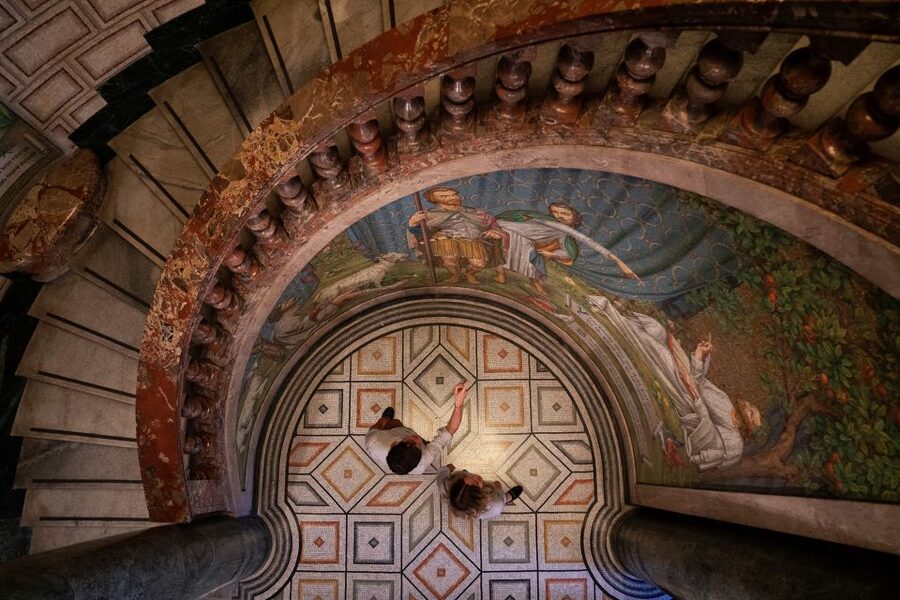
This ticket includes an app you can download. The key benefit is flexibility: you can listen during your visit and keep listening afterward. That is a big deal if you prefer to process information slowly rather than in quick bursts.
You may also find additional audio options offered on site. Some visitors mentioned an audio guide that could be accessed for a few euros. On the other hand, at least one review complained that an audio tour can feel rudimentary and a bit annoying to use. So I’d treat the audio as helpful, not magical.
My practical advice: plan to use the app when you hit the pieces that need context most, like the library and the bigger historical framing around the crypt. For artworks you already know well, you might enjoy the contrast of going more sensory, less narrated.
Price and value: what $25 really buys in Milan
At about $25 per person for a one-day combined ticket, the value comes from density. You are not just paying for one museum. You are getting two very different layers in one ticket: a top-level art collection plus the chance to connect it to Leonardo’s drawings, and then a crypt that ties Milan’s medieval past directly to its ancient Roman roots.
You also gain time efficiency. The ticket includes skip-the-ticket-line access, and the flow from Pinacoteca to crypt is straightforward. Even if you do not spend the full typical times, you still get a complete experience without needing separate tickets, separate planning, and separate waiting.
If you are deciding between art-only and history-only, this combo is a nice middle path. Art lovers get the masters. History lovers get Mediolanum stones and a crypt that feels like a physical layer of time.
Practical timing tips so you do not miss the crypt
The crypt closes at 6:00 PM, with last admission at 5:30 PM. That is the one hard stop on the whole plan.
So here’s what I’d do: treat the Pinacoteca visit as your main time investment. Aim for around the normal 1.5 hours, then switch gears the moment you are ready to leave the Pinacoteca. Do not linger so long that you arrive at the crypt after 5:30.
Also keep your bag situation in mind. With no backpacks and no large bags, you should travel light. If you are carrying a lot, that can slow you down at security or entrance areas, and the crypt time window will not wait.
Who should book this ticket, and who should rethink it
This experience is a strong fit for you if you want:
- Major Italian masters in one day, especially Leonardo and Raphael
- A museum that is manageable and calm enough for close viewing
- A library component, not just paintings on walls
- A history stop that feels physically tied to the city
It can be less suitable if:
- You use a wheelchair or have mobility impairments. The activity is not completely accessible for wheelchair users because the crypt has architectural barriers. The Pinacoteca exhibition rooms are mostly wheelchair accessible, but the crypt portion is the limiting factor.
- You need to bring a stroller or larger luggage. Those are not allowed.
If you get someone to guide you, that can help too. One visitor specifically praised a guide named Simon for having an interesting, funny, and well-paced tour. If you prefer a guided introduction before self-paced exploring, keep that in mind when you plan your timing.
Should you book the Pinacoteca Ambrosiana and San Sepolcro Crypt ticket?
Book it if you want a Milan day that mixes world-class art with a believable sense of place. The Codex Atlanticus reading room and Raphael’s School of Athens cartoon make the Pinacoteca feel like more than a quick museum stop, and the San Sepolcro Crypt gives you a grounded, tactile history connection that many cities do not manage so directly.
Skip it, or at least reconsider, if you know you will struggle with stairs and architectural barriers. The crypt can be limiting for wheelchair users and people with mobility issues. If that applies to you, you might still want the Pinacoteca on its own, but this combined ticket is specifically where the accessibility can break down.
If you like planning around fixed closing times, you’ll also find this ticket easy to manage. Just treat the crypt as the clock-based part of the day, and you’ll end with a satisfying, surprisingly memorable view of Milan layered from Roman stones to medieval church space.
FAQ
Where does the visit start?
It starts at the Pinacoteca Ambrosiana, Piazza Pio XI 2.
Where do you exit, and where is the crypt entrance?
You exit the Pinacoteca on Piazza San Sepolcro, where the entrance to the Crypt of San Sepolcro is located. The tour ends in Piazza San Sepolcro.
How long should I plan for the Pinacoteca Ambrosiana?
The complete Pinacoteca visit normally lasts about 1.5 hours.
How long should I plan for the Crypt of San Sepolcro?
Plan about 30 to 40 minutes for the crypt visit.
What are the crypt closing times?
The last admission to the crypt is at 5:30 PM, and it closes at 6:00 PM.
Is skip-the-ticket-line included?
Yes, the ticket includes skip-the-ticket-line entry.
How much does the combined ticket cost?
The price is listed as $25 per person.
What is the maximum luggage I can bring?
Baby strollers, luggage or large bags, and backpacks are not allowed.
Is the experience wheelchair accessible?
The activity is not completely accessible for wheelchair users because the crypt has architectural barriers. Most of the Pinacoteca exhibition rooms are wheelchair accessible, but you should be aware the crypt portion may be difficult.
Can I use the audio/app content after my visit?
Yes. You can download the app on your device, and you can listen to it even after the visit.
More Tickets in Milan


More Tour Reviews in Milan

Not for you? Here's more nearby things to do in Milan we have reviewed









Tickets, compared.
 ★ 4.6Cathedral and Duomo’s Terraces Entrance TicketFrom $3061,054 reviews
 ★ 4.6Milan Cathedral: Duomo Terraces Ticket (No Church Access)From $226,111 reviews
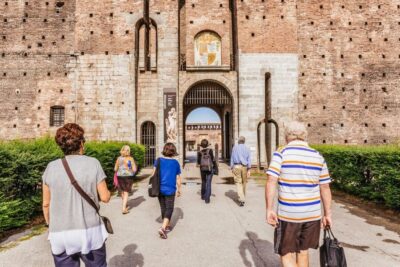 ★ 4.7Guided Walking Tour & Last Supper Visit with TicketFrom $1015,409 reviews
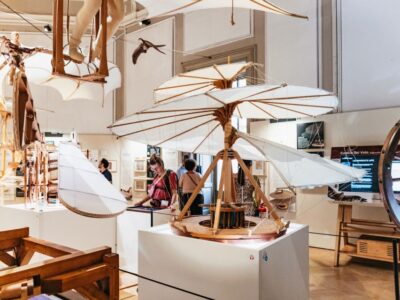 ★ 4.4Leonardo3 The World of Leonardo Museum Entry TicketFrom $183,241 reviews
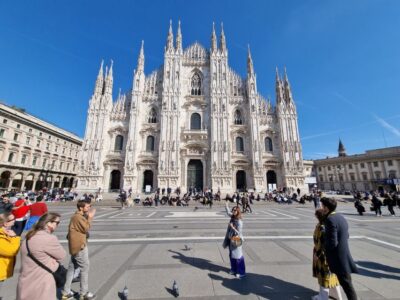 ★ 4.8Duomo Rooftop and Cathedral Guided Tour with TicketsFrom $572,678 reviews
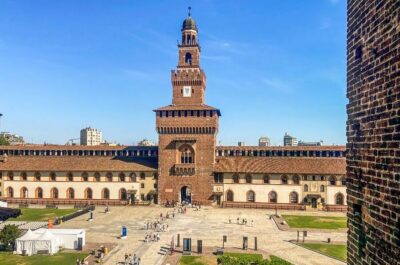 ★ 4.0Sforza Castle Entry Ticket with Digital Audio GuideFrom $152,675 reviews
 ★ 4.5Historic Milan Tour with Skip-the-Line Last Supper TicketFrom $1111,976 reviews
 ★ 4.6Last Supper Entrance Ticket and Guided TourFrom $881,792 reviews