
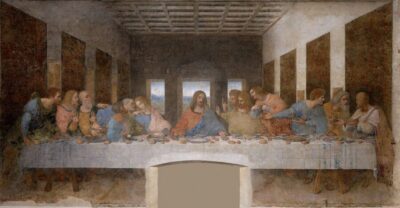
The Last Supper comes with a tight schedule. This tour is a smart way to see Leonardo da Vinci’s masterpiece inside the Santa Maria delle Grazie refectory, using skip-the-line tickets so you lose less time standing around. I also like that it is a small group (limited to 10) with an expert guide focused on what you are actually looking at. One thing to plan for: entry is timed, and tickets are nominal, so you will need to share each participant’s name and bring an ID document.
Inside, you get guided context that makes the painting feel less like a poster and more like a historical event. You’ll walk through the monastery setting, then get clear explanations of da Vinci’s methods, symbolism, and why preservation is so tricky. The only real drawback is that the visit is short, so you should arrive ready to pay attention rather than wander slowly.
If you care about art, Renaissance technique, or just seeing one of the world’s most famous images without stress, this is a solid choice for a Milan day.
Key points to know before you go
- Skip-the-line entry helps you bypass long queues and use your limited time well
- Small group size (10 max) keeps the pacing calmer and the questions more realistic
- Santa Maria delle Grazie adds real architectural context, with Gothic plus Renaissance elements
- Expert guide commentary focuses on da Vinci’s technique, symbolism, and the work’s preservation challenges
- UNESCO World Heritage in Milan gives the visit extra weight beyond the painting itself
Why The Last Supper is hard to visit well (and how this tour fixes that)
The Last Supper is one of those places where logistics matter as much as the art. It is not a slow museum stroll. Access is controlled, the refectory visit is time-based, and the queues can eat your whole plan if you do not have a smart entry ticket.
This tour is built around that reality. With pre-arranged skip-the-line tickets, you are not wasting time trying to figure out where the line ends or whether you are in the right place. Instead, you can focus on what you came for: the room, the wall, and the painting.
The other thing I like is the format. A small group tour means you are not squeezed into a crowd that blocks your view the second you look up. That matters because The Last Supper is all about close, careful looking. If the group is too large, you rush. If it is too small, you lose the fun of hearing a guide explain key details. Here, the size sits in the practical middle.
A few more Milan tours and experiences worth a look
Getting to Piazza di Santa Maria delle Grazie without stress
The experience begins at Piazza di Santa Maria delle Grazie, with the meeting at the main entrance area. You meet in front of the booking office, and the guide will be wearing a logo so you can identify them quickly.
This might sound minor, but for a timed entry site, it is not. A few minutes lost before you start often becomes a longer day, because you are forced to rush once you finally get in. So I recommend you aim to arrive early enough to get your bearings, use the restroom if needed, and settle your brain into viewing mode.
You should also plan around the fact that start times are tied to availability. The tour time window is listed as valid for 15 minutes, so once you have your slot, treat it like an appointment, not a suggestion.
Santa Maria delle Grazie: the monastery setting you should actually notice
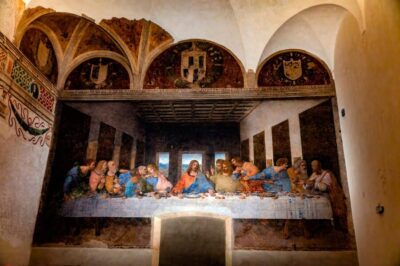
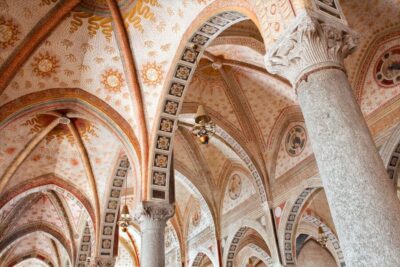
Before you even face the painting, you get the best kind of warm-up. Santa Maria delle Grazie is not just a container for Leonardo’s work. It is a Renaissance monastery with strong architectural character, including a blend of Gothic and Renaissance styles, and connections to architect Donato Bramante.
That context changes how you see the refectory. If you think of this site only as a single painting on a wall, you miss the atmosphere. But if you understand the setting, you start noticing how the architecture supports the experience of viewing. It also helps you appreciate why this location became so famous, beyond simple fame.
Your expert guide also frames the visit with cultural context tied to Milan and the Renaissance. And because the site is a UNESCO World Heritage location, you get a reminder that this is not only a tourist stop. It is a protected piece of European history.
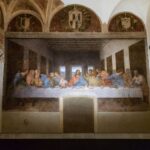
The guided visit inside the refectory (and why it lasts about 70 minutes)
The guided portion at Santa Maria delle Grazie runs about 70 minutes. That is a good length for a site like this. Long enough for explanations that make a difference. Short enough that you are not stuck hearing the same points repeated for a group that has already lost focus.
During this time, you’ll move through the key parts of the visit with a guide who focuses on what you should look for. The goal is not just to say the painting is famous. It is to help you understand why it is famous and what makes it different from other religious art of the period.
A short visit also has a benefit: your eyes stay sharp. The Last Supper rewards sustained attention, and you get that without turning it into a slog.
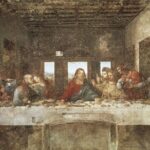
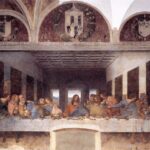
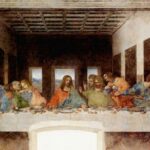
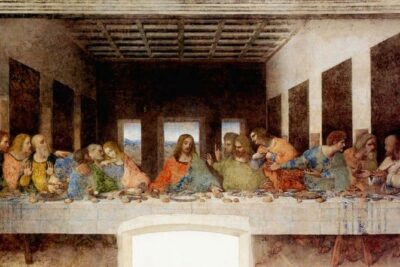
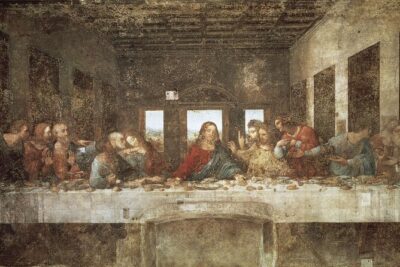
Leonardo’s The Last Supper: what your guide helps you see
Once you are in front of the wall, the tour shifts into art-viewing mode. Your guide explains Leonardo da Vinci’s approach, including his use of perspective and the way the scene is structured to feel immediate and intentional.
Here are the kinds of things this tour focuses on, based on the tour description:
- Da Vinci’s technique and why his choices were groundbreaking for the Renaissance
- Intricate symbolism, so you know what details matter rather than just staring at faces
- Historical context, so you place the work in its time period
- Preservation challenges, so you understand why the painting is handled with special care
The preservation part is especially worth paying attention to. Famous artworks often get treated like they are untouchable. Here, you learn that they are fragile. That perspective makes your viewing feel more respectful. It also helps you understand why the experience is timed and controlled, rather than random and casual.
If you are an art lover, this is where the value really shows. You are not just seeing an image, you are learning the visual logic behind it.
A few more Milan tours and experiences worth a look
Skip-the-line tickets: what it changes in real life
Skip-the-line is not magic. It does not shrink the refectory room or speed up how long you can physically look at the painting. But it can dramatically improve your day.
The practical advantage is that you arrive when you are supposed to, and the schedule stays yours. When you skip long queues, you do not build tension into the visit. That matters with the Last Supper because you are trying to take in subtle details while also keeping track of timing.
It also helps you keep your energy for the rest of Milan. When you visit this kind of site without efficient entry, the day gets fragmented. You end up making compromises on everything after it.
This tour is priced higher than basic walking tours, but you are paying for that time-saving access plus guided interpretation. For many visitors, that is the difference between seeing the painting and feeling like you truly understood it.
Price and value: is $84.96 worth it?
At $84.96 per person, this tour is not a budget play. You should judge it by what you avoid and what you gain.
You gain:
- Skip-the-line access, which is hard to DIY cleanly with timed entry
- A live expert guide, with commentary on technique, symbolism, and context
- A small group experience capped at 10, which usually means less chaos and a better viewing rhythm
- A focused time window that protects your attention span for the painting
You avoid:
- Wasted time in queues
- The stress of figuring out entry flow on your own for a controlled site
- A rushed experience caused by waiting too long before you start
If you are the type of traveler who likes to show up, learn the key points, and then keep moving with confidence, you are likely to feel this was money well spent. If you are very price sensitive, you might decide to do self-guided viewing or save for other Milan priorities. But for most art-focused visitors, paying for access plus guidance is the most efficient way to get a satisfying experience.
Who this tour fits best (and who may want a different plan)
This tour is a good match if you fall into one of these categories:
- You love Renaissance art and want to understand why The Last Supper matters
- You prefer guided structure over trying to interpret everything on your own
- You want a calm small-group experience, limited to 10 participants
- You need timed entry handled for you, so your day does not collapse into queue math
It may be less ideal if:
- You only want a quick photo stop and do not care about technique or symbolism
- You hate anything scheduled, even a short timed experience
- You want to spend lots of time hovering in one spot rather than following a guided flow
Also, if English is your main language, you are covered. The tour language is English, and Italian is also listed as available.
Practical tips that will make your visit smoother
A few small things will help you get the most from this experience:
- Plan for an ID check. Tickets are nominal, and you need to send each participant’s name and have an identity card or passport (or a driving license) with you.
- Keep the timing tight. The tour’s validity window is 15 minutes, so treat your start time seriously.
- Dress for comfort. You are spending focused time inside and waiting briefly before entry, so wear something you can stand and walk in easily.
- Go in with a mindset of looking. The guide will point out perspective, symbolism, and technique. If you show up thinking of it as one big photo moment, you will miss why it is special.
If you use a wheelchair, you should feel good about this option. The tour is listed as wheelchair accessible.
Should you book this tour?
Book it if you want the best chance of seeing The Last Supper with minimal stress and maximum meaning. The skip-the-line tickets and the small group size are the big practical wins, and the guided focus on technique, symbolism, and preservation makes the visit feel educational, not just famous.
Consider skipping or comparing if you are on a strict budget or you want a flexible, unscheduled visit style. At this price, the value depends on whether you will actually use the guide’s expertise and the time you saved from avoiding queues.
If your goal is a serious, well-run viewing experience at one of the world’s most iconic artworks, this is a strong choice.
FAQ
Where does the Leonardo’s Last Supper tour start?
It starts in Milan at Piazza di Santa Maria delle Grazie, meeting at the main entrance area by the booking office.
How long is the guided tour?
The guided visit at Santa Maria delle Grazie is about 70 minutes, and the activity is listed as approximately 1 hour overall.
Is skip-the-line access included?
Yes. The tour includes skip-the-line tickets so you can bypass long queues.
What is the group size?
It is a small group limited to 10 participants.
What languages are available?
The live tour guide is offered in English, with Italian also listed.
What is included in the price?
Included items are the expert guide, pre-arranged tickets to bypass lines, and guided exploration of Santa Maria delle Grazie and The Last Supper, including architectural and cultural insights.
Is Santa Maria delle Grazie wheelchair accessible?
Yes, the activity is listed as wheelchair accessible.
What do I need to provide before the tour?
Please send your name and surname for every participant. You also need to have your identity card or passport, or driving license with you, since tickets are nominal.
What does the ticket timing mean?
The activity is valid for 15 minutes, and starting times depend on availability.
What is the cost?
The price is listed as $84.96 per person.
Can I get a refund if I cancel?
Free cancellation is available up to 24 hours in advance for a full refund.
More Tickets in Milan
More Tours in Milan
More Tour Reviews in Milan
Not for you? Here's more nearby things to do in Milan we have reviewed



Milan Last Supper Tours, compared.
 ★ 4.7Da Vinci’s Last Supper Guided TourFrom $7510,143 reviews
 ★ 4.7Guided Walking Tour & Last Supper Visit with TicketFrom $1015,409 reviews
 ★ 4.0Milan’s Must See: Half-Day Tour of Last Supper, Duomo & La ScalaFrom $1304,193 reviews
 ★ 4.7Last Supper Guided VisitFrom $752,854 reviews
 ★ 4.5Milan Duomo & The Last Supper Skip-the-Line Small Group TourFrom $1262,761 reviews
 ★ 4.4Da Vinci’s Last Supper & Milan Sightseeing TourFrom $1121,997 reviews
 ★ 4.5Historic Milan Tour with Skip-the-Line Last Supper TicketFrom $1111,976 reviews
 ★ 4.6Last Supper Entrance Ticket and Guided TourFrom $881,792 reviews
Browse the lists this tour appears in