
Review · WORKSHOPS
Cesarine: Small group Pasta-Making class in Como
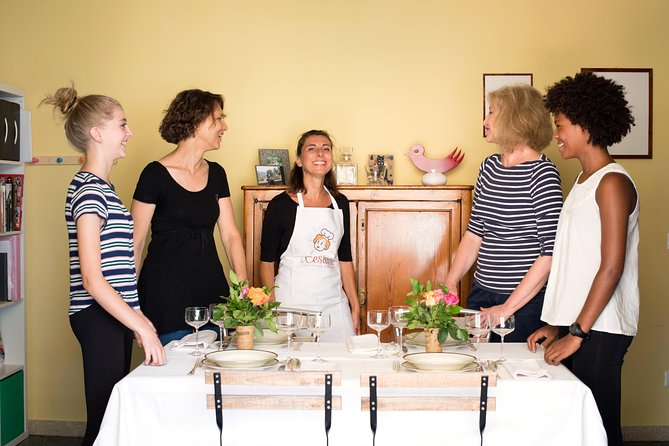
Three pastas in three hours sounds fun. In Como, a Cesarine pasta-making class turns Lake Como sightseeing into something hands-on, with instruction in a local home and a proper sit-down tasting.
I especially like that you cook at a comfortable pace, with ingredients handled for you. I also like the focus on regional choices, since you make three dishes from classics like ravioli, tagliatelle, gnocchi, risotto, or mondeghili, then you eat what you make with water, wine, and coffee included.
One thing to consider: this is a home-based workshop, so the setup can feel compact. If you expect a big restaurant-style kitchen with lots of space and constant hands-on cooking, this may not match your ideal.
Key things to know before you go
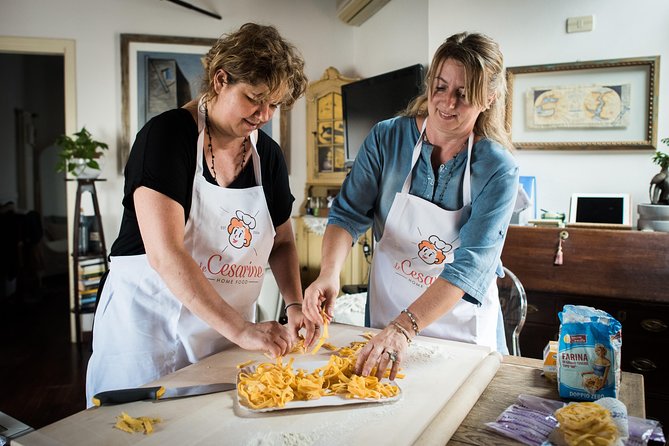
- Small-group class (max 10) at a local home in Como, offered in English
- Everything provided, so you can travel light and focus on learning
- Three regional pasta dishes made during the session, chosen from classics like ravioli, tagliatelle, gnocchi, risotto, and mondeghili
- Tasting included with water, wine, and coffee while you sit down and eat
- English instruction with teachers known for patience and clear step-by-step guidance
- Home-kitchen reality check: tools and space can be basic compared to a professional culinary school
Why this Como pasta class feels local, not like a set
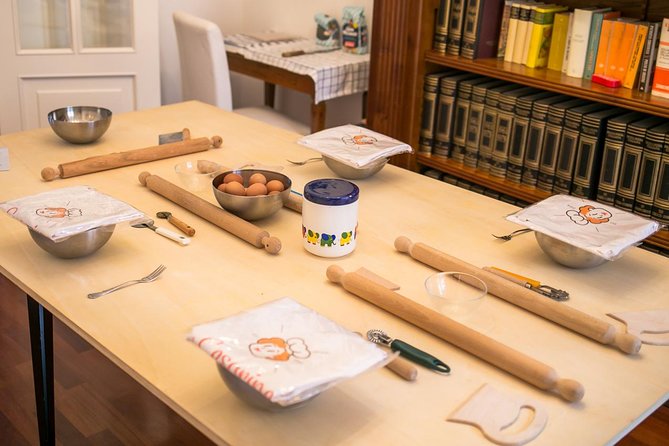
This experience is built around a simple idea: learn pasta the way Italians actually talk about it, at the pace of a real kitchen conversation. You’re not just watching a demo and collecting a souvenir apron. You’re cooking in a home setting in Como, with a group small enough that the teacher can circle back and help when your dough starts behaving oddly.
Two things make it feel particularly real. First, the instruction is geared toward understanding, not memorizing. One of the strongest comments tied to these classes is that teachers explain the why behind techniques, which helps you make better choices when you’re back home with your own flour and your own stovetop.
Second, you’re not left hungry. The class includes a pasta tasting with wine, water, and coffee, so the session ends like an Italian meal, not a quick bite and a scramble to leave.
The only caution I’d give is practical: home kitchens can mean smaller workspaces and fewer cooking stations than you might expect. You can still have a great time, but your expectations should be about learning and eating, not about lab-grade equipment.
A few more Lake Como tours and experiences worth a look
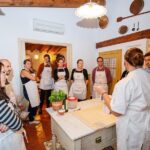
The hands-on learning: making fresh pasta and three regional dishes
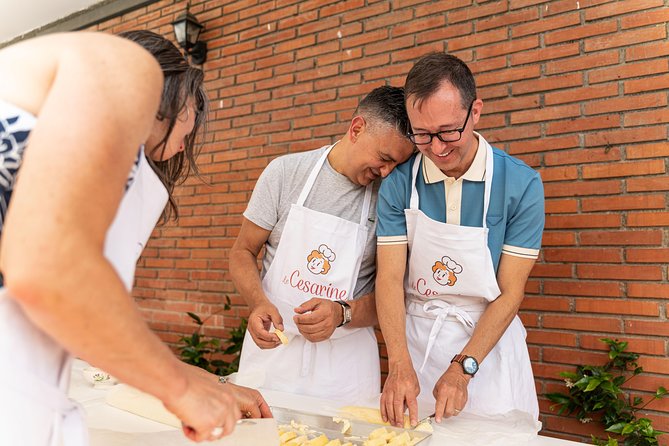
Cesarine’s Como class is designed around learning core pasta skills, then applying them right away. The exact menu choices can vary, but the dishes come from a regional list that includes ravioli, risotto, gnocchi, mondeghili, and tagliatelle. The goal is that you leave having made three authentic pasta dishes, not just one.
A common theme in past sessions is learning fresh pasta dough steps in a way that feels doable. Some classes specifically include an egg-free approach to fresh pasta dough. If that matters to you, it’s a reassuring signal that the teaching isn’t trapped in one single method.
What you’ll likely focus on during the class is the sequence that makes pasta work:
- getting dough consistency right
- shaping by hand for the dish you’re making
- understanding cooking timing so the pasta doesn’t turn from tender to sticky
For dishes like ravioli and tagliatelle, shaping and portion control are where you’ll feel the learning curve. For something like risotto, the learning tends to be about timing and stirring rhythm. If your dish is gnocchi, the lesson includes working with the ingredient choice that affects texture.
One more detail that matters for confidence: instructors are often described as patient, and many sessions are taught in a way that slows down when someone needs extra help. That matters, because pasta is easier when you’re not rushed, and it’s more fun when you can ask what’s happening to the dough.
What the 3-hour session feels like, from dough to the tasting table
The class runs about 3 hours, and it follows the rhythm of a meal built around cooking. You’ll start with a welcome and then move into dough and prep steps. Because it’s a home setting and the session includes eating, the schedule tends to balance “hands-on time” with teacher-led guidance.
Here’s the flow that fits what the experience is clearly designed to do:
- Intro and setup in the host’s home kitchen area, with everything needed already arranged
- Pasta-making instruction, where you learn techniques to make fresh pasta and shape it into the selected dishes
- Cooking and finishing, with some steps naturally taking more teacher control depending on the dish
- Pasta tasting and meal, where you sit down with what you made and drink water, wine, and coffee
You should expect to eat during the session, not at some separate nearby restaurant. That’s one of the best value points because it turns your class fee into both instruction and a full tasting experience.
A useful note about expectations: in compact home setups, sometimes certain components are already partially prepared. That doesn’t automatically mean you do little, but it can mean you’re doing specific critical tasks (like stirring, shaping, or portioning) while the teacher handles the parts that require more precise timing or heat management.
Where you meet in Como, and how to get there without stress
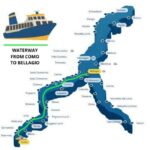
Your start point is in Como, 22100 Como, Province of Como, Italy, and the activity ends back at the meeting point. The location is also described as being near public transportation, which is a big deal in Como where getting around can be easier by using local transit than by trying to park near your destination.
Practical advice: plan to arrive a few minutes early. Even when the meetup is near transit, you still want time to find the correct building and settle in before the pasta work starts, because once you start mixing or handling dough, you don’t want to be distracted.
Who this class suits best (and who might want to rethink)
This works especially well if you want to bring home a real skill, not just a nice meal. If you’re the type who likes to understand technique and replicate it later, the class style makes sense. Teachers are frequently praised for explaining not only what to do but also why it works.
It’s also ideal for:
- couples who want a shared experience in Como beyond sightseeing
- small groups of friends who want a meal with structure and a clear start and end
- adult families who can enjoy a hands-on lesson together, with enough attention from the teacher for everyone
If you’re traveling with kids, there’s nothing in the provided details that confirms it’s kid-oriented. In that case, you might want to decide based on your group’s patience for a class in a home setting, with a meal component and likely a teacher-led pace.
The bigger “rethink” category is people who strongly prefer a big, restaurant-grade kitchen with lots of space and nonstop hands-on action. Since this is in a home, the working area can be small, and you may do more of certain steps than others depending on your dish that day.



Price and value: what $214.84 gets you in real terms
At about $214.84 per person for roughly 3 hours, you’re paying for four things at once:
- Small-group instruction (max 10)
- Ingredients and pasta-making inputs, so you do not need to shop or bring tools
- Cooking guidance for three dishes across the session
- A meal with drinks, since water, wine, and coffee are included
That bundling is where the value is strongest. Many cooking classes charge for teaching and then hit you again for food. Here, the tasting is part of the experience design.
That said, value is personal. One unhappy scenario in the data points to a mismatch where the class felt less hands-on and the space smaller than expected, with some dishes influenced by practical constraints like ingredient readiness and timing. If you’re very sensitive to “how much do I personally do,” this is the main risk to keep in mind.
My practical takeaway: this is best when you treat it as a cooking lesson plus a meal, and you go in ready to learn even if not every step is 100 percent hands-on for every participant.
What dishes you might make, and why the options matter
The class menu is built from familiar Como and Lombardy pasta traditions, with a set that includes ravioli, risotto, gnocchi, mondeghili, and tagliatelle. You’ll make three pasta dishes total, and the exact selection depends on what’s available and what the class is set up to teach.
Why this matters for you: each dish teaches a different skill.
- Ravioli teaches dough handling and sealing/portioning
- Tagliatelle emphasizes rolling and cutting technique
- Gnocchi can teach texture sensitivity and correct ingredient behavior
- Risotto teaches timing and agitation (stirring pace)
- Mondeghili brings in a regional variation that feels like comfort food with technique
There’s also a subtle reality with gnocchi and seasonal cooking. The data includes one complaint that the dish selection and ingredient suitability did not align with expectations. That doesn’t mean gnocchi is always a problem, but it does reinforce a key lesson: Italian home cooking changes with timing, ingredient quality, and what the kitchen can do well that day.
The teacher factor: patience, pacing, and teaching style
A pasta class lives or dies on the teacher’s rhythm. The strongest praise tied to these Como sessions is how patient and clear instructors are, and how they help you learn without pressure. Some hosts are described as sitting with participants to review what they’re making, talking through technique, and adjusting as people go.
You may also notice the “teaching personality” in how the class feels. For example, some instructors are described as warm and gracious, while others are noted for being very patient with adult learners who already have cooking experience. One standout theme is that even people who have cooked Italian food for years still picked up new reasons and approaches.
Still, teaching can be hard in a compact home space. If your learning preference is strongly visual, and if communication barriers occur (accent differences, masks, noise levels), that can affect the experience. That’s not something you can fully predict from the basics, but it’s worth keeping in mind.
Practical tips so you enjoy it from minute one
You don’t need to bring ingredients or supplies, since the class provides what you need. That’s a travel win, especially if you’re carrying luggage and also planning to visit historic sites around Lake Como.
A simple mindset tip: treat it like a kitchen conversation, not a timed performance. If you’re given guidance on why dough behaves a certain way, ask follow-up questions. The class format is designed for your pace, and the best learning moments usually happen right when something feels slightly off.
Also, plan to be hungry at the end. Because the tasting is included with wine, water, and coffee, you’ll get a meal out of the session. Don’t overbook your schedule immediately afterward, since a full pasta tasting can easily turn into a relaxed lingering moment.
Should you book Cesarine in Como?
Book it if you want:
- a small-group pasta lesson in Como in a real home setting
- the chance to make three regional pasta dishes
- instruction in English, with a strong emphasis on understanding technique
- a built-in meal with wine, coffee, and water so you’re not hunting for dinner afterward
You might think twice if:
- you expect a large professional kitchen and maximum hands-on action every minute
- your learning style depends on perfect audio and lots of space to work
- you’re very strict about dish selection matching a specific idea of what you want to eat on that day
If you choose it with the right expectations, this class is one of the more satisfying ways to spend a few hours in Como. You leave with pasta skills, a full stomach, and the kind of food memory that actually travels home with you.
FAQ
How long is the pasta-making class in Como?
It runs for about 3 hours (approx.).
What is the price per person?
The price is $214.84 per person.
How many people are in the group?
The class has a maximum of 10 travelers.
Is the class offered in English?
Yes, it is offered in English.
Where does the experience start and where does it end?
It starts at 22100 Como, Province of Como, Italy, and ends back at the meeting point.
Do I need to bring ingredients or cooking supplies?
No. Ingredients are provided, so you do not need to bring things with you.
What will I eat and drink during the class?
You’ll make three pasta dishes and enjoy a pasta tasting. Water, wine, and coffee are included.
Will I get a mobile ticket?
Yes, the experience includes a mobile ticket.
When will I receive confirmation?
Confirmation is received at the time of booking.
Is free cancellation available, and how late can I cancel?
Yes. Free cancellation is available, and you can cancel up to 24 hours in advance for a full refund.
More Workshops & Classes in Lake Como

More Tour Reviews in Lake Como



Not for you? Here's more nearby things to do in Lake Como we have reviewed








Workshops, compared.
 ★ 4.8Pasta and Tiramisu Cooking Class with WineFrom $611,106 reviews
 ★ 5.0Gnocchi, Pasta, Tiramisù and Wine ClassFrom $83691 reviews
 ★ 5.0Pasta and Tiramisu Small Group Cooking Class with WineFrom $83660 reviews
 ★ 5.0Milan Cooking Class: Authentic Pizza & Gelato MakingFrom $78582 reviews
 ★ 4.7Italian Cooking Class with Food and WineFrom $80509 reviews
 ★ 5.0Milan Culinary Experience: Pasta & Gelato or Tiramisù ClassFrom $85337 reviews
 ★ 5.0Small Group Cozy Cooking Class in a Typical Milanese Home.From $83302 reviews
 ★ 4.9Pasta, Ravioli, and Gelato Class in a Glamorous HomeFrom $88268 reviews
Browse the lists this tour appears in