
Review · MILAN TOURS
The Monumental Cemetery of Milan: Discover the Unexpected
Milan’s cemetery surprises you fast. I love how silence and big public art sit side by side, turning a place people skip into a thoughtful walk. You also get a guided route that explains what you are seeing, not just where it is.
I especially like the way the tour highlights signature monuments, including the Temple of Fame and the stories behind key graves. One possible drawback: there is a small amount of walking, so wear comfortable shoes and expect a steady stroll through a large site.
Key highlights at a glance
- An open-air museum feel, where art and remembrance share space
- Temple of Fame focus, plus the burial of Alessandro Manzoni
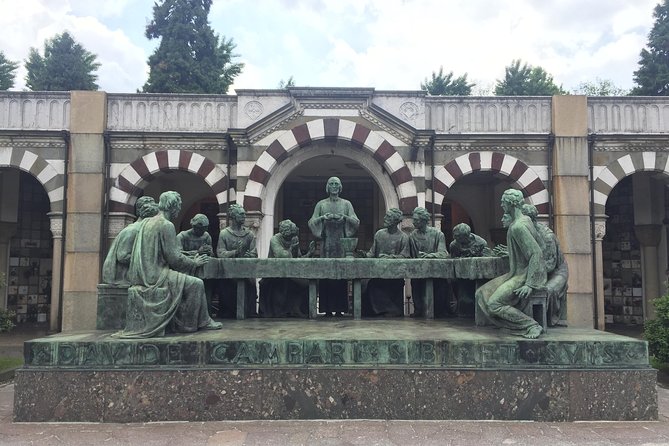
- A notable Campari family monument, described as similar in idea to The Last Supper
- Small groups up to 15, for easier questions and better pacing
- Professional guides, including Emilio and Paolo, noted for being prepared and entertaining
- Radio-guides when groups reach 10 participants, so you do not have to strain to hear
Why the Monumental Cemetery of Milan feels like a different kind of museum
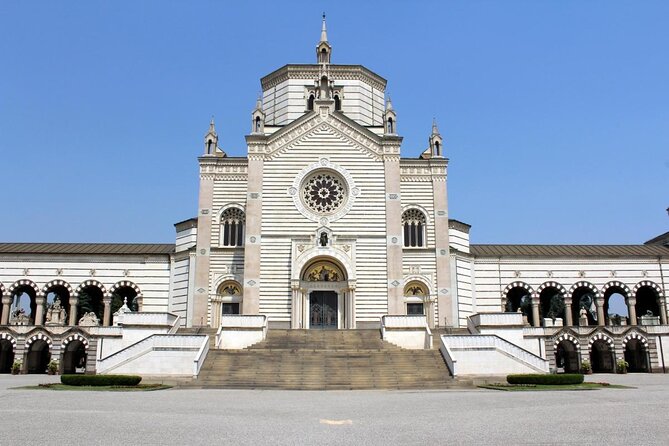
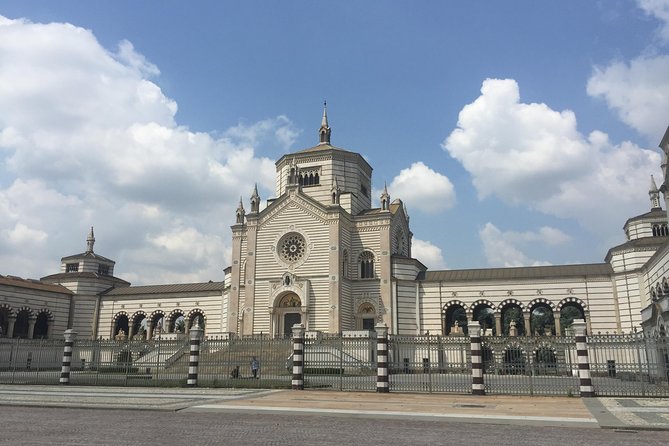
The Monumental Cemetery of Milan, also known as Cimitero Monumentale or simply Monumentale, is the kind of place that changes your mind. From the outside, it looks colossal, like you are approaching another city block. Step through the entrances and the mood shifts, with quiet, space, and a surprisingly calm rhythm.
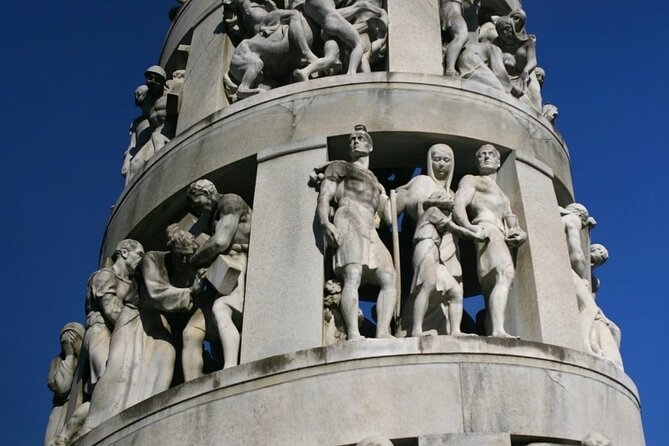
What makes this tour click is that it does not treat the cemetery like a sad box you rush through. Instead, you get an explanation of how these graves function as public memorials, with inscriptions that invite reflection. You also see a mix of artistic styles, not one uniform look. That blend matters because it helps you read the cemetery like a gallery, where different eras and families left their marks.
Two things I think you will appreciate right away. First, you get the peace without being told to think somber thoughts on command. The site is quiet in a natural way. Second, you are not left guessing. A professional guide points out the most significant monuments saved here, then connects them to people and meaning.
The main “watch out” is practical: expect some walking. Even if the pace stays friendly, you are moving through a big area. Plan for comfortable shoes and take a slow breath before you start.
You can also read our reviews of more tours and experiences in Milan.



Getting there: meeting at Piazzale Cimitero Monumentale (M5)
This tour starts at Piazzale Cimitero Monumentale, right by the Monumentale stop on Milan Metro Line M5. That is a big deal because it keeps things simple. You do not have to coordinate a complicated transfer. Once you arrive, you can orient yourself quickly at the meeting point and wait nearby until the group gathers.
You will end back at the meeting point too. That makes planning easy if you are stacking this with other Milan sights the same day. It also means you do not have the added mental load of figuring out a separate drop-off.
A small tip that helps your first five minutes: arrive a touch early and take one look at the cemetery from outside. Even that first view sets up what your guide will later explain. You start to notice how monumental the site really is, then you learn why it was built that way.
What the 1.5 hour guided route actually gives you
The tour runs about 1.5 hours. That is a sweet spot for the Monumentale cemetery. It is long enough to cover top monuments, but not so long that you feel like you are stuck in a marathon walk.
Also pay attention to the timing: you need to check availability for starting times. This matters because your day in Milan can be tight. If you want a calmer morning or a late afternoon slot, the start time determines the light and the pace you experience.
Another practical plus: the tour includes skip-the-ticket-line entry. A cemetery can feel like a place where you might wait around, so faster entry helps you use your limited tour time for seeing, listening, and moving.
Group size is small, capped at 15 participants. In an open-air setting, small groups make a difference. The guide can keep you together without constantly shouting, and you can ask questions without getting lost in the shuffle.
If your group reaches 10 participants or more, you get a radio-guides system. The Monumentale cemetery has wide paths and stone details that can be hard to hear over. Radios reduce that frustration, so you spend more time looking at the monuments and less time guessing what was just said.
Entering the cemetery: peace, inscriptions, and mixed artistic styles
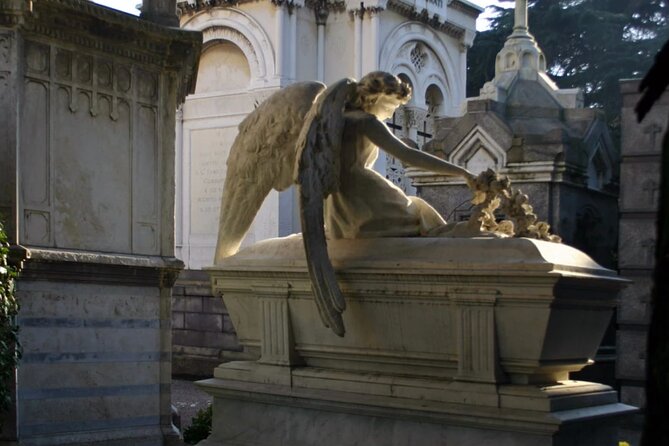
Inside Monumentale, the atmosphere does not feel like a rushed stop. It feels like walking through a carefully designed outdoor space where grief and art sit in the same sentence.
Your guide will talk about the cemetery as an unexpected place in Milan. Tourists often focus on famous sights, but Monumentale is one of the city’s more unusual destinations. The value here is not just novelty. It is that the explanations help you see patterns, symbolism, and why certain monuments attract attention.
As you move along, you will notice how inscriptions invite remembrance. That is more than text on stone. It is meant to communicate identity, family, and legacy. When someone explains the context, the cemetery stops being random and starts reading like structured storytelling.
You will also spot a mix of artistic styles. That matters because the cemetery covers different tastes and periods, not one single design language. A guide helps you connect what you see to the “why” behind the styles and the monuments. Without that, you might admire details but miss the relationships between them.
And yes, there is a real sense of peace. It is quiet, but not eerie. The site is presented as a pleasant place to visit, and that tone comes from the setting and the way the tour encourages you to look.
Temple of Fame: the big stop and what it means
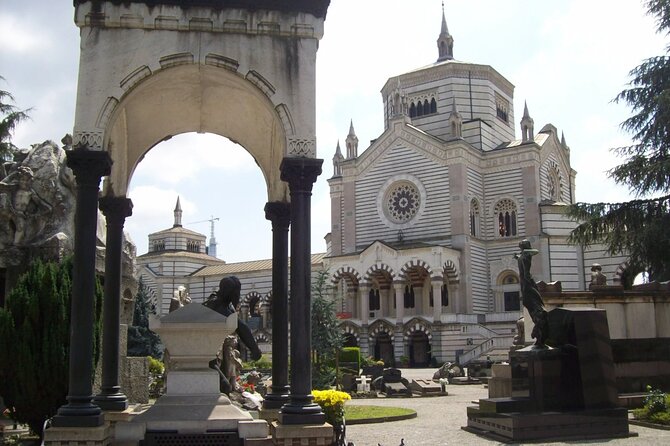
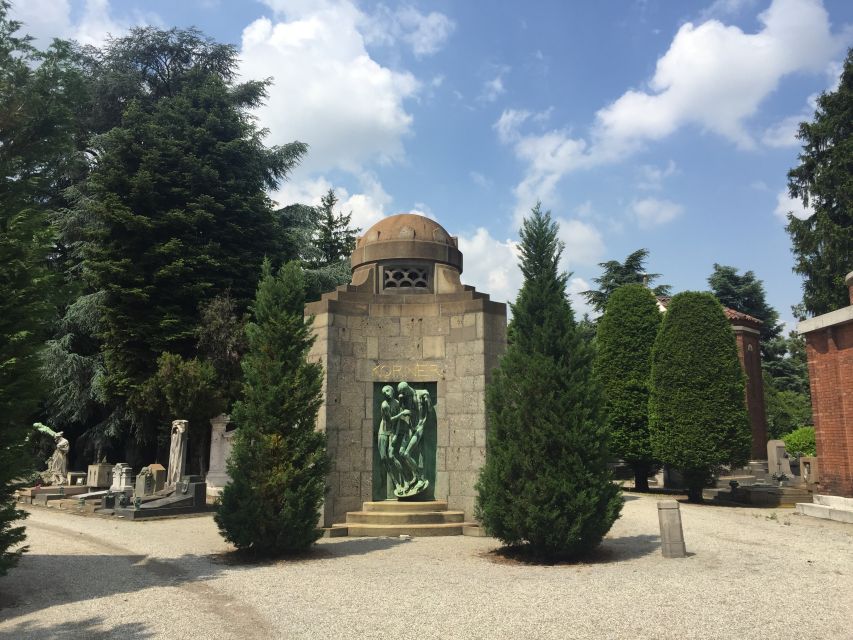
One of the most important monuments in Monumentale is the Temple of Fame. Your guide will lead you through what makes it standout, both architecturally and in terms of meaning.
This temple is described as the most outstanding building in the cemetery. That alone tells you to expect something central to the tour. It is not a “passing photo stop.” It is a core moment where the guide ties the space to a person and to the broader story of the cemetery.
You also get the key detail that matters for context: Alessandro Manzoni is buried here. Seeing a famous burial adds a different kind of attention. It is not just art on stone, it is a specific legacy attached to a real name.
If you like places where culture and history connect through physical sites, this is the stop to pay full attention. The guide’s explanations help you understand how fame, remembrance, and monumental architecture overlap in the cemetery.
Practical note: this is a good place to slow down, listen, and take in surroundings. The temple’s prominence means you can reorient yourself too, using it as a visual anchor for the rest of the walk.


Alessandro Manzoni and the power of a well-read burial site
In many cemeteries, famous names become speed bumps. You see the name, take the picture, and move on. Here, the tour framing helps you do better than that.
With Alessandro Manzoni, the guide connects the burial setting to the idea of cultural memory. Instead of just knowing he is buried there, you understand why the cemetery presents certain people in prominent ways. That is what makes the “characteristic graves” part of the tour more than a checklist.
This stop also helps you understand what kind of stories the tour aims to tell. It is not only about who is buried. It is about how families and communities expressed identity through symbols, design, and inscriptions.
If you are the kind of person who enjoys reading meaning into monuments, you will likely find this portion especially satisfying. If you are only interested in quick visuals, you might wish you had more time, but the guide keeps you moving through the highest impact stops within 1.5 hours.
The Campari family tomb: artful symbolism you can actually picture
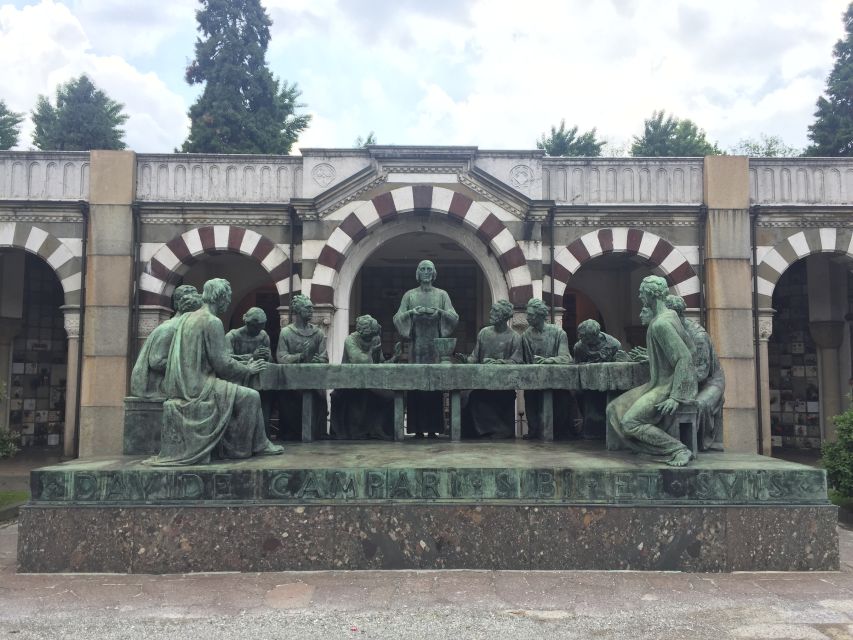
One of the most memorable monuments on this route is the tomb that celebrates the Campari family. The tour highlights it as characteristic and compares it to a famous artistic reference point: it is described as similar to The Last Supper by Leonardo da Vinci.
That comparison is useful. It gives you a mental image before you even reach the tomb. As you arrive, you can look for the arrangement and sense of composition implied by that reference. Instead of simply spotting a decorated grave, you start reading it like a work of art.
This is also where the cemetery’s “open-air museum” feel becomes obvious. You are not just visiting a memorial. You are looking at a crafted scene with an artistic structure and a story attached to a recognizable name connected to an aperitif brand.
This stop works well if you like Italy’s habit of mixing daily life culture with high art. Campari is everyday, recognizable, and local. Put that beside monumental design and you get a cemetery that feels tied to Milan’s identity, not locked in the past.
How a small group and a pro guide change what you see
The best praise for this tour is consistent: the route is interesting, and the guides are prepared. Names like Emilio and Paolo show up in the experience notes, both tied to being well prepared and, in Paolo’s case, also entertaining.
That matters because Monumentale is a large area. Without a guide, it can be easy to wander and only catch the parts that happen to be obvious near your path. With a guide, the tour becomes a planned route through the most significant monuments conserved here.
In a cemetery setting, “knowing what you are looking at” is not an abstract benefit. It changes your entire mood. You go from admiring details to understanding why a monument is there and what it communicates.
Also, because the group size is capped at 15, your guide can keep the pace workable. You are not stuck waiting for people who wandered off. You are not constantly behind because there are too many bodies in the way. It feels ordered.
If radios kick in for your group size, that helps a lot. It is easier to follow explanations while still looking at inscriptions and design elements.
What to wear, how to pace yourself, and what to expect on the ground
You only need to think about one thing before you go: shoes. The tour includes a small amount of walking. That is enough to matter if you are in stiff shoes or fancy boots. Bring something comfortable for moving on foot through an outdoor site.
Then bring the right mindset. This is not a quick “check in and snap photos” stop. You will be looking at monuments, reading inscriptions, and listening to stories. Even if you do not read every line, the guided context helps you capture the meaning quickly.
Here is how you can maximize your time:
- Look at the monument first, then listen to the explanation.
- Take a couple of short photos, then stay present for the next story.
- If you feel slow, ask your guide to help you stay oriented.
The tour ends back at the meeting point, so you can also plan an easy next step after: a coffee stop, or another Milan sight nearby. The format makes it easy to keep the day flowing.
Price and value: what $134.81 really buys
The price listed is $134.81 per person, with duration around 1.5 hours. That might look steep at first glance, until you break down what is included.
You are paying for three key things:
1) a professional, certified tour guide
2) a structured route through major monuments in a large site
3) radio-guides support if your group reaches 10 participants
In other words, you are not just buying entry. You are buying interpretation and time efficiency. Monumentale is big, and self-guided wandering can easily become random. A guided route keeps you from missing the best monuments saved there.
Value also comes from the small group cap at 15. That is part of why you get a smoother experience and better access to the guide, especially for questions.
If you enjoy culture and art tied to real names and real stories, this price can feel fair because it is short and focused. If you only want casual wandering and do not care about symbolism, you might question the spend. But if you like monuments explained in plain language, this tour leans into exactly that.
Who this tour is for, and who should skip it
This tour is a great fit if you:
- like art, design, and symbolism tied to specific places
- enjoy quiet but meaningful sights, not only loud landmarks
- want a manageable route in about 1.5 hours
- appreciate a prepared guide who can make a complex site feel organized
It might be less ideal if:
- you want an ultra-long, slow, fully self-paced visit
- you dislike any walking at all
- you are mainly interested in the most famous city sights and do not want a quieter, unusual detour
The cemetery is surprisingly pleasant to visit when you understand it. A guided format is what makes that pleasant feeling click.
Should you book the Monumentale Cemetery guided tour?
I think you should book if you want Milan in a different tone. This is not the obvious checklist. It is an open-air museum where peace, inscriptions, and art meet, and the guide turns “big and quiet” into “clear and meaningful.”
Book it especially if you care about the highlights: Temple of Fame, Alessandro Manzoni’s burial, and the Campari family tomb with its comparison to The Last Supper. Those are the stops that give the tour its identity.
One last piece of practical advice: treat this like a walking tour with art interpretation. Wear comfortable shoes, bring patience, and let the guide’s stories shape how you look at the stones. If you do, Monumentale stops feeling like a weird choice and starts feeling like one of the more memorable parts of your Milan day.
FAQ
How long is the Monumental Cemetery of Milan guided tour?
The duration is about 1.5 hours. You can check availability to see the starting times.
Where does the tour start?
The meeting point is Piazzale Cimitero Monumentale, near the MONUMENTALE M5 underground station.
Is there a guided tour or do I explore on my own?
It is a live guided tour with a professional tour guide.
What group size should I expect?
Small groups are capped at max. 15 participants.
Will I hear the guide clearly?
A radio-guides system is included from 10 participants.
What languages are available for the tour?
The live tour guide is available in English, Italian, French, German, and Spanish.
Is the tour suitable if I do not want much walking?
A small amount of walking is involved, so it helps to wear comfortable shoes and be ready for a steady stroll.
Does the tour include skip-the-line entry?
Yes, skip-the-ticket-line is included.
What is included in the price?
Included are the professional and certified tour guide and the radio-guides system when applicable, plus small-group format. Food and drinks, hotel pickup and drop-off, and extras are not included.
More Tour Reviews in Milan
Not for you? Here's more nearby things to do in Milan we have reviewed










Milan Tours, compared.
 ★ 4.6Cathedral and Duomo’s Terraces Entrance TicketFrom $3061,054 reviews
 ★ 4.7Da Vinci’s Last Supper Guided TourFrom $7510,143 reviews
 ★ 4.6From Milan: Como & Bellagio with Private Lake Como CruiseFrom $1129,788 reviews
 ★ 4.5Science and Technology Leonardo da Vinci Museum EntryFrom $157,169 reviews
 ★ 4.8From Milan: Como, Lugano and Bellagio Exclusive Boat CruiseFrom $956,635 reviews
 ★ 4.8From Milan: Como Private Boat, Bellagio and Lugano Day TripFrom $786,271 reviews
 ★ 4.0City Sightseeing Hop-On Hop-Off Bus with Audio GuideFrom $266,256 reviews
 ★ 4.6Milan Cathedral: Duomo Terraces Ticket (No Church Access)From $226,111 reviews