Review · MILAN
Pinacoteca Ambrosiana audioguide
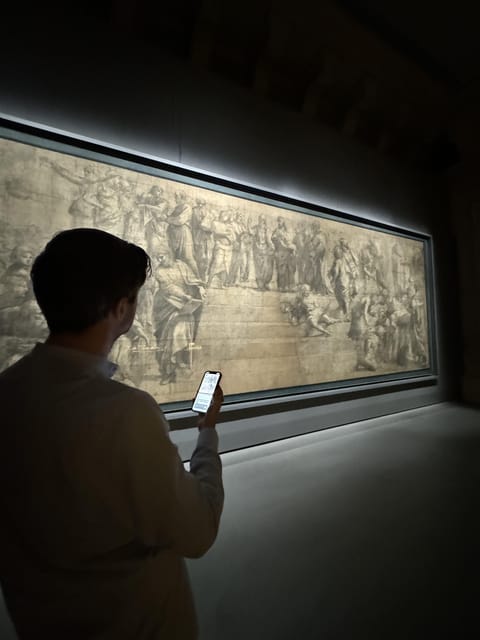
A phone-led story can make an art museum feel doable. The Pinacoteca Ambrosiana audioguide walks you through the collection with 50+ museum audio descriptions in six languages, which is perfect when you only have about two hours. You follow an exhibition path and get spoken context tied to major works by artists like Leonardo da Vinci, Raphael, Caravaggio, Brueghel, and more.
I also like that the guide is designed for real time management, not just facts. You can use it during your visit, then keep the app content after you leave, so the museum keeps talking to you while you’re walking back outside.
One catch to consider: you need a charged smartphone and headphones (the ticket does not include them). And if the museum is unexpectedly closed for a private event, the app does not help you enter, so it pays to check the opening status the day of.
Key things to know before you go
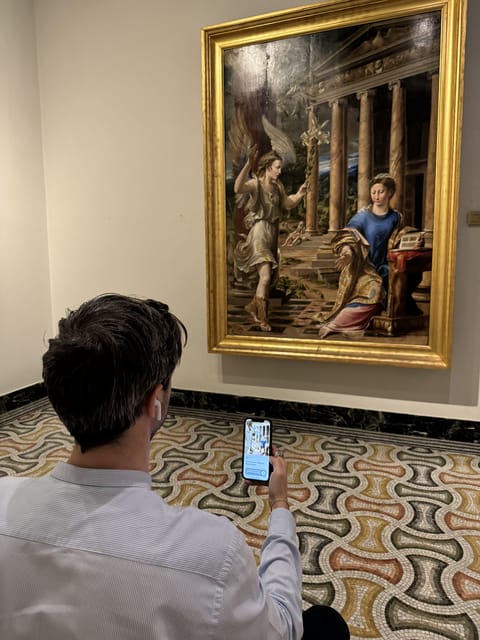
- 50+ audio descriptions and comments made available by the museum
- Six language options so you can match your comfort level
- Works by Leonardo da Vinci, Raphael, Caravaggio, Titian, Brueghel, and others to keep you oriented
- Self-paced route with a 2-hour duration, great for limited schedules
- Access continues after the visit, so you can replay highlights later
- Headphones are required, since you listen on your phone (phone mode is available)
A phone-led path through Pinacoteca Ambrosiana collections
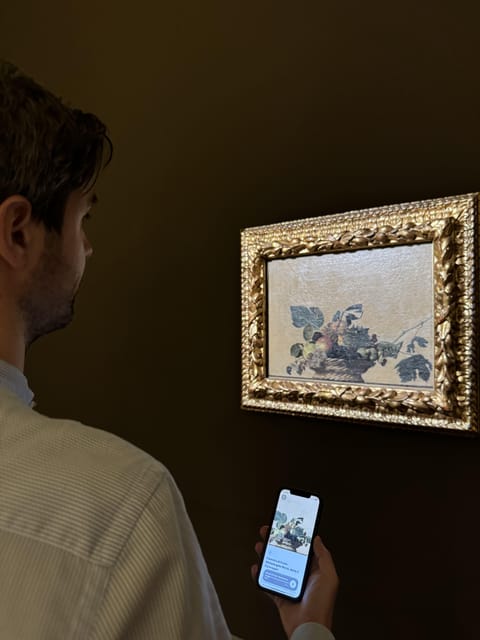
The Pinacoteca Ambrosiana audioguide is all about turning a museum visit into a guided flow without forcing you into a rigid group pace. Instead of trying to read everything at once, you listen while you move. That matters in a place where you can easily lose time bouncing between rooms, especially if you only planned a short stop.
The best part is how the audio is built around recognizable names. As you move along the exhibition path, you get descriptions and comments connected to key artists and works. That makes the whole experience easier to track, because you’re not just looking at art in isolation. You’re following a thread.
Also, the audio is designed to explain more than just what you see. You’ll get background on the place and its masterpieces, which is useful if you’re not the type to study art history for fun. It gives you enough context to enjoy the work without turning your afternoon into a homework assignment.
You can also read our reviews of more tours and experiences in Milan.



Price and value for a 2-hour audioguide session
At $4.71 per person, the value is strong if you like independent travel with built-in context. You’re not paying for a full guided tour with a live person, you’re paying for focused audio that covers a lot of ground in two hours.
The math works because you get more than just a few track entries. The included guide contains more than 50 exclusive audio descriptions and comments, and it’s made available in six languages. For many visitors, the “aha” moments come from a handful of works, and this guide is built to cover multiple major artists instead of spending all its time on one or two.
You’re also buying something practical: you receive an activation code for the app, and the content remains yours to keep after the visit. That means if you want to replay a favorite section while you’re planning what to see next, you can. It’s not the kind of experience that disappears the moment you walk out.
Activation, languages, and how to use the app smoothly
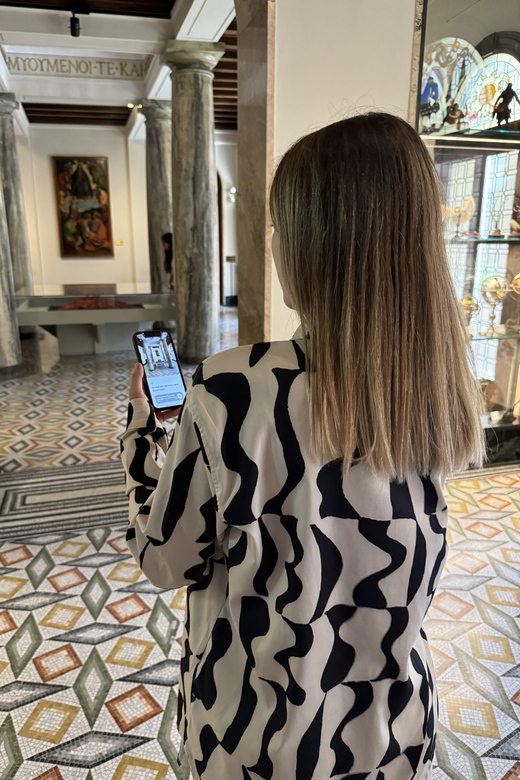
The experience is smartphone-based. You download the app, then use the code you receive to activate the Pinacoteca Ambrosiana audioguide. From there, you choose one of the six available languages and start following the route.
This kind of setup is simple, but it has one real-world requirement: a charged phone. Bring it fully topped up before you arrive, because a museum afternoon plus low battery is a fast way to kill your vibe. Also, you’ll want headphones ready, since the ticket does not include them.
A practical tip: if you’re switching languages, do it before you commit yourself to a gallery room. Changing settings mid-route can cost you time, and the point of the guide is to keep your visit flowing. Once you’re listening, try to treat each segment like a short mini-lesson. You’ll understand the work better if you pause for a moment, look, then let the description finish.
The “phone mode” option means you can still listen even without traditional headphones setups, but the safe assumption is that standard headphones are the most comfortable way to enjoy the audio. If you’re sensitive to sound or you’re traveling with others nearby, keeping your volume controlled is the polite move.
What the audio covers: Leonardo to Caravaggio to Brueghel
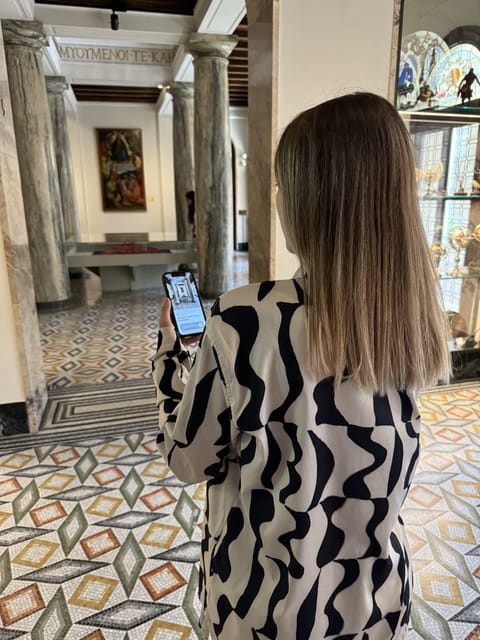
The audioguide focuses on major artists you’ve likely heard of, which is helpful if you want recognizable anchor points. Expect audio descriptions and comments tied to works by Titian, Leonardo da Vinci, Raphael, Caravaggio, Brueghel, and others.
Here’s why that matters: when you know who an artist is and why the work matters, you stop treating the museum like a checklist. Instead, you start noticing details you might otherwise miss. Even if you don’t read every label, the spoken descriptions help you connect the visual to an idea, a technique, or the story behind the piece.
The guide also helps you understand the museum itself. You’ll hear about the history of this place and how it relates to the collection and its masterpieces. That context is valuable because Pinacoteca Ambrosiana is not just a room full of paintings. It’s part of a larger world, supported by its parent institution, Veneranda Biblioteca Ambrosiana. When the audio brings that connection into focus, the visit feels more coherent.
One important note for your expectations: one negative experience highlighted that some of the audio content felt more like text with limited spoken description of certain works. So if you strongly prefer long, spoken, art-by-art explanations, go in with the mindset that your experience depends on how the app presents the content in your language and on your device.
Getting more out of the galleries in limited time
The duration is listed as 2 hours, and that’s a sweet spot for a focused museum visit. I like that the audio guide supports this timeframe, because it reduces decision fatigue. You don’t have to choose what’s most important from a sea of works. The guide nudges you to the works it covers and helps you keep moving.
One reviewer noted that the audioguide was helpful for controlling the visit when time was limited. That lines up with what this format is good at. When you’re on a deadline, you need guidance that helps you prioritize. Spoken descriptions also help you avoid the trap of over-reading text labels in each room, which can slow you down fast.
Try this approach: in each new room, pick one featured work to start with, then listen to the audio segment before you decide whether to keep looking around. If you do that, you’ll leave with real takeaways, not just blurry impressions.
Also, since you can listen again after the visit, you can treat the museum like the first chapter. If something leaves you curious but you don’t have time to fully absorb it on-site, you can revisit the audio later.



Headphones and setup issues: the practical side
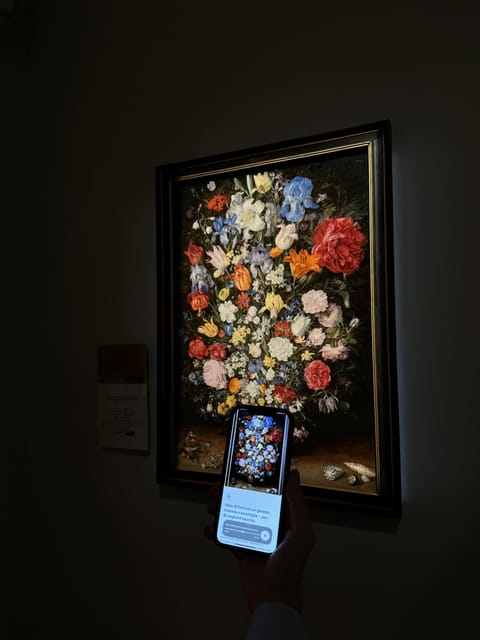
This is where a lot of “almost good” experiences happen. The audioguide is included, but headphones are not. You’re expected to use your own device and listen through the phone. The listing also suggests you can listen in phone mode, but it’s still an audio setup you control.
So, do your small prep:
- Charge your smartphone fully before you start.
- Bring headphones you actually like wearing for at least 30 minutes.
- Keep volume at a comfortable level, especially if the galleries are busy.
If your phone battery is a little weak, consider using power-saving mode before you arrive. And if you’re traveling with friends, decide who gets which language so you’re not crowding around a single phone while everyone waits.
One more practical caution: the app content is meant to be experienced during your visit and afterward, but it does not remove real-world museum realities like opening hours. If the museum is closed for an event, you may have an active app and nowhere to go. It’s rare, but one experience described exactly that scenario, so it’s worth checking the museum’s status the same day.
A note about closures and when audio feels too text-forward
Art audio guides work best when you can actually get into the building and follow the route. One downside that showed up in feedback is that the museum can be closed for a private event, which prevents entry. In that situation, the audioguide cannot solve the core problem, so it’s smart to confirm opening status close to your visit time.
Another critique described audio that appeared more like text, with limited spoken description of certain pieces, and an overall overview that felt weak. That doesn’t mean it will happen to you, but it’s a reminder that your enjoyment depends on presentation style. If you prefer highly detailed narration and you know you get frustrated by text-heavy formats, this is the area where you might feel less satisfied.
Your best defense is simple: arrive ready to listen, pick the language you’ll actually enjoy, and don’t expect the app to replace your visual curiosity. Think of it as a guide that helps you notice more, not as a complete substitute for being in front of the art.
Who this Pinacoteca Ambrosiana audioguide suits best
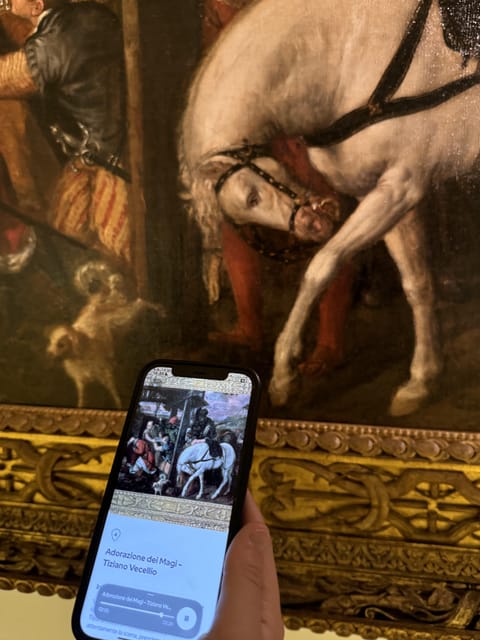
This audioguide is a good fit if you want:
- A self-paced visit through the Pinacoteca Ambrosiana collections
- Major-artist context instead of only label-reading
- An experience that works well in a short window like two hours
- The ability to keep the app content and revisit it later
It also suits travelers who don’t love group dynamics. With an audioguide, you control speed. You can linger where something grabs you, then move on before you fall behind schedule.
If you want a full live guide who answers questions on the spot, this is not that. And if you strongly dislike phone-based audio or hate needing headphones, you may find the setup annoying. But if you’re comfortable with basic tech and you like learning while you look, this is one of the more sensible ways to get value out of the collection.
Should you book this Pinacoteca Ambrosiana audioguide?
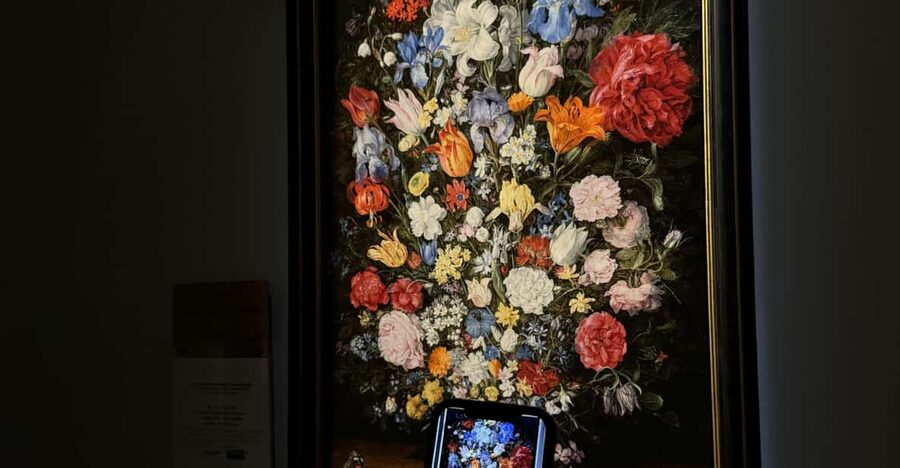
Book it if you’re planning a short visit and you want guidance tied to the works by Leonardo da Vinci, Raphael, Caravaggio, Titian, Brueghel, and others. At $4.71 for 2 hours and 50+ audio segments in six languages, the value is hard to ignore, especially since you keep the content after the visit.
Skip it or think twice if you don’t want to use your own headphones and you’re uncomfortable with smartphone setup. Also, do a quick opening check on the day you go, because a closure for a private event can derail the whole plan no matter what app you have.
FAQ
Where is the Pinacoteca Ambrosiana audioguide located?
The activity is located in Lombardy, Italy.
How much does the Pinacoteca Ambrosiana audioguide cost?
The price is listed as $4.71 per person.
How long is the audioguide experience?
The duration is 2 hours.
What languages are available?
The audioguide is available in six languages.
Do I need headphones?
Headphones are not included. You will need to listen using your own headphones or using phone mode.
What do I need to bring?
You should bring a charged smartphone.
How do I access the audioguide content?
You download the app on your smartphone and use the code you receive to activate it and access the content.
Is the content available after my visit?
Yes. The content remains accessible after the visit.
Does this experience include skip-the-line entry?
Yes, it includes skip the ticket line.
Is the audioguide wheelchair accessible?
Yes, the experience is wheelchair accessible.
Is free cancellation available?
Yes. You can cancel up to 24 hours in advance for a full refund. Reserve now and pay later is also available.