
Review · MUSEUMS
Milan: Street Art Tour of Ortica, Milan’s open air museum
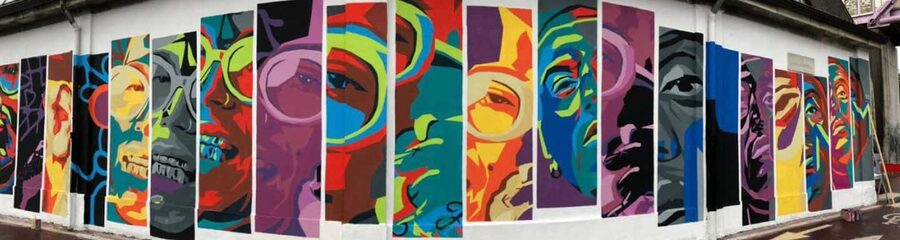
Ortica can look like ordinary backstreets, then you notice the walls talking. This 2-hour street art walk in Milan turns a working-class district into a storybook, with guided stops across the neighborhood’s murals and the ideas behind them. You get to see how graffiti and murals became part of Milan’s public culture.
I especially liked the focus on the Or.Me. Project by Orticanoodles, with its over 20 large-scale murals built to reflect Milan memory through workers, musicians, activists, and other often-forgotten figures. I also love that the tour keeps things practical and human, with a small group limited to 8, guided in English, and designed for close-up looking rather than rapid photo stops.
One possible drawback: the tour chooses the most creative and significant works, so if you’re hoping for a long stretch of street art houses on every block, you might feel it’s slightly selective.
Key things that make this Ortica street art tour worth your time
- Ortica as Milan’s first open-air museum district, not just a wall-hopping photo walk
- Or.Me. Project murals told through community stories, not art talk for art talk
- A guided walk that covers history, origins, present, and future of street art
- You’ll see how the area shifted from industrial fringe and isolated layout to a changed neighborhood
- Concrete details on techniques and styles, plus the social impact of public art
- Multiple photo opportunities, including a viewpoint stop for wider neighborhood shots
Ortica, Milan’s open-air museum you reach by foot
Milan is famous for fashion and design, but Ortica shows a different side of the city: people using walls to remember, protest, celebrate, and rebuild identity. This tour takes place in Ortica, described as Milan’s first open-air museum district, where street art has become a visible chapter of local history.
The neighborhood layout matters here. Ortica was shaped by a network of viaducts, railway tracks, and the winding course of the Lambro River. That kind of geography can make places feel cut off. And for years, Ortica was working-class and somewhat forgotten, more fringe than destination.
What makes this experience interesting is that it doesn’t treat murals as random decoration. Your guide ties the art to the neighborhood’s past and its recent transformation. You’ll hear how public art can help a community rebrand itself, and why Milan’s street artists turned walls into a way to speak back to the city.
You can also read our reviews of more museum experiences in Milan
The Or.Me. Project murals, and why the stories matter
At the center of what you’re going to see is the Or.Me. Project, also known as Ortica Memoria, created by the local artist collective Orticanoodles. The tour’s core idea is simple: these aren’t just paintings. They’re a community storytelling project made with local resident involvement.
You’ll learn that Or.Me. uses more than 20 large-scale murals to share collective memory of Milan. That includes heroes and ordinary working figures, musicians, activists, and forgotten characters. Depending on the murals you stop at, the themes can range from anti-fascist partisans to jazz legends, factory workers to feminist icons.
This is the part of the tour that usually clicks for people, because it gives you a lens for looking. When you see a mural about work, you understand it’s about dignity and daily life. When you see something tied to activism or political resistance, you understand the wall is functioning like a public record, not just street decoration.
Also, you’ll come away understanding why street art in Milan went from underground rebellion to recognized cultural form. The guide connects that shift to changing attitudes toward who gets to make public images in a city.
Your guide experience, from Lucy to Luca
You’re not going solo here. This is a live guided tour in English, built for small groups of up to 8 people. That group size makes a difference if you actually want to ask questions and talk about details. You’re close enough to see technique, and your guide can point out why certain choices were made.
From past groups, one guide name that comes up is Lucy, praised for being professional and enthusiastic. Another name you might hear is Luca, who was described as informative and easy to chat with. Even if you get a different guide, the pattern is the same: you should expect real conversation, not a script read at you while you hurry.
One practical tip: because the tour is designed for walking and close-up looking, plan to keep your phone ready, but also take a moment to step back and actually study the mural. The best views are often the ones you slow down for.
Stop by stop: what happens in Ortica, and what to look for
This tour is built around movement. You start at Argonne and then head into Ortica for guided stops, photo breaks, and a short window to wander on your own.
Meeting at Argonne, then getting oriented fast
You meet outside the metro stop Argonne on line 4. The guide is there with the agency logo. The early part of the tour is about orientation, a short guided introduction that helps you get your bearings before you enter the neighborhood streets.
This matters because street art can look chaotic at first. A good guide helps you see patterns: styles tied to time periods, references tied to local memory, and locations tied to how Ortica’s geography and community life evolved.
A few more Milan tours and experiences worth a look
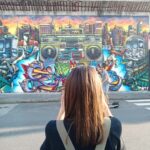
The main Ortica walk, where the murals become a map
Once you’re in Ortica, the guided portion becomes the heart of the experience. You’ll spend most of the tour exploring the district’s street art works with your local guide, including major murals connected to the Or.Me. Project and other significant examples.
As you walk, listen for how your guide explains:
- the history and origins of graffiti and street art
- how styles changed over time
- the techniques used by today’s artists
- and the stories behind individual murals, including social and political themes
Your best move is to pick one or two murals and really compare them to what you saw earlier. Street art history often becomes clearer when you see how one style influences another, or how the message shifts as the neighborhood changes.
One note: a small set of murals might still feel like a lot if you’re looking closely, so don’t panic if you can’t absorb everything. The tour is more about meaningful noticing than collecting every image on every wall.
Photo stop and quick reset
There’s a dedicated photo stop during the Ortica portion. This is a chance to step into the right angle for pictures without feeling rushed, and to review what you just learned so it sticks.
Then you get a little free time to look around. Use this window to do two things:
1) find a mural you want to photograph again from a different distance
2) snap a wide shot so you remember the neighborhood context, not just the artwork close-up
The viewpoint, for a wider sense of Ortica
Later, you’ll reach a viewpoint photo stop. This gives you a chance to step back and see how Ortica’s streets and structure frame the murals. When you connect the art to the neighborhood layout, the whole story feels more believable.
If you like street art but sometimes miss the location aspect, this viewpoint is what fixes that. You’ll start noticing how murals interact with surrounding buildings and how a wall becomes part of how people move through the area.
What you’ll learn about street art culture, beyond the pictures
The tour is built to answer the question: why do these murals exist, and why does Milan care?
You’ll learn about the spectrum from simple graffiti to ambitious murals, and how both can work as more than decoration. The guide frames street art as a driver of cultural and urban regeneration, showing how it can reshape how people feel about a neighborhood.
You also get cultural context on the evolution of street art:
- early underground rebellion
- later recognition as legitimate public culture
- and the present and future, including how projects like Or.Me. can involve residents and build shared identity
This kind of explanation helps you stop treating the artwork like a random visual trend. Instead, you’ll start treating it like public language, with creators, audience, and a message shaped by time.
Price and value: is $49 a good deal for 2 hours?
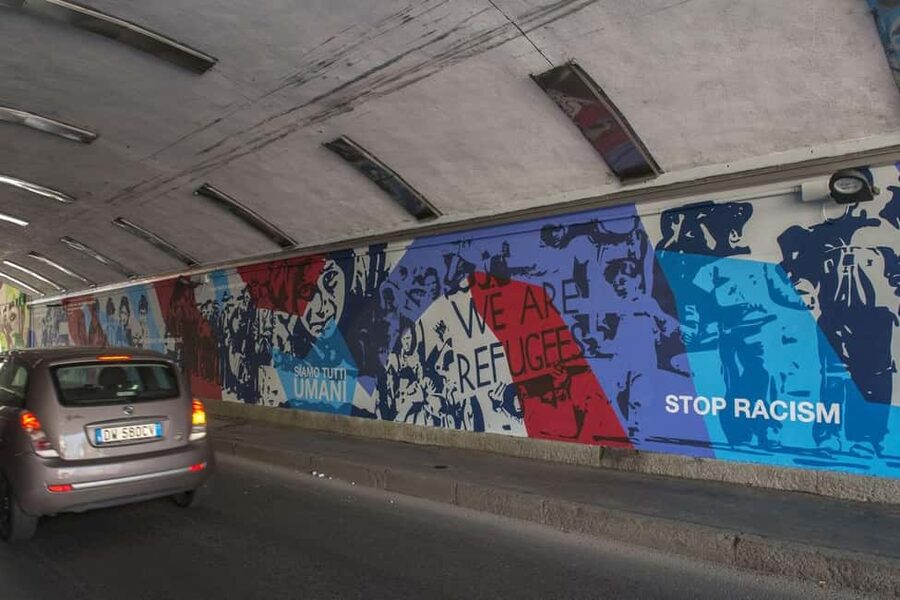
At $49 per person for a 2-hour guided walk, you’re paying for more than access to murals. You’re paying for interpretation: history, techniques, and story context that you would likely miss if you wandered around alone.
Is it expensive compared to free wall spotting? Sure. But the value is in the guided layer, especially if you want to understand Or.Me. Project themes and street art’s shift from underground to recognized culture.
This is also why the small group matters. With a limit of 8 participants, you’re less likely to be stuck in the back while the guide talks to the front half of the group.
One quick reality check: you should expect walking, not a bus or museum-style stop. If you love art but hate walking, you might be happier with something shorter or more indoor-based. If you enjoy neighborhoods and learning as you go, this price feels fair.
Practical tips so you enjoy Ortica more
- Wear comfortable shoes. This is a walking tour and you’ll be moving between murals and photo stops.
- Bring a charged phone or camera, but keep respect in mind. This is still a neighborhood, so don’t treat it like a theme park.
- Check the weather forecast. The tour may be rescheduled in bad weather, so plan a little flexibility on that day.
- Dress for street-level viewing. You’ll likely be looking at walls up close and from different angles, so avoid anything that makes you miserable to stand in place.
- Use the free time smartly. Don’t just wander, pick one mural and observe the details your guide pointed out.
If you’re the type who reads signs carefully and likes asking questions, you’ll get extra value. If you just want quick photos, you may find the history portion takes a bit longer to feel rewarding.
Who should book this tour
Book this if you:
- want to see street art with real context, not just pictures
- enjoy walking neighborhoods and learning how art changes places
- like political and social themes in public art
- want a small-group experience in English with a live guide
You might skip it if you:
- want a lot of indoor time or a low-walking pace
- only care about seeing the most famous murals with zero explanation
Should you book the Milan street art tour of Ortica?
I think it’s a strong choice if you like street art but want it explained in a way that connects to people and place. Or.Me. Project themes, the neighborhood transformation, and the focus on street art history and techniques give you a complete experience in just 2 hours.
If you’re curious about why Milan’s walls started telling stories in such a big way, this tour is one of the better ways to understand it quickly. If you’re only chasing photos, you might feel you wanted more wall after wall, but the guided stories are exactly what make this walk worth the time.
FAQ
Where is the meeting point for the Ortica street art tour?
You meet outside metro stop Argonne on line 4. The guide will be there with the agency logo.
How long is the tour?
The duration is 2 hours.
What language is the tour guide?
The live tour guide speaks English.
How many people are in a group?
The group is small, limited to 8 participants.
Is the tour wheelchair accessible?
Yes, the tour is wheelchair accessible.
What is included in the price?
The price includes a guided tour of Ortica’s street art, insights into the history and culture of street art, and exploration of Milan’s first open-air museum district.
What is not included?
Transportation to and from the activity, plus food and drinks, are not included.
Can the tour be rescheduled or cancelled?
The tour offers free cancellation up to 24 hours in advance for a full refund. It may also be rescheduled in case of bad weather.
More Museum Experiences in Milan


More Tours in Milan

More Tour Reviews in Milan
Not for you? Here's more nearby things to do in Milan we have reviewed



Museums, compared.
 ★ 4.5Science and Technology Leonardo da Vinci Museum EntryFrom $157,169 reviews
 ★ 4.4Official San Siro Stadium and Museum Guided TourFrom $403,573 reviews
 ★ 4.4Leonardo3 The World of Leonardo Museum Entry TicketFrom $183,241 reviews
 ★ 4.1La Scala Theater & Museum Guided ExperienceFrom $342,931 reviews
 ★ 4.6Pinacoteca Ambrosiana & da Vinci Codex ExhibitionFrom $211,816 reviews
 ★ 4.7La Scala Theater and Museum Tour with Entry TicketsFrom $341,722 reviews
 ★ 4.5Cathedral, Archeological Area and Museum TicketFrom $221,093 reviews
 ★ 4.6Casa Milan: Museum Entry TicketFrom $18969 reviews
Browse the lists this tour appears in