
Review · MILAN LEONARDO DA VINCI TOURS
Milan: Leonardo da Vinci Galleries Ticket & Guided Tour
Da Vinci in Milan is more than paintings.
I really like the way the Leonardo Galleries turn inventions and ideas into a walk-through story, and I also like that your ticket gives you free access to the full National Museum of Science and Technology. One possible drawback: the guided portion is only 1 to 1.5 hours, and it is not recommended for kids under 9.
This tour is set up for people who want context, not just facts. You’ll follow a chronological path, moving from Da Vinci’s training and influences toward his time in Milan, with the visuals built around historical models and artifacts. If you prefer a totally self-paced museum day, you might feel slightly rushed by the guide’s pace.
Key Things to Know Before You Go
- Largest permanent Da Vinci exhibition: The Leonardo Galleries are described as the biggest permanent exhibition dedicated to Leonardo da Vinci in the world.
- A story that moves in chapters: You’ll trace themes from 15th-century Florence through influence in Milan during the Sforza era.
- Big on models and material: Plan for 1,300+ square meters and 170 historical models, works of art, antique volumes, and installations.
- The guide matters: Reviews highlight standout guides such as Annalisa and Jacobo, with English that works and storytelling that stays clear.
- Your ticket includes the whole museum: You get entry to the National Museum of Science and Technology Leonardo da Vinci after exchanging your voucher.
Leonardo da Vinci Galleries in Milan, Where Science Meets Art
Milan can feel like all fashion and speed. This experience slows the pace down and gives you a different kind of Renaissance highlight, one built around engineering ideas and how they connect to art.
What I like most is the pairing of Da Vinci’s life themes with what you can see: historical models, period objects, and organized installations. You’re not just reading plaques. You’re walking through a narrative that explains why his thinking made sense, in his time, and how it echoes later.
Another reason it works well as a tour is that the exhibition is sized for a guided route. You get direction, and you also get a chance to roam after. That two-step approach is handy if you like structured learning but still want time for your own favorites.
A few more Milan tours and experiences worth a look
Ticket, Museum Entrance, and Finding the Tour Start at the First Cloister
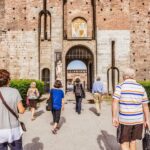
Start at the museum entrance on Via San Vittore 21. Before the tour, you’ll exchange your voucher at the Ticket Office to get your entrance ticket.
From there, keep your eyes on the museum map, because the guided tour meeting point is in the first cloister. That matters because the museum is more than one room. If you arrive late, you may end up waiting around while the group heads in.
Also note the practical rules. Flash photography is not allowed, and tripods are not allowed. Pets are not allowed either, but assistance dogs are fine. These rules are common in museums, yet they can affect how you plan photos and equipment.
Good news for your day flow: the experience includes skip-the-ticket-line entry. That’s especially useful in a big museum where queues can eat time.
What Your 1 to 1.5 Hour Guided Tour Actually Covers
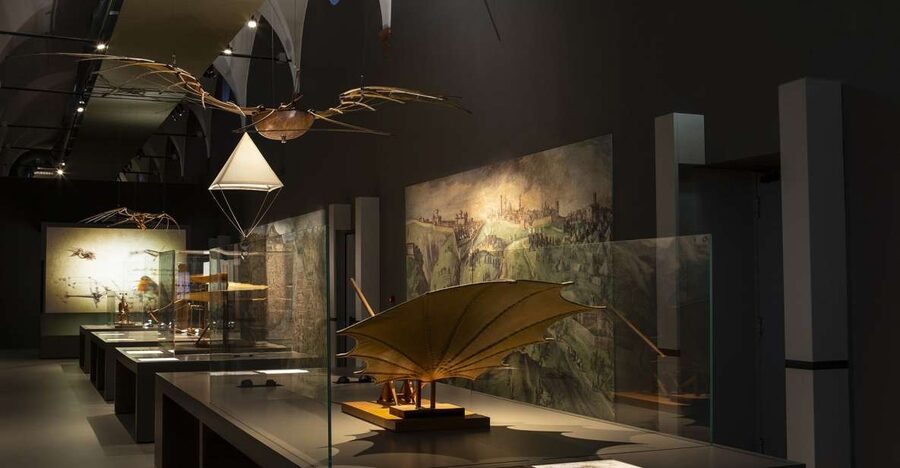
The guided portion is 1 to 1.5 hours, with an expert guide (live Italian and English). Your route is not random. It is set up as a visual timeline and a set of themes that connect Da Vinci’s training to what he later did, especially through the Milan period tied to the Sforza.
Think of it like chapters:
- Origins and training: The tour begins by setting the stage in the Florence of the fifteenth century, focusing on training and influence from Tuscan engineers.
- Work across big themes: You then move through major idea categories, including the art of war, work and production, flight, waterways, and architecture.
- A bridge to art history: The final part shifts toward Da Vinci’s influence on Lombard Renaissance painting.
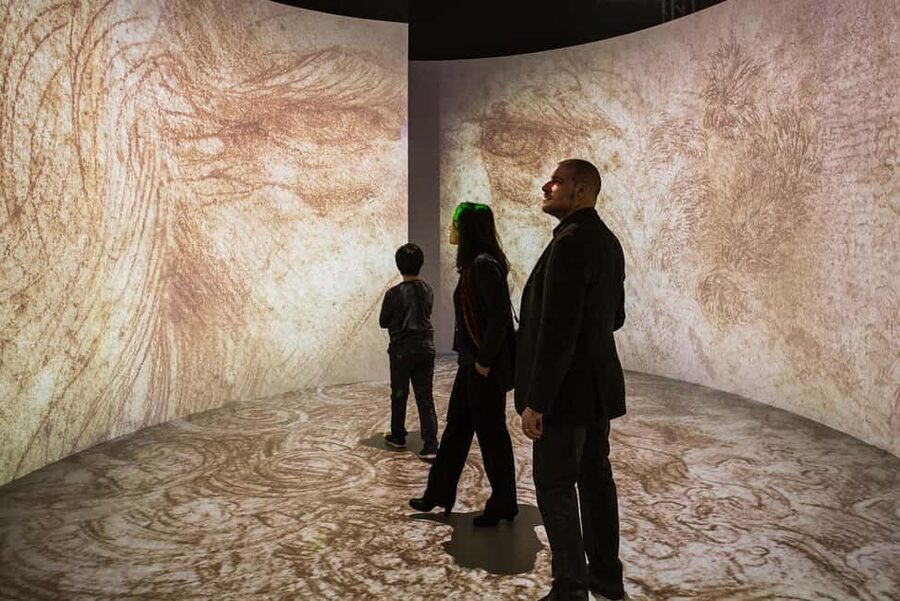
- Late-period drawing focus: The route ends with an installation focused on drawings from Da Vinci’s last period of activity.
That ending focus is worth it. Drawings are where his ideas show the messy draft work, the experimentation, and the evolution. If you only see finished products, you miss the process.
From Florence to Sforza Milan, The Exhibition’s Big Narrative Move
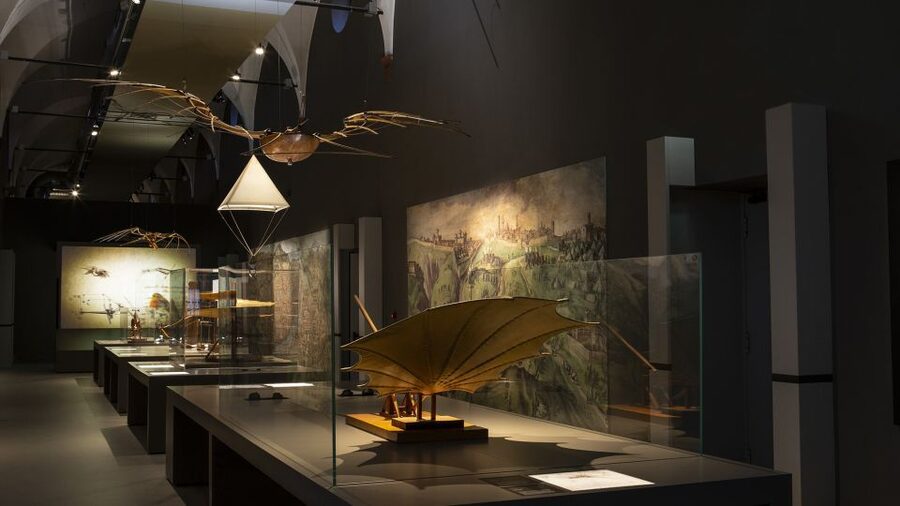
The exhibition’s storytelling design is one of the best parts of this visit. It starts by placing Da Vinci in a broader network, not as a lone genius in a bubble.
You’ll trace how training and technical influence travel, from the Florence context to the later Milan setting connected to the Sforza. In practice, that means you see connections between engineering thinking and the visual culture around it.
This is also where the guide earns their place. Reviews mention excellent English and clear explanations from guides such as Annalisa, who was praised for strong English and for making the life story of Da Vinci feel easy to follow. Another guide, Jacobo, was highlighted for detailed storytelling about museum artifacts.
If you are the kind of traveler who likes to understand what you are looking at before moving on, a guide like this is the right choice. You’ll get names, context, and meaning tied to the displays, not just a description of what the object looks like.
Art of War, Flight, Waterways, and Architecture, Explained with Real Objects
Da Vinci’s interests can feel like a grab bag when you meet them online. In the galleries, they become a system.
Here are the major themes you’ll cover, and why they matter:
You can also read our reviews of more guided tours in Milan



Art of War
You’ll see how technical thinking connected to conflict and practical design. It helps you understand why “engineering” in the Renaissance was not separate from politics, strategy, and the needs of powerful patrons.
Work and Production
This part is about how ideas become things. It is a reminder that inventions are also about processes, tools, and the reality of building.
Flight
The flight theme is where many people expect spectacle. What I like in a well-run exhibition is that it stays tied to logic and design thinking. You’re not just admiring a concept. You’re seeing how the idea relates to broader engineering work.
Waterways
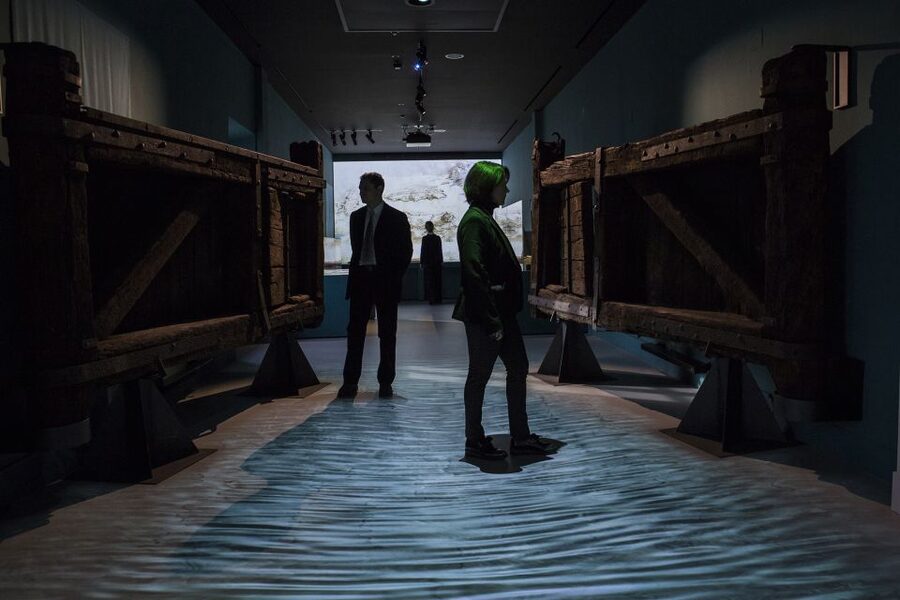
Water management and waterways were huge in pre-modern engineering. This theme helps you connect Da Vinci’s curiosity to practical needs, like movement, transport, and controlling the environment.
Architecture
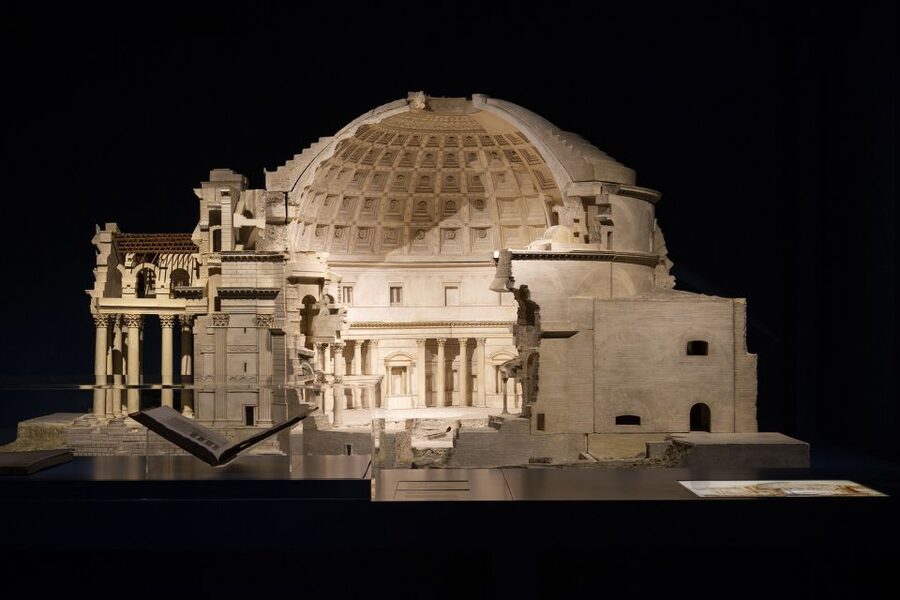
Architecture ties it all together. It’s the bridge between engineering and visual form, between the mathematics of structure and the way buildings shape how people live.
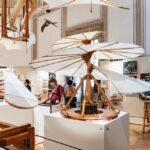
Across these themes, you’re supported by the exhibition’s physical elements: 170 historical models, works of art, antique volumes, and installations spread across 1,300+ square meters. That scale gives the guided route a lot of “proof,” so the story stays grounded.
The Big Display Scale, Plus Why Models Make It Click
Numbers can sound like marketing, but here they help you set expectations. The galleries cover over 1,300 square meters and include 170 historical models plus other materials like antique volumes and installations.
Models are especially valuable because they translate concepts into something your eyes can measure. Even if you are not an engineering person, models help you grasp proportions, mechanics, and how a design might work.
And because the exhibition is permanent and large, it is built for repeat looking. You can do the guided tour, then return to re-check details in your own time when you’re no longer trying to keep up with the group.
If you love interactive displays, you’ll also appreciate that the museum environment includes interactive exposition areas. A review praised a perfect setup for kids and parents, with a friendly team and positive energy. It is a good sign if you want the day to feel active, not only lecture-like.
The Free Bonus: Full Access to the National Museum of Science and Technology
This is where the value jumps. The ticket includes entry to the National Museum of Science and Technology Leonardo da Vinci, and you can take a free tour of the entire museum.
After the guided Leonardo Galleries section, you can spend time in the broader museum. That matters because the Leonardo story is only one slice of the bigger science-and-tech world. If you like seeing how a single person’s influence connects to wider innovation themes, this add-on gives your visit more payoff.
One practical note: you have to exchange your voucher at the Ticket Office to get the entrance ticket. Once you have it, the door is open for the museum tour.
In plain terms, you are paying for guided structure, then getting room to wander.
Price and Value: Is $28 Worth It?
At $28 per person, you’re buying two things at once: a guided tour of the Leonardo Galleries plus entry to the museum with that free all-areas component.
For me, the value equation comes down to time and attention. If you only had museum entry, you might spend your time figuring out what matters. With the guided component, you start with a storyline and a set of themes. That helps you make the most of the larger exhibition space and its objects.
Also, the guide experience is a major part of the value here. Reviews specifically call out excellent guides, including Annalisa for amazing storytelling and English that lands, plus Jacobo for detailed artifact narration. When the guide is strong, the same room feels more meaningful.
So yes, it’s a fair price if you want a guided explanation and then extra museum time. If you prefer to read on your own and skip any structured pacing, you might decide this is more than you need.
Who Should Book This Tour, and Who Might Not
This tour is best for people who like context and want a structured route through a big museum. It also suits travelers who want both learning and flexibility, because you get a guided segment and then free access afterward.
It is also a good fit if you are traveling with families where kids are old enough to handle museum pacing. One review praised the interactive exposition for kids and parents. Just remember the tour is not recommended for children under 9.
Wheelchair access is supported, and the tour is described as wheelchair accessible. Small group availability is offered, which usually means you get better access to your guide and fewer interruptions.
If you are coming primarily for selfies and quick highlights, the no-flash rule and no-tripod rule mean you need to be more strategic about photography. You can still take pictures without flash, but if you rely on lots of equipment, plan accordingly.
Tips for a Smooth, Enjoyable Visit
Here are a few practical moves that help you get more out of the time you have.
- Arrive early enough to handle the voucher exchange calmly at the Ticket Office. This prevents last-minute stress when you’re trying to reach the first cloister meeting point.
- Wear shoes you can walk in. The galleries cover a lot of ground, and you are moving through multiple themed sections.
- Go in expecting themes, not just individual objects. The art of war, flight, waterways, and architecture sections connect to each other, and you’ll enjoy the flow more if you treat it like a story.
- If you care about drawings, stay focused at the end of the guided route. The installation dedicated to drawings from Da Vinci’s last period is a strong close.
- Plan extra time after the guided tour. The free museum access is part of what makes this ticket feel like more than a short stop.
And one small mindset tip: museum learning goes faster when you pick two or three themes you want to remember, then look for them across the route.
Should You Book the Leonardo Galleries Ticket and Guided Tour?
Book it if you want a guided storyline through a major Da Vinci exhibition, and you also want the bonus of seeing the wider National Museum of Science and Technology Leonardo da Vinci afterward. The combination of structured explanations, strong guide performances highlighted in reviews, and full museum access makes the value easier to justify.
Skip it if you do not care about guided context and you are likely to feel impatient with a fixed 1 to 1.5 hour route. It is also not recommended for kids under 9, so if that age group is involved, look for a different museum approach.
FAQ
Where is the museum entrance for this experience?
The entrance to the Museum is at Via San Vittore 21.
How do I get my entrance ticket for the museum?
You need to exchange your voucher at the Ticket Office to get the entrance ticket.
How long does the guided tour of the Leonardo da Vinci Galleries last?
The duration is 1 to 1.5 hours. Starting times vary, so check availability.
What is included with the ticket?
You get an entry ticket to the National Museum of Science and Technology Leonardo da Vinci and a guided tour of the Leonardo da Vinci Galleries.
Is the guided tour led by a live guide, and what languages are available?
Yes, it includes a live tour guide. Languages are Italian and English.
Where do I meet the guide for the Leonardo Galleries tour?
The meeting point for the guided tour is in the first cloister (see the Museum map).
Does the tour include access to the whole National Museum of Science and Technology?
Yes. The entrance ticket also allows a free tour of the entire National Museum of Science and Technology Leonardo da Vinci.
Is this experience wheelchair accessible?
Yes, it is wheelchair accessible.
Are pets allowed inside?
Pets are not allowed, but assistance dogs are allowed.
Is flash photography or tripods allowed?
Flash photography is not allowed, and tripods are not allowed.
Is It Worth It for Families?
This tour is not recommended for children under 9. For families with older kids and parents, the museum also includes interactive exposition areas.
More Tickets in Milan

More Tours in Milan

More Tour Reviews in Milan


Not for you? Here's more nearby things to do in Milan we have reviewed






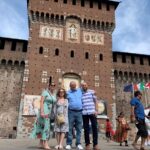



Milan Leonardo da Vinci Tours, compared.
 ★ 4.7Da Vinci’s Last Supper Guided TourFrom $7510,143 reviews
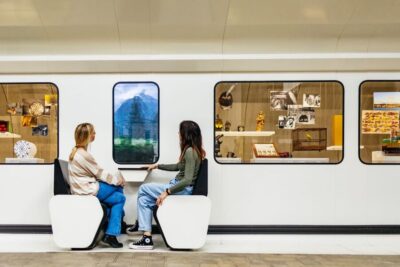 ★ 4.5Science and Technology Leonardo da Vinci Museum EntryFrom $157,169 reviews
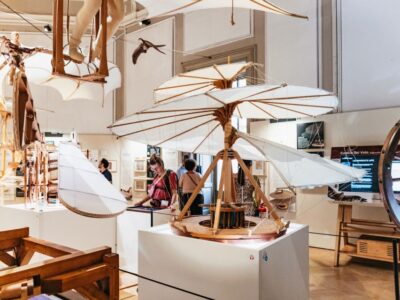 ★ 4.4Leonardo3 The World of Leonardo Museum Entry TicketFrom $183,241 reviews
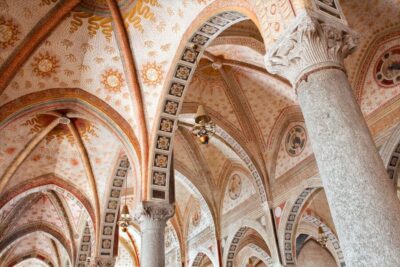 ★ 4.4Da Vinci’s Last Supper & Milan Sightseeing TourFrom $1121,997 reviews
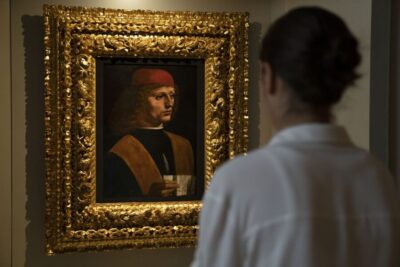 ★ 4.6Pinacoteca Ambrosiana & da Vinci Codex ExhibitionFrom $211,816 reviews
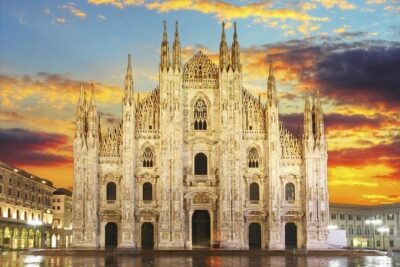 ★ 4.5Best of Milan Experience Including Da Vinci’s The Last Supper and Milan DuomoFrom $1141,516 reviews
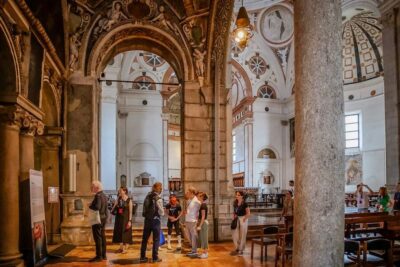 ★ 4.6Guided Tour of Leonardo da Vinci’s ‘The Last Supper’From $931,281 reviews
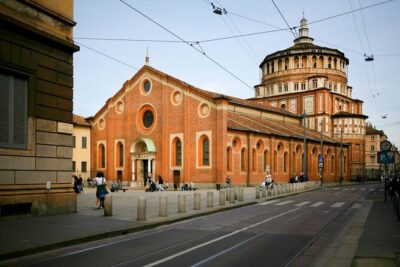 ★ 4.6Leonardo’s Last Supper Guided Tour685 reviews
Browse the lists this tour appears in