Review · MILAN
Sato Code Escape Room across Monza
Monza turns into your puzzle playground. Sato Code is an outdoor, English-friendly escape game where you hunt through Monza’s city center for clue symbols, codes, and cryptic messages that build toward one final solution. I like that it mixes real streets with a game app, so you are not just reading signs, you are actively figuring things out.
Outdoor clue hunt and smart team problem-solving are the big wins here.
What I love most is the team structure. You only get part of the information, so you actually have to communicate, compare notes, and hand off tasks like a real crew. The second thing I really like is the pacing, the challenges get harder as you go, which keeps the brain engaged without turning it into a slog.
One possible drawback: some clues are not obvious on first glance. If you prefer puzzles that feel instantly spelled out, you may get frustrated, especially if phones lose signal or you are not ready with internet and a fully charged device.
Key things to know before you play
- Outdoor, city-center route: the game runs from Piazza Carrobiolo toward Piazza Trento e Trieste, and you finish back at the start
- Smartphone required for each person: minimum 2 participants, with one smartphone per person
- Internet on every phone: plan for data, and use a hotspot if needed
- Age recommendation: best for ages 16 and up (not recommended for kids under 16 if unaccompanied)
- English gameplay: the experience is offered in English
- Real-world clues in shops: examples include symbols in a record store or a cryptic message in a pizzeria
How the Sato Code route really plays out in Monza

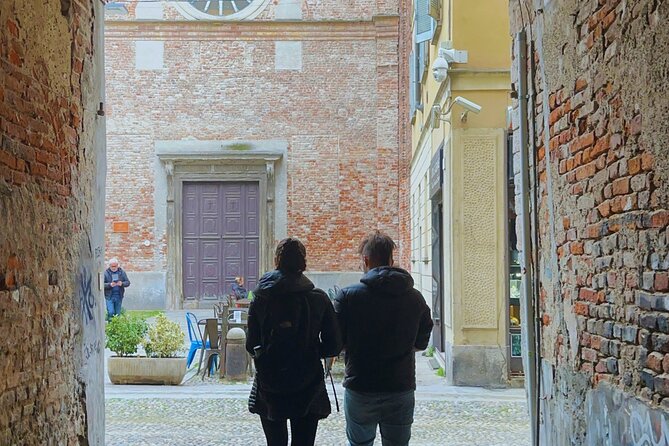
This is not an escape room with walls and a single exit door. It is a city-center walking game that starts at Piazza Carrobiolo in Monza and moves along the area toward Piazza Trento e Trieste. The format is simple in theory: find clues in the streets and shops, crack codes, solve puzzles, then use what you learn to continue. The best part is that it stays tied to the environment around you, so the city feels like part of the game, not just the backdrop.
Plan on about one hour for the whole experience. That one-hour timeframe matters because it keeps urgency alive. You are not wandering aimlessly for half a day, you are solving in sequence, and every delay costs you time. It also means the game is a good fit if you want something active but still easy to fit into a day of sightseeing.
The game ends back at the meeting point, so you do not have to worry about getting stranded across town at the end. If you use public transport, you are also in luck because the meeting point is described as being near transit, so you can arrive without a complicated route plan.
You can also read our reviews of more tours and experiences in Milan.



Clues in the streets and shops, plus the fun of “wait, what?”
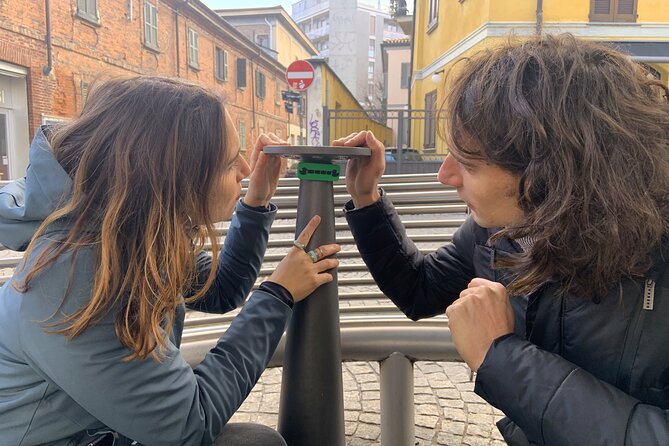
Sato Code works because the clues are placed where you actually walk and look. You are scanning details in storefront areas, following symbols you spot, and decoding messages you find in everyday places. The idea is that each solved part gives you the next piece, and eventually everything clicks into the story’s final direction.
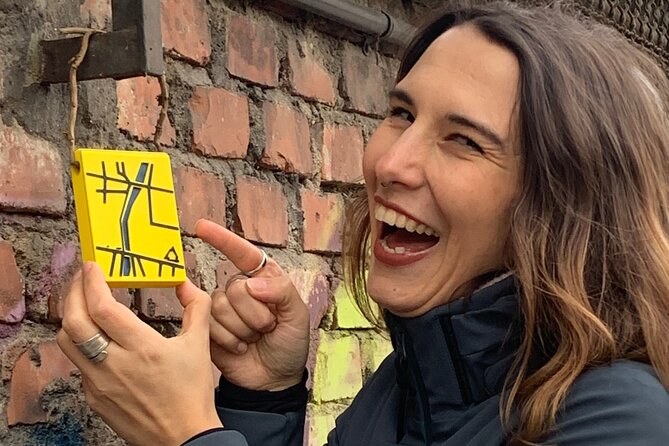
From the game description, you can expect clues that feel like scavenger hunts. For instance, you might uncover hidden symbols in a record store or encounter a cryptic message in a pizzeria. Even if you do not see those exact examples in your round, the approach is consistent: the puzzle elements are integrated into real-world locations you would normally pass by.
This is where you either love it or you do not. If you like puzzles that reward close observation, you will have a good time. If you just want a seat-and-stare challenge, the outdoor format can feel more demanding because you are constantly moving, looking, and coordinating.
The good news is that the city-center walking style makes it naturally social. You are not just texting answers, you are pointing and debating in real time. That tends to be the part that makes the experience feel like a real activity together, not a solo app game.
The smartphone, the app, and how to avoid tech headaches
Here is the practical truth: this is a team game using a smartphone, and it is not optional. The setup requires a minimum of 2 participants, and it is designed for people to work in parallel. You each need your own phone, which also means you each have your own view of what you need next.
Also, internet matters. The additional info is very clear: you need internet required on every phone. If only one person has a connection, use a hotspot so everyone stays online. If you show up with low battery or unreliable data, you risk slowing your team down at the exact moment the puzzles start getting harder.
So I strongly suggest you do two things before you meet:
- Charge your smartphone fully.
- Make sure you have a data plan or a backup hotspot option.
Timing matters too. The activity sends tickets by SMS, and confirmation comes at booking. That means it is smart to have your phone accessible from the moment you arrive at Piazza Carrobiolo. If you rely on switching devices or waiting for Wi-Fi, you will likely waste precious minutes.
One more tip: keep your group organized. When multiple phones are scanning codes and checking the app, it is easy for the team to split into chaos. Agree early on how you will communicate, like who calls out codes, who types, and who checks the app input.
Puzzle difficulty that stays fun for adults and teens
Sato Code is recommended for age 16 and up and explicitly says it is not for unaccompanied younger kids because the puzzles could be too difficult. That lines up with the way it is designed: the game has clue hunting, code cracking, and puzzles that escalate in difficulty.
The result is that the challenge should feel fair if your team can think and talk through problems. The clues are meant to be found, but they are not always designed to be instantly obvious. That is a key part of the fun for puzzle lovers, but it can be a sticking point if you want the experience to feel too easy.
From the feedback pattern, the difficulty seems to land in the sweet spot for many groups. It is challenging enough to feel like a real brain task, but not so hard that people stop having fun. I also like that it is built for teamwork rather than one person being the only “solver.”
If you are planning a birthday, group outing, or a team activity, this is a strong format because it naturally gives everyone a job. Even if one person spots clues faster, another person can decode faster, and the game keeps rotating who contributes.
Walking pace and what to wear in a city-center game

This is a city walking experience, and the description notes a moderate physical fitness level plus the advice to wear comfortable shoes. Even though it is only about one hour, it is not a sit-down activity. You will be moving between clue points, and you will likely be stopping and starting as you compare clues.
In practical terms, dress like you are taking a short city walk with a bit of extra stopping. Avoid brand-new shoes that might rub. If the weather is hot or rainy, plan accordingly, because the puzzles are outdoors in public spaces.
One more thing: because the route goes through the center and finishes back where you started, the pacing stays manageable. You are not looking at a long commute or a marathon day. It is activity plus problem-solving.





Price value: what $11.83 gets you (and what it doesn’t)
At about $11.83 per person for roughly one hour, Sato Code is priced like an affordable group activity rather than a premium indoor attraction. The value comes from three things:
- You get an hour of active teamwork, which is often more memorable than a quick ticketed stop.
- You are exploring Monza on foot as part of the game, so the “walking” feels purposeful.
- You get puzzle variety, because the game shifts between hunt mode (find clues) and solve mode (crack codes).
This is not a luxury experience, and that is fine. You should not expect the comfort level of a fully indoor event. But you also do not pay premium rates for a single-purpose room. If you already plan to be in the Monza center, the cost feels reasonable because you are getting entertainment that uses the city itself.
If you are comparing it to typical indoor escape rooms, the big trade is the setting. You trade temperature control for the chance to see the city in a different way, through clues and story beats tied to street-level locations.
Best practices so your team finishes (and has fun doing it)

To make the hour count, you want to avoid small mistakes that can kill momentum. Here are the best practical moves based on how the game is set up:
- Bring one fully charged smartphone per person. No sharing devices.
- Confirm internet is workable for every phone. Use a hotspot if needed.
- Start with a simple role plan. One person spots and reads clues, another types codes, another checks the app prompts. Rotate if people get stuck.
- Look twice, not faster. Some clues are meant to be found by careful reading or noticing a detail, not by speed alone.
- Wear shoes for stopping. You will crouch or lean to read or inspect small details, so comfort helps.
Also, remember the game is offered in English. If your group is mixed language ability, it still works best when everyone can understand the in-app prompts and puzzle text. You do not need to be a word wizard, but shared language helps teamwork.
Finally, go in with the right mindset. This is not a passive activity. The fun comes from talking, trying, and correcting as a group.
Booking timing, hours, and how to plan your day around it

The operating window listed runs Monday through Sunday from 8:00 AM to 11:30 PM for the listed dates. That wide range makes it easier to slot into your Monza day, whether you are doing morning sightseeing, an afternoon break, or an evening activity before dinner.
The activity length is about one hour, and it starts at the meeting point in Piazza Carrobiolo. Because it ends back at the same spot, it is also simple to pair with a nearby meal or a stroll afterward.
You will receive ticket info by SMS, so it is smart to keep your phone available. Confirmation happens at booking, so you should not need to chase details right before start time.
Should you book Sato Code Escape Room across Monza?
Book it if you want a Monza activity that is active, social, and mentally satisfying. I think it is a particularly good choice for groups who like puzzle logic, enjoy walking, and can handle a smartphone-based game rhythm. The outdoor city-center setup also means you are not trapped indoors, and the clue locations in real shops add extra texture to the experience.
Skip it, or at least rethink it, if your group hates moving around, gets upset when clues are not immediately obvious, or you cannot realistically meet the tech requirements. Since you need internet on every phone and one smartphone per person, it is worth checking your team’s setup before you commit.
If you want something like a traditional escape room but with a Monza street-walk twist, Sato Code is one of the better ways to spend an hour. With comfortable shoes, a charged phone, and a team that likes to solve together, you will likely walk away feeling like you saw more of Monza than you would have on a normal sightseeing pass.
FAQ
Where does Sato Code start and end in Monza?
The game starts at Piazza Carrobiolo, 20900 Monza MB, Italy and ends back at the same meeting point.
How long is the escape game?
Plan on about one hour for the experience.
Is the game available in English?
Yes, the experience is offered in English.
Do we need a smartphone and internet?
Yes. It is a team game and you need one smartphone each. Internet is required on every phone, and you should use your hotspot if only one phone has connection. You should also have charged smartphones.
What age is it recommended for?
It is recommended for age 16 and up. It is not recommended for children under 16 if unaccompanied because the puzzles could be too difficult.
What is the cancellation policy?
You can cancel for free. For a full refund, you must cancel at least 24 hours before the experience’s start time. Cancellation rules are based on local time.