Review · MILAN
Como Area: Pizza Training Experience
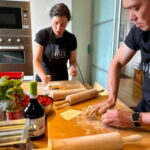
Pizza in Como is a learn-by-doing kind of class. The payoff is real, because you finish with a pizza you made with your own hands, then you sit down to eat it family-style. It is also not a lecture. It is practical craft time guided by a professional baker.
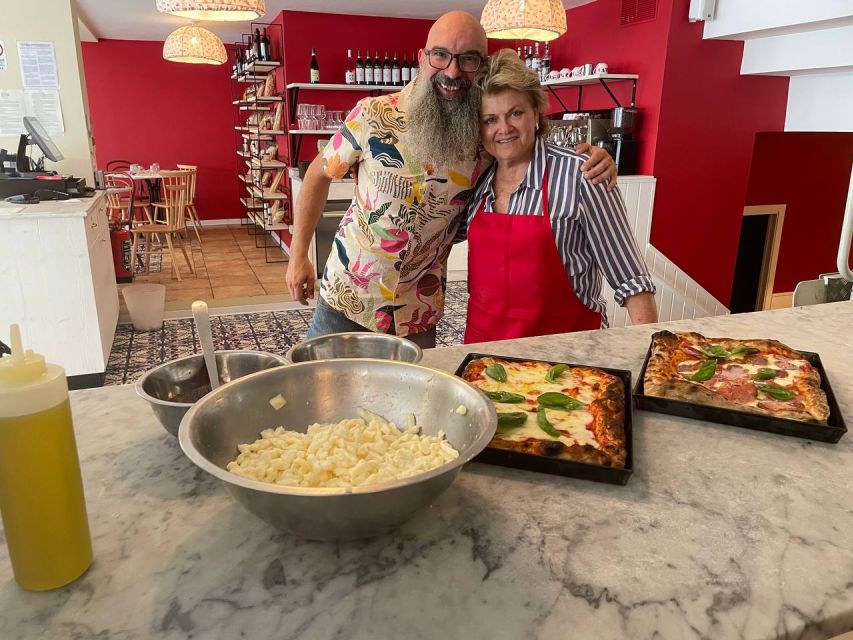
I love two things right away: the hands-on workflow and the small group size that keeps you close to the action. In the room, Chef Francesco and Daniele from Slow Lake Como set the tone with friendly, patient energy, and the whole thing feels built for learning, not impressing.
One consideration: this experience is not suitable for gluten intolerance. If that is you, you will want to skip this one and find a different class that can actually accommodate gluten-free cooking.
Key Things You Will Enjoy in This Pizza Training
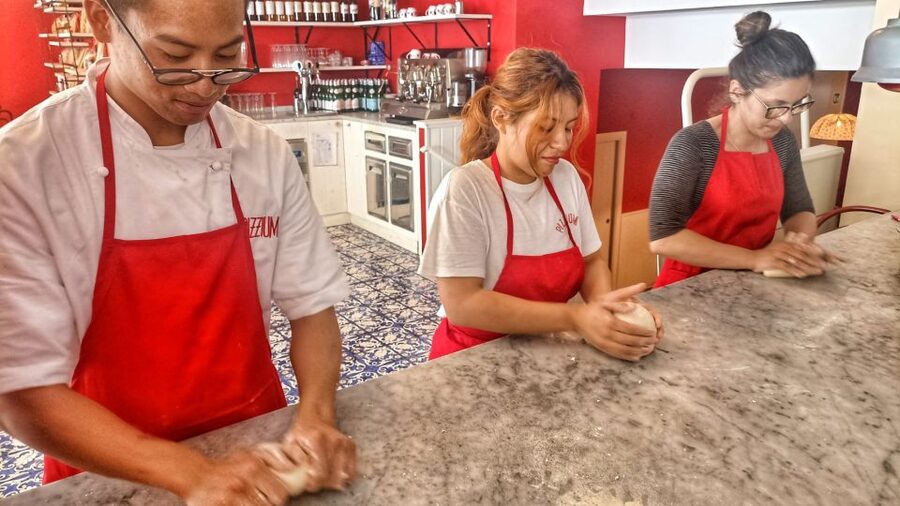
- Master pizzaiolo instruction focused on authentic Italian methods, not shortcuts
- History in small doses so pizza culture makes sense while you work
- Local ingredient focus that helps you understand what goes into a great pie
- Tips and tricks for home you can practice right away after you get back
- Family-style lunch or dinner with the pizza you prepared, so you taste the results fast
A Hands-On Pizza Class Built Around Real Italian Culture
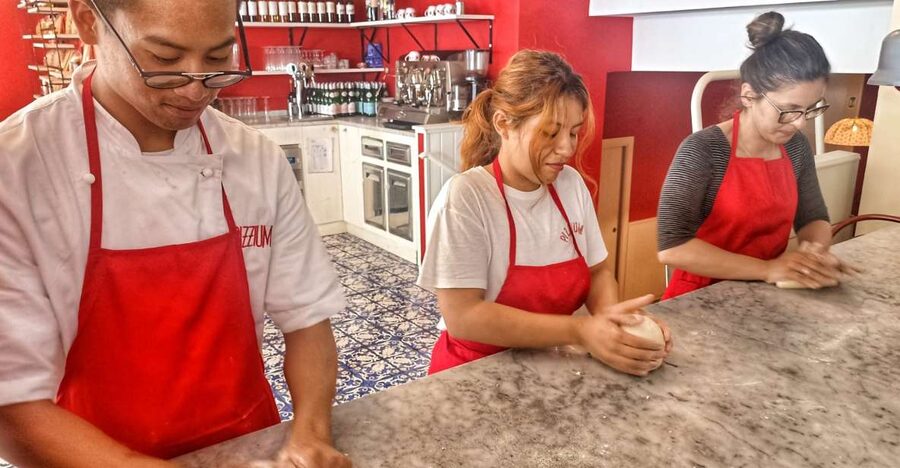
Pizza is not just dinner. In this Lombardy, Italy experience, it is treated like culture, history, and craft, all rolled into a short 2-hour session. You are not only making food, you are learning how pizza connects to local ingredients and a baker’s mindset.
What makes this class especially valuable is the way the teaching supports your future cooking. Many food tours show you a meal and tell you why it matters. Here, you actually practice the steps, then you eat what you made. That sequence helps the lessons stick, because you can immediately compare ideas to results.
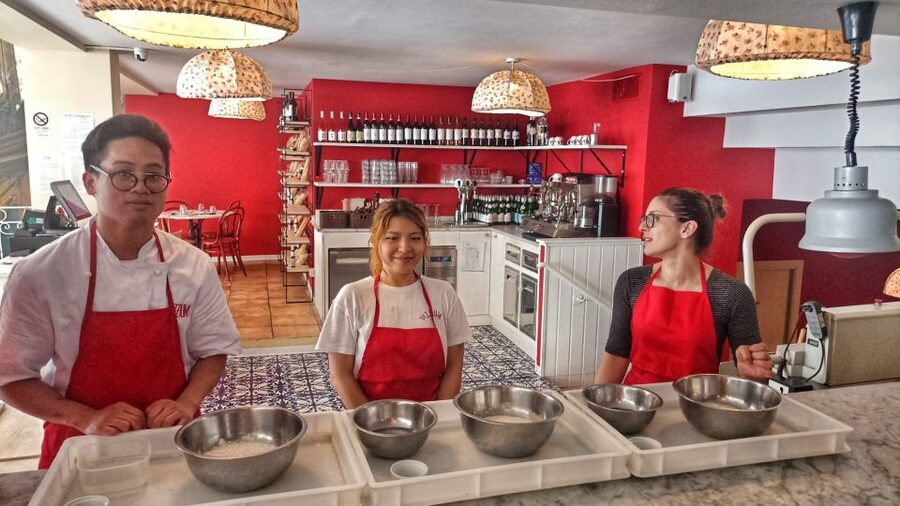
I also like the human scale. With a group limited to 10 participants, you are less likely to feel like you are standing in the back while everyone else works. You get clearer sightlines, faster help, and more chances to ask questions in English or Italian.
If you are the type who learns best by doing, this fits. If you want a deep technical class that turns you into a full-time pizzaiolo, 2 hours is not that. But for most travelers, it hits the sweet spot: enough structure to learn the core technique, and enough fun to leave happy, not rushed.
You can also read our reviews of more tours and experiences in Como.



Meet Chef Francesco and Daniele, and Learn the Pizza Story Fast
A good pizza lesson starts with context. This experience includes a bit of pizza history, guided by a professional baker. The goal is not to overload you with dates and facts. It is to help you understand why certain choices exist, like ingredient quality and dough handling priorities.
That context matters because pizza varies by region and by technique, even within Italy. When you know what people are trying to achieve, you stop chasing random internet tips and start working with intention. You learn to think like a baker: what should the dough feel like, what should the toppings do, and what should the finished pizza taste like.
Then you get the practical instruction. Chef Francesco and Daniele from Slow Lake Como help guide the process in a way that feels approachable. The reviews highlight how nice the people are and how much you learn, and that lines up with the class style: you are working with the instructor, not around them.
Language support is also a plus if you do not speak Italian fluently. The instructor offers English and Italian, so you can follow along without guessing. That reduces frustration, especially when hands-on tasks move quickly.
Ingredient Choices That Actually Help You Cook Back Home
One of the most useful parts of this pizza experience is the ingredient focus. You learn how to select healthy, high-quality ingredients, and you use ingredients sourced from local producers for the class. That is a big deal for value, because the lesson is transferable.
You are not just copying a recipe. You are building judgment. You learn what to look for, what matters, and what changes the finished pizza. Even if your grocery store at home cannot match the exact same local suppliers, the framework will still help you make better choices.
This approach also respects how pizza is connected to the place where it is made. In Lombardy, Italy, the focus on local sourcing gives the class a real-world feel. You see that a pizza is only as good as the inputs, and those inputs come from somewhere specific.
A practical tip you can carry forward: when you shop for pizza ingredients, prioritize ingredient quality over fancy add-ons. This class emphasizes understanding products used in pizza making. So rather than treating toppings like decoration, you learn to treat them like components that affect flavor, texture, and overall balance.
Dough, Shaping, and Cooking: The Skills You Practice Live
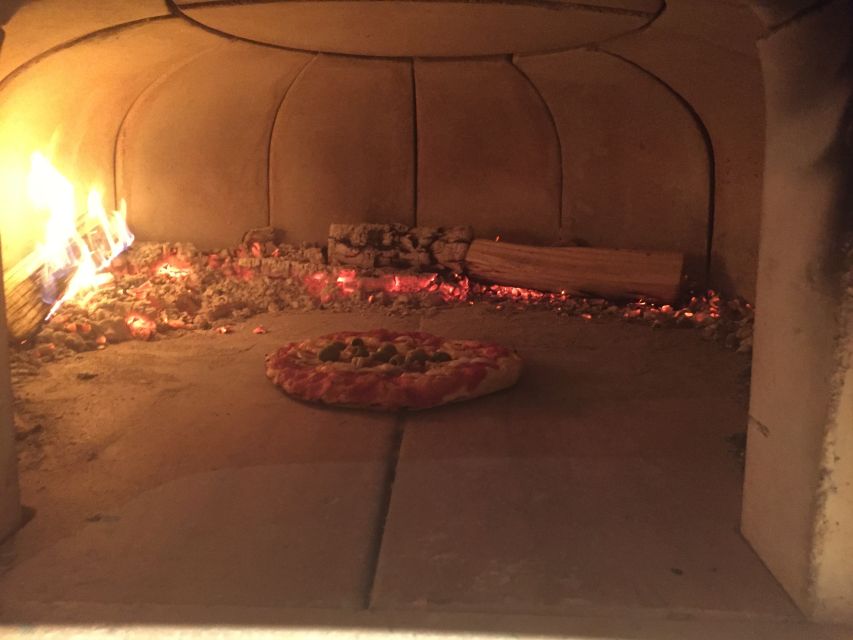
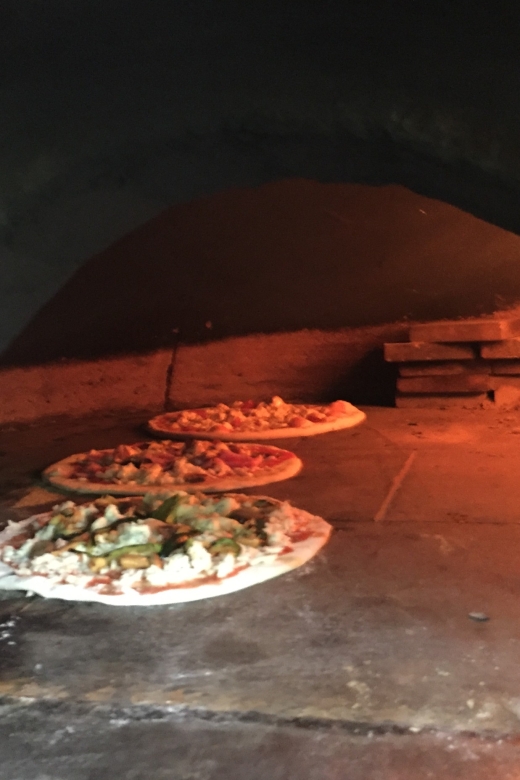
The centerpiece of the experience is making and cooking a traditional Italian pizza with guidance from the professional baker. You will go through the process step by step, from preparing the pizza to having it cooked on-site. Since the class is hands-on, you are not just watching. You are doing the work.
This is where you pick up the real craft skills that most people cannot get from a cookbook. You learn how to handle the dough, how to assemble the pizza, and how to think about the final result while you work. The best part is that the instructor can correct you in real time.
I find that this kind of coaching saves you from common mistakes. At home, you might overwork dough, apply toppings unevenly, or cook too hot or too long without knowing why things went wrong. Here, you can connect the changes you make to what happens to the pizza.
There is also a cultural angle to the cooking. Traditional Italian pizza relies on a specific approach to timing and balance. You are learning the method, not just the final product. That means you are better positioned to reproduce the results later, not just recreate them once.
And because the group is limited to 10, you likely get more attention during the busiest moments. That matters when dough and toppings are involved, since small differences show up in the final bite.
Toppings and Techniques: Simple Moves, Better Results
Pizza is a classic case where less does not mean careless. In this class, you learn how to prepare a traditional Italian pizza, which usually means you focus on straightforward toppings and solid technique rather than complicated gimmicks.
The experience also highlights tips and tricks for preparing pizza at home. That is important because you will not keep using the same equipment and ovens as the class setting. The value is in learning the principles behind the method, so you can adapt what you have while still getting the pizza closer to the Italian style you tasted.
As you assemble your pizza, pay attention to how the instructor explains ingredient roles. Local sourcing is great, but the more important lesson is that each ingredient has a job. Some ingredients bring moisture. Some add flavor. Others affect how the crust behaves. When you understand that, you can shop and assemble smarter later.
This is where the family-style meal becomes more than a nice ending. You will see how the pizza turned out for your fellow makers too. That shared table makes it easier to notice patterns, like which choices produce a better texture or a more balanced taste.




The Family-Style Meal: Where the Lesson Becomes Dinner
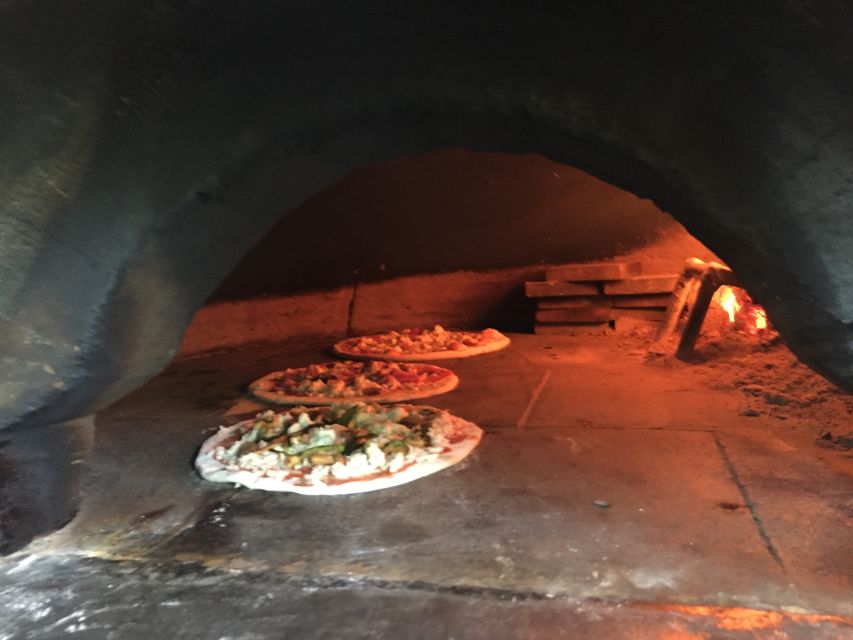
After your pizza is finished, you sit down with your new group and enjoy the meal you prepared. This part is genuinely one of the best features of the experience because it turns learning into immediate reward.
Eating right after cooking helps you connect decisions to outcomes. If the crust came out a certain way, you can think about what you did. If the topping distribution seemed off, you can notice how that affected each slice. That quick feedback loop is exactly what makes short classes effective.
The shared meal also adds a social layer that travel food experiences sometimes miss. With up to 10 participants, you get a more personal dinner than you would in a crowded restaurant. The reviews mention the nicest people and the delicious pizza, and that fits the format: it is friendly, hands-on, and built for conversation around food you made together.
One practical note: this is described as lunch or dinner. So plan your day around it. If you arrive hungry, you will be in good shape. If you are already on a tight schedule, keep the 2-hour duration in mind so you are not late and flustered.
Who This Pizza Training Is Best For in the Como Area
This experience is a strong match for travelers who want more than tasting. If you like learning cooking basics you can actually use, you will likely enjoy the ingredient education plus the live practice.
It also fits couples, small groups of friends, and solo travelers who want a social meal at the end. The small group format makes it easier to talk with the instructor and with each other while you work and while you eat.
You should also consider the language situation. With English and Italian instruction, it works well if you want to follow along without translation gymnastics. The experience also mentions rain or shine, so it is designed to run regardless of weather.
The one clear mismatch is gluten intolerance. Since it is not suitable for gluten intolerance, do not treat this as a gamble. If you cannot have gluten, you will need a different class that can handle gluten-free preparation.
Finally, if you love Italian food culture and want a short, satisfying activity in Lombardy, this delivers a focused experience. It is also ideal if you want a story you can tell later, because you learned not just how to cook pizza, but why the ingredients and method matter.
Should You Book This Pizza Training Experience?
Book it if you want a practical Italian pizza skill in a compact 2-hour format, with a professional pizzaiolo guiding you and a family-style meal at the end. The combination of local ingredients, pizza history in a digestible way, and hands-on cooking makes this feel like real value, not just a fun one-off snack.
Skip it if gluten intolerance affects you, because it is not suitable. Also skip if you are seeking a long deep-technical program. This is focused craft and immediate results, not a full training path.
If you want a friendly class where you learn, cook, and then eat what you made with Chef Francesco and Daniele from Slow Lake Como, this is the kind of experience that leaves you with both better pizza and better confidence.
FAQ
Where does the pizza training take place?
It takes place in Lombardy, Italy, in the Como area.
How long is the experience?
The duration is 2 hours.
What group size should I expect?
It is a small group limited to 10 participants.
Which languages are available for the instructor?
The instruction is offered in English and Italian.
Will I eat the pizza I prepare?
Yes. After your pizza is finished, you sit down for a family-style lunch or dinner with the pizza you made.
Do they cover pizza history and tips for cooking at home?
Yes. The experience includes a little history about pizza and also offers tips and tricks for preparing pizza at home.
What should I bring?
Wear comfortable clothes.
Is it suitable for gluten intolerance?
No. The experience is not suitable for people with gluten intolerance.
Does the class happen if it rains?
Yes. The activity takes place rain or shine.
Is there flexibility with cancellation and payment?
You can cancel up to 24 hours in advance for a full refund, and you can reserve now and pay later (book your spot and pay nothing today).