
Review · MILAN LAST SUPPER TOURS
Milan: Small Group Walking Tour with Last Supper Access
Milan starts with Leonardo, and it is worth it. This tour gives Last Supper access with a tight small group feel, so you’re not elbow-to-elbow when you finally see the mural. I also like how the guide links the big sights to the way Milan actually works today. One thing to plan for up front: you must bring a valid picture ID, because ticket validation is required for The Last Supper.
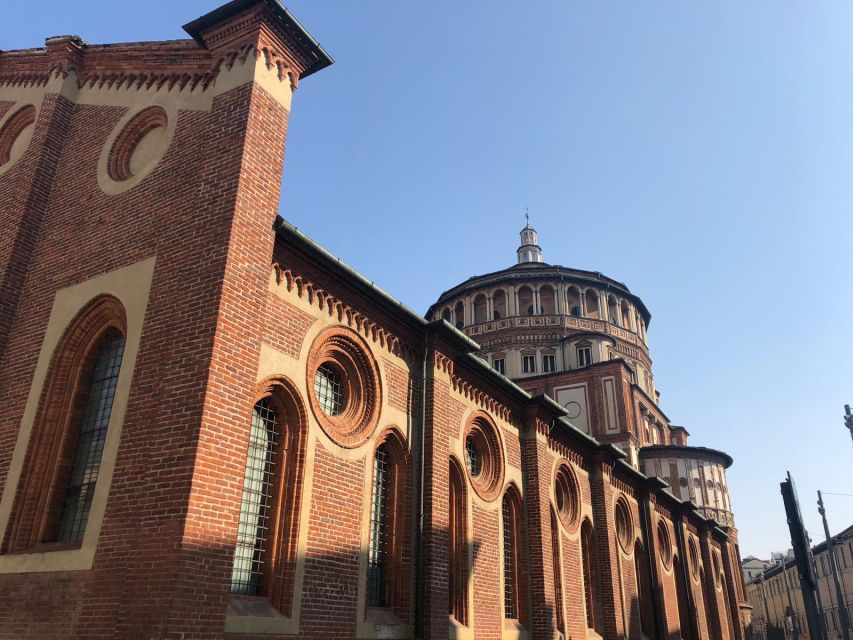
What makes this walk feel special is the mix of art, money, and clever architecture in one smooth loop. You’ll move from Santa Maria delle Grazie to the fresco-packed San Maurizio al Monastero Maggiore, then on to Piazza degli Affari for the city’s financial heartbeat and the story behind Maurizio Cattelan’s L.O.V.E. (the sculpture locals call Il Dito). The guide you get matters too, and past groups highlight guides like Barbara, Larissa, and Elisa for clear explanations that make the stops click fast.
Key highlights at a glance
- Skip-the-line Last Supper entrance, with a separate entrance and a small room setup
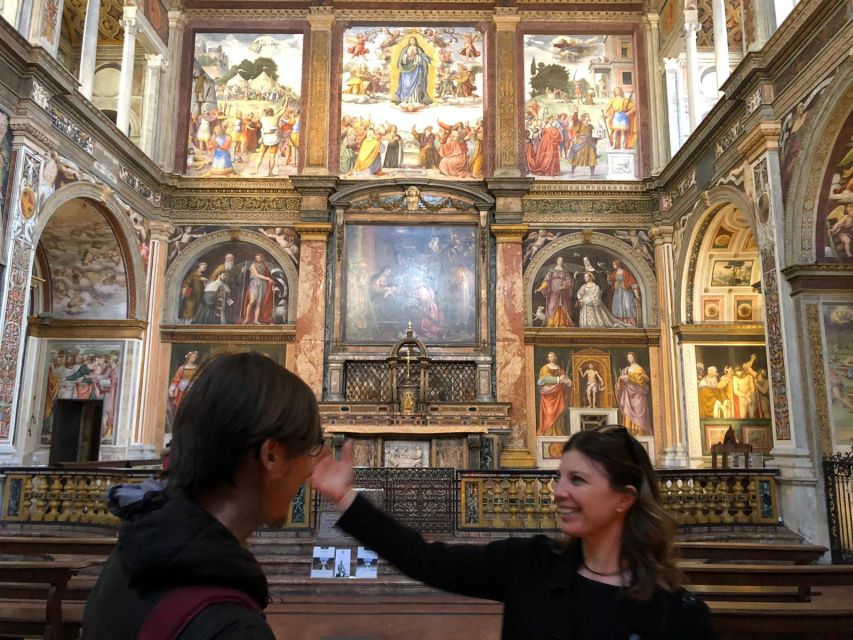
- San Maurizio al Monastero Maggiore frescoes, including 16th-century work across walls and ceiling
- Piazza degli Affari context, from 1808 beginnings to the L.O.V.E. sculpture story (Il Dito)
- Bramante-designed San Satiro, famous for its forced perspective trick
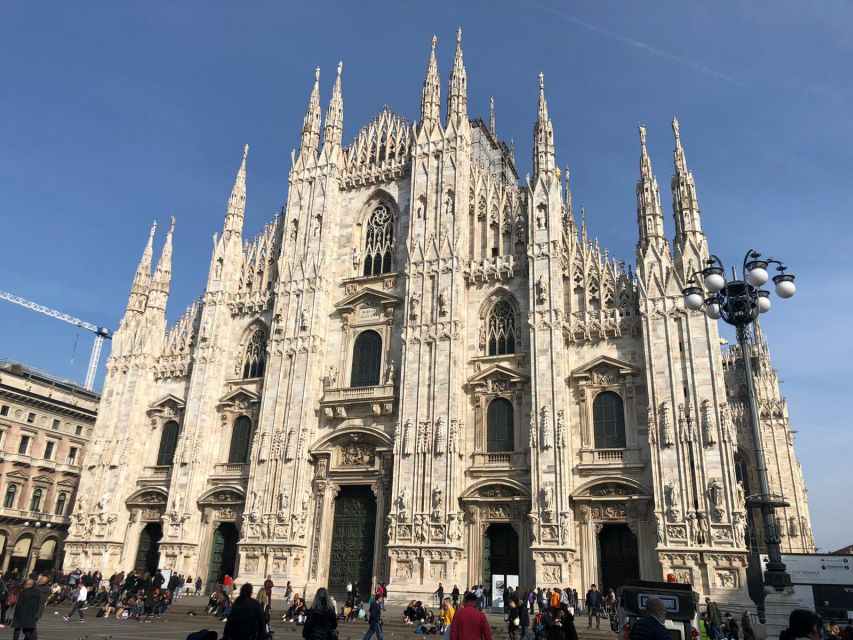
- Duomo di Milano at the end of the route, including exterior admiration from Piazza del Duomo
- A local café coffee tasting stop, which breaks up the walking nicely
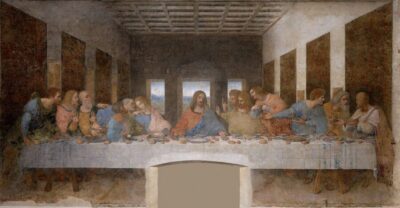
The real star is The Last Supper ticket access
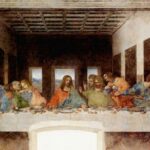
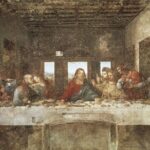
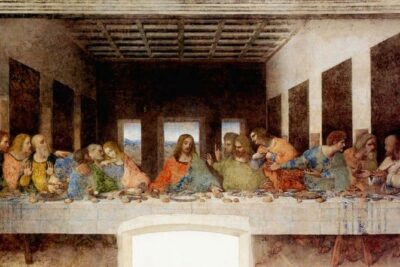
Let’s be honest, most people come to Milan for two reasons, the Duomo and The Last Supper. The Duomo is public, the Last Supper is timed and ticketed. That’s why this tour’s main value is not just seeing Leonardo da Vinci, it’s seeing Leonardo da Vinci with reserved entrance and skip-the-line handling through a separate entrance.
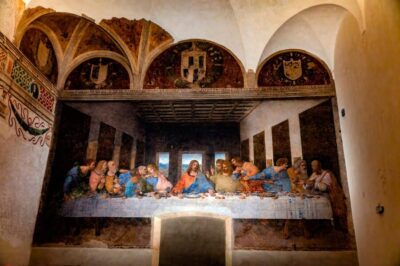
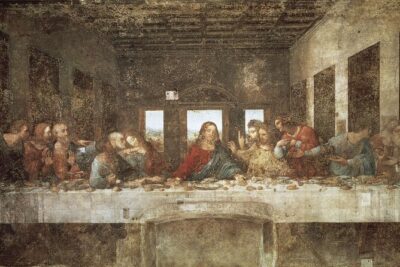
Inside, the experience works because the room is controlled. You’re not trying to interpret details while standing in a crowd. You get enough time to look at composition, figures, and the sheer scale of da Vinci’s mural, without the chaos that can happen when people arrive without a plan. If you love art, you’ll appreciate how the guide gives you a way to look, not just a place to look.
If you’re more casual, this still works. The Last Supper is famous for a reason, and a short, guided format keeps it from turning into a long, slow museum slog. You get the hit, then you keep moving through Milan instead of getting stuck in one building.
You can also read our reviews of more walking tours in Milan
Meeting point rules, and why your ID is not optional
You meet at the Last Supper box office area in Piazza Santa Maria delle Grazie. That’s where the tour’s real admin starts, because all participants need a valid picture ID. The tour info is clear: either the original document or a photocopy works.
This matters because ticket validation is part of getting into the building. If you forget your ID, you can’t count on being able to fix it on the spot. So, before you leave your hotel or apartment, do a quick check like you would for airport security.
Another small tip: when booking, the operator requires full names for ticket administration. That’s normal for timed attractions, but it’s easy to mess up if you cut corners when entering names. Double-check spellings and spacing now, and you’ll save yourself stress later.
Santa Maria delle Grazie, plus how the guide helps you see it right
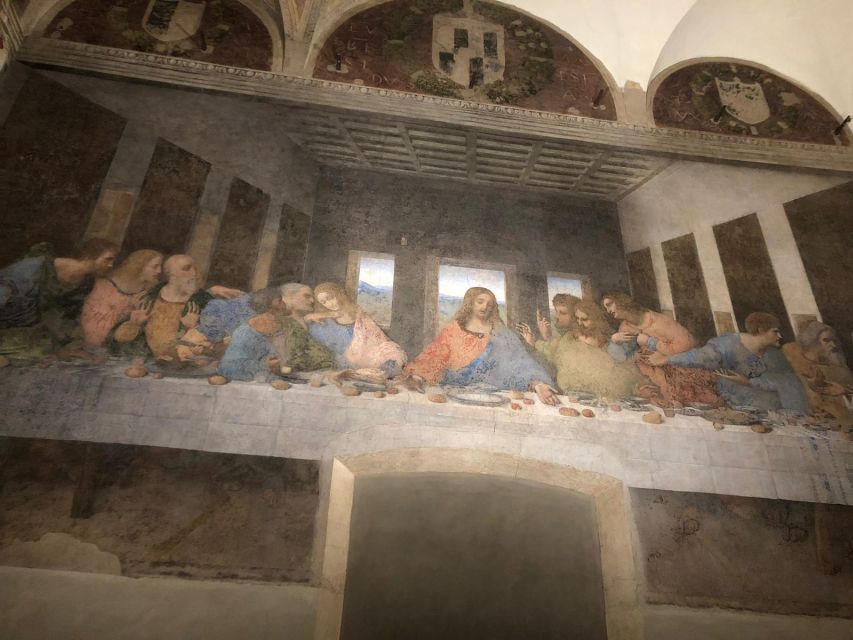
Your tour begins at the Convent of Santa Maria delle Grazie, home of Leonardo da Vinci’s The Last Supper. Expect a guided visit that gets you from the arrival moment into the looking part quickly. The guide’s job here is practical: they help you understand what you’re seeing, so you’re not just staring at famous faces.
What I like about this setup is the pacing. You don’t linger in a lecture mode, and you don’t get rushed either. You’re guided into the right mindset, then you have time to take in the mural’s details. That balance is what makes the experience feel intimate even though the attraction is world-famous.
One more advantage of a small group: you can actually hear the guide. With six people or fewer, questions and explanations land better. It’s easier to follow along, especially if you’re not used to art history language.
San Maurizio al Monastero Maggiore: frescoes that feel unreal
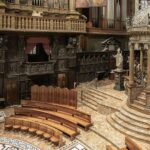
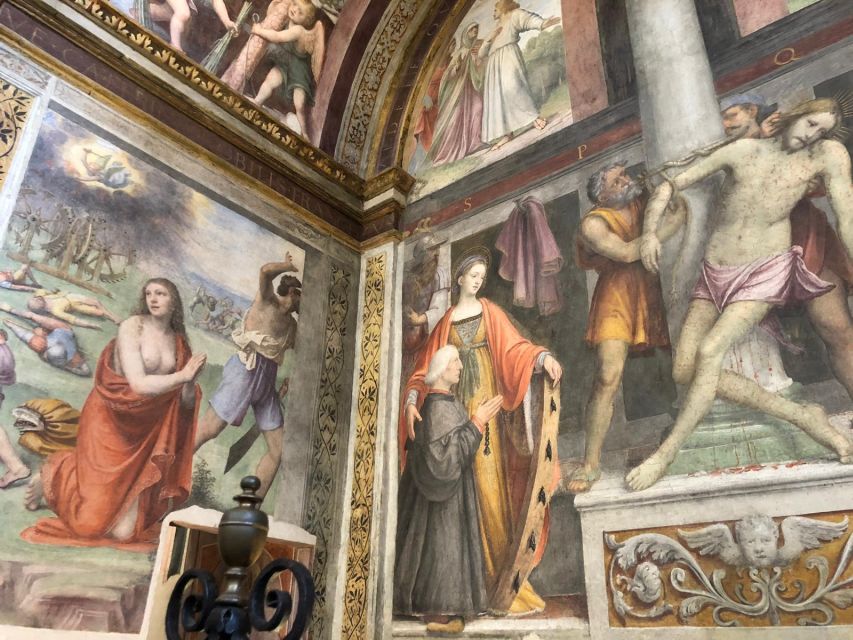
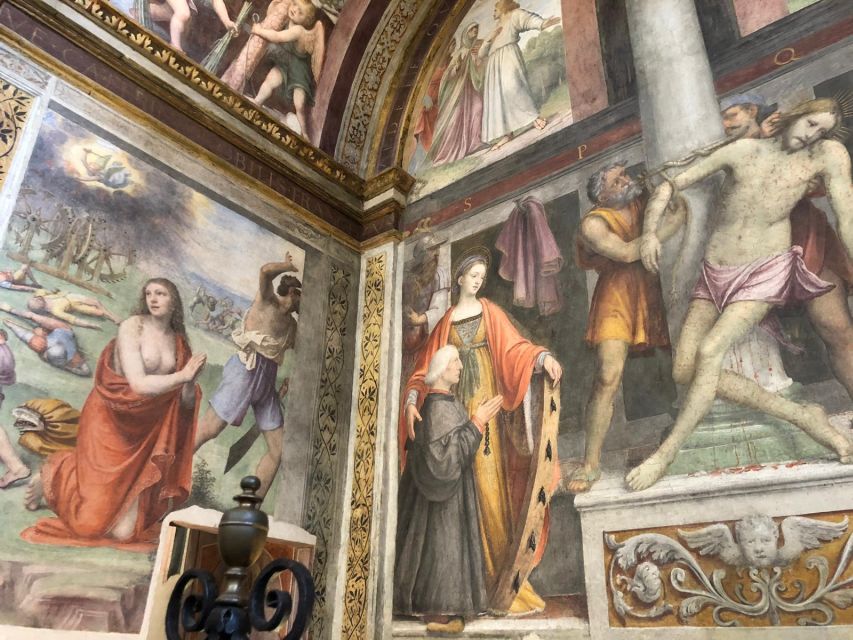
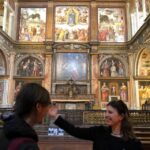
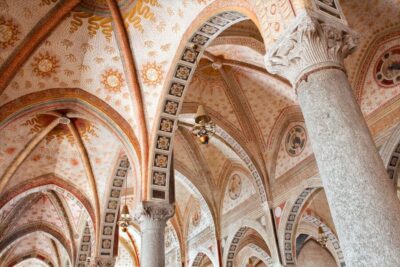
After Leonardo, the route moves to San Maurizio al Monastero Maggiore, a church known for spectacular 16th-century frescoes across the ceiling and walls. This stop changes the mood in a good way. If The Last Supper hits you with one monumental image, San Maurizio showers you with painted detail.
The guide also connects the church to Santa Caterina and how her stories helped inspire chapels inside the church, plus the role of Luini frescoes. That context matters. Without it, you might admire the artwork but miss why certain elements exist.
There’s a reason this church gets compared to the Sistine Chapel of the north. The point is not that it’s the Vatican, it’s that the ceiling-and-wall approach can feel overpowering. In a short tour format, you’re still able to feel that intensity, not just skim it.
Drawback to consider: because frescoes cover a lot of surfaces, you’ll want to keep your eyes up and your neck flexible. If you have mobility limits, you might want to go in with realistic expectations about viewing angles.
Coffee break plus Piazza degli Affari: Milan’s money and mischief
Next comes a local café stop with a guided touch and a coffee tasting. I like this part because it turns the walking tour from a nonstop sprint into something more human. You get a short reset for tired legs and also a moment to pause and regroup before the final stretches.
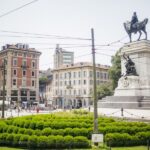
Then you head to Piazza degli Affari, the financial district of Milan. This is where the tour does something smart: it explains Milan as a living mix, not just a list of landmarks. The guide talks about how the area’s beginnings trace back to 1808, and then pulls you farther back to the time of Emperor Augustus to show how long the city has been shaping trade and power.
And then comes the modern spark: Maurizio Cattelan’s L.O.V.E. The sculpture is controversial, and it’s also become a local shorthand, because Milanese people call it Il Dito, the middle finger. You’ll see how public art can act like a city’s mood ring. One minute it’s finance and architecture, the next it’s a cheeky bit of provocation.
If you only see Milan through postcards, this stop gives you a fuller read. It’s not just fashion and cathedrals. It’s also attitude, money, and the willingness to make art that people argue about.
San Satiro and the Bramante perspective trick
From Piazza degli Affari, the tour continues through Milan’s streets until San Satiro, designed by Bramante. Bramante also designed St Peter’s Basilica in Rome, so this stop lets you connect Milan to the larger Italian Renaissance story.
Here’s why San Satiro is worth your time: it’s famous for its perspective illusion. The church uses a technique that was innovative in its era, creating visual space that feels bigger than you’d expect. Even if you’re not a technical person, you can feel the effect when you’re standing in the right spot.
I like that this part of the tour rewards attention. You don’t just look at the building, you notice how the building manipulates what you think you’re seeing. It’s a “wait, how is that possible?” moment that keeps the tour from becoming only a parade of famous names.
Practical note: churches often have uneven surfaces and limited sightlines. Take your time, especially if you’re photographing. Small groups help here too, because the guide can manage the flow without you losing your view.
Duomo di Milano from Piazza del Duomo: Gothic that took centuries
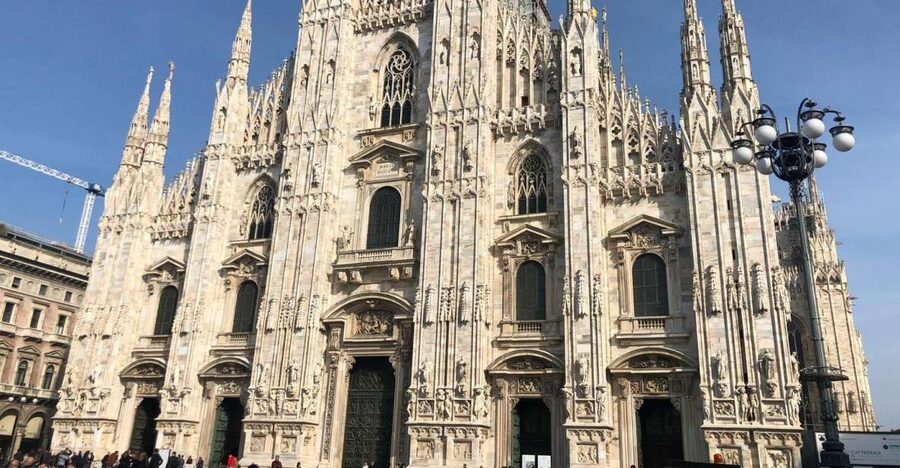
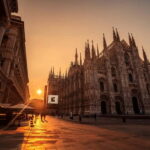
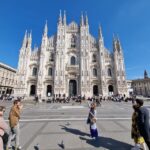
The tour culminates in Milan’s most famous piazza and cathedral area, Piazza del Duomo and Duomo di Milano. This is your final big visual payoff: a grand example of Italian Gothic architecture that took nearly 600 years to finish. The tour also explains that it was built under Archbishop Antonio da Saluzzo, and that the cathedral remains the seat for the Archbishop of Milan.
Even if you do not go inside, the exterior plaza experience is still worth it. The setting lets you see how the Duomo dominates the center of Milan and how the city uses the square as a gathering point. You also get historical context about the old Roman name Mediolanum, linking the cathedral area back to the Roman Empire.
One key drawback to know: entrance to the Duomo is not included. So you’ll likely admire from the piazza and surrounding viewpoints during the tour. If you want the inside, you’ll need to plan that separately.
This is a good place to decide what kind of traveler you are. If you want inside access, you might book another add-on ticket later. If you mainly want the architecture and atmosphere, the tour’s ending still hits the mark.
Price and value: is $191.45 worth it?
At $191.45 per person, this isn’t a budget walking tour. So the value question is simple: what are you paying for?
You’re paying for the Last Supper entrance, including skip-the-line access through a separate entrance. You’re also paying for a professional live guide for the full 3 hours, plus visits to multiple major stops and a coffee tasting. If you tried to DIY this, you’d spend time coordinating timed entry and figuring out what’s worth your attention, and you’d almost certainly lose the small-group, guided “how to look” advantage.
The small group limit of up to six participants is a quiet but important value point. It makes the guide’s explanations clearer, and it generally keeps the walk from turning into a slow-moving queue.
Where value can feel lower is if you already know exactly what you want and you prefer totally independent pacing. In that case, you might do The Last Supper on your own and explore the rest separately. But if you want Milan to feel understandable, not overwhelming, this tour’s structure is a strong deal.
Who this Milan tour suits best (and who might want a different plan)
This works best for you if you want the Milan highlights connected by stories, not just by geography. Art lovers will enjoy The Last Supper and San Maurizio. Architecture fans will appreciate Bramante’s perspective trick at San Satiro. If you like modern culture too, Piazza degli Affari and Cattelan’s L.O.V.E. add a sharp contemporary contrast.
It’s also a good choice if you’re the type who likes a guide to point out what matters. The feedback from past groups consistently emphasizes that the guides, including Barbara, Larissa, and Elisa, are strong at explaining what you’re looking at, in a way that makes the stops easier to understand on the spot.
Consider a different format if you hate walking or if you have limited stamina. This is a walking tour, and you’ll be moving between several sites over about 3 hours. Also keep in mind that Duomo entrance is not included, so you may want to budget time for that separately if you care about interior access.
Quick planning tips for a smoother 3-hour walk
Arrive prepared. The tour depends on timed entry for The Last Supper, and ticket validation needs your picture ID. Wear comfortable shoes, because you’ll be on foot through central Milan.
For the best experience, treat each stop like a short mission: look first, listen second, then look again with what the guide just gave you. That approach makes the art and architecture feel personal instead of just famous.
Also, pack light for the Last Supper stop if you can. You will likely want to keep your hands free for photos and for following the guide.
Should you book this Last Supper and Duomo walking tour?
If you’re visiting Milan for the first time and you want your top sights arranged into a smart, guided loop, I think you should book it. The combination of Last Supper access, a guide who can explain details, and a route that covers more than just one landmark gives you a lot per hour.
Book this tour especially if you value interpretation. You’ll get more than a photo. You’ll understand why each location matters, from the fresco intensity of San Maurizio to San Satiro’s perspective trick, then the long-building story of the Duomo.
If you already planned to visit everything independently and you’re confident managing timed tickets, then you might DIY. But if you want a smoother plan with a small group feel and a guide who makes the key sights make sense, this one is a strong pick for a classic Milan trip.
More Walking Tours in Milan

More Tours in Milan
More Tour Reviews in Milan
Not for you? Here's more nearby things to do in Milan we have reviewed




Milan Last Supper Tours, compared.
 ★ 4.7Da Vinci’s Last Supper Guided TourFrom $7510,143 reviews
 ★ 4.7Guided Walking Tour & Last Supper Visit with TicketFrom $1015,409 reviews
 ★ 4.0Milan’s Must See: Half-Day Tour of Last Supper, Duomo & La ScalaFrom $1304,193 reviews
 ★ 4.7Last Supper Guided VisitFrom $752,854 reviews
 ★ 4.5Milan Duomo & The Last Supper Skip-the-Line Small Group TourFrom $1262,761 reviews
 ★ 4.4Da Vinci’s Last Supper & Milan Sightseeing TourFrom $1121,997 reviews
 ★ 4.5Historic Milan Tour with Skip-the-Line Last Supper TicketFrom $1111,976 reviews
 ★ 4.6Last Supper Entrance Ticket and Guided TourFrom $881,792 reviews
Browse the lists this tour appears in