
Review · WALKING TOURS
Milan: Private or Shared Essential Walking Tour
Milan makes you walk faster. This 2-hour essential highlights tour is a smart way to see the city’s biggest “you have to notice this” landmarks with a guide who connects the architecture to daily Milan life. I especially loved how the guide turns the Duomo into a story you can picture, and how the route threads shopping, opera glamour, and castle power into one practical loop. The only real drawback is that most sights are exterior views, so you’ll want extra time and ticket planning if you want interiors too.
I booked with a group option and the energy matched what I like in a walking tour: clear pacing, lots of stops, and explanations that help you keep your bearings. In particular, guides like Laura and Cristina stood out for mixing facts with an upbeat, organized feel. Just remember this walk is not for everyone, especially if you have motion limits or get uncomfortable on foot.
If you’re short on time but want the city to make sense fast, this tour gives you a solid base for the rest of your days.
Key Highlights I’d Prioritize
- Duomo history in real time, starting from the start, with context for what you’re looking at
- A guided walk that links major palaces like the Royal Palace and Arengario Palace to Milan’s story
- Victor Emmanuel II Arcade, including the fact it was Europe’s first covered shopping mall and still operates as luxury retail
- La Scala and Sforza Castle exterior viewing, with the key ideas you’d otherwise miss if you just stroll
- Professional, multilingual guides (Spanish, English, French, German, Italian, Portuguese, Russian, Japanese), so you can match your comfort level
- Comfortable shoes and light packing, because luggage or large bags are not allowed
First Stop: the Duomo area and five centuries of marble
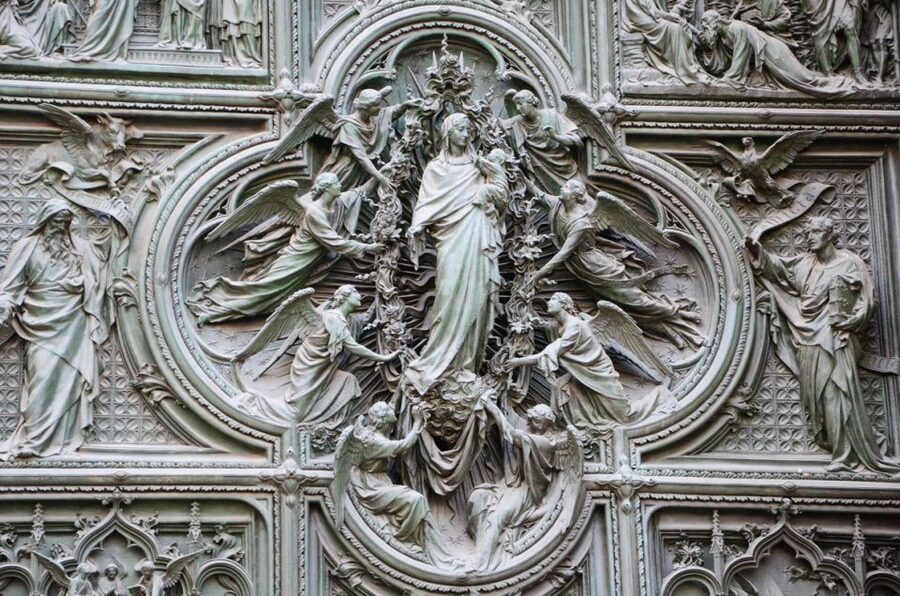
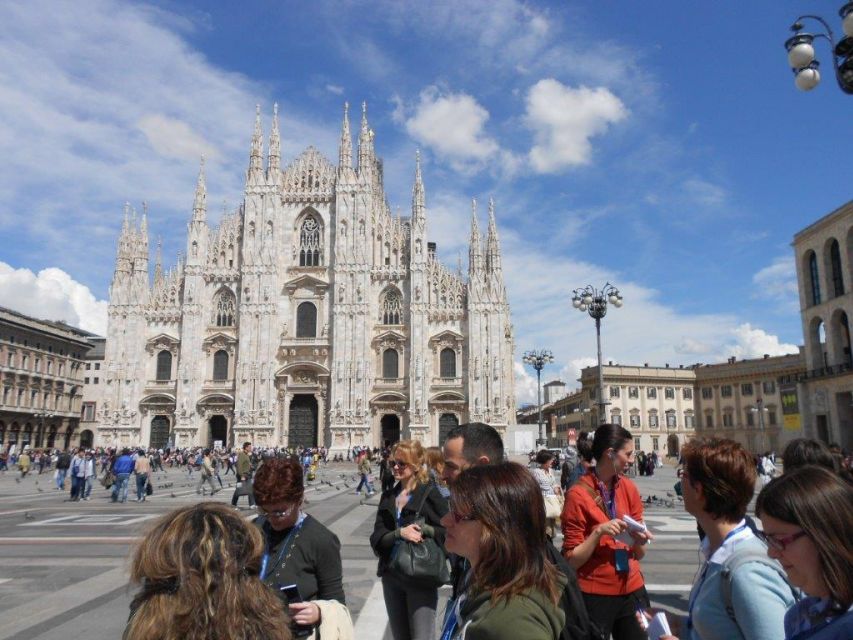
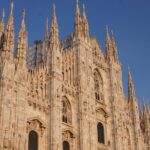
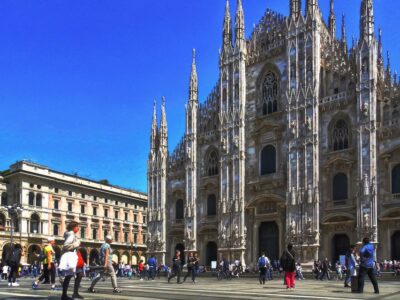
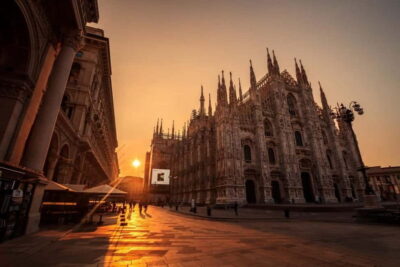
Your tour begins around the Duomo di Milano area, and the guide starts by setting the tone: the cathedral’s story stretches across about five centuries. Even before you get any tickets sorted, you’ll have a mental map of why this building looks the way it does and why people treat it like a city landmark, not just a church.
The key value here is orientation. Milan has plenty of impressive architecture, but the Duomo is the anchor, so once the guide gives you the framework, the rest of the walk clicks faster.
You can also read our reviews of more walking tours in Milan
Royal Palace, Archbishop’s Palace, and Arengario Palace on one route
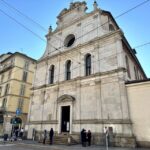
After the Duomo, the walk shifts into a “power and politics” zone. You’ll see the Royal Palace, the Archbishop’s Palace, and the Arengario Palace, at a level of detail that helps you understand what each site symbolized in Milan’s hierarchy.
What I like about this part is that it’s not just name-dropping. You get enough explanation to connect the sites to who held influence, how the city organized itself, and why these buildings matter for how Milan works today.
If you like reading a city like a map, this stretch is where you start doing that.
Victor Emmanuel II Arcade: Milan’s first covered mall still shopping-focused
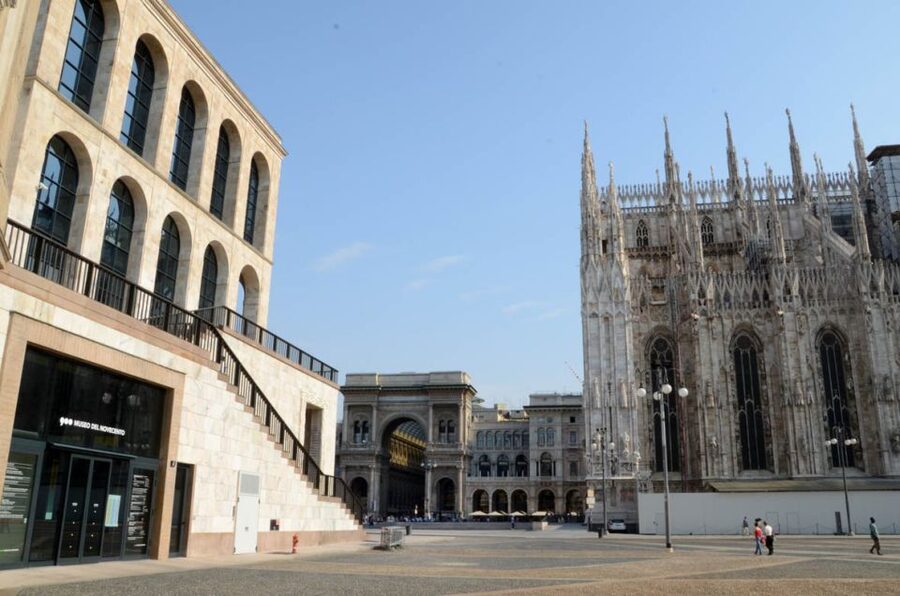
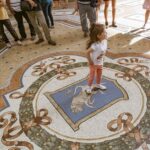
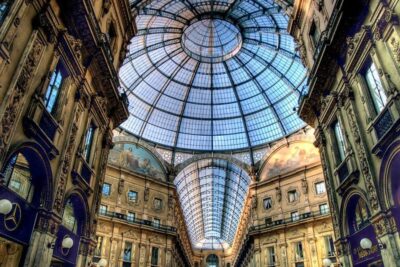
Then you hit one of Milan’s most practical pieces of design history: the Victor Emmanuel II Arcade. This was the first covered shopping mall in Europe, and it’s still a luxury shopping destination, so it hasn’t become a dead museum space.
As you walk through, your guide explains why this arcade changed the feel of city life. You’re basically getting a lesson in how Milan blended commerce, public space, and architecture, all under a roof.
This stop is great even if you are not a hardcore shopper, because it’s one of those places where you can see how the city’s style functions in everyday life.
La Scala exterior views and why the opera matters
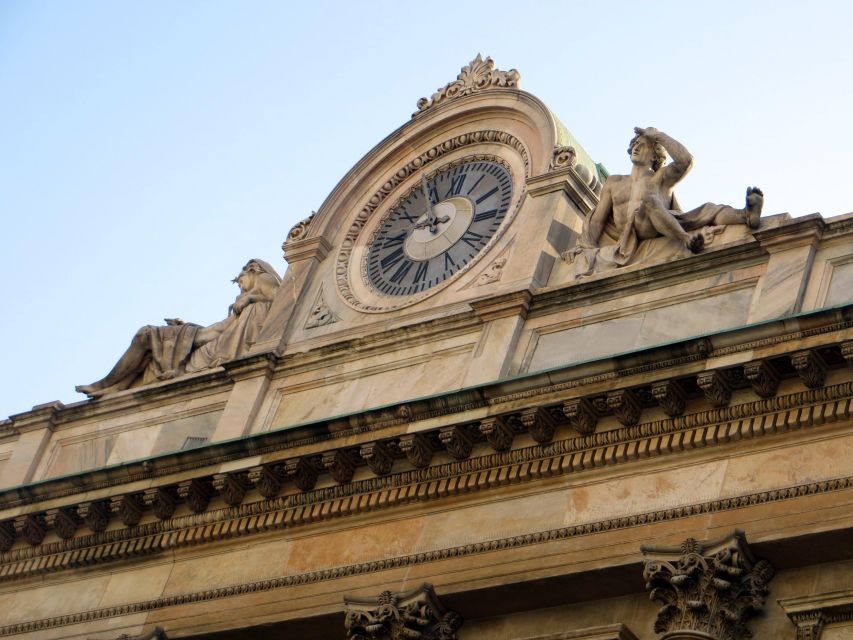
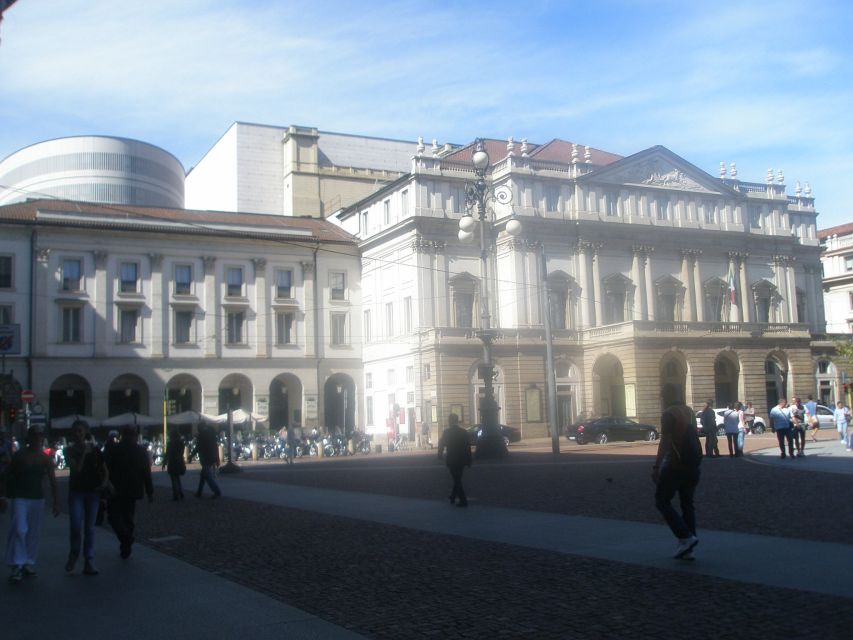
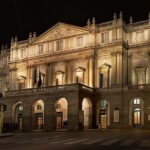
Next comes La Scala, famous worldwide for opera. You won’t be touring the interior during this walking portion, but you’ll see the theater from the outside and get the important background so it lands with meaning instead of looking like just another grand building.
If you’re a culture person, the guide’s job here is to help you understand La Scala as more than a stage. It’s also a Milan identity marker, tied to pride, tradition, and the kind of city that takes the arts seriously.
One heads-up: La Scala-related ticketing is listed as an optional extra (admission fee is €9 per person), and the La Scala Museum is closed on Mondays.
Sforza Castle: the dukes behind the mighty walls
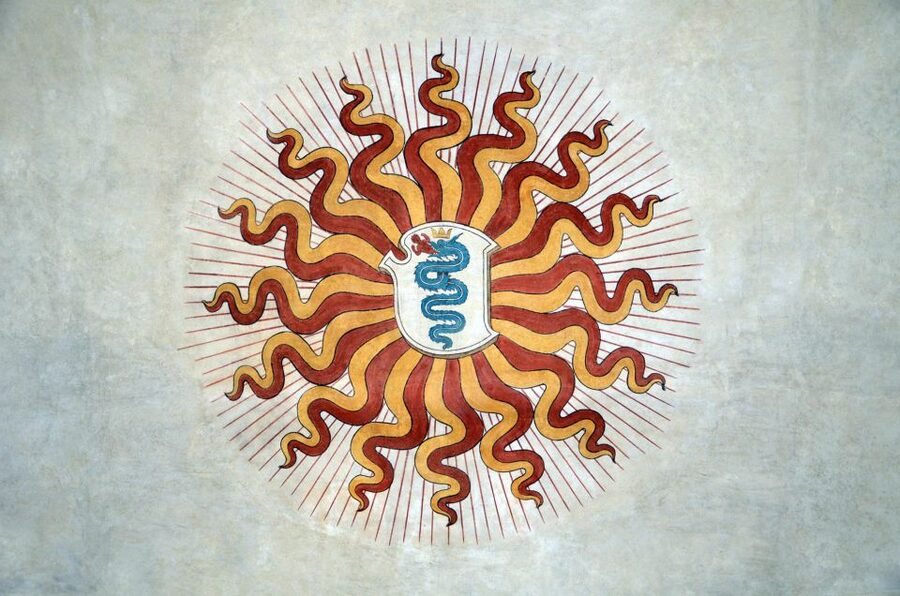
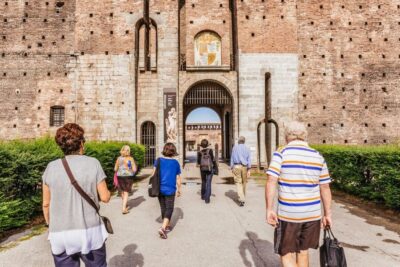
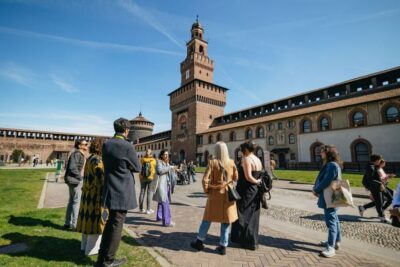
Your final major architecture hit is Sforza Castle. You’ll see it from outside, and the focus is on what the castle represents and the ducal power connected to it.
If you’ve ever wondered why Italian cities feel like they were built by generations, this is where you start feeling it. A castle isn’t just a big stone object. It’s a statement of control, planning, and long-term influence, and the guide helps you read those ideas from the street.
Castle admission is listed as €5 per person if you want to add interior access.
You can also read our reviews of more private tours in Milan

What you actually see: exterior-first, optional tickets if you want more
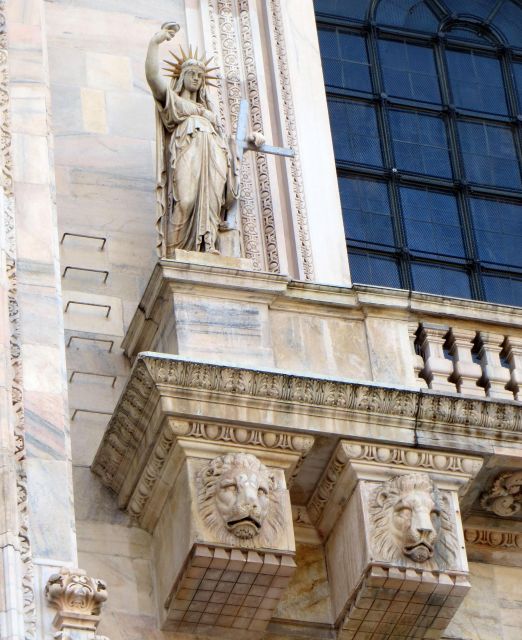
This tour is designed around guided walking, with exterior viewing of the key stops. The format explicitly notes that internal visits and ticketed entry are not included, even though the tour lists admission fees for Duomo basic entry, La Scala, and the castle.
So, how should you think about it?
- If you want a fast overview and great photo angles, you’ll be happy with what’s included.
- If you also want to go inside the Duomo, La Scala, or Sforza Castle, budget extra time and tickets.
That matters because it changes the value. The price covers the guide and the tour, not the experience of entering those buildings.
Price and ticket math: where your money goes
The price is $317.20 per group up to 6, and the duration is about 2 hours. The tour can accommodate up to 25 people, but your booking is priced for a group size up to 6, so it often works well for families or a small group of friends who want control over the pace.
Here’s the practical value calculation if you add the optional admissions listed:
- Duomo basic entry: €5 per person
- La Scala admission: €9 per person
- Castle admission: €5 per person
That’s €19 per person in ticket costs if you add all three listed options.
Also note headphones: they’re available starting at €2.50 per person and are compulsory starting from the 5th person. If your group is close to the top end, plan for that small add-on.
For me, this is a “buy the guide, decide later” kind of deal. You’re paying for a curated walk with context, then you choose which doors you want to open after.
Guide style: short, clear, and built for real walking
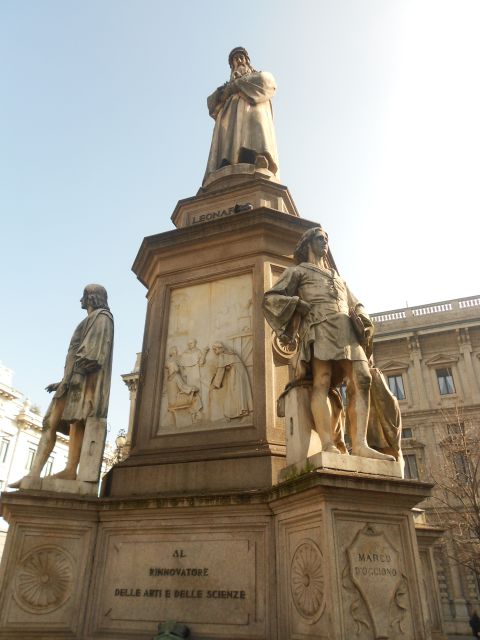
The tour lives or dies by the guide’s pacing. The good signs here show up in the guide names and the way they’re described by people who loved the experience.
Laura and Alexia, for example, are praised for being accommodating and friendly, with strong history storytelling. Cristina is described as having a great balance between passion and clear explanations, plus flexibility for requests. Fiamma is noted for keeping the pace organized and encouraging questions, in a way that helps you feel like you’re learning, not just listening.
One practical takeaway: this is a short tour. If you bring younger teens or people who struggle with long explanations, you might ask the guide to keep things more hands-on and interactive.
Timing, movement, and what to pack in a hurry
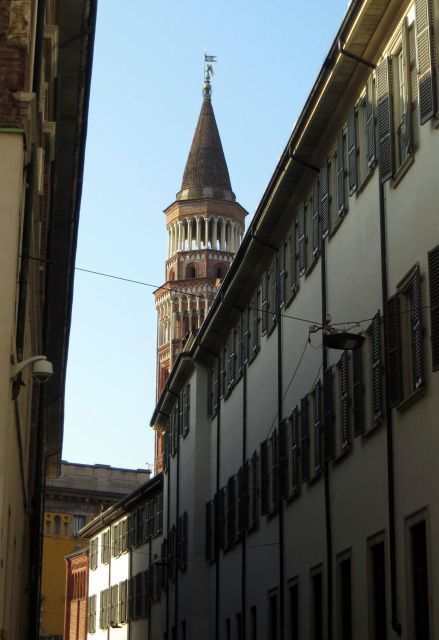
The tour runs for about 2 hours, and starting times depend on availability. It’s also wheelchair accessible, and the tour includes live guidance in multiple languages.
Bring comfortable shoes. And do not bring luggage or large bags, since those are not allowed on the tour.
If you hate waiting in lines, this is still helpful, because the guide gives context while you walk, so you feel like you made use of the time even when you plan ticketed entries separately.
Languages and how to choose your comfort level
You can get the live guide in English, Spanish, French, German, Italian, Portuguese, Russian, or Japanese, with the tour typically conducted in English and other languages possible with advanced notice.
This matters in Milan, because the city rewards attention. If you can follow the explanation without strain, you’ll catch more of the symbolism behind the buildings.
Who should book this Milan walking tour
This tour fits best if you want:
- a solid first-day overview of Milan’s major sights
- a guided route that links religion, royalty, commerce, arts, and power
- a walking experience that helps you understand what you’re looking at, without needing to pre-plan every stop
It may not fit if:
- you have motion sickness or pre-existing medical conditions
- you want fully planned interior visits at each stop
- you’re traveling with a group that needs extra time for slow, detailed museum-style stops
Should you book this tour, or build your own route?
I’d book it if you want the fastest way to get your bearings. Milan can feel like lots of big monuments spaced around busy streets, and this tour helps you connect the dots in a single loop.
I’d consider skipping or customizing if you already plan to focus heavily on interior experiences and you prefer to manage them with timed tickets and a self-guided schedule. In that case, you might still use the guide for orientation, then spend the rest of your day entering what matters most to you.
If you’re undecided, this is the kind of tour that tends to pay off early in the trip, because you’ll know where to go next.
FAQ
How long is the Milan walking tour?
The duration is about 2 hours. Starting times vary based on availability.
What is included in the price?
The price includes the tour and a live guide. Ticketed entrances and meals are not included.
Are tickets to the Duomo, La Scala, and Sforza Castle included?
No. Duomo basic entry is €5 per person, La Scala admission is €9 per person, and Sforza Castle admission is €5 per person. These are listed as optional extras.
Is the tour private or shared?
It’s offered as a private group experience, priced per group up to 6. The tour itself can accommodate up to 25 people.
What languages are available?
The guide can operate in English, Spanish, French, German, Italian, Portuguese, Russian, and Japanese. The tour is conducted in English, with other languages possible with advanced notice.
Is it wheelchair accessible, and is it suitable for everyone?
The tour is wheelchair accessible. It is noted as not suitable for people with pre-existing medical conditions and not suitable for people with motion sickness.
More Walking Tours in Milan


More Tours in Milan

More Tour Reviews in Milan
Not for you? Here's more nearby things to do in Milan we have reviewed






Walking Tours, compared.
 ★ 4.7Guided Walking Tour & Last Supper Visit with TicketFrom $1015,409 reviews
 ★ 4.7Guided Walking Tour with Last Supper Skip-the-LineFrom $1061,143 reviews
 ★ 4.8Da Vinci’s Last Supper and Guided Walking TourFrom $70683 reviews
 ★ 4.8Guided Street Food Walking Tour with Food TastingFrom $58654 reviews
 ★ 4.7Guided Walking Tour with Duomo and the Last SupperFrom $152615 reviews
 ★ 4.5Skip-the-Line Guided Walk and “The Last Supper”606 reviews
 ★ 4.7Best of City Walking Tour with Last Supper TicketsFrom $112359 reviews
 ★ 5.0Milan Highlights and Hidden Gems Private Guided Walking TourFrom $246302 reviews
Browse the lists this tour appears in