
Review · MILAN LAST SUPPER TOURS
Milan: Last Supper and Sforza Castle Tour
Seeing Leonardo up close is a shock. The tour pairs a timed viewing of the Last Supper with an expert-led walk through nearby historic landmarks, so the art and the setting both make sense. I like that it keeps things moving, with just enough time to absorb the details, not just snap photos.
Two things I love are the chance to see the Last Supper from up close with a reserved ticket, and the guide storytelling that connects the painting to the church and the castle. One consideration is the biggest one for this experience: you get only 15 minutes inside for the fresco, and the viewing space is small.
Quick take: what makes this tour worth it
- Timed Last Supper ticket, with a fixed viewing window designed for crowd control
- Expert English-speaking guide who explains what you are seeing and why it matters
- Headsets included, so you can actually hear the stories inside busy areas
- Santa Maria delle Grazie cloister stop, a peaceful contrast to the main refectory visit
- Piazzale Cadorna and walking link, a practical way to connect sites on foot
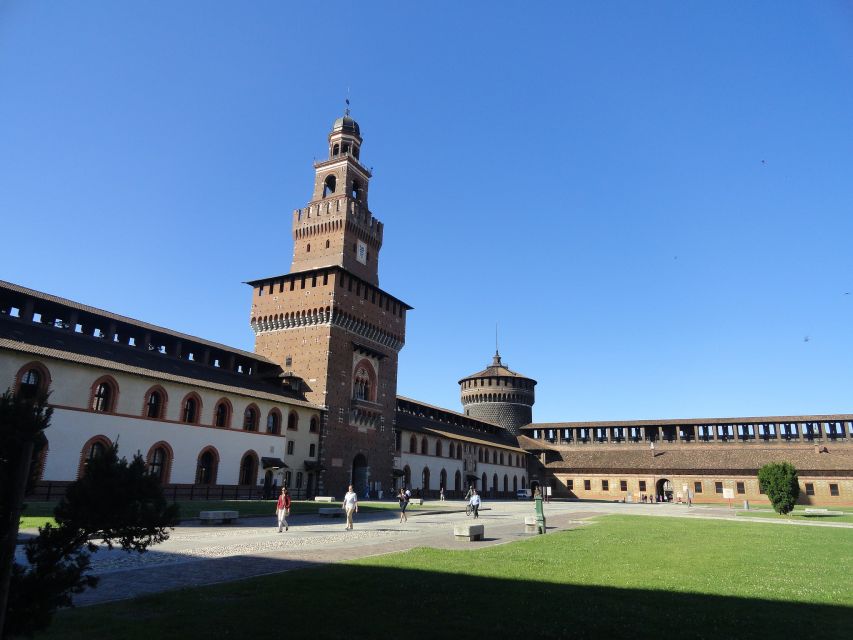
- Sforza Castle exterior only, great for atmosphere, not for museum-hunting
From timed fresco to castle walls: how this tour flows
This is a tight, focused 1.5 hour Milan tour that centers on two headline sights: Leonardo da Vinci’s Last Supper and the Sforza Castle grounds. You meet in Piazza di Santa Maria delle Grazie, then you move through the Santa Maria delle Grazie complex in the same general area before finishing at Piazza Castello. It is a smart structure because the art, the religious setting, and the ruling-family backdrop all sit within a manageable radius.
What makes it feel satisfying is the pacing. You are not stuck wandering alone, and you are not rushed through random stops. Instead, the guide gives you a reason for each location, so the places don’t feel like disconnected checkboxes.
The “small group” effect is more about the reality of the Last Supper visit than any marketing promise. The viewing time is fixed at 15 minutes, and that is because demand is consistently high and the space is limited.
You can also read our reviews of more tours and experiences in Milan.
First stop, Santa Maria delle Grazie refectory: meeting the Last Supper
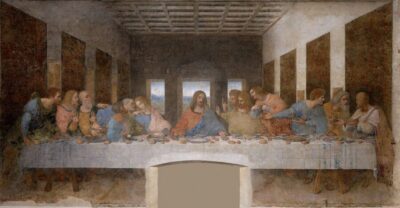
The tour starts where you want to be, at Santa Maria delle Grazie, with the focus immediately on the Last Supper. You receive a ticket as part of the tour, which matters because this fresco is hard to access on your own without a coordinated plan. When your entry window hits, you get that close-up moment people wait their whole trip for.
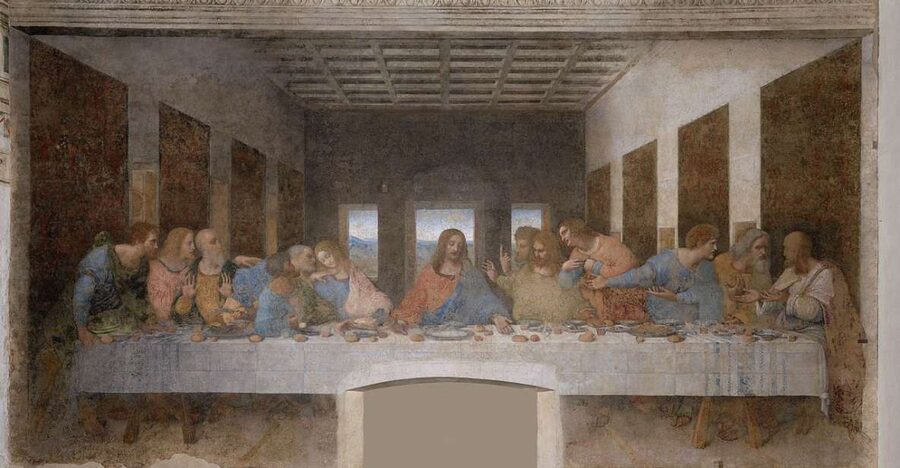
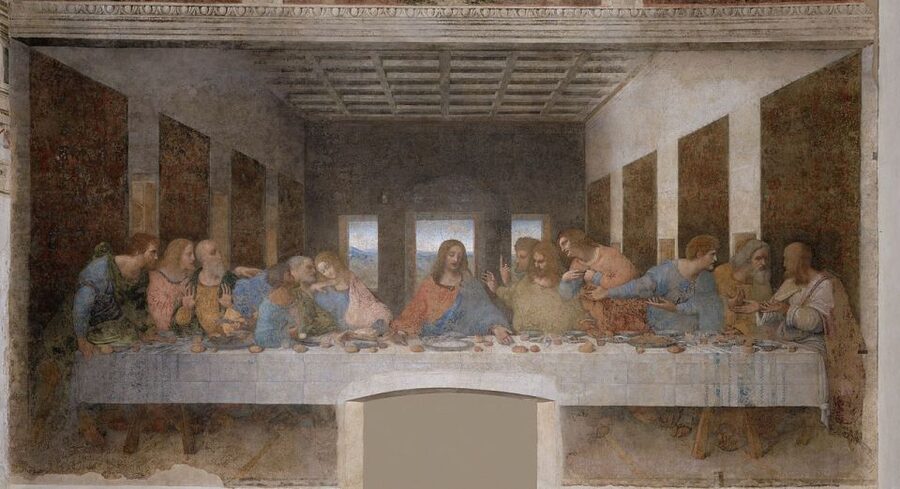
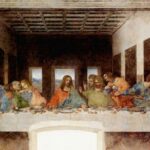
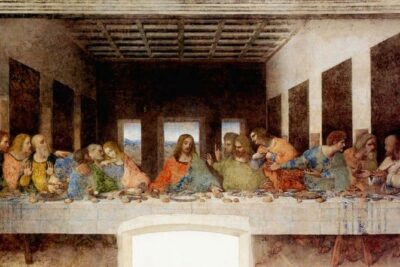
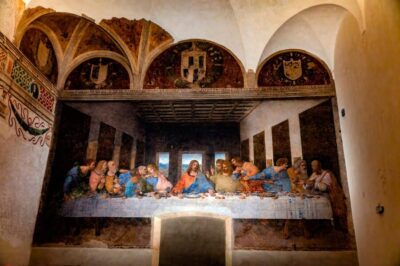
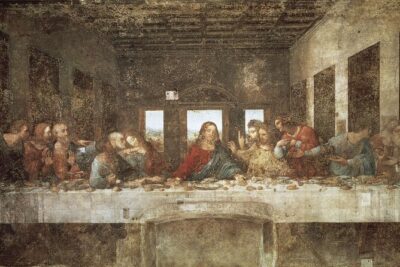
Here’s what to expect during your viewing window. You will spend about 15 minutes seeing the fresco, and you are also going to notice more than you expect once the guide frames the big questions. The art is famous, yes, but it also has layers: how the figures are arranged, how expressions read, and how the setting supports the story.
Even if you are not a hardcore art person, this stop clicks because the scene is built for human attention. You can pick out the reactions between the disciples. You can see how Leonardo’s choices make the moment feel dramatic and immediate. One review described the experience as almost ethereal, standing in the same spot where a master painted centuries ago. That captures the real feeling here, not just the fame.
Why a guide changes everything for Leonardo
The guide component is the heart of this tour’s value. In multiple bookings, the biggest praise is about the storytelling, the enthusiasm, and the calm clarity of explanations. Names you might hear include Marica/Marika, Merika, Valerie, Valeria, Paula, Katarina, and Alexa, and the common thread is how they connect the painting to its Milan setting.
I find it helps to treat the guide as your visual decoder. Leonardo’s choices can feel obvious in hindsight, but at first glance you might only see a stunning image. The guide’s job is to slow your reading down just enough that the fresco becomes a lived scene, not a distant artifact.
You should also expect some practical shaping of your visit: where to look first, what to notice about faces and gestures, and why Leonardo’s approach was so striking in this exact context. That kind of guidance is what turns a timed viewing from a quick look into a real memory.
Santa Maria delle Grazie cloister: a breather between big moments
Right after the refectory stop, you move to the Santa Maria delle Grazie cloister area. This is not the main headline, but it is one of the smartest parts of the tour because it gives your brain a moment to reset.
In the cloister, the mood changes. The view shifts from art-as-event to architecture and quiet space. You get to walk through a softer, calmer area while the guide continues to add context about the church complex. That pacing helps you process what you just saw, instead of letting the fresco hit and immediately disappear.
If you like travel moments that feel reflective and grounded, this is where the tour earns extra points. It is also a good place for questions, because your group is not stuck in that tight, time-boxed viewing rhythm.
Piazzale Cadorna stop: the Milan streets context
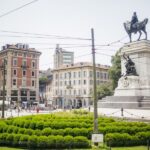
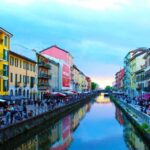
The tour includes a stop at Piazzale Cadorna. This is a practical interlude, a chance to get your bearings in Milan and to connect the church area with the larger historic power center you are heading toward next.
I like this stop because it keeps the experience from feeling like two disconnected attractions. Piazza Cadorna sits in a real lived-in city setting, so you see how these sights connect to modern Milan. It also gives you a pause point before walking toward the castle.
You should expect some street-level atmosphere here rather than a museum-style explanation. The guide uses it to orient you, and that makes the next transition feel natural.
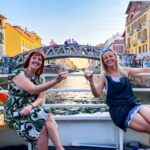
Walking to Sforza Castle grounds: what the 15 minutes buys you
Between the Last Supper area and the castle, you walk for about 15 minutes with your guide. For many people, that is the right length: enough to feel like you are moving through the city rather than being whisked around, but not so much that you are exhausted.
This walk is part of the charm, and it also helps you understand the geography of Milan’s historic core. When you finally arrive at the castle, you are not seeing it from a parking lot view. You are arriving after moving through the same streets context that a visitor on foot would experience.
Wear shoes you trust. Nothing about this tour suggests you need hiking gear, but you do want comfortable footwear because you will be on your feet at multiple points.
Sforza Castle exterior only: the best photo moments and the big story
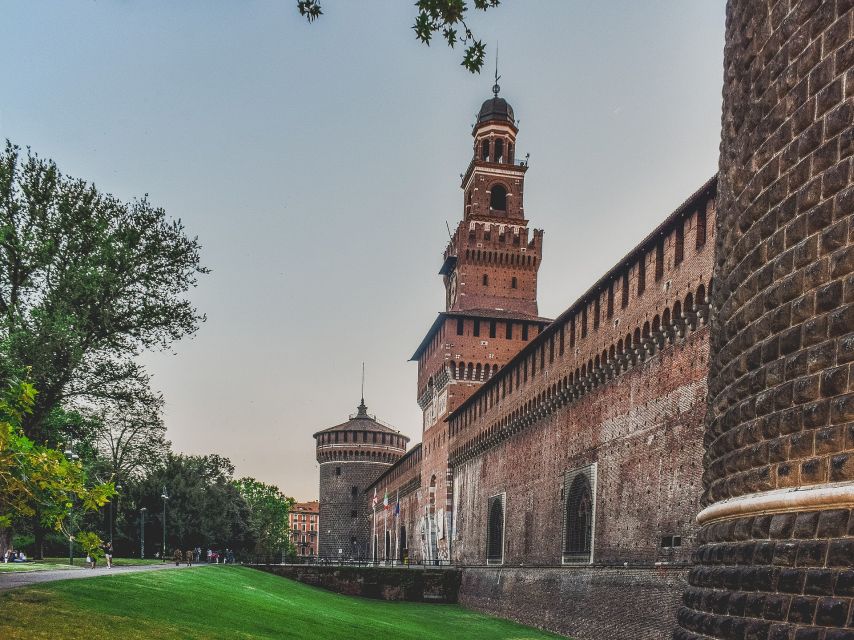
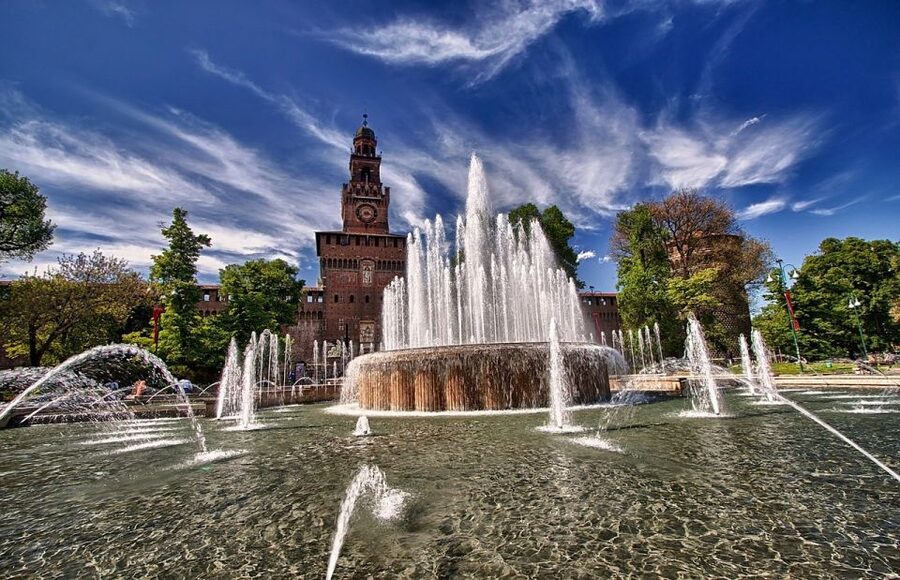
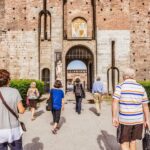
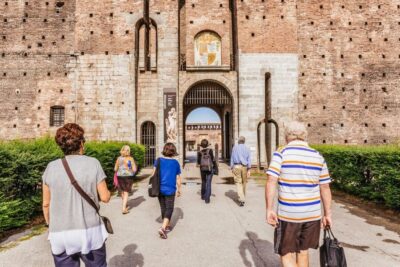
The Sforza Castle portion is focused on the castle grounds and exterior. You get a guided visit of the Sforza Castle area, including admiring the impressive facade and learning about its history. The guide points out details, so you do not just look at walls, you start reading them like a timeline.
One important note: museum entry is not included. That means you will not go inside the castle museums on this tour. If your dream is museum galleries and deeper collection time, you will need separate tickets.
But if you want the feel of power and the sense of place, the exterior experience can be plenty. The castle sits in your mind as a symbol, and guided commentary helps you understand why the family residence matters in the broader Milan story.
The tour ends at Piazza Castello, which is a good finishing point because you can continue on to other sights without feeling trapped back at the start.
Price and value: what $88 really covers
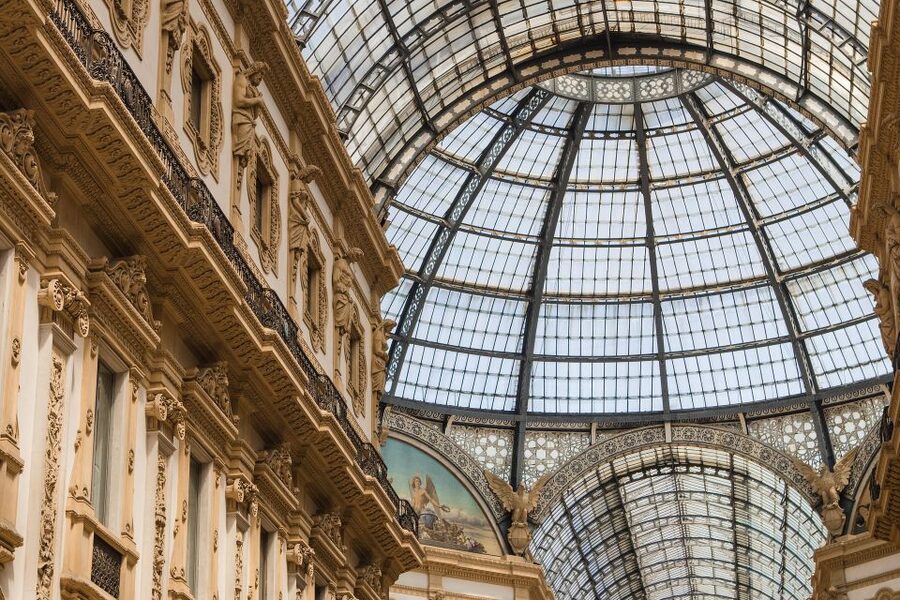
At $88 per person, this tour can feel steep if you only think about the clock. It is 1.5 hours, and the Last Supper viewing is only 15 minutes. So yes, you are paying for timed access and expert handling of a high-demand ticket.
Where the value comes in is in what you get packaged with that ticket. You also receive a guide and headsets, which help a lot in places where noise and echoes can make explanations hard to hear. And you are not just seeing the fresco, you are also getting the Santa Maria cloister, a Milan orientation stop, and castle exterior context.
Also, the reviews hint at a reality many people face: Last Supper tickets can disappear quickly through channels that are not synced to visitor schedules. In that sense, paying for a guided package can be the difference between getting in or waiting for another day.
My take: if Leonardo or the Milan Renaissance setting matters to you, this is a reasonable spend because it turns a hard-to-access ticket into an organized, explained experience. If your main goal is cheap access, you should compare other ways to visit the fresco, because the timed nature and short viewing window are not negotiable.
The guide quality is the real differentiator
The most highly praised aspect across bookings is the guide. People consistently highlight that guides are energetic, articulate, and willing to go beyond the basics. Names that show up in recent feedback include Marica, Merika, Valerie/Valeria, Paula, Katarina, and Alexa, and the consistent theme is strong enthusiasm for both Leonardo and the castle.
A standout detail from one review is how a guide helped with the next leg of the day, working with a driver and even helping someone get to Duomo Cathedral. That kind of extra care is not guaranteed, but it tells you the guides on this experience often take their role seriously and treat the trip like more than just a scripted walk.
If you love tours where you can ask questions and actually get thoughtful answers, this is a good fit. If you prefer silent self-guided sightseeing, you might feel constrained by the schedule and the short viewing time.
Who this tour suits best
This tour is ideal if:
- You want guided context for the Last Supper, not just a quick look
- You like a compact itinerary that hits major Milan landmarks in one go
- You want a plan that deals with a difficult ticket situation
- You are okay with exterior-only castle time and shorter interior museum focus
It might feel less ideal if:
- You want to spend lots of time inside Sforza Castle museums, since those entries are not included
- You plan to linger and take your time at each stop without following the group rhythm
- You are visiting with very limited mobility expectations, because there is still some walking and a fixed timed fresco window
Practical tips so your 15 minutes feels like 50
Because the fresco viewing is short, you want to show up ready to see. Here are a few strategies that fit this exact style of tour:
- Arrive with time to spare at the meeting point in Piazza di Santa Maria delle Grazie so you do not feel rushed during check-in.
- Use your first moments to scan faces and gestures before focusing on smaller details. The scene reads better when you get the overall arrangement first.
- Bring your ID, since the tour requires a passport or ID card.
- Plan your day with breathing room after the finish near Piazza Castello. You will likely want to keep exploring, grab a snack, and process what you saw.
If you do these small things, that 15 minutes turns into a focused, satisfying experience rather than a rushed photo sprint.
Should you book this Milan Last Supper and Sforza Castle tour?
Yes, I would book it if your top goal is to see Leonardo’s Last Supper with a ticket and guidance that actually helps you understand what you are looking at. The combination of the timed viewing, the Santa Maria delle Grazie cloister stop, and the guided Sforza Castle exterior gives you more than a one-sight visit in a manageable, compact time frame.
Skip it only if you specifically want Sforza Castle museums included, or if you know you do not care for guided explanations. In that case, the short viewing window can feel limiting. But for most people chasing that iconic Milan moment, this is a strong, organized way to do it.
More Tours in Milan
More Tour Reviews in Milan
Not for you? Here's more nearby things to do in Milan we have reviewed


Milan Last Supper Tours, compared.
 ★ 4.7Da Vinci’s Last Supper Guided TourFrom $7510,143 reviews
 ★ 4.7Guided Walking Tour & Last Supper Visit with TicketFrom $1015,409 reviews
 ★ 4.0Milan’s Must See: Half-Day Tour of Last Supper, Duomo & La ScalaFrom $1304,193 reviews
 ★ 4.7Last Supper Guided VisitFrom $752,854 reviews
 ★ 4.5Milan Duomo & The Last Supper Skip-the-Line Small Group TourFrom $1262,761 reviews
 ★ 4.4Da Vinci’s Last Supper & Milan Sightseeing TourFrom $1121,997 reviews
 ★ 4.5Historic Milan Tour with Skip-the-Line Last Supper TicketFrom $1111,976 reviews
 ★ 4.6Last Supper Entrance Ticket and Guided TourFrom $881,792 reviews
Browse the lists this tour appears in