
Review · WALKING TOURS
Milan: Design and Fashion Walking Tour
Fashion in Milan starts with a scandal.
On this Milan Design and Fashion Walking Tour, I like how it mixes designer shopping with story stops, especially the San Vittore Prison segment tied to the Lady Gucci tale. I also love that you get actual time inside design and vintage shops, not just street photos. One watch-out: this is a fashion-and-design route, so if you want museums only, the shopping stops might feel like the main event.
You meet your guide next to Fontana dei Tritoni, then spend about 3 hours walking between Milan’s Navigli and Brera districts and key fashion-adjacent landmarks. I like that you can choose a group tour or go private, which matters a lot if you already know Milan well and want sharper recommendations.
Key points that make this tour worth your time
- Story-driven start at San Vittore Prison, focused on the Lady Gucci controversy
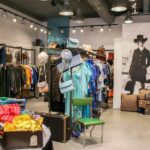
- Hands-on browsing at vintage and design stores, not just sightseeing
- Navigli to Brera walking route that keeps the pacing manageable for 3 hours
- Vintage fashion focus at Cavalli e Nastri in the Brera area
- Two chances to shop there since Cavalli e Nastri Brera appears twice in the schedule
Entering Milan’s Design Mood at Fontana dei Tritoni
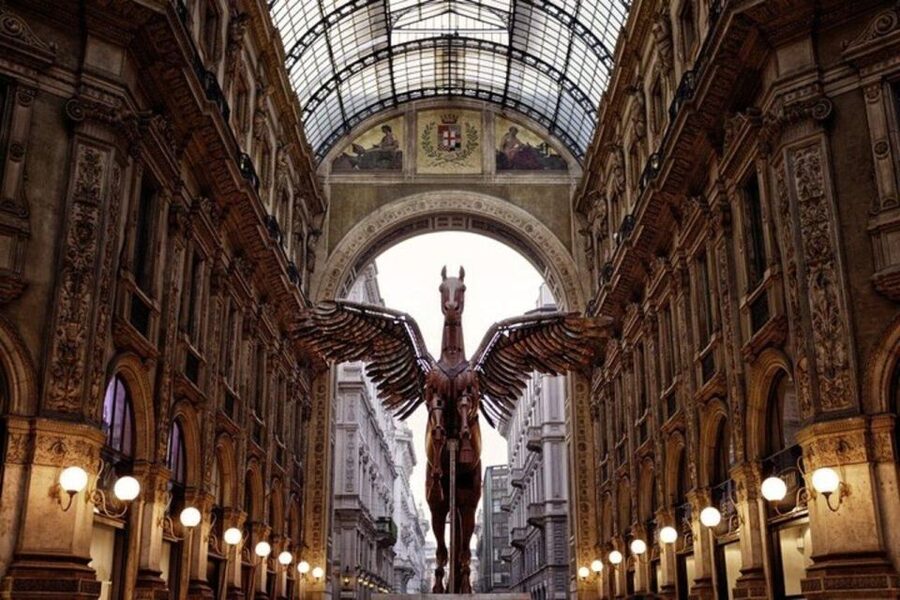
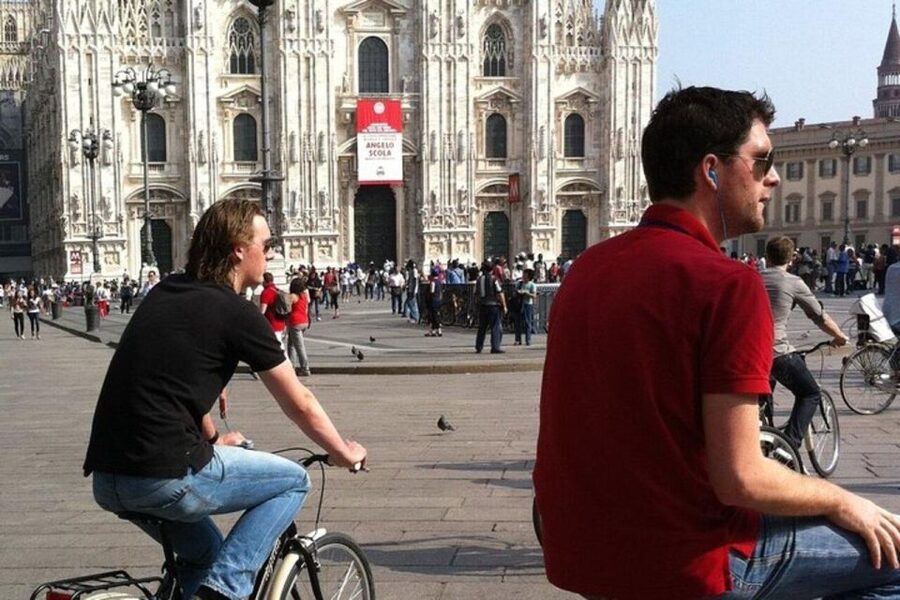
This tour is built for people who enjoy fashion as something you can see, touch, and shop for. You begin at Fontana dei Tritoni, and your guide takes over from the first minutes, turning a walk into a guided thread. The first practical win is simple: you do not waste time trying to figure out which streets to hit for design stores and vintage clothing.
The second win is timing. At 3 hours, you get enough stops to feel like you covered real ground in Milan’s style zones, but you still have energy left afterward to eat, wander, or hit another neighborhood. Comfortable shoes are a must here, since the day is walking plus store time, and you want your feet to stay happy.
If you are sensitive to pace, this is the one thing to think about. You are moving from one guided location to the next, with a shopping rhythm built in. That can be great if you love browsing, but if you prefer slow museum-style pacing, you might feel a bit “on the clock.”
You can also read our reviews of more walking tours in Milan
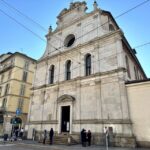
San Vittore Prison and the Lady Gucci story you will not forget
The tour’s most memorable pivot is San Vittore Prison. The program includes a guided visit focused on the controversial story of Lady Gucci. Even if you already know the headlines, having a local guide connect the fashion world to this darker corner of Milan gives the tour a different tone than the usual shopping-only walks.
Here is why this stop works for me as a traveler: it prevents the experience from becoming purely transactional. Shopping can feel like a checklist. Adding a scandal story adds context and makes you look at the city differently, almost like Milan’s fashion scene has two faces, glamorous and complicated.
What you should consider: prison stories can be intense, and this segment may set an emotional mood early in the tour. If you would rather start with lighter design and shopping, you might want to mentally prepare for the shift.
Robertaebasta Formentini, vintage Italian furniture and accessories
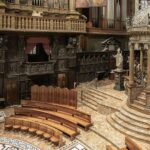
Next you go to Robertaebasta Formentini, described as a vintage Italian furniture and accessories store. This is a smart stop for two reasons.
First, it broadens “design” beyond clothing. Milan is famous for fashion, but the city’s style language shows up in interiors and objects too. Walking into a vintage furniture and accessory shop lets you see design as a culture, not only a runway topic.
Second, it gives you something different from typical resale clothing stores. You are shopping with different senses here, thinking about materials, shapes, and how a piece might have lived in someone’s home. Even if you do not plan to buy, you can still learn by looking closely at what is offered and how the store presents it.
Practical tip: if you are the type who likes to shop carefully, ask your guide how they would approach a purchase here, for example what to check first or what kinds of items tend to be most worth your attention. It can turn browsing into a small, useful education.
Cavalli e Nastri in Brera, for timeless vintage clothing finds
Then comes Cavalli e Nastri in the Brera area, one of Milan’s best-known vintage clothing stores. The tour schedule lists Cavalli e Nastri twice, so you should treat this as your main shopping window. That matters, because vintage shopping is rarely “quick in and out.” You need time to sift through sizes, styles, and pieces that might not catch your eye right away.
Why this stop is a highlight: your guide is there to help you see what is worth attention. Vintage stores can overwhelm you if you are not sure where to look. Having someone point the route through the rack helps you move faster, and it makes it easier to find pieces that match your actual taste.
What I would plan around: bring a clear sense of what you wear and what you are willing to carry home. A good vintage find can be amazing, but you also want to avoid buying something you later realize you cannot realistically bring through travel. If you want the best odds of success, tell your guide what you are hoping to find, even if it is just a short list like jackets, dresses, or accessories.
The Navigli stroll: I Navigli Che Vorrei and street-level style
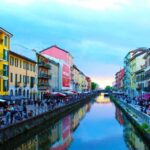
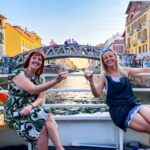
After the bigger indoor shop stops, the tour leans back into walking, taking you around the Navigli district with landmarks like I Navigli and the surrounding vibe of the style quarter. This is where the day starts to feel like a lived-in Milan walk. You are not just moving between destinations, you are seeing how fashion fits into normal city streets.
You also visit I Navigli Che Vorrei during the tour. With stops like that, you get the sense that Milan’s design identity is not only in big flagship stores, it also lives in smaller niche places that feel personal.
One thing to keep in mind: when you are walking and passing landmarks, your guide will likely adjust pace based on your interests. If you want more shopping time, say so early. If you want more explanation of the area’s fashion connections, ask for it. The best results usually come when you communicate what you want from the guide, not when you wait for the tour to guess.
Brera District and the route toward Piccolo Teatro Strehler
The itinerary then continues deeper into the Brera District area, passing through key streets and Milan landmarks, including Via Alessandro Manzoni and time around Piccolo Teatro Strehler. For me, these stops work as a way to connect the shopping theme with actual Milan geography. Brera is known for style, and bringing you through its streets helps the tour feel anchored, not random.
This is also where you get a chance to reset your eyes. After looking at garments and objects up close, shifting back to architecture and theater-area landmarks gives your brain a breather. You notice different kinds of design details then, like storefront presentation, signage style, and the general look of the streets.
If you hate walking for photos, this part is still useful. You are not forced into a strict museum beat. It is more of a guided urban read, so even if you only want to glance, you still come away with a clearer picture of where Milan’s fashion culture shows up in real space.
What the guide actually does, and why it matters for your shopping
The tour includes a live guide and supports multiple languages, including English, French, Italian, and Spanish. That matters because fashion shopping is personal. A guide can help you interpret what you see and connect it to the bigger Milan fashion narrative the tour is built around.
From what I’ve learned by looking at the types of guides associated with this tour, the best experiences come when the guide tailors recommendations to your preferences. One guide named Fernando is described as attentive and able to suggest galleries, concept stores, and restaurants that match what people like. Another guide, Daniela, is described as warm and able to bring out curiosities and points of interest that land well with expectations.
Here is my advice if you want that same kind of result: be specific early. If you know you love certain aesthetics, say it. If you want a certain price comfort level, say it. Guides can only tailor what they know.
You might also want to ask for a short add-on suggestion after the last stop, since a good guide often points you toward nearby places you would not find easily. This tour ends near Via Andegari, 8, but your Milan evening can easily expand if you have a couple of smart follow-ups.
Price and value for a 3-hour fashion and design route
The price is listed at $47 per person for a 3-hour guided tour. That is not cheap if you are comparing it to a self-guided stroll with a map. But the value makes sense if you care about two things this tour actually delivers: guided context and curated shopping time.
You are paying for the guide’s ability to connect the dots, especially with the San Vittore Prison and Lady Gucci story. You are also paying for having your time structured around specific stores: Robertaebasta Formentini and Cavalli e Nastri in Brera, plus a couple of Navigli stops and landmark wandering.
If your goal is simply to browse shops at your own speed, you could do Milan fashion districts DIY. But you would likely miss the “why” behind the route. And you might spend extra time second-guessing where to go first. In a city like Milan, that uncertainty is often what costs you most.
This tour is best value when you want both:
- Fashion and design context, not only shopping
- Time-efficient store stops, with a guide helping you focus
Who should book this Milan fashion and design walking tour?
Book it if you:
- Like vintage shopping and want guided help inside stores
- Enjoy Milan as a fashion city but also want a darker, more complicated story in the mix
- Prefer a focused 3-hour walk rather than a long full-day plan
- Want either a group vibe or the option for a private format
Consider a different type of tour if you:
- Want strictly museum-heavy sightseeing with minimal shopping time
- Have limited interest in vintage clothing, furniture, and accessories
- Feel uncomfortable with prison-history content
Language choice can also affect fit. Since the tour runs in English, French, Italian, and Spanish, pick what you are most comfortable with so you catch the nuances of the Lady Gucci story and the design shop explanations.
FAQ
Where do I meet the guide for this Milan fashion walking tour?
You meet your guide next to Fontana dei Tritoni.
How long is the tour?
The tour duration is 3 hours.
Is the tour offered in multiple languages?
Yes. The live tour guide is available in English, French, Italian, and Spanish.
Is there a private option?
Yes, a private group is available.
Which parts of Milan does the route cover?
The walk focuses on Milan’s Navigli district and the Brera District, with stops connected to those areas.
Is the tour wheelchair accessible?
Yes, the tour is wheelchair accessible.
What should I bring?
Wear comfortable shoes, since you will be walking.
Should you book this Milan Design and Fashion Walking Tour?
I think you should book it if Milan fashion shopping is on your trip “must do” list, but you also want it to mean something beyond browsing. The San Vittore Prison and Lady Gucci story gives the tour a memorable backbone, and the store stops focus on vintage and design in a way that saves you time.
Skip it only if you want a museum-first day or you dislike guided shopping. If you like looking closely at clothing, objects, and the style culture behind them, this 3-hour walk is a solid value way to experience both Milan’s fashionable side and its more controversial fashion history.
More Walking Tours in Milan


More Tours in Milan

More Tour Reviews in Milan
Not for you? Here's more nearby things to do in Milan we have reviewed


Walking Tours, compared.
 ★ 4.7Guided Walking Tour & Last Supper Visit with TicketFrom $1015,409 reviews
 ★ 4.7Guided Walking Tour with Last Supper Skip-the-LineFrom $1061,143 reviews
 ★ 4.8Da Vinci’s Last Supper and Guided Walking TourFrom $70683 reviews
 ★ 4.8Guided Street Food Walking Tour with Food TastingFrom $58654 reviews
 ★ 4.7Guided Walking Tour with Duomo and the Last SupperFrom $152615 reviews
 ★ 4.5Skip-the-Line Guided Walk and “The Last Supper”606 reviews
 ★ 4.7Best of City Walking Tour with Last Supper TicketsFrom $112359 reviews
 ★ 5.0Milan Highlights and Hidden Gems Private Guided Walking TourFrom $246302 reviews
Browse the lists this tour appears in