
Review · GUIDED
Jewish Guided Tour in Milan
Milan hides Jewish stories in plain sight. This 3-hour guided route connects everyday landmarks to bigger Jewish themes, with stop time that helps you understand the city instead of just passing it by, and it includes an authentic visit to Sinagoga Centrale.
I like that the walk stays focused and story-driven, with a guide who points out details most people miss. One possible drawback is the synagogue visit logistics: you’ll need a donation of at least 10 euros and you must coordinate the entrance in advance, especially in August when opening hours are limited.
Key Things I’d Mark in Your Planner
- Small group (max 8 travelers), so you can ask questions and hear the context clearly.
- A straight line through central Milan, not a separate Jewish neighborhood detour.
- World War II and Mussolini context at Piazza del Liberty, handled as part of the city’s story.
- Cesare Beccaria stop, linking Jewish heritage to Italy’s broader history of law and ideas.
- Sinagoga Centrale visit, with an entrance donation and advance coordination.
- Duomo symbolism plus a Rinascente rooftop view, mixing meaning and skyline payoff.
A Milan Walk That Explains the City, Not Just the Sights
This isn’t a “stand and stare at monuments” tour. It’s a guided route that uses Milan’s layout like a map of ideas. You start in central streets, move station to station, and the guide builds a timeline: past, present, future, plus the hard chapters that shaped Europe.
One thing I really appreciate is how the tour keeps you anchored in the city itself. You’re not sent out to a far-off district, and you’re not stuck in a museum hallway for the full time. Instead, you learn how Milan’s major landmarks connect to Jewish life, religious symbolism, and the 20th century.
I also like the storytelling style that guides such as Galit and Nuki are known for in this experience. They tend to slow you down at the right spots, calling attention to details you’d otherwise walk right past. That matters in Milan, where everything looks impressive from a distance, but only some of it has the meaning you’re learning about.
Do keep one expectation in mind: Milan does not revolve around a single classic Jewish “quarter” the way some other cities do. This tour focuses on Jewish presence across central Milan, in the heart of the city.
You can also read our reviews of more guided tours in Milan

Getting Oriented at San Babila (And Why That First Stop Matters)
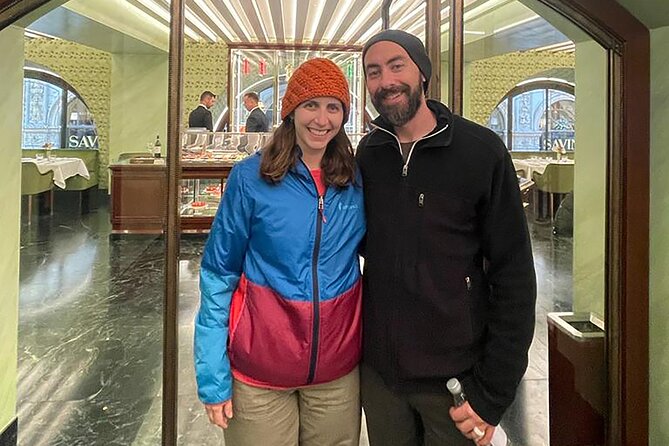
You begin around Corso Monforte 2 and soon reach San Babila, a good starting point because it sets the lens for the rest of the walk. The guide talks about Milan as a city of layers, covering the past, present, and future in a way that makes the later stops click.
This first 20 minutes is where you start learning how Milan’s street-level landmarks connect to larger themes. It’s also a morale booster. When the tour starts with a clear “why we are here” explanation, you’re more likely to notice what the guide points out later at the Duomo or the synagogue.
Practical tip: wear comfortable shoes for the full route. Even though each stop is time-limited, it still adds up to a real walking segment across central streets.
Royal Milan, Law, and the WWII Story at Piazza del Liberty
The tour’s middle sections do a smart thing: it moves from city-building and royal identity into law and then into World War II. That order helps the history land with context instead of feeling like disconnected facts.
At Corso Vittorio Emanuele II, you focus on the dynasty of royal houses in Italy and how the city was built. This isn’t just trivia. It helps you understand why Milan looks the way it does and how power and planning shape what you see today.
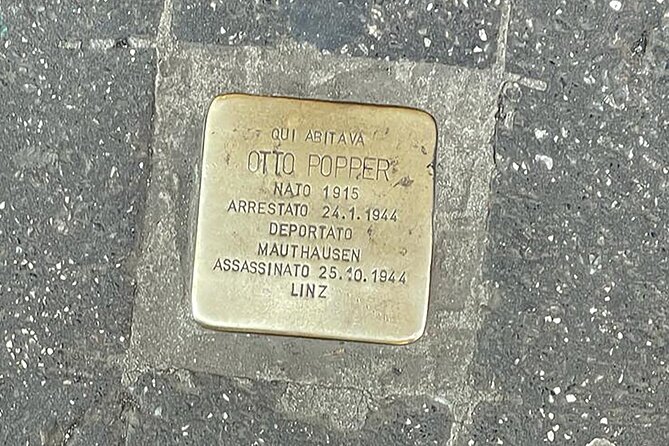
Then you reach Piazza del Liberty, where the guide brings in the realities of World War II and Mussolini. This is one of the stops where you’ll feel the weight of the broader European story. The tour treats it as part of Milan’s timeline, not as a separate lecture topic. It’s also a reminder that Jewish history in Italy is not only religious and cultural. It is also political, and it includes survival, threat, and loss.
Next comes Monumento a Cesare Beccaria, which connects beautifully to your understanding of law. The guide explains Cesare Beccaria and his contribution to the world of law in Italy. You’ll see how the tour frames Jewish history within wider intellectual currents, showing how ideas travel across communities and eras.
Good to know: these historical stops are short, around 20 to 25 minutes each. That’s a benefit if you prefer motion and narrative over long museum-style pacing. If you like very deep detail on one era, you may want to supplement later with independent reading, after you get the big-picture structure from the guide.
Sinagoga Centrale: The Highlight, With Clear Donation Rules
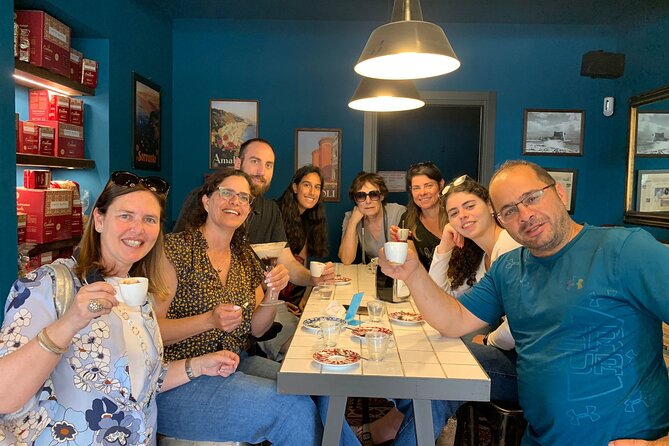
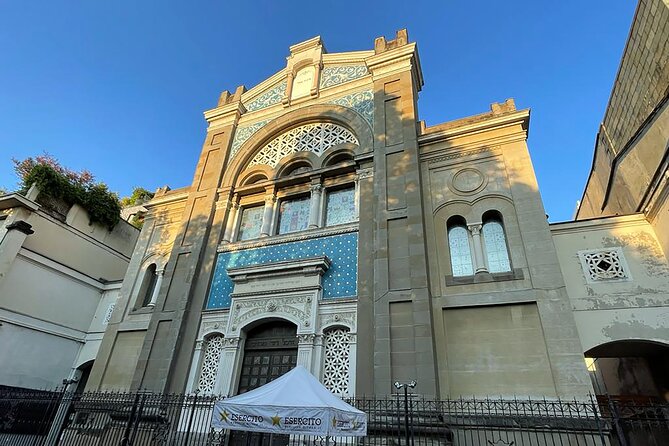
The tour’s signature moment is the synagogue visit at Sinagoga Centrale. This is the part that turns “history on the street” into something much more grounded. You learn about the Jewish religion, Jewish history in Italy, and the specific story of Milan.
Just know the logistics upfront, because they affect your day. Entrance is not just a ticket. It’s coordinated through the tour, and you’ll need to make a donation of at least 10 euros per person. The entrance timing also needs coordination in advance.
This matters for two reasons:
- Synagogue visits can be schedule-sensitive.
- The tour group needs to arrive in a way that works for the synagogue.
The tour also notes an important seasonal consideration: in August, visiting the synagogue requires prior arrangement due to limited opening hours. If you’re traveling in August, don’t assume you can just show up. Message or contact the tour team ahead of time so they can coordinate your visit window.
How to plan your mindset: treat this stop as a respectful, structured visit, not a casual photo opportunity. The tour gives you context before and after the synagogue, which makes the visit feel like a chapter, not a pause.
Duomo Area: Judaism, Christianity, and the Symbols You Might Miss
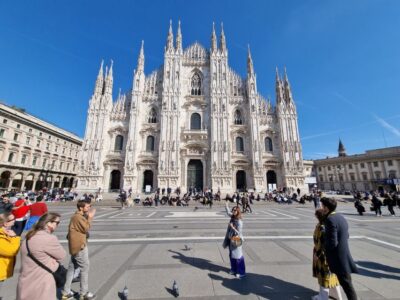
After the synagogue, you move to Piazza del Duomo, and this is where the tour adds a thoughtful comparison. The guide talks about similarities and differences between Judaism and Christianity, tying them to architecture and to the symbolism you can spot around major religious buildings.
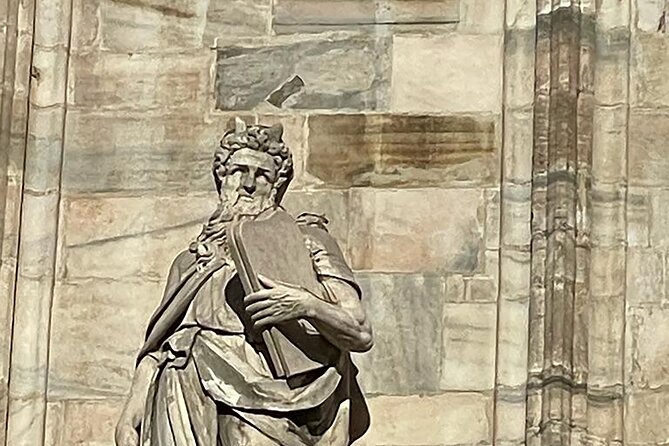
You’ll also hear about Jewish symbols on the Duomo. Even if you’ve visited the Duomo before, this kind of explanation changes what you notice. Religious architecture can look like pure stonework until someone points out the meanings attached to it.
This stop runs about 25 minutes, so it’s not rushed, but it’s also not a full sit-down lecture. You walk away with clearer visual cues and a better sense of how religions influence art and symbolism in public spaces.
Practical tip: if you tend to get tired by late-morning walking, bring a small water bottle. The tour does not include coffee or tea, and you’ll likely appreciate a quick break after the Duomo stop.



Rinascente Milano View: Milan From Above, Plus High-Rise Context
Next up is Rinascente Milano, about 15 minutes. The goal here is twofold: you get a look at the city from above, and the guide uses that viewpoint to talk about high-rise buildings in Milan and Italy.
Why I like this stop: it gives you a visual reset. When the tour shifts from history and symbolism to a skyline view, your brain processes the day differently. You start seeing Milan not only as “where events happened,” but as a modern city shaped by planning and growth.
It’s also a nice break after the more emotionally intense parts of the route. Fifteen minutes is enough to enjoy the view without turning the tour into a long indoor detour.
Ending at the Holocaust Memorial Site: A Guided Arrival, Not a Full Museum Day
The tour ends around Via Dante, with guidance to the Holocaust Memorial Site in Milan. This isn’t a random finish point. The tour includes escort and guidance to the entrance to the Holocaust Museum area, and it involves traveling together on the metro to reach it.
This is a good design for most people because it solves the navigation problem. Instead of you trying to figure out the best metro route while also thinking about time, you’re brought there with a guide.
One caution, though: the tour explicitly says it does not include a tour of the Holocaust Museum. That means if you want a full museum visit, you’ll probably need extra time on your own after the guided arrival.
My advice: treat the finish as the start of that deeper visit. Plan your day with enough buffer so you’re not rushed if you want to stay at the memorial site longer.
Price and Value: What $120.48 Buys You in Milan
At $120.48 per person for about 3 hours, the price is not “cheap,” but it also isn’t priced like a private custom tour. This sits in the middle. What helps the value is what you get inside that timeframe.
Here’s the value breakdown that matters most:
- All fees and taxes are included, so you don’t get surprise add-ons mid-tour.
- You’re working with an in-person guide who is licensed or certified.
- You get a mobile ticket, which simplifies check-in.
- The group size is capped at 8 travelers, which tends to make the experience feel more personal than the big group city bus model.
- You get escort and guidance to the Holocaust memorial entrance, including the metro together.
The biggest non-included cost is the synagogue donation of at least 10 euros per person, plus you’ll likely want to budget for snacks since coffee and/or tea is not included.
If you care about Jewish history and you want it tied to places you can actually see in central Milan, this price starts to make sense. The tour is short enough to fit into a busy Milan itinerary, but it includes the key anchors: synagogue context, Duomo symbolism, and an ending at the Holocaust memorial site.
Also, practical reality check: this is booked on average about 25 days in advance. If you’re traveling in a popular season or on weekends, I’d book earlier rather than later, especially if you want a specific day.
Free cancellation exists, so you do have flexibility, but I’d still aim to lock in early if you’re planning around synagogue coordination.
Who This Jewish Guided Tour Is Best For
This tour fits best if you want guided context while staying in central Milan. It’s ideal for you if:
- You like history that connects religion, architecture, and real-world events.
- You want a structured route with clear stop times rather than an all-day wandering plan.
- You plan to see the Duomo area and you’d like the Jewish symbolism explained.
- You want a guided synagogue visit, not just a quick pass by from the street.
It might be less ideal if:
- You mainly want a Holocaust Museum deep tour. This experience guides you to the entrance area, but the museum tour itself is not included.
- You expect a specific Jewish neighborhood tour. Milan’s Jewish story in this route is centered on major landmarks, not a dedicated quarter.
- You dislike booking and coordination steps, since the synagogue visit requires advance coordination, particularly in August.
Should You Book This Jewish Guided Tour in Milan?
I’d book it if you want a well-guided, time-efficient way to understand Jewish life in Milan through real city landmarks, including the Sinagoga Centrale visit and a guided arrival at the Holocaust memorial site.
Book it early if you’re traveling near August, because synagogue timing requires coordination. And if you care about the Holocaust Museum itself, plan extra time beyond the tour so you can continue there at your own pace.
If your goal is a meaningful Milan history walk, with a guide who points out details and keeps the stories grounded in the places you stand, this is a strong fit.
FAQ
How long is the Jewish guided tour in Milan?
The tour lasts about 3 hours.
What is the meeting point and where does the tour end?
It starts at Corso Monforte, 2, 20122 Milano MI, Italy, and ends at Via Dante, Milano MI, with the tour finishing in front of the Holocaust Memorial Site in Milan.
Is the tour offered in English?
Yes, the tour is offered in English.
How many travelers are in the group?
The group size is capped at a maximum of 8 travelers.
Is there a mobile ticket?
Yes, you receive a mobile ticket.
Does the synagogue visit cost extra?
Yes. Entrance to the synagogue requires a donation of at least 10 euros per person, and you need to coordinate the entrance with the tour in advance.
Is the Holocaust Museum included?
The tour does not include a tour of the Holocaust Museum. It does include escort and guidance to the Holocaust Memorial site entrance, with travel together on the metro.
Can I visit the synagogue in August?
In August, visiting requires prior arrangement because opening hours are limited. Contact the tour team to coordinate your visit.
Is coffee or tea included?
No, coffee and/or tea are not included.
More Guided Tours in Milan
More Tours in Milan
More Tour Reviews in Milan

Not for you? Here's more nearby things to do in Milan we have reviewed










Guided, compared.
 ★ 4.7Da Vinci’s Last Supper Guided TourFrom $7510,143 reviews
 ★ 4.0City Sightseeing Hop-On Hop-Off Bus with Audio GuideFrom $266,256 reviews
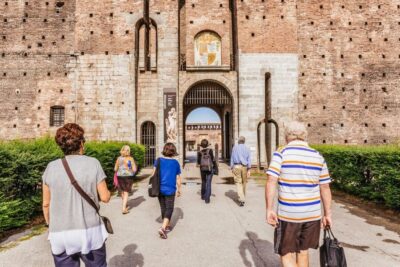 ★ 4.7Guided Walking Tour & Last Supper Visit with TicketFrom $1015,409 reviews
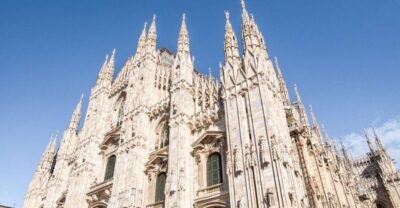 ★ 4.7Fast-Track Milan Cathedral and Terraces Guided TourFrom $465,240 reviews
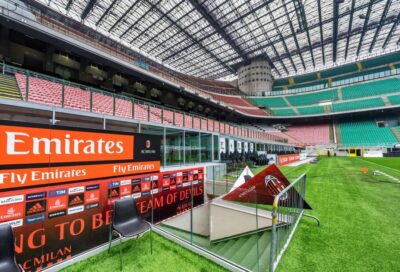 ★ 4.4Official San Siro Stadium and Museum Guided TourFrom $403,573 reviews
 ★ 4.1La Scala Theater & Museum Guided ExperienceFrom $342,931 reviews
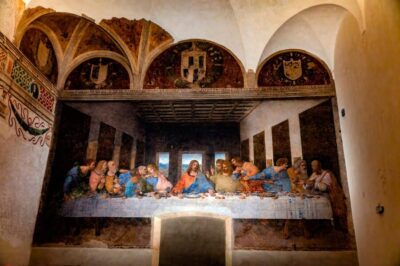 ★ 4.7Last Supper Guided VisitFrom $752,854 reviews
 ★ 4.8Duomo Rooftop and Cathedral Guided Tour with TicketsFrom $572,678 reviews