
Review · BERNINA EXPRESS DAY TRIPS FROM MILAN
Intimate Small-Group Bernina UNESCO Scenic Train on Swiss Alps
A tiny train, big Swiss drama. This is a full-day ride built around the Bernina line, plus a proper break on Lake Como and a taste of the Valtellina valley before you head up into the Alps. I love how the day is kept small group level (max 18), and I love that the Bernina Train is the real centerpiece, not a side stop. The tradeoff is a long day with lots of road time, and you should expect some stairs and a bit of walking.
If you hate cold-weather planning, this trip will still make you do it. You will want good shoes and the right layer because you go from lake air to high-altitude views, and the schedule depends on conditions. One other practical note, the day is at least 13 hours round trip from Milan Central, with bathroom breaks not guaranteed as often as you might hope.
Key points that matter before you go
- Max 18 people, English guide: The group size is small enough that your guide can actually manage timing and photo stops.
- Bernina ticket is included: You are not just watching the Alps, you are riding the line itself.
- Highest-point disembarkation: Summer stop is Ospizio Bernina, winter stop is Diavolezza.
- Lake Como + Tirano built in: You get a short lake-town walk and free time for an optional lunch in Tirano.
- St. Moritz is short but scenic: You get a quick walk near the alpine lake, then shopping time in town.
- Road days are real: You trade comfort for coverage, with twisty mountain roads and a long return.
From Milan to the Bernina: how the day actually flows
This is not a quick hop to Switzerland. It is a long, organized loop starting at Milano Centrale, with a first transfer to Lake Como, then a mountain valley route to Tirano, then the Bernina train up into the Swiss Alps. After the summit-view stop, you continue by coach or minibus to St. Moritz and then head back toward Milan for a total day that runs about 12 hours 45 minutes to at least 13 hours.
The biggest value here is that your logistics are handled. Your guide and small group setup keep you moving between Italy and Switzerland without you having to stitch together trains and buses on your own. And since the tour is offered in English with a mobile ticket, you spend your attention on the views, not on tickets and translations.
Still, be honest about the day length. Even when everything runs smoothly, you will spend meaningful time on vehicles. If you are the type who needs frequent breaks, carry your patience, plus your snacks.
You can also read our reviews of more tours and experiences in Milan.
Milano Centrale meeting point and the Lake Como warm-up
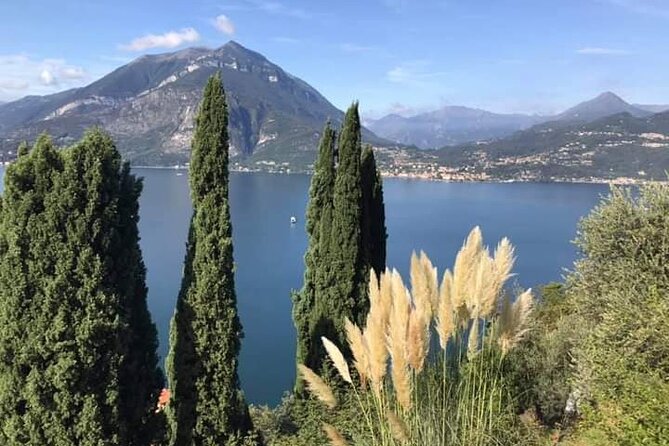
You start at Centrale FSP in Piazza Duca d’Aosta, 20124 Milano with an 8:00 am departure. From there, the plan is to travel to the Lake Como area for a short stretch-and-walk break, then keep moving toward the mountains.
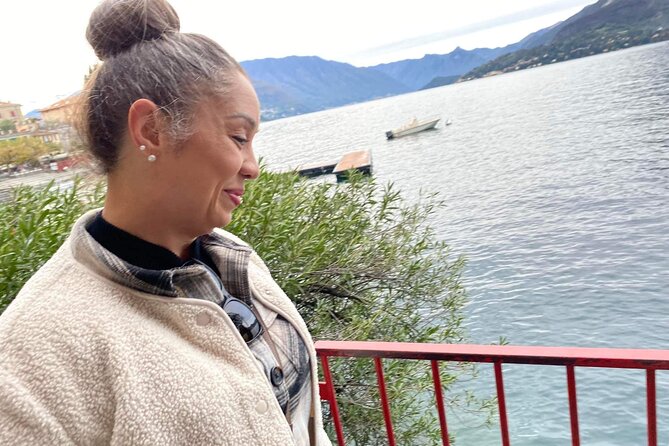
Lake Como time is typically a quick walk, around 30 minutes, and yes, there might be some stairs. This is designed as a tone-setter: you get lake views and a chance to walk a bit before the day turns rugged and Alpine. If you want a deep, slow Lake Como exploration with lots of village wandering, this is not that kind of day trip. Think of it as a scenic appetizer that keeps you on track for Tirano and the Bernina.
One practical tip: treat the Como stop as your moment to reset, not your moment to “see everything.” Use it to grab a coffee if you want, take photos early, and then save your energy for the train.
Lake shore driving and Valtellina valley stops you can actually use
After the Lake Como time window, you drive along part of the lake shore and then into the Valtellina valley. The ride time for this section is about 1.5 hours total including scenic driving, plus a short stop.
Your Valtellina stop is flexible, either a quaint valley town or a winery or café for a quick break, about 30 minutes. This matters because it gives you a real rhythm shift. You are not just waiting to reach the next transport leg, you get a chance to stretch, use the bathroom if you can, and refuel.
The Valtellina route itself is part of the appeal. It is a mountain corridor that cuts through the landscape, so you start to feel the Alps before you even reach the Swiss border. On a long day, that transition reduces the “are we there yet” feeling.
Tirano: the stair climb, station timing, and lunch on your own
Tirano is where the day begins to lock into the Bernina rhythm. You transfer by minibus to the area near the station, then you climb some stairs to reach the Bernina boarding point with free time for lunch on your own. Expect roughly 1 hour here.
This stop is short, and that is intentional. You are meant to eat quickly and then get ready for the train without losing the timing that makes the summit view possible. If you plan to eat in Tirano, keep your plan simple: pick a place close to where you need to be, and don’t drift too far.
If you are sensitive to motion, consider this your reminder to prepare. The day includes twisty roads, and you are in a vehicle for a lot of hours before the Bernina train begins.
Riding the Bernina train: the main event (and why the disembark stop matters)
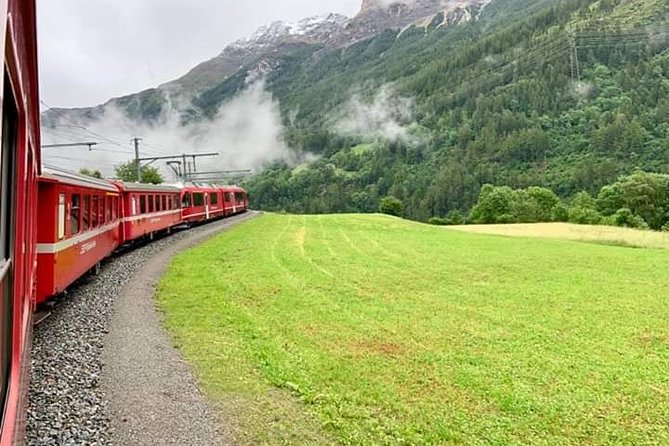
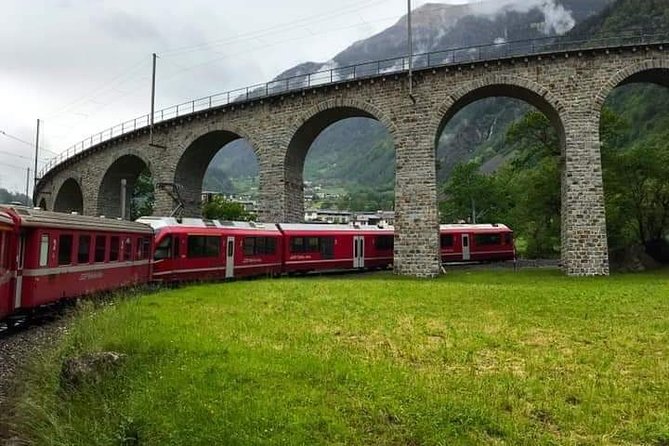
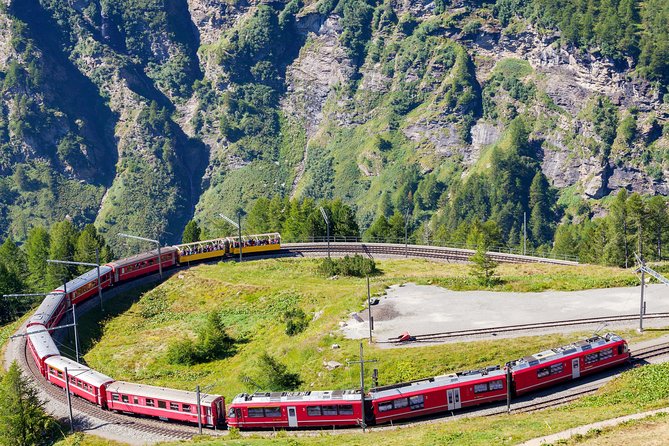
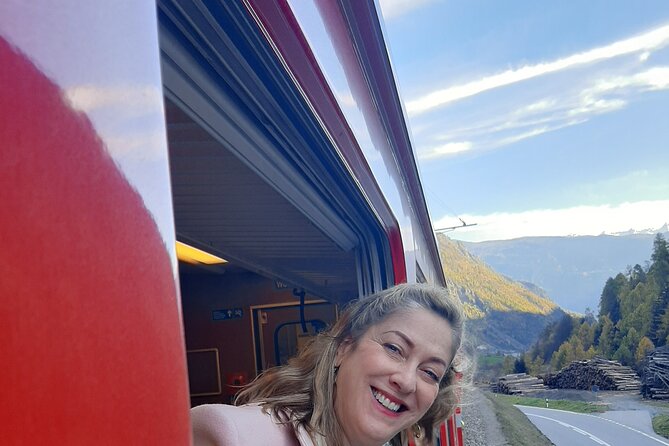
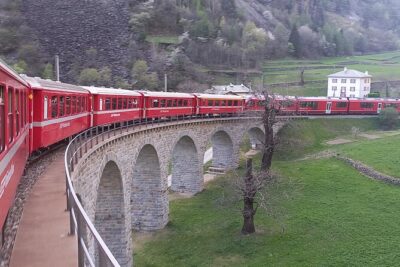
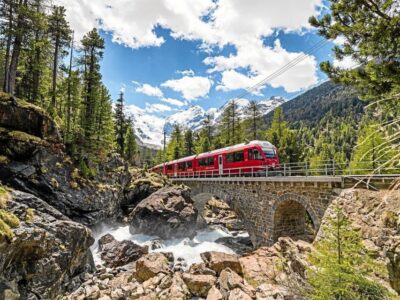
This is the centerpiece, and it is built around one key idea: you ride up into the Swiss Alps on the little red train, not just past them. You board the Bernina train on the Bernina Express railway and travel through rugged terrain with bridges and viaducts along the way, with sweeping views toward lakes and high mountains.
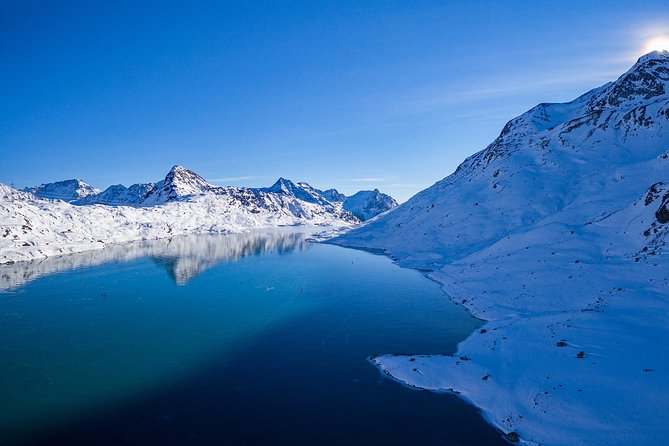
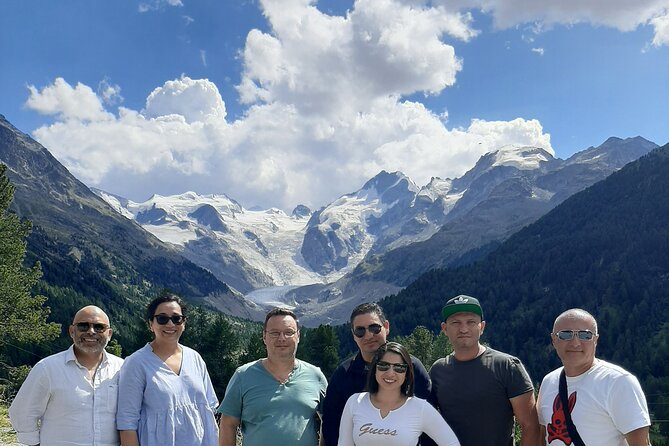
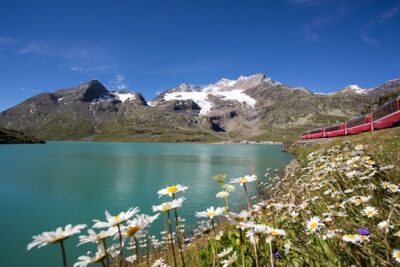
Then comes the moment that makes the whole day feel worth it. You disembark at the highest-point stop. In summer, that is Ospizio Bernina. In winter, the stop is Diavolezza. The tour is designed around a summit-style view moment, so you do not just sit on the train and hope for great scenery. You get time off the train to look up, breathe the colder air, and take photos from a viewpoint you cannot get from the base towns.
One more detail that makes a difference in your photos: multiple guides are praised for managing the timing so people can get shots at the right moments. If you care about pictures, you will likely appreciate the way the group stays organized, with time to prepare your camera before key views pass by.
Also, keep expectations realistic. Weather matters a lot here. If conditions are severe or unsafe, the operator reserves the right to cancel or modify the rail portion. If the Bernina is only partially operating, you may not reach the highest point, and you also would not reach St. Moritz afterward.
Ospizio Bernina or Diavolezza to St. Moritz: short walking, quick town time
After the summit stop, you continue by coach or minibus to St. Moritz. St. Moritz time is designed to be just enough to get a feel for the place without turning the day into an overnight.
Your walk is modest but real. You typically walk about 10 minutes along a small alpine lake, then you face some stairs to reach an escalator that brings you up toward sloping downtown. After that, you get about 30 minutes of free time to explore, plus a bit of strolling around the town area.
This is where you should decide what you want from St. Moritz. If you want a deep dive into architecture, museums, and long café hopping, you will feel rushed. If you mainly want a recognizable Alpine town look plus views and shopping, the time window works. You also may notice that in colder shoulder seasons, shops can be closed, so the “town” part may feel more like walking for atmosphere than browsing.
The good news is that the day’s core is still intact. Even with limited St. Moritz time, you came for the Bernina rail ride and the high-point view stop, and that is what you should center your planning around.
The long bus day: comfort, timing, and mountain-road reality
Let’s talk about the practical part people worry about, the time spent on vehicles. This tour is at least 13 hours round trip from Milan Central, and parts of the return can be driving, sometimes with a regional train segment. That means you are not guaranteed rail comfort the whole way back.
There is also the mountain-road factor. The day includes twisty driving on mountain roads, and traffic is always outside the operator’s control. This is why the schedule feels tight but not careless. The small group structure helps your guide keep everyone accounted for, and multiple guides and drivers in this operation are praised for keeping communication clear and people moving together.
Comfort can vary. One review noted cramped seating on a bus meant for school students, which is a reminder to think about your own body needs. If you are tall or you need leg room, pack light expectations and plan to stretch your legs whenever stops happen.
If you get car sick easily, I strongly recommend you bring something for it. The roads are winding, and you are on them for hours before the train ride.
What to pack for Bernina altitude and Swiss cold snaps
This tour has a clear packing logic because temperatures swing. In summer, bring a light sweater or jacket. In winter, you need heavy outerwear, plus good shoes, a scarf, gloves, and a cap.
Wear shoes you can walk in on uneven ground and stairs. You do multiple short walking moments with steps, especially around Lake Como and Tirano station access. St. Moritz also includes stairs plus an escalator, so foot grip matters.
Bring layers for photos too. The summit-air can feel colder than you expect, even when Milan is mild. If you want clear photos through windows or from viewpoints, having an extra layer also helps you stay out long enough to enjoy the stop.
Finally, a small “life admin” tip: carry a light snack and water. Lunch is optional and on your own in Tirano, and bathroom stops are not guaranteed with the frequency you might want on a long day.
Who this tour fits best, and who should skip it
This day trip is a great match if you want a high-impact Alpine experience that starts and ends in Milan. You like structured stops, you enjoy train travel, and you want to see both sides of the scenery, lake towns and high passes, in one day.
It is also a good option if you want an English-speaking guide who can explain what you are seeing and keep the timing tight. Across the operation, guides such as Luca, Silvia, Paola, Julia, and Raffaele are named in feedback, and the common thread is good group management and keeping everyone on schedule.
Skip it if you hate long travel days. If you need more time at each stop, or you get overwhelmed by long vehicle hours, look for a slower itinerary. Also skip or choose carefully if you have medical concerns that make stairs, long sitting, or weather exposure hard for you. The tour calls for moderate physical fitness, and it notes that bathroom stops are not guaranteed.
Children must be accompanied by an adult, with a minimum age of 12 years, and every passenger needs a valid passport.
Price and value: what you are paying for at about $211.63
At about $211.63 per person, the price sounds steep until you break down what you actually get. You are paying for a guided small-group day with transfers, plus the Bernina train ticket included in the price. You also get guided timing for multiple stops: Lake Como, Valtellina break, Tirano station access, the summit-point train disembarkation, and then the St. Moritz walk and town free time.
The value is strongest if you would otherwise have to build your own route. Getting between Milan, the Como area, Tirano, the Bernina line, and St. Moritz is not impossible, but it is time-consuming and easy to get wrong. Here, the operator handles the sequencing for you, and the small group keeps you from getting lost in a crowd.
If you already plan to buy only a Bernina train ticket and do everything else on your own, this option may feel pricey. But if you want the full chain, including the parts that help you enjoy the experience instead of managing it, the cost is easier to justify.
Also remember: part of what you are paying for is weather risk management. The itinerary depends on conditions, and the operator has built-in contingency options if the Bernina cannot run as planned.
Should you book this Bernina small-group tour from Milan?
Book it if your priority is the Bernina train and a summit-view stop. This is not a casual sightseeing bus ride, it is a rail-focused Alpine day with a small group, English guiding, and organized time at Ospizio Bernina in summer or Diavolezza in winter.
Also book it if you want a day trip that mixes famous regions without making you “choose between them.” You get Lake Como as a warm-up, Valtellina for a break, Tirano as the gateway, and St. Moritz for a quick Alpine town feel. That combination is hard to recreate without planning.
Don’t book it if you want lots of time in St. Moritz, because that stop is short. And don’t book if you struggle with long days on vehicles, uneven walking, or stairs. This is a great day trip when you know what kind of day it is.
If you are choosing between seasons, use your common sense: winter brings heavier clothing needs and likely a more wintery scenery vibe at Diavolezza, while summer brings lighter layers and Ospizio Bernina’s summit stop. Either way, plan your comfort, pack your layers, and treat the train ride as the main act.
FAQ
What time does the tour start and how long is it?
The tour starts at 8:00 am at Milano Centrale. Duration is listed at about 12 hours 45 minutes, and it notes a minimum 13 hour round trip from Milan Central station.
How big is the group?
The tour has a maximum of 18 travelers, so it stays small-group sized.
Is the Bernina train ticket included?
Yes. The Bernina train ticket is included in the tour.
Where do you get off the Bernina train for the summit view?
In summer, the stop is Ospizio Bernina. In winter, the stop is Diavolezza.
Do I need a passport?
Yes. Each passenger has to carry a valid passport.
Is lunch included?
No. Lunch in Tirano is on your own, and lunch is not listed as included in the tour.
How much walking and stairs should I expect?
You should expect short walks and stairs. Lake Como includes about 30 minutes of walking and there might be stairs. Tirano includes climbing stairs to reach the station, and St. Moritz includes a walk plus stairs and an escalator.
What should I wear or pack for the weather?
For summer, bring a light sweater or jacket. For winter, bring heavy jacket, good shoes, scarf, gloves, and cap.
What happens if the Bernina train is not operating?
In severe or unsafe weather, or if the Bernina train is not operating or only partially operating, the operator may cancel the tour with a refund or may operate a partial ride without reaching the highest point. In that situation, St. Moritz also would not be reached.
More Tour Reviews in Milan
Not for you? Here's more nearby things to do in Milan we have reviewed



Bernina Express Day Trips from Milan, compared.
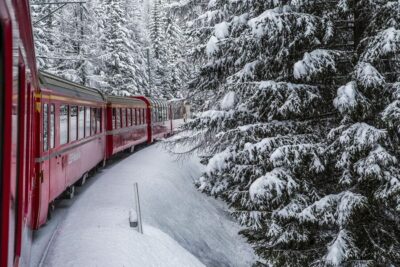 ★ 4.6From Milan: Lake Como Cruise, St. Moritz & Bernina Red TrainFrom $1595,648 reviews
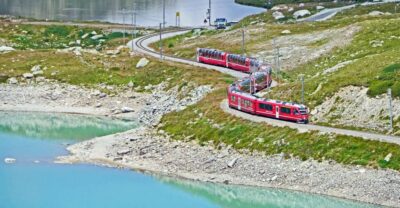 ★ 4.5From Milan: Bernina Train and St. Moritz Day TripFrom $1224,495 reviews
 ★ 5.0Bernina Red Train, Swiss Alps & St Moritz From MilanFrom $1682,954 reviews
 ★ 4.5Swiss Alps Bernina Red Train and St.Moritz Tour from MilanFrom $1792,369 reviews
 ★ 4.4Milan to St. Moritz: Scenic Bernina Train Tour with GuideFrom $1231,840 reviews
 ★ 4.6From Milan: St. Moritz and Panoramic Bernina Express TourFrom $1881,723 reviews
 ★ 4.7From Milan: Bernina Train, Swiss Alps & St. Moritz Day TripFrom $1201,120 reviews
 ★ 4.7From Milan: Bernina Train Guided Tour to St. MoritzFrom $127948 reviews
Browse the lists this tour appears in