
Review · MILAN TOURS
Intensive Italian Language Course in Milan
A speed Italian class in Milan can change how you think. Here, you get small classes (max 14) and an intensive daily rhythm with lessons Monday to Friday. The biggest upside is the focus: you speak Italian from day one. One thing to consider is that the course is held only in Italian, so you’ll want to be ready for a fast start if you’re a true beginner.
I especially like that your learning tools are handled for you, including textbooks included in the price. And the school’s support goes beyond grammar, with help that can matter if you’re living there for a while, like navigating Milan and even practical admin topics. The only real drawback is the schedule, 4 lessons a day can feel demanding, so plan your evenings to rest and practice.
Key Things to Know Before You Go
- Italian-only classrooms from day one, so you build confidence faster
- Max 14 students means more time for teacher feedback and group interaction
- 4 lessons daily, Monday to Friday, built for steady progress
- Textbooks included, plus teachers use extra materials to keep practice varied
- Cultural activities in the week and on weekends, which turn lessons into real conversations
Milan Is a Smart Place for Fast Italian Progress
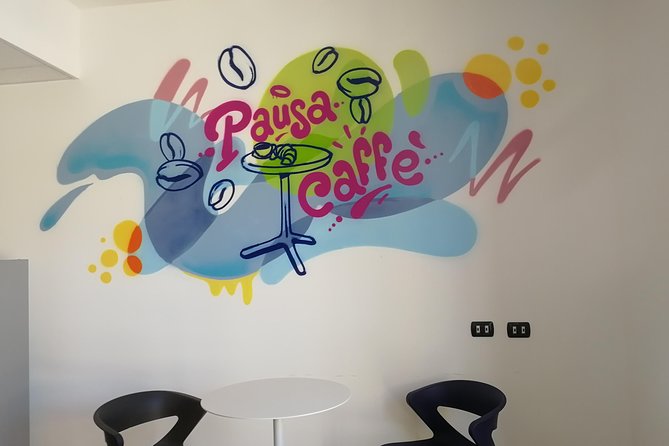
Milan has a way of making language feel practical. Between street life, shops, cafés, and real conversations, Italian stops being abstract. A course like this works because you’re not just studying rules, you’re repeatedly hearing and using the language in a city that constantly gives you reasons to try.
What I like about this setup is the learning pressure is positive, not chaotic. Small group size keeps the pace moving, while the school’s approach pushes you to use Italian instead of hiding behind English. You’ll feel your listening improve because you’re surrounded by different levels and backgrounds, not a single “perfect student” bubble.
That said, be honest with yourself about your tolerance for speed. The intensive schedule plus Italian-only classes means you’ll likely study a bit outside class to keep up.
You can also read our reviews of more tours and experiences in Milan.



The School in Porta Vigentina, and Why the Location Matters
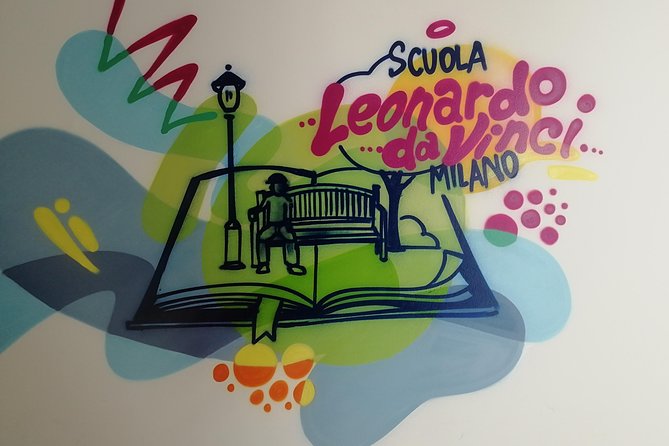
You meet at Scuola Leonardo da Vinci Milano, Corso di Porta Vigentina, 35, 20122 Milano. The school is near public transportation, which is a big deal for an intensive course. When you’re going to class every day, “easy to reach” turns into “easy to stay consistent.”
One student described the base as centrally located around Porta Romana, which helps explain the happy balance many people want: you’re not stuck on the edge of the city, but you’re also not fighting the most intense tourist congestion. That kind of location makes it easier to do small practice runs, like popping into a café to use phrases from class, or taking a museum route without turning it into an all-day mission.
If you’re the type who gets flustered when things change, you’ll probably appreciate the school’s practical support. Reviews mention help with things like getting a SIM card and navigating Milan, plus more serious support for longer stays.
The Core Experience: 4 Lessons a Day, Monday to Friday
The intensive program is 4 lessons per day from Monday to Friday. That’s a real working rhythm, not a “one hour and you’re done” setup. In language learning, that matters because you’re constantly returning to speaking and listening. Short breaks between lessons help you reset your brain instead of fading through a long session.
Classes are designed for interaction, with a maximum of 14 students. You’re not just consuming language. You’re practicing it with other people who have different mother tongues and different learning speeds. One review specifically praised the small group factor for making professors more attentive, because teachers can actually respond to what each student needs.
The schedule is also described as adjustable based on your progress and learning needs. In practice, that means you’re not stuck in a one-size-fits-all class experience, which is crucial when you improve quickly or, realistically, when you struggle for a week.
The main drawback is simple: 4 lessons a day is tiring. If you come in expecting a relaxing holiday pace, you’ll likely feel the effort. The upside is you get a packed learning outcome.
Italian-Only Teaching, and What English Help Really Means
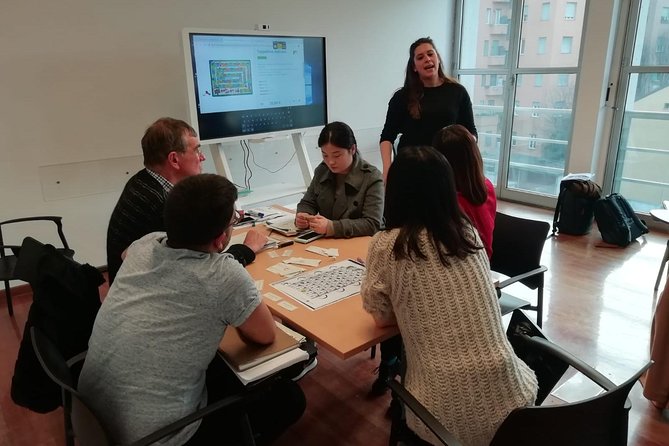
This course is held only in Italian. From the first day, you speak Italian in class. That’s not a gimmick. It’s a method. When you limit English in the learning space, you force your brain to connect sounds to meaning faster.
At the same time, the experience is still positioned as being offered in English, and reviews mention strong office support through messaging tools like WhatsApp. Translation is not the teaching method in class, but support is there for life logistics and questions. That’s a useful distinction. You get to focus in the classroom without losing safety outside it.
One review highlighted the administration team’s speed, noting they responded quickly, sometimes within an hour. Another mentioned that the school can help with big-picture needs like residency permits and credentialing exams for those staying longer. That kind of support is especially valuable if Italian is part of a work plan, not just a hobby.
If you’re totally new to Italian, you may feel overwhelmed for the first couple days. But because levels exist across ranges like A1, A2, and B1, you’re not expected to start at fluency. The trick is arriving ready to try, even when you sound awkward.
What’s Included: Books, Extra Materials, and “Real” Communication Practice
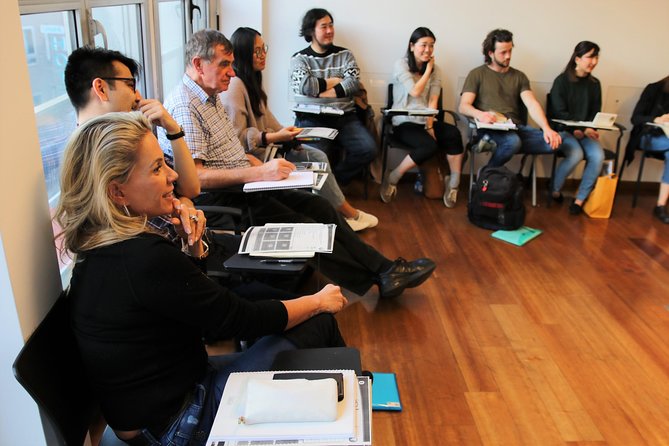
You get textbooks provided by the school, and they’re included in the course price. That removes a common trip-wire: you won’t arrive scrambling to buy the right materials or wondering if you picked the wrong version.
Teachers also use additional support materials, and the goal is more than reading and repeating. The course aims to improve communication skills using contemporary tools and varied practice. In language classes, this often shows up as a mix of speaking tasks, listening work, and structured exercises built to move you from understanding to using.
A few reviews also point to a teacher style that’s engaging and kind, with instructors described as having advanced backgrounds in linguistics and strong teaching skills. You don’t need to know any academic credentials to benefit, but it helps explain why so many people mention teachers who make time for personal questions.
One of the most practical advantages is that the school is not just teaching verbs. It’s helping students live in Milan while learning. That keeps your Italian tied to what you actually do day-to-day, from ordering food to asking for help.

Cultural Activities and Weekend Practice That Turns Class Into City Life
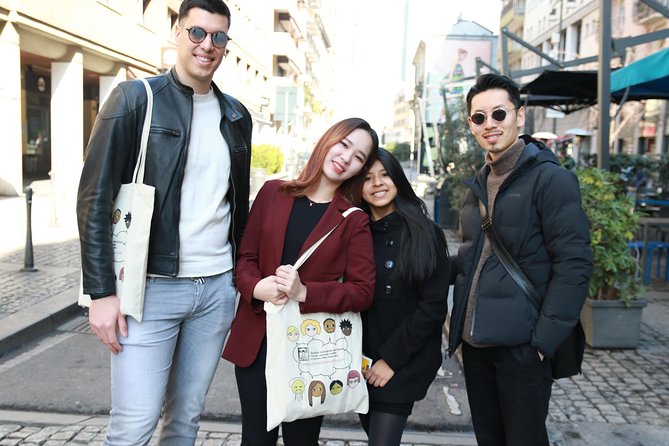
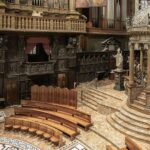
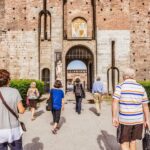
This is where the course can become more than language lessons. The school offers cultural activities during the week and on weekends, and reviews mention these as opportunities to practice speaking and listening while learning more about Italian history and culture.
Specific examples from reviews include:
- Wine tastings
- City and museum tours
- Extra social time after class, which helps people connect fast
One student praised after-class activities for letting them get to know Milan like someone living there. Another mentioned an art program arranged by the school, taught by Silvia, in an art studio setting. That program was described as a modern approach to teaching techniques, including mixing media and experimenting with styles to find personal expression.
Why does this matter? Because language practice sticks when you feel relaxed enough to use it. Activities give you low-stakes conversation. You’re not quizzed; you’re talking because it’s fun and social.
The trade-off is time and energy. If you take a course that includes daily lessons, you need to choose one or two activities and not burn out. Plan for slow recovery days when you can.
Levels, Course Length, and Getting the Best Match for Your Goals
The course is flexible in length, from 1 to 48 weeks. There’s also a pricing incentive: longer stays offer better value, with a notably affordable price starting around a 5-week course.
This flexibility is a big deal because people come for different reasons:
- A short visit to “reset” your Italian
- A work or immigration plan where language is part of a longer process
- A longer stay where you want real routines and steady improvement
The school offers multiple levels (A1 through B1 are mentioned), and reviews mention that the program works for different ages too. That matters because it makes the class more than a one-time tourist meeting. You might connect with a student who’s working toward a similar goal, not just someone passing through.
If your goal is quick survival Italian, you can focus on short-term progress. If your goal is bigger, plan for repetition, because language learning is cumulative. Four lessons a day can build momentum, but longer stays build the “automatic” part of speaking.
Day-to-Day: How Your Week Likely Feels
Even without a fixed tour “route,” you can picture the weekly flow. You start at the meeting point at the school, then you move into a multi-lesson teaching block. Expect a mix of instruction and practice, since the course is built for interaction in small groups.
With 4 lessons a day, the best strategy is to treat evenings like an extension of class, not like a second vacation. Do a short practice session, even 20 to 30 minutes. Then use the rest of the time to rest or do something easy in the neighborhood.
During the week, cultural activities help you put new phrases in your mouth. On weekends, the school’s activities can be especially useful because you’ll be more likely to run into the same people, making conversation less forced.
Some reviews even mention teachers and guides by name, like Ana for teaching and Luisa as a guide in a Dolce Vita style program context. Those details matter because they point to a consistent, staffed experience, not a random drop-off.
Practical Tips So You Don’t Waste Your Learning Time
Here’s how you get more from an intensive course in a city like Milan.
- Show up ready to speak. The classroom is Italian-only, so come with your best effort, not your fear. Mistakes are part of the system.
- Write down phrases, not just words. You’ll get more use from sentences you can reuse at a café or on public transport.
- Pick one cultural activity and one low-effort outing. For example, a museum tour plus a café stop to practice asking small questions.
- Ask your school for help early. Reviews mention support for SIM cards, navigating Milan, and more complex paperwork for longer stays. If you wait, you’ll lose time.
- Rest on purpose. Four lessons a day is mentally demanding. If you sleep well and manage stress, your speaking improves faster.
If you’re planning to live in Milan longer, ask about how the school can support longer-term goals. Reviews mention help that ranges from practical setup to credentialing exams.
Who This Course Is Best For, and Who Might Hesitate
This is a strong fit if you want fast progress and you’re okay with a structured pace. It’s especially good for people who like a clear routine and want help from a real school team, not just a textbook stack.
It also works well for:
- Busy travelers who want language plus city practice
- People who enjoy meeting international classmates
- Students who need teacher attention and feedback in small groups
- Long-stay learners who want support beyond class
You might hesitate if:
- You strongly prefer English-led instruction inside the classroom
- You want a low-effort vacation schedule
- You’re not ready for Italian-only pressure on day one
The good news is the school offers different levels and learning intensities, and reviews repeatedly mention friendly, engaging staff who make it easier to keep going.
Price and Value: Is $365.63 for 5 Days a Good Deal?
You’ll see pricing around $365.63 per person for about 5 days. That can sound like a lot until you break down what you’re actually getting.
You’re paying for:
- 4 lessons a day, Monday to Friday
- A max 14-student group size, which usually means more interaction
- Textbooks included
- A school that offers extra materials and cultural activities
- Support for practical issues in Milan, which becomes valuable fast if you’re dealing with daily logistics
In other words, you’re not just buying language class hours. You’re buying a learning environment with structure and guidance. That tends to beat the “DIY” approach, where you spend time guessing what to practice and how to improve.
If you’re able to stay longer, value improves. The program notes savings starting from around a 5-week course, which makes sense because consistency is the real cost advantage in language learning.
So, Should You Book This Italian Course in Milan?
I’d book it if you want a serious language push without turning Milan into a stressful management project. The combination of small group size, Italian-only classes, included books, and culture-linked practice is exactly how you stop studying and start using.
I’d think twice if you know you need an English-heavy teaching environment to feel confident, or if you want a gentle schedule. The course is intensive by design, and the classroom expects you to participate.
If you’re the type who likes clear structure, teacher support, and real opportunities to speak in public spaces, this is a smart bet.
FAQ
Where does the course meet each day?
You meet at Scuola Leonardo da Vinci Milano, Corso di Porta Vigentina, 35, 20122 Milano MI, Italy. The activity ends back at the meeting point.
How long is the course?
The course is described as 5 days (approx.) for the experience price shown, and the full program can be booked for 1 to 48 weeks, depending on your needs.
What is the class schedule like?
The intensive format is 4 lessons per day, Monday to Friday.
Is the class taught in English?
The course is offered in English, but the instruction itself is held only in Italian.
How big are the classes?
Classes have a maximum of 14 students, and students are mixed by nationality and age group.
Are textbooks included in the price?
Yes. The school provides textbooks, and they are included in the course price.
Do they offer different Italian levels?
Yes. Levels are offered such as A1, A2, B1, and others.
Is there a limit on the number of travelers?
Yes. This activity has a maximum of 14 travelers.
Can I get a refund if I cancel?
No. The experience is non-refundable and cannot be changed for any reason, so cancellation means you will not receive your money back.
Is it near public transportation and suitable for most people?
It is described as near public transportation, and most travelers can participate.
If you tell me your Italian level and whether your goal is travel, work, or longer-term living, I can suggest the best course length and how to plan your Milan practice days.
More Tour Reviews in Milan
Not for you? Here's more nearby things to do in Milan we have reviewed











Milan Tours, compared.
 ★ 4.6Cathedral and Duomo’s Terraces Entrance TicketFrom $3061,054 reviews
 ★ 4.7Da Vinci’s Last Supper Guided TourFrom $7510,143 reviews
 ★ 4.6From Milan: Como & Bellagio with Private Lake Como CruiseFrom $1129,788 reviews
 ★ 4.5Science and Technology Leonardo da Vinci Museum EntryFrom $157,169 reviews
 ★ 4.8From Milan: Como, Lugano and Bellagio Exclusive Boat CruiseFrom $956,635 reviews
 ★ 4.8From Milan: Como Private Boat, Bellagio and Lugano Day TripFrom $786,271 reviews
 ★ 4.0City Sightseeing Hop-On Hop-Off Bus with Audio GuideFrom $266,256 reviews
 ★ 4.6Milan Cathedral: Duomo Terraces Ticket (No Church Access)From $226,111 reviews
Browse the lists this tour appears in