
Review · MILAN TOURS
Discovering Milan’s fashion soul
Milan’s style story is best on foot. This 2-hour walk turns the city’s fashion streets into a living timeline, with an expert, certified guide and a route that hits the heart of the Quadrilatero. I especially liked the small group size and the way the tour uses real storefronts along Via della Spiga and Via Montenapoleone to explain why these brands became famous.
Here’s the main thing to consider: this is a street tour, not a museum deep dive. Some people may find the format basic for the price, especially if you want lots of brand history details or a more hands-on fashion experience.
Key highlights to look forward to
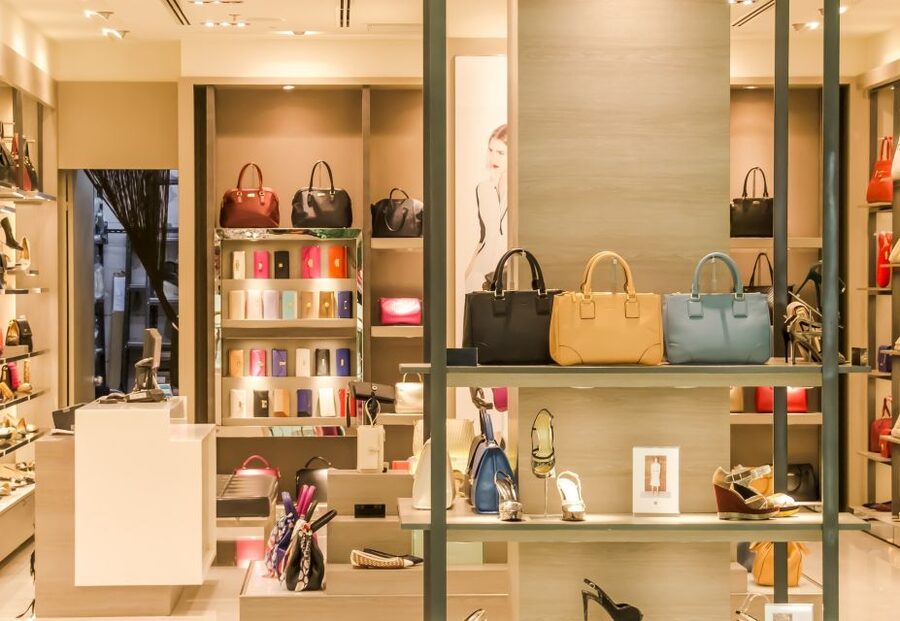
- Quadrilatero della Moda route that walks the classic fashion blocks, not random shopping streets
- Expert local guide storytelling, including brand background and fashion context tied to specific addresses
- Photo stops and signature streets, including Via Gesù and the luxury corridor feel of Via Montenapoleone
- Chanel and Hermès facades on Via Sant’Andrea, plus major Italian names nearby
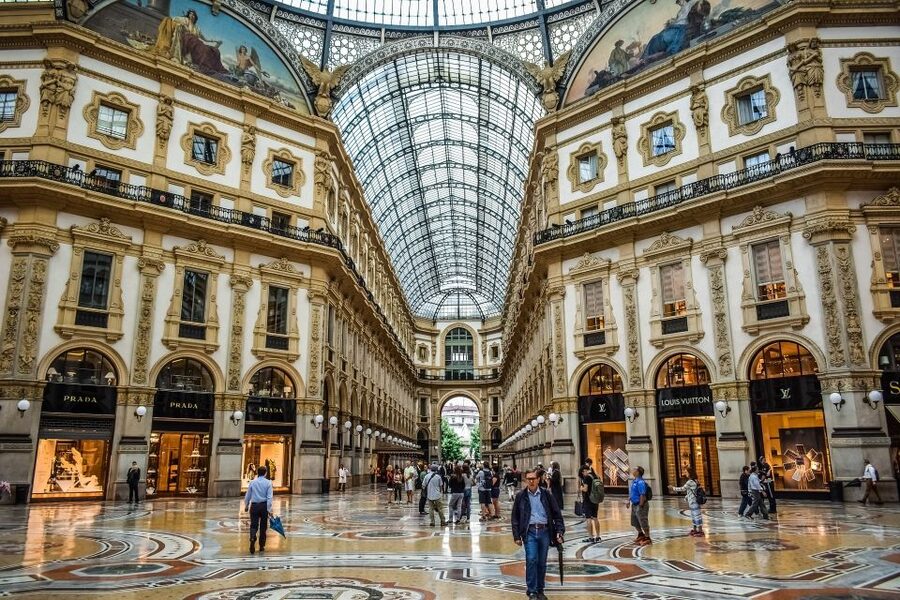
- Galleria Vittorio Emanuele II area and Piazza della Scala ending, so you finish in a postcard-worthy core
Where this fashion tour actually fits in your Milan plan

If you only have a day or two in Milan, this kind of tour can do something museums cannot: it helps you see the city’s “fashion geography.” Milan’s clothes culture is not just about what brands make, it is also about where those brands decided to put down roots, the palazzi they surrounded themselves with, and the luxury shopping district that grew into a destination.
This walk is built around the Quadrilatero della Moda, the famed fashion rectangle that became the place wealthy houses wanted their flagship presence. The tour is short at 2 hours, so it is best when you want an efficient orientation: you learn the key streets, you connect names like Gucci and Versace to the addresses you are actually standing in, and you leave with a sense of how the district works.
And yes, you will be walking. The upside is that you get the city texture: people shopping, storefront energy, and the feel of a neighborhood that has been dressing up Milan for well over a century.
You can also read our reviews of more tours and experiences in Milan.
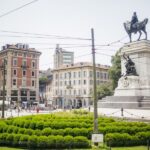
Meeting at Via Manzoni 31, then walking into fashion mode
You meet at Via Manzoni 31, at the corner of Via Croce Rossa, near MM3 Montenapoleone. That matters because it places you right where Milan’s most famous fashion corridor takes over. After the quick meet and greet, your guide sets the tone with facts and anecdotes meant for the street level, not a classroom.
One practical detail: the tour uses a radio-guide system from 5 participants. If you are in a larger group, this helps a lot. On a busy shopping street, you do not want to strain to hear a key story about why a particular brand chose this area.
The guide is live, and the languages are Italian and English. You can expect narration designed to help you notice details, like architectural cues, how the shopping district clusters, and why certain brands feel at home on specific streets.
Quadrilatero della Moda: turning addresses into a story
The tour starts by grounding you in what makes Milan different from other fashion cities. Milan became a major textile producer in Europe in the 19th century, and that industrial strength later fed the rise of fashion culture. Over time, wealthy fashion houses established their roots in the Quadrilatero, setting up luxurious shops, impressive buildings, and inviting courtyards.
The best part of this section is the “why it exists” storytelling. Instead of treating the district like a shopping mall in real life, the guide explains how the fashion houses helped shape the district into the iconic luxury zone it is today.
You also get introduced to the unusual characteristics of the brands showcased in the Quadrilatero. That matters because it changes how you look at storefronts. You are not just scanning for logos. You are learning to connect a brand’s identity to where it chose to show itself.
Via della Spiga: designer windows and the local shopping rhythm
After the opening context, you head along Via della Spiga, one of the streets that carries that classic Milan “designer everywhere” mood. This is where the tour becomes concrete. You watch locals shop inside Italian designer stores, and the names you hear are tied directly to what you can see from the sidewalk.
The route includes stops that help you spot brands such as Bulgari, Sergio Rossi, and Dolce & Gabbana. Even if you are not a big luxury shopper, standing outside these stores gives you a quick reality check on Milan’s design culture: the district is built around presentation, materials, and brand atmosphere.
There is also a photo opportunity around the Via Gesù area. That stop is useful because it gives you a brief pause to capture the street scene and reset your bearings before moving deeper into the fashion corridor.
Via Sant’Andrea: where French luxury shows up in force
Next comes Via Sant’Andrea, another signature lane in the Quadrilatero. This part of the walk leans especially into French luxury, with a chance to spot the glossy-fronted shops of Chanel and Hermès.
Here is what I think you will appreciate most: the guide’s ability to tie brand identity to the physical street presence. You do not just hear names. You learn what makes these brands feel different in Milan, and why their storefront style fits the district’s image.
It is also a good street for people watching. You will see shoppers moving with purpose, and the architecture supports that feeling. If you like “spot the details,” this section is where you get to slow down for a minute and notice what is actually different about each corridor.
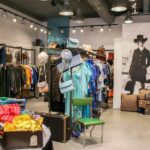
Via Montenapoleone: Gucci, Versace, Louis Vuitton, and the meaning behind the fame
Then you hit the most legendary street in the fashion quadrangle: Via Montenapoleone. This is the corridor most people picture when they think of Milan luxury, and the tour does a smart job of using it as the main educational spine.
You get to admire luxurious facades and shopfronts selling Gucci, Versace, and Louis Vuitton. These are big names, but the value here is how the guide explains the designers behind the brands so you are not just recognizing logos.
In practical terms, this section helps you do two things:
- You understand how Milan markets luxury as an experience, not just a product.
- You learn enough brand context to shop smarter later, whether you want to browse or you only want to appreciate the craft and styling.
If you want to buy something, this is the stretch where you will naturally spend the most attention. If you are more of a museum person, you may still enjoy it because the guide turns the street into a timeline you can walk through.
Via Manzoni and the Grand Hotel area: a stylish walk to the finish
From there, the tour wanders down Via Manzoni. This section gives you a gentle transition from pure fashion-brand intensity to a broader Milan feel, right near major landmarks and high-end boutiques.
A key visual stop is the Grand Hotel of Milan, visible between impressive buildings and surrounded by chic storefronts. Even if you never go inside, it helps you understand how luxury tourism and luxury shopping share the same neighborhood logic here.
The tour then finishes with a stroll through Piazza della Scala and the area of the Galleria Vittorio Emanuele II. These are not random add-ons. Finishing here gives you a natural “anchor” so you do not end your fashion walk feeling like you walked in circles.
What you get for the price, and when it feels worth it
The price is listed as $143.87 per person for a 2-hour experience. For Milan, that is not cheap. So the real question is value: what are you buying with those dollars?
You are paying for:
- A professional, certified tour guide
- A small group (max 9 participants)
- A radio-guide system from 5 participants
- A guided, efficient route that hits the Quadrilatero and major fashion streets
In my view, this is best value when you fall into one of these categories:
- You want an organized way to understand the district quickly.
- You like fashion culture but do not want to spend your limited time researching neighborhoods.
- You enjoy guided storytelling that connects brands to specific streets.
If you already know the brands well and you prefer to self-tour without narration, this may feel expensive for what it is. One low-score concern was that the information felt basic, and another comment pointed to missing depth or inaccurate details. Those critiques are fair reminders that a short street tour can never match a museum’s level of content density.
So my practical take: book this when you want orientation and context. If you want heavy fashion history, pair it with a museum visit on the same trip.
The biggest strength: brand storytelling tied to real streets
The tour’s strongest element is how it turns fashion names into place-based stories. You hear about how Milan became a major textile producer, why fashion houses settled in the Quadrilatero, and what that meant for the shopping district’s development.
The feedback also highlights guides who tell stories with both knowledge and sympathy, weaving fashion with history and biographies. One guide name that shows up is Valeria, described as engaging and story-driven. That kind of guide can make even famous streets feel fresh, because you are not just staring at storefronts. You are learning how people built this fashion world, street by street.
Small group comfort, plus a couple of practical limits
The group is capped at 9 people. That is a sweet spot for a short walking tour. It makes it easier to hear the guide and easier to stay together on busy shopping streets.
At the same time, this is still a walk through popular retail corridors. It is not designed for long lingering. Expect a guided pace with quick photo moments, like the stop on Via Gesù, then onward.
Also, your guide is not a personal shopper. That is important if you imagine a more tailored experience: measuring what you like, shopping recommendations, or direct help with purchases. This tour is about understanding the fashion district, not helping you pick items.
Who should book this fashion walk, and who might skip it
This tour is a great fit if:
- You love fashion culture and want a quick, guided orientation to Milan’s top shopping streets.
- You are pairing this with other plans and want a high-impact use of 2 hours.
- You appreciate stories that connect brands to the city’s development.
It may be a miss if:
- You expect deep brand history like you would get from a museum exhibit.
- You are very sensitive to price-to-depth value.
- You prefer doing it all on your own and spending your time reading about brands wherever you want.
If you are on a one-day schedule, I would consider it early in the day. It gives you a mental map. Then you can explore on your own later with way better confidence about what you are looking at.
Should you book this Milan fashion district tour?
Yes, if you want a guided walkthrough that makes Milan’s fashion streets easier to understand and more fun to notice. The small group cap, the certified guide, and the focused route through Via della Spiga, Via Sant’Andrea, Via Montenapoleone, and the finish near Piazza della Scala and the Galleria Vittorio Emanuele II make it a practical use of time.
Book it with the right expectations. This is not a substitute for a museum. It is a street-level introduction to why the Quadrilatero became famous, using the city itself as your exhibit.
If you want fashion stories, good pacing, and a smart way to see the district without wasting time guessing where to go, this is a strong choice. If you want dense details, you might get more satisfaction combining a museum visit with a shorter self-guided stroll afterward.
More Tour Reviews in Milan
Not for you? Here's more nearby things to do in Milan we have reviewed







Milan Tours, compared.
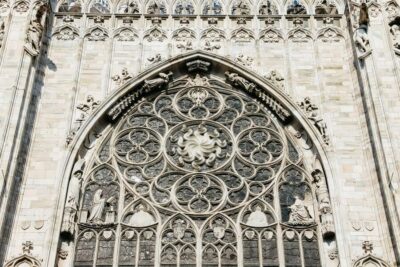 ★ 4.6Cathedral and Duomo’s Terraces Entrance TicketFrom $3061,054 reviews
 ★ 4.7Da Vinci’s Last Supper Guided TourFrom $7510,143 reviews
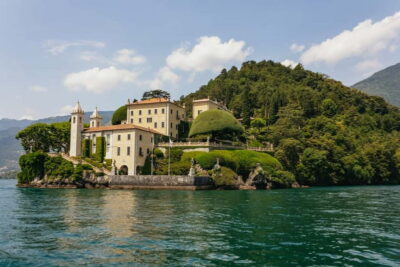 ★ 4.6From Milan: Como & Bellagio with Private Lake Como CruiseFrom $1129,788 reviews
 ★ 4.5Science and Technology Leonardo da Vinci Museum EntryFrom $157,169 reviews
 ★ 4.8From Milan: Como, Lugano and Bellagio Exclusive Boat CruiseFrom $956,635 reviews
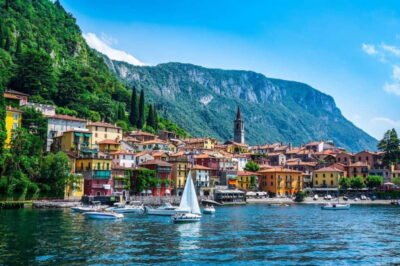 ★ 4.8From Milan: Como Private Boat, Bellagio and Lugano Day TripFrom $786,271 reviews
 ★ 4.0City Sightseeing Hop-On Hop-Off Bus with Audio GuideFrom $266,256 reviews
 ★ 4.6Milan Cathedral: Duomo Terraces Ticket (No Church Access)From $226,111 reviews