Review · MILAN
Choose three recipes to cook from all the traditional cuisine
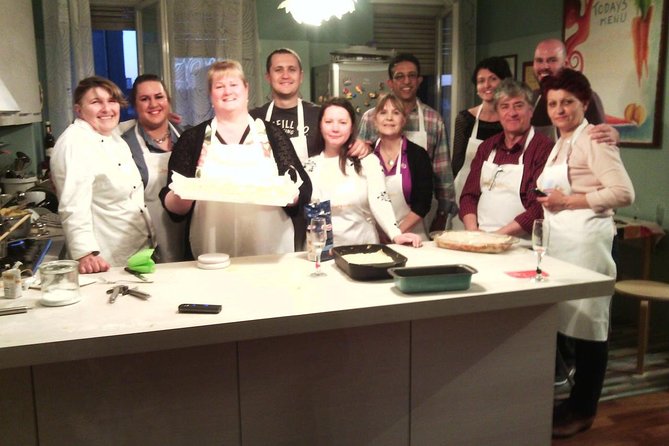
Your dinner starts on the counter. This small-group Milan class lets you choose three Italian recipes and cook them in a real home kitchen with Chef Aurora or Chef Lucrezia, often alongside Chef Elena. I love the hands-on, step-by-step instruction, and I also like that you get to make dishes that go beyond the usual pasta hits. One possible drawback: if you’re hoping for very specific training like making every dough element from scratch, you should be ready that the focus can vary by chef and by what you pick.
In about two hours of cooking, you’ll prepare your own portions of everything, then sit down to eat what you made with wine and a sweet finish. Expect a relaxed but busy rhythm, loud metro neighbors may not be the main issue, but construction noise can happen in older buildings.
Key highlights to know before you book
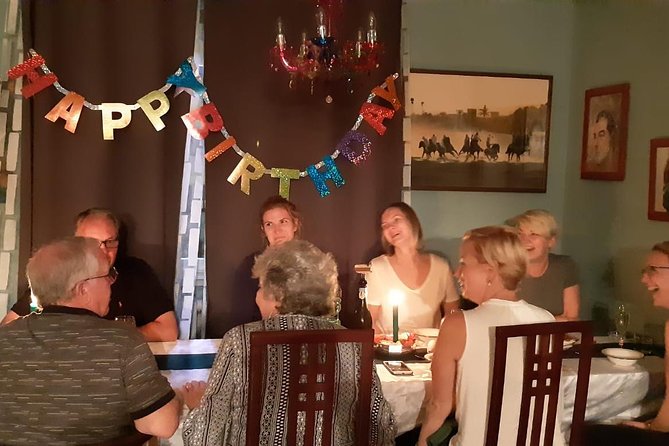
- Pick three recipes from many Italian regions, including vegetarian and gluten-free options
- Hands-on cooking with instruction on cutting, herbs, timing, and frying or boiling
- Cook at home kitchen pace, roughly two hours of prep and cooking before you eat
- Eat a true 3-course meal you made, paired with wine (and limoncello at the end)
- Small group (max 10) for personal attention, not a factory line
A Milan home-kitchen class that feels like learning in real life
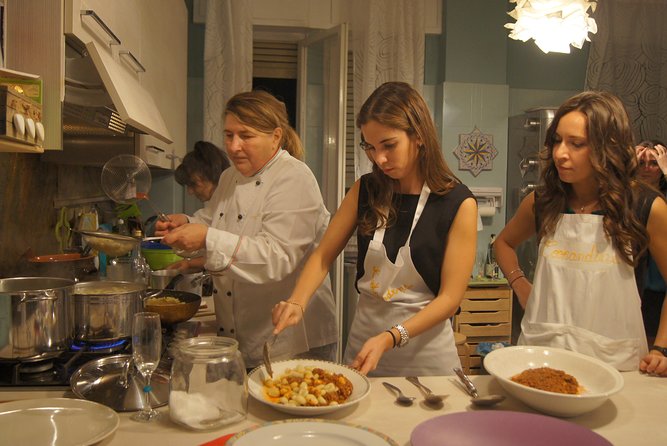
If your idea of Italy is eating your way through Milan and then wishing you could recreate the flavors at home, this is the fix. Instead of watching a show kitchen, you’re in the action, chopping, rolling, stuffing, frying, and assembling. You cook three recipes you choose, and you don’t walk in expecting the food to be ready. That matters, because you learn the logic behind Italian cooking: how ingredients behave, what “done” looks like, and how technique changes the final plate.
I also like that the chefs set you up with practical tools. You’re taught how to cut, how to work with herbs and spices, how long things take, and whether you’re frying or boiling. That turns the class from a one-night memory into usable kitchen skills.
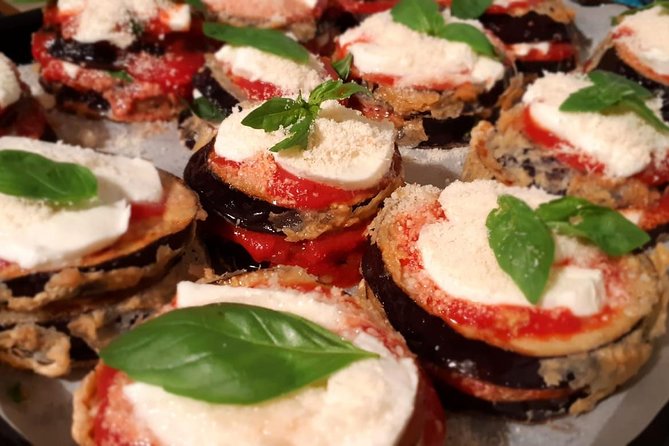
The other big value is that this isn’t only pasta and pizza. The menu options include vegetable-focused classics like parmigiana eggplants and fried zucchini flowers, plus meat, fish, and desserts that Italians treat like daily comfort food, not just special-occasion sweets.
You can also read our reviews of more tours and experiences in Milan.



Choosing your three dishes, and why that’s the real superpower
This is not a one-size-fits-all cooking class. When you book, Chef Aurora or Chef Lucrezia contacts you with recipe choices pulled from Italian culinary traditions. In many cases, that means you can build your own menu across regions, not just copy a generic Milan template.
You’ll see options like:
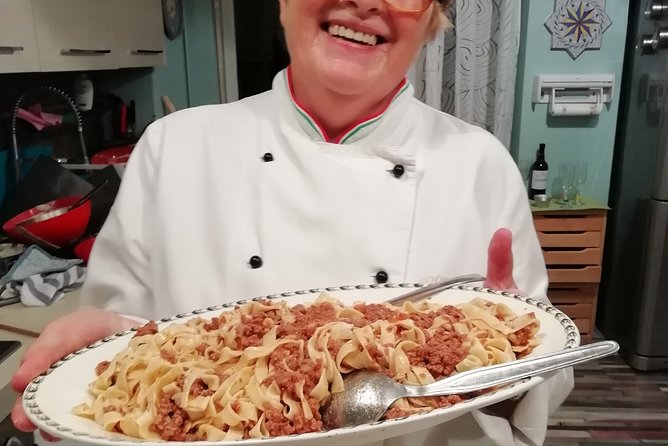
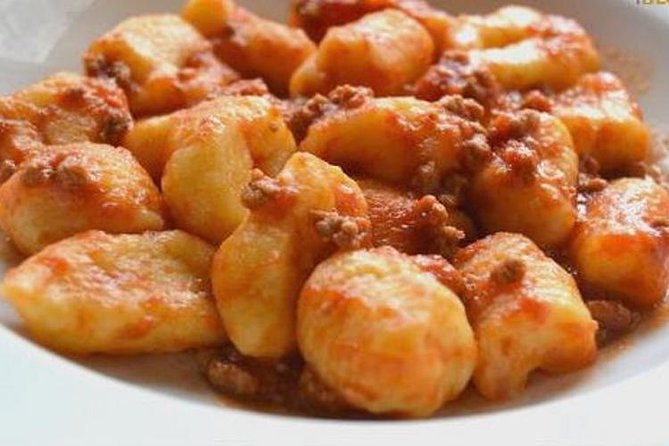
- Tagliatelle with bolognese or ravioli or gnocchi
- Parmigiana eggplants or zucchini flowers stuffed and fried
- Lamb Roman style with wine, garlic, and anchovy, or Venetian cod cooked in milk and onion then creamed to spread on polenta
- Tiramisu, panna cotta, and Sicilian cannoli
- Bruschetta with tomatoes, garlic, basil, and anchovies
- Pizza or panzerotti (folded mozzarella and tomato, fried)
- Meat lasagna or a vegetarian lasagna version
- Milanese risotto with saffron
- Caprese cake (made with almonds, egg, cocoa powder, and noted as a great gluten-free option)
The smartest part is not just variety. It’s fit. If you eat meat, you can stack a lamb or veal style main with a classic dessert. If you prefer vegetarian cooking, you can build an entire menu around vegetables, cheese, and eggs. The same idea applies to gluten-free: you can still get dessert without feeling like you’re stuck with an “acceptable substitute.”
One small caution: pasta and pizza are both listed, but people have different expectations for how much dough training they want. If pizza dough is your top goal, ask what gets emphasized during your session, because hands-on depth can depend on the chef’s workflow that day and on your chosen dishes.
The flow of the class: from warm welcome to your 3-course table
The total duration is about three hours. The big chunk is cooking, roughly two hours where you make your own portions. Nothing is pre-made beforehand, so you’re building the meal step by step, ingredient by ingredient.
Step 1: Get oriented in the kitchen
You start at Via Mantova 19, in Milan, and you return there at the end. There’s no hotel pickup, so you’ll want to arrive ready to walk in comfy shoes. It’s near public transportation, and at least one reviewer noted it’s convenient from the metro.
Once inside, you’ll meet the chef and the setup. Expect a home-kitchen vibe, not a polished classroom. That’s a plus for authenticity, but it also means you’ll do real kitchen work. You’ll be standing, leaning, washing, and moving as the cooks move.
Step 2: Cooking your starter, first main, and second main
Your menu becomes the itinerary. You’ll cook three recipes of your choice, and each one follows an Italian logic: sauce first, fillings next, then assembly, then the final finish.
Common starter options include bruschetta: toasted bread topped with tomatoes, garlic, basil, and anchovies. It’s quick, flavorful, and a good “warm-up” dish for beginners because you can focus on balance and timing.
For the mains, you might end up doing full-spectrum tasks:
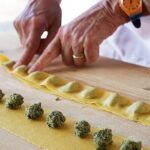
- Fresh egg pasta hand-made, like tagliatelle or ravioli
- Stuffing ravioli fillings such as pumpkin or a ricotta and spinach mix
- Shaping potato gnocchi and learning when they’re ready
- Frying vegetables and finishing them in the oven, like parmigiana
- Cooking fish gently, like cod from Venice, using milk, onion, and a creamed texture served over polenta
- Kneading and topping pizza, or making panzerotti and frying the pocket-style dumplings
The teaching style matters here. In the best sessions, chefs slow down for novices but still offer technique for more experienced cooks. In multiple experiences, Chef Elena, Chef Aurora, and Chef Lucrezia were praised for being patient, friendly, and step-by-step.



Step 3: Dessert, then lunch or dinner paired with wine
Dessert is where Italy gets serious. Your choices may include:
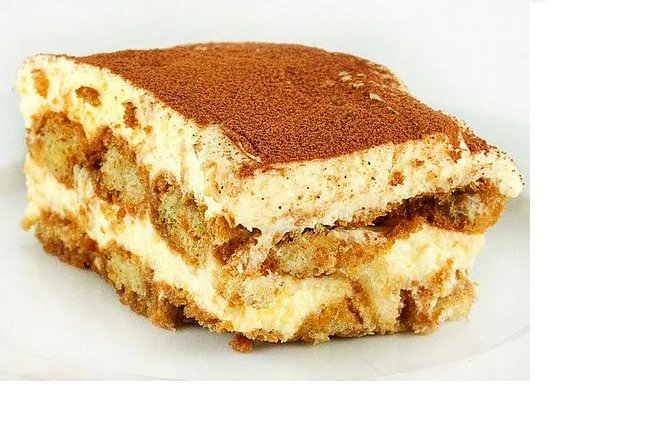
- Tiramisu, built with mascarpone and coffee
- Panna cotta, with fresh cream and strawberry
- Sicilian cannoli, including forming the tube and filling it with sheep ricotta
- Caprese cake, an almond, egg, cocoa-baked cake from Capri, noted as a gluten-free-friendly option
After cooking, you sit down for lunch or dinner and eat your own creations as a full 3-course meal. This is one of those rare classes where you do the work and then get to enjoy it immediately, not just taste a few bites.
Wine, limoncello, and the moment you actually relax
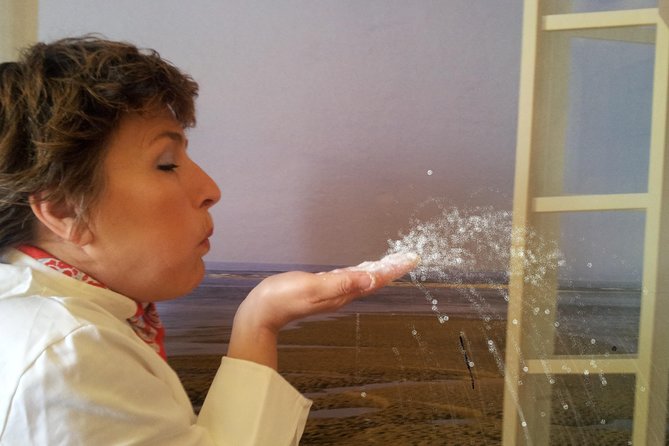
Food classes can be exhausting. Here, the meal pairing is part of the design. You get a welcome prosecco glass at the start, then wine with your lunch or dinner (2 glasses per person), and limoncello at the end. That rhythm turns the final stretch into a celebration instead of a cleanup sprint.
One reason this works well is pacing. You cook for about two hours, then you eat. You’re not waiting around wondering when the fun part starts. You also get to compare what you made with what Italy expects, because the chef’s instructions are fresh in your mind.
And yes, you might leave full in the best way. Multiple diners mentioned they had leftovers, which tells you portions are substantial and you are not just “tasting as you go.”
Ingredients you can find, and why it matters for cooking at home
One detail I really appreciate in this class is that the recipes are chosen with ingredients you can find in your country. That’s not just marketing. It changes whether you’ll actually cook again at home.
For example, classic ingredients like tomatoes, garlic, basil, anchovies, mozzarella, ricotta, eggs, saffron (if you choose saffron risotto), and pantry-friendly sweets show up in many homes, not only in specialty Italian import stores. Even when something feels niche, like sheep ricotta for cannoli, you’ll likely learn enough technique that you can adapt at home.
In practice, you’ll come away knowing more than a single recipe. You’ll understand how sauces thicken, how fillings hold, and what timing should feel like. That’s the real value of being taught how long things take, not just what to do.
What you should watch for before you commit
I’ll be honest, the reviews show two types of experiences. Most are warm, fun, and very hands-on, with chefs who teach technique and manage timing well. A smaller number mention issues like noise from construction in the building, a less patient moment with a kitchen accident, or expecting more hands-on work for something like dough.
Here’s how to manage that risk:
- Choose recipes that match your goals. If you want vegetable techniques, pick parmigiana or zucchini flowers. If you want pasta, pick tagliatelle or ravioli.
- If you care about dough-making depth, plan to ask what gets covered during your session. The class is hands-on, but the exact emphasis can depend on the chosen menu.
- If you want recipes sent to you after, make sure your contact details are correct and double-check spam folders if you don’t see the message.
Also note that you do not accept delays more than 20 minutes. That’s common for classes in tight home-kitchen schedules, and it’s fair. Show up a little early so you can settle in.
Price and value in plain terms
At $145.18 per person for about three hours, this isn’t a budget activity. But it also isn’t overpriced for what you get. You’re paying for:
- A private-style small group (max 10)
- A real home-kitchen setup with hands-on teaching
- Three recipes you selected, not a fixed menu
- A full 3-course lunch or dinner with wine, plus welcome prosecco and limoncello
If you compare it to paying restaurant prices for wine and a multi-course meal plus “lessons,” this starts to look fair. You’re essentially buying the ability to reproduce several Italian dishes at home, with technique guidance.
The best value is when you pick dishes you truly want to cook again. If you choose meals you’re not excited about, you lose the advantage. But if you choose smartly, this can become the most practical meal ticket you buy in Milan.
Who this class is best for
This is ideal for:
- Food lovers who want to cook, not only eat
- Couples and families, since the chefs can pivot to different experience levels
- Travelers who want authentic Italian technique beyond the basics
- Vegetarian or gluten-free diners, because options are explicitly offered
It might be less ideal for:
- People who want a super formal classroom with very predictable timing for every single step, no variation
- Anyone arriving with very strict expectations about making every dough element end-to-end for pizza or pasta, because the menu choice and the day’s workflow can influence the teaching flow
Quick practical tips so you get the most out of your night
- Wear comfortable shoes. You’ll stand and work.
- Bring curiosity. Ask why the chef changes timing or technique for each step.
- Pick recipes you can picture making at home. The class is designed to help you cook again, not just take photos.
- If you’re gluten-free or vegetarian, confirm your dietary needs during booking so the chef can plan appropriately.
Should you book Cook and Dine in Milan?
Yes, I think you should book it if you want a home-kitchen meal with real instruction and you like the idea of choosing your own Italian menu. This is one of those experiences where the “lesson” sticks because you do the work and then eat the results immediately. The hands-on style, the ability to choose dishes from across Italian traditions, and the small group size are the big wins.
Just set your expectations right. It’s hands-on, but it’s still a working kitchen with real timing. If you want maximum dough training for a specific item, ask ahead about how that will be covered for your menu. Do that, and you’re likely to have one of your most memorable meals in Milan.
FAQ
How long is the cooking class in Milan?
The class runs for about 3 hours.
Where does the experience meet in Milan?
You meet at Via Mantova, 19, 20135 Milano MI, Italy. The activity ends back at the meeting point.
Is there hotel pickup or drop-off?
No, hotel pickup and drop-off are not included.
Can I choose which three recipes to cook?
Yes. You choose three dishes from a variety of options from traditional Italian cuisine.
Are vegetarian and gluten-free options available?
Yes. Vegetarian and gluten-free options are available, and you can advise dietary requirements at booking.
Is the class in English?
Yes. The class and the recipes you receive are in English.
What do I eat and drink during the experience?
You cook a 3-course meal and then eat lunch or dinner. You receive 2 glasses of wine per person (plus a welcome Prosecco glass), and limoncello at the end.
Do I get the recipes after the class?
Yes. You will receive all recipes in English.
Is there a limit on group size?
Yes. The experience has a maximum of 10 travelers.
Can I cancel if my plans change?
Free cancellation is available up to 24 hours before the experience start time for a full refund.